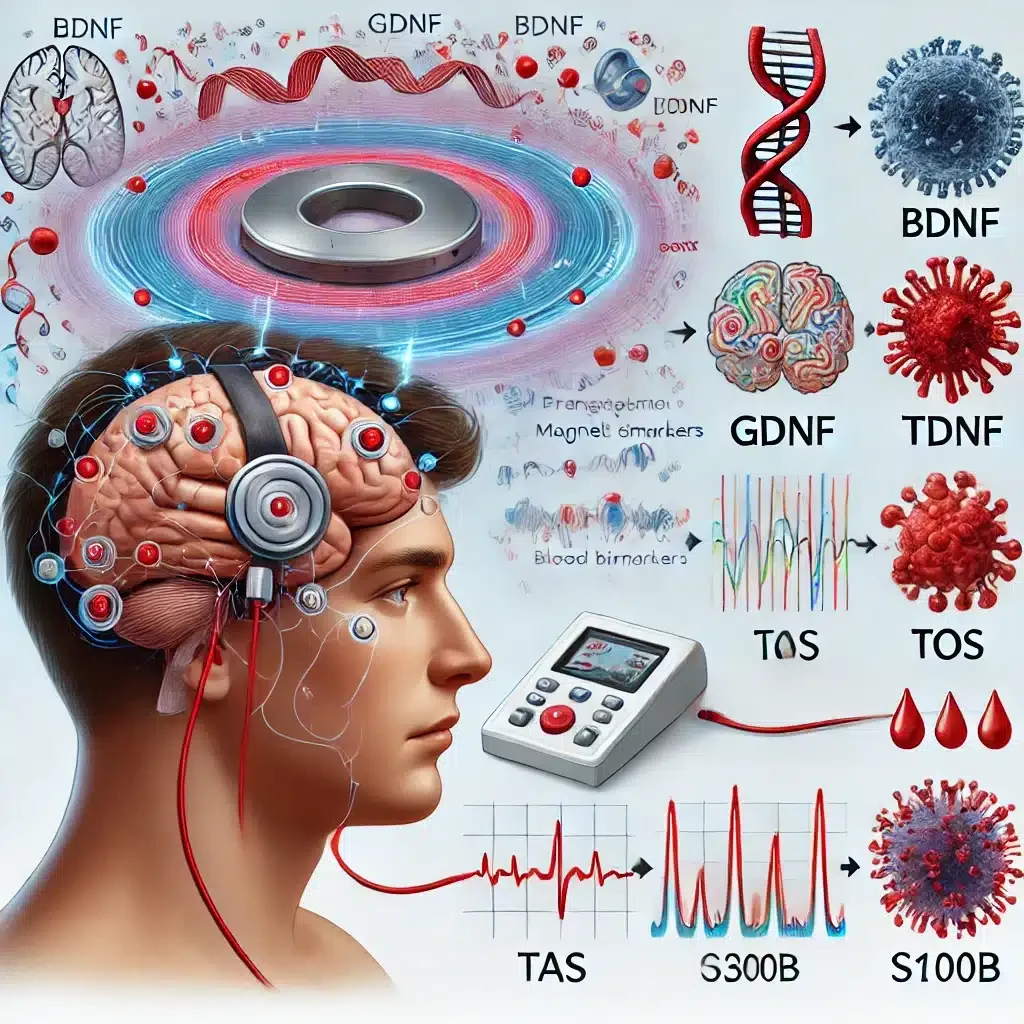
Repetitive transcranial magnetic stimulation (rTMS) therapy improves key biochemical markers in major depressive disorder (MDD) patients, indicating its effectiveness as an antidepressant treatment. Highlights: Improved Antioxidant Levels: rTMS therapy signifi…
Read article ↗
A new study examined whether metabolic biomarkers assessed through a high-throughput method are associated with future depressive symptoms. The results suggest the metabolites may not play a direct role in depression development. Key Facts: Researchers investi…
Read article ↗
Suicide is a devastating public health problem, claiming hundreds of thousands of lives worldwide each year. Understanding the underlying biological and psychological factors that increase suicide risk is key for developing effective prevention and interventio…
Read article ↗
Obsessive-compulsive disorder (OCD) is a complex neuropsychiatric illness impacting approximately 2% of the global population. The disorder is characterized by intrusive, irrational thoughts (obsessions) and repetitive behaviors (compulsions) that patients fee…
Read article ↗
A new study published in Brain Sciences has uncovered important epigenetic differences in a group of Mexican children diagnosed with autism spectrum disorder (ASD) compared to neurotypical controls. The research provides new insights into the complex interplay…
Read article ↗
Attention-deficit/hyperactivity disorder (ADHD) is one of the most common neurodevelopmental disorders, affecting around 5% of children and 2.5% of adults worldwide. The core symptoms are inattention, hyperactivity, and impulsivity that interfere with normal f…
Read article ↗
A new study published in Nature Medicine has identified two biological profiles, based on routine blood tests during COVID-19 hospitalization, that can predict patients’ risk of developing post-COVID brain fog months later. Key Facts: The study analyzed data f…
Read article ↗
Major depressive disorder affects over 280 million people worldwide. While the causes are complex, new research is uncovering the role epigenetics plays in depression. Epigenetic changes can regulate how genes are expressed without altering the DNA sequence it…
Read article ↗