Drug-induced musical hallucinations occur across various medical conditions, with antidepressants, opioids, and other medications as common triggers, potentially arising from neurotransmitter imbalances; treatment often involves modifying or discontinuing the…
Read article ↗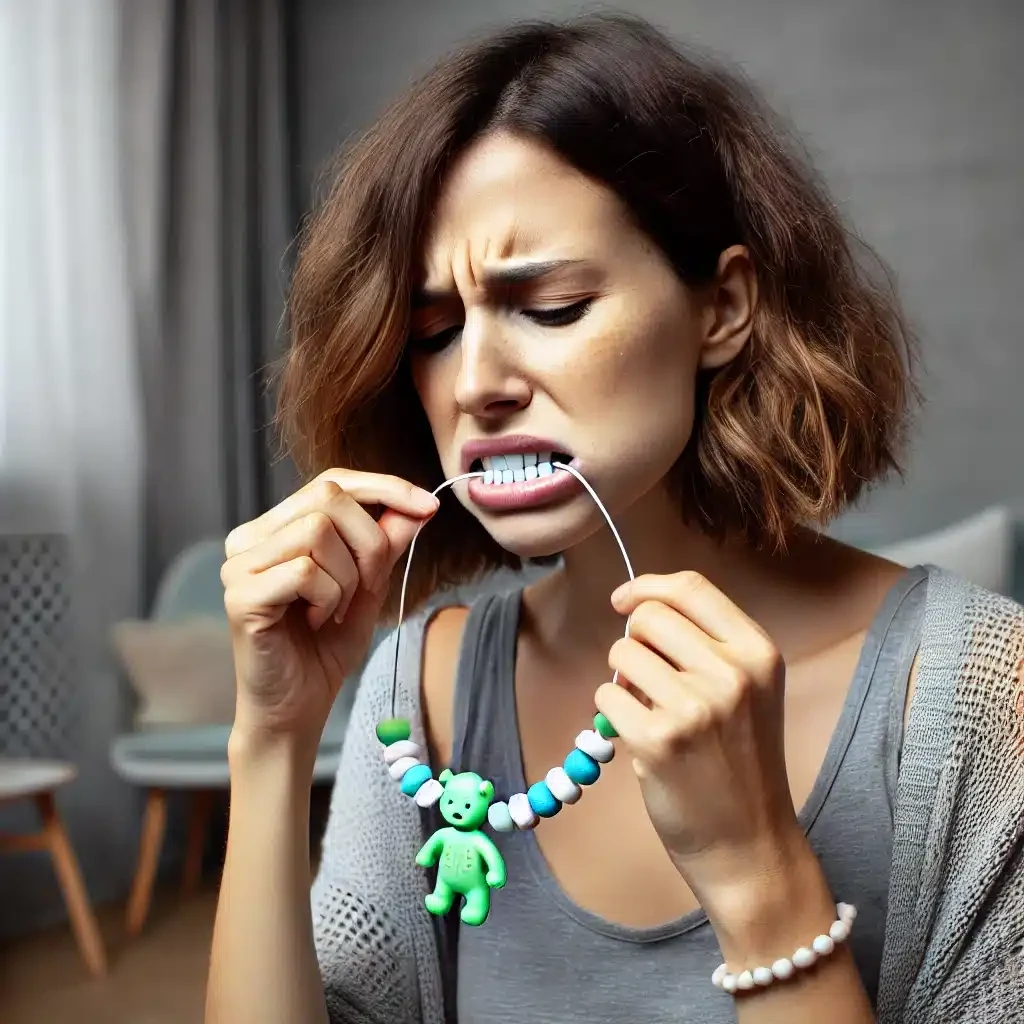
TLDR: A patient developed a compulsive chewing behavior when taking mixed amphetamine salts (MAS) for ADHD, highlighting the need to monitor for unusual side effects with stimulant use. Highlights: Patient Background: The patient is a 32-year-old woman with a…
Read article ↗
TLDR: A study in the UK found that severe COVID anxiety tends to decrease over 6 months from onset, both organically and with the help of CBT for Health Anxiety (CBT-HA), though many individuals still experience significant anxiety and poor social functioning,…
Read article ↗
Cold stimulus headache, commonly known as “brain freeze”, is a curious and understudied phenomenon that many of us have experienced when eating or drinking something cold too quickly. Though brief and benign, these headaches provide insight into how the brain…
Read article ↗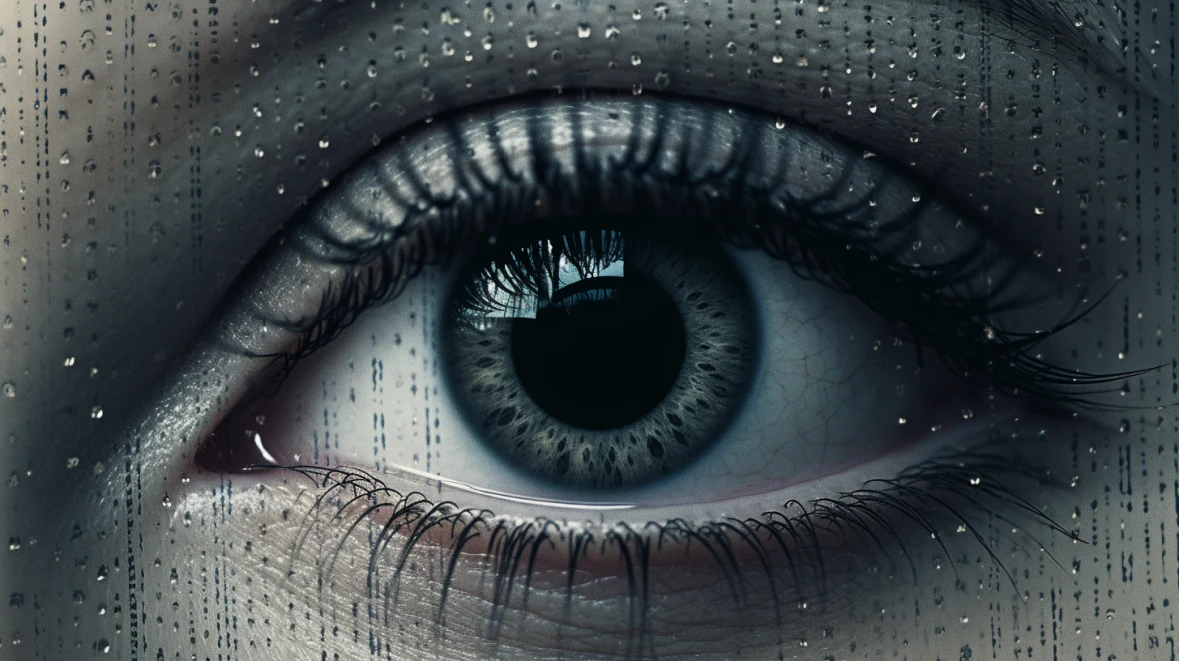
Visual snow syndrome (VSS) is a perplexing neurological condition characterized by seeing static-like flickering dots across the entire visual field. While much remains unknown about this rare disorder, research continues to uncover clues about potential cause…
Read article ↗
Tardive dyskinesia (TD) is an involuntary movement disorder caused by long-term use of antipsychotic medications. It involves repetitive, uncontrolled movements of the face, limbs or trunk. TD can be an unrelenting concern for patients and doctors due to its p…
Read article ↗
Cannabis hyperemesis syndrome (CHS) is a newly recognized condition causing severe nausea and vomiting in long-term cannabis users. Key facts about CHS: Repeated, uncontrollable vomiting is the main symptom Occurs in long-term heavy cannabis users Exact cause…
Read article ↗
Major depressive disorder (depression) is very common. It causes a lot of suffering and disability around the world. The good news is many people get better with medication, psychotherapy (talk therapy), or both. But for some people, depression just won’t go a…
Read article ↗