
New research demonstrates that repeated focused ultrasound treatments can have antidepressant-like effects in rats. The non-invasive technique was able to improve performance on a common test of depressive behaviors. While not a silver bullet solution, focused…
Read article ↗
Our brains contain around 100 billion neurons communicating through an intricate web of connections. This complex circuitry controls everything we think, feel, and do. But sometimes things can go wrong, leading to neurological disorders like epilepsy, Parkinso…
Read article ↗
Researchers have uncovered concerning links between excessive exercise and psychiatric problems like depression, ADHD, and childhood trauma. This sheds new light on the concerning phenomenon of exercise addiction. Key Facts: Individuals at risk for exercise ad…
Read article ↗
A new study published in BMC Psychiatry has found associations between childhood maltreatment and lower resilience in Chinese adults with major depressive disorder (MDD). Key findings include: Adults with depression who experienced childhood maltreatment had l…
Read article ↗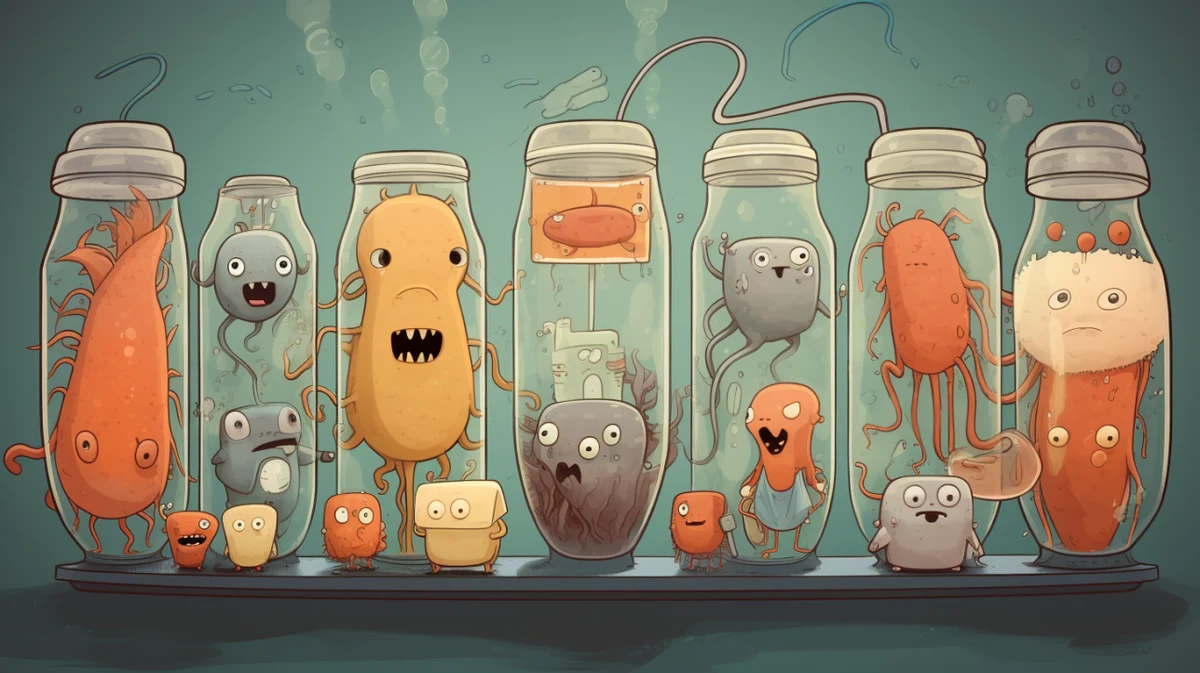
Fecal microbiota transplantation (FMT) shows potential as an effective new treatment for major depressive disorder (MDD). Key facts: FMT aims to restore a healthy gut microbiome which is thought to impact mood and mental health. Studies show links between gut…
Read article ↗
A new case-control study reveals an association between obesity, depression, and decreased levels of the protein neuregulin-1 (NRG-1). The research suggests NRG-1 may serve as a biomarker linking depression and obesity. Key facts: Depressive symptoms were more…
Read article ↗
Tattoos have become increasingly mainstream over the past few decades, evolving from symbols of counterculture and rebellion to a more widely accepted form of self-expression. A national Australian study published in 2012 sought to examine the prevalence and c…
Read article ↗
Major depressive disorder (MDD) is one of the most prevalent mental health conditions worldwide, yet its complex neurobiological underpinnings remain poorly understood. Emerging research implicates disturbances in neuronal apoptosis and neuroplasticity in the…
Read article ↗
A new study suggests higher levels of remnant cholesterol may increase the risk of depression. Remnant cholesterol is a type of lipoprotein that contains triglycerides and cholesterol and has been linked to atherosclerosis and cardiovascular disease. This larg…
Read article ↗
Major depressive disorder (MDD) is a highly prevalent and debilitating condition. Novel treatment approaches are needed, especially for individuals with treatment-resistant depression. This study investigated the effects of adjunctive minocycline on immune-inf…
Read article ↗