TL;DR: A 2026 Neuron study proposed that developing brain cells can gain positional information partly from lineage, because cells descended from the same progenitor tend to stay near one another as tissue grows. Key Findings Lineage as position signal: The mo…
Read article ↗
TL;DR: A 2026 fly study in IBRO Neuroscience Reports found that long-term rotenone exposure produced stronger survival, climbing, oxidative-stress, and late immune-gene disruption in male Drosophila than in female flies. Key Findings 90 flies per sex were trac…
Read article ↗
TL;DR: A 2026 Communications Biology transcriptomic analysis identified three molecular subtypes of autism spectrum disorder, each linked to a distinct phenotypic profile and biological pathway pattern. Key Findings Three molecular subtypes emerged from transc…
Read article ↗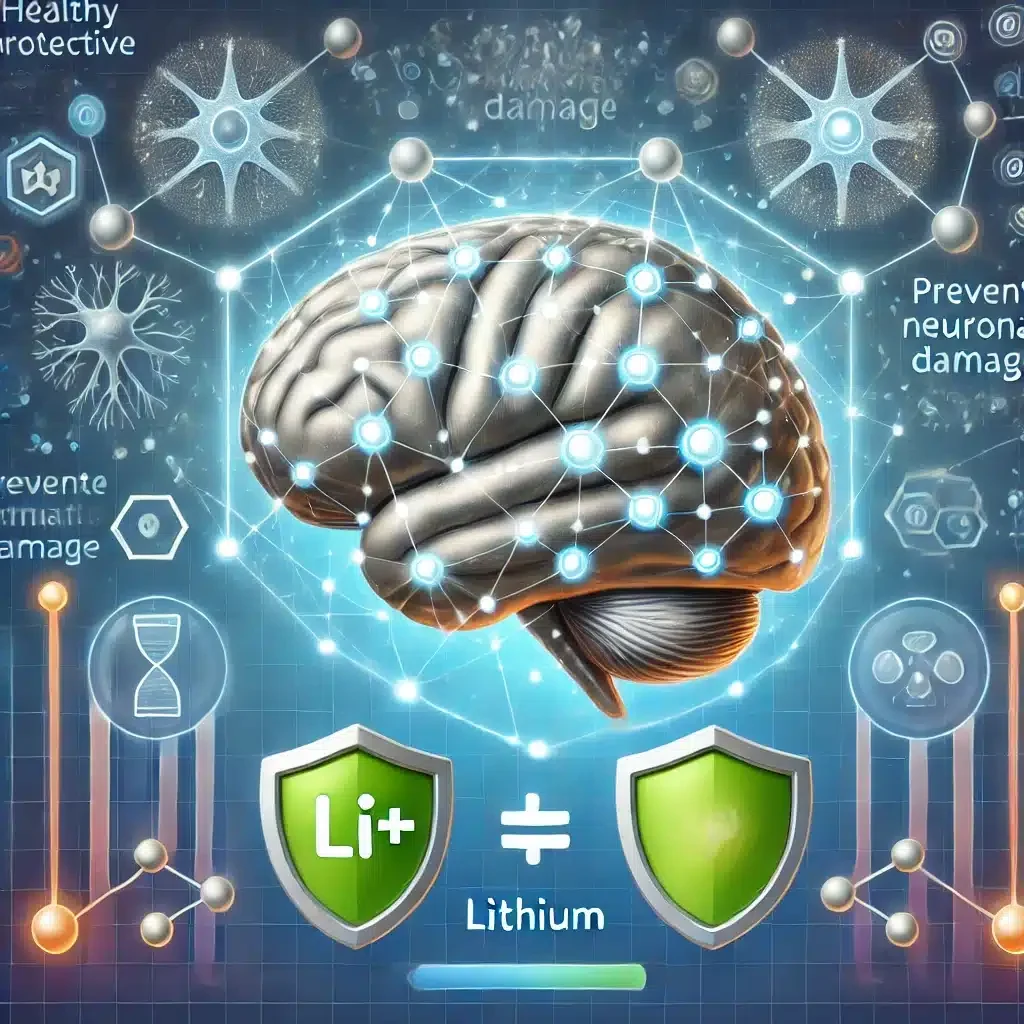
Lithium shows promise in treating traumatic brain injury (TBI) by mitigating neuroinflammation, protecting against neuronal damage, and improving cognitive functions. Highlights: Neuroprotective Mechanisms: Lithium’s therapeutic effects involve complex molecul…
Read article ↗
Major depressive disorder (MDD) is one of the most prevalent mental health conditions worldwide, yet its complex neurobiological underpinnings remain poorly understood. Emerging research implicates disturbances in neuronal apoptosis and neuroplasticity in the…
Read article ↗
A new study published in Brain Sciences has uncovered important epigenetic differences in a group of Mexican children diagnosed with autism spectrum disorder (ASD) compared to neurotypical controls. The research provides new insights into the complex interplay…
Read article ↗