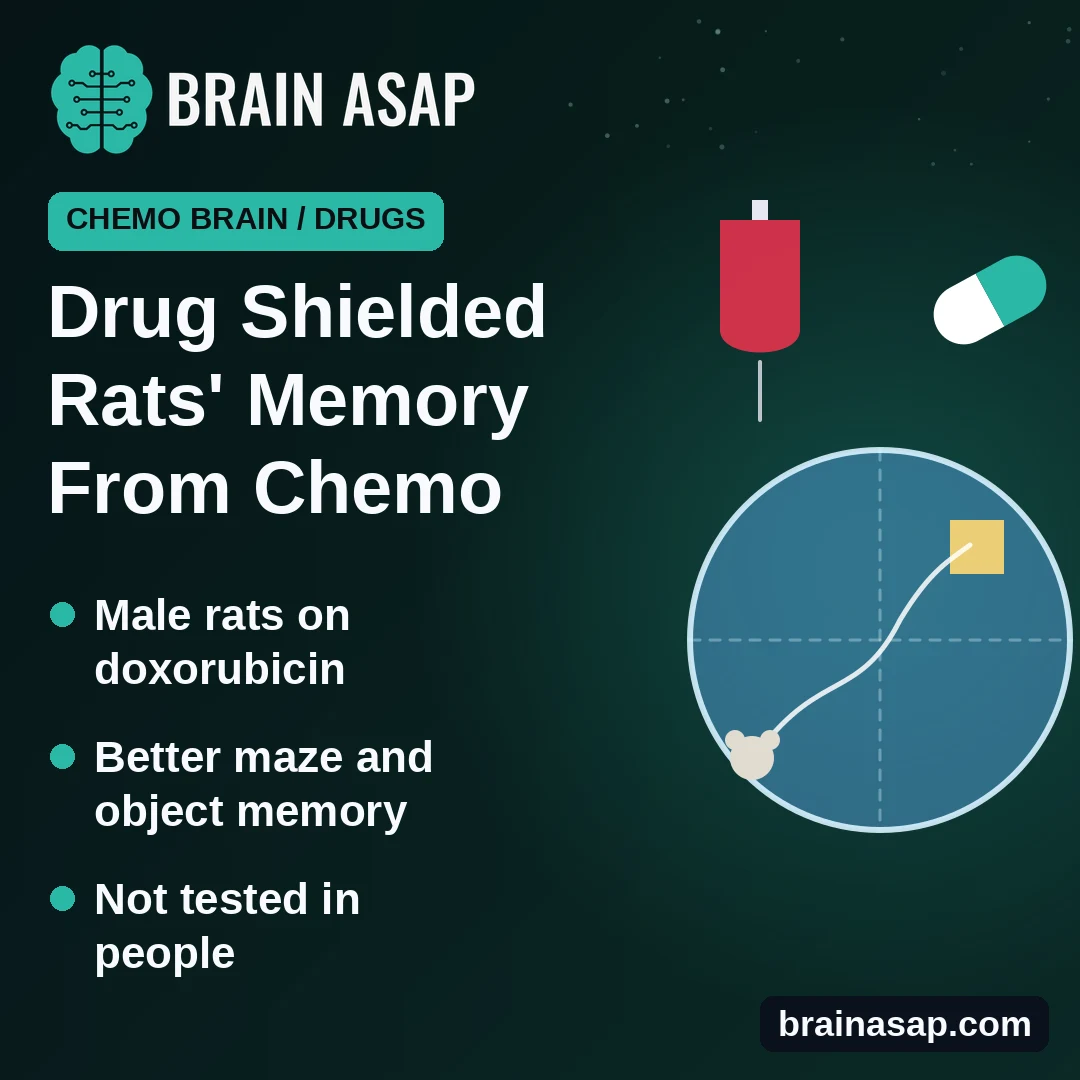
TL;DR: In rats given the chemotherapy drug doxorubicin, which caused memory problems, adding the antipsychotic lurasidone protected memory on maze and object tests. This was a prevention study in male rats, not a treatment for people with “chemo brain.” Key Fi…
Read article ↗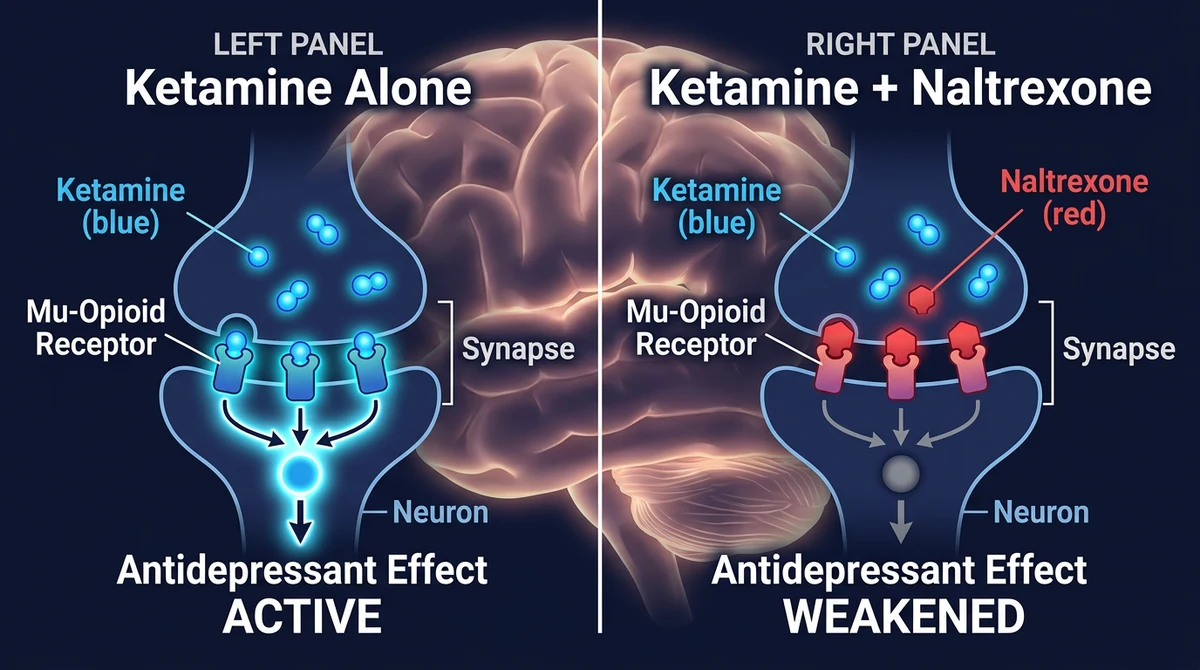
Opioid System Activation is Required for Ketamine’s Antidepressant Effects Ketamine is fast—a single subanesthetic infusion reduces severe depression symptoms within hours, not weeks. But the mechanism remains incompletely understood. For nearly two decades, r…
Read article ↗
Repurposing general anesthetic drugs like ketamine for the treatment of major depression represents a significant medical advancement – showcasing rapid and sustained antidepressant effects. Highlights: Rapid Antidepressant Effects: Ketamine, nitrous oxide, pr…
Read article ↗
Researchers uncover a surprising molecular mechanism that explains ketamine’s exceptionally long-lasting antidepressant effects. Key Facts: Ketamine’s antidepressant effects last for days after its concentration drops to low, ineffective levels only an hour af…
Read article ↗
Major depressive disorder (MDD) is a global health crisis affecting over 300 million people. While available antidepressants help some patients, treatment is far from satisfactory for many. Exciting research into rapid-acting agents like ketamine and psilocybi…
Read article ↗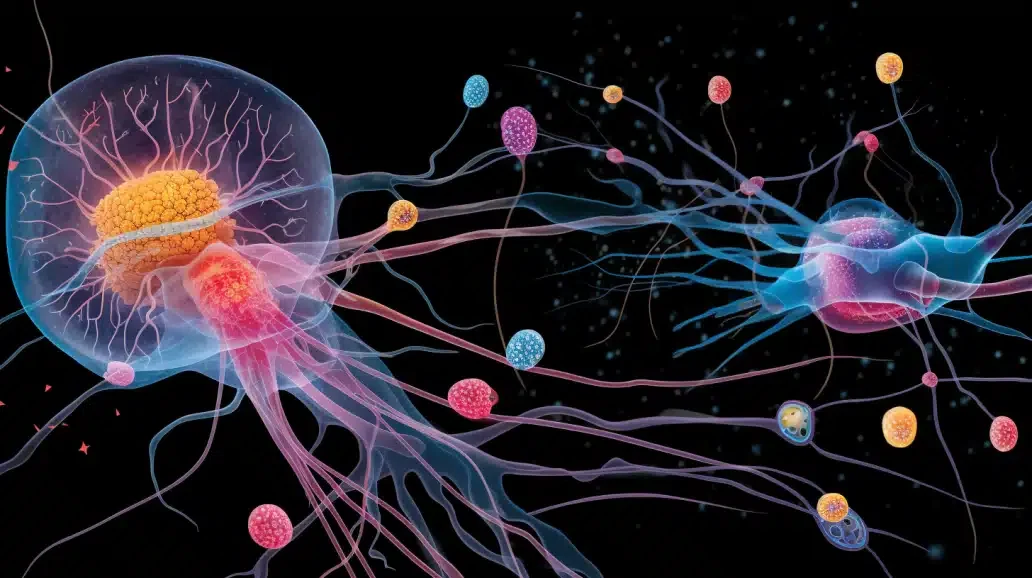
Depression affects over 300 million people globally. Current antidepressants have limited efficacy and slow onset of action. New research shows promise for compounds targeting metabotropic glutamate receptors 2 and 3 (mGluR2/3) as fast-acting antidepressants w…
Read article ↗
Food provides the building blocks for our mental and physical health. New research reveals that many common foods supply key neurotransmitters that regulate brain and nervous system function. Understanding how our diet provides these crucial molecules opens up…
Read article ↗
Big picture: Psychoplastogens are a groundbreaking new class of psychoactive compounds that rapidly induce structural and functional changes in the brain, allowing pathological neural circuits to be rewired for therapeutic benefit. Key facts about psychoplasto…
Read article ↗
While regulatory agencies consider MSG safe, some studies have questioned its health effects. Key Facts: MSG provides umami taste and enhances palatability as a flavor enhancer Animal studies link high dose MSG to cardiotoxicity, hepatotoxicity, neurotoxicity,…
Read article ↗
Monosodium glutamate (MSG) is a common food additive used to enhance flavor. But there have been long-standing concerns that MSG could be harmful to the brain. Key Facts: MSG is the sodium salt of glutamate, an amino acid that functions as an excitatory neurot…
Read article ↗