Probiotics and prebiotics show potential benefits in improving symptoms and quality of life in children with ADHD, but more extensive studies are needed to confirm these effects. Highlights: Positive Impact on Functioning: Lactobacillus rhamnosus GG (LGG) supp…
Read article ↗
Gut microbiota may influence epilepsy, but the exact mechanisms and involved microbiota are unclear, with potential treatments including ketogenic diets, probiotics, and fecal microbiota transplants being explored. Highlights: Approximately 33% of epilepsy pat…
Read article ↗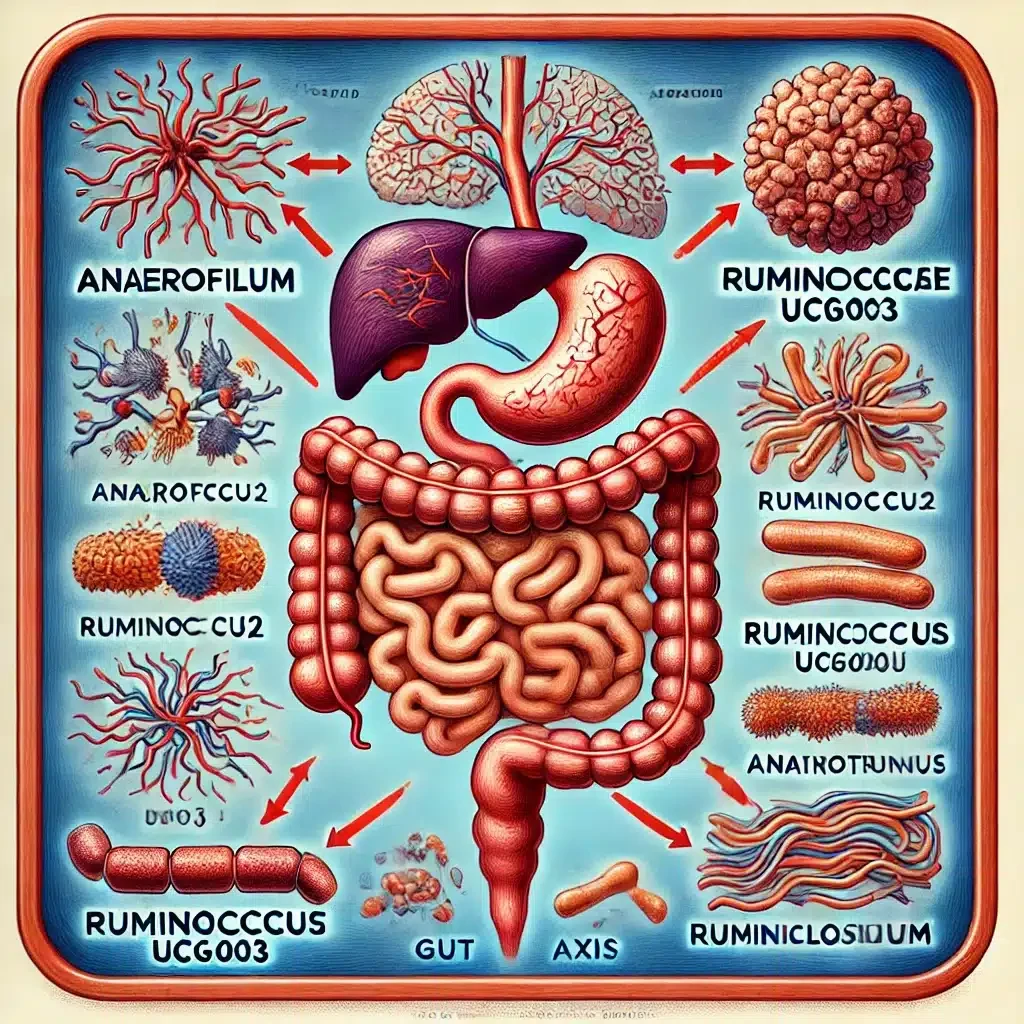
A Mendelian randomization study identified five gut microbiota taxa with potential causal effects on multiple sclerosis (MS), highlighting new avenues for understanding and treating the disease. Highlights: Causal Associations Identified: The study identified…
Read article ↗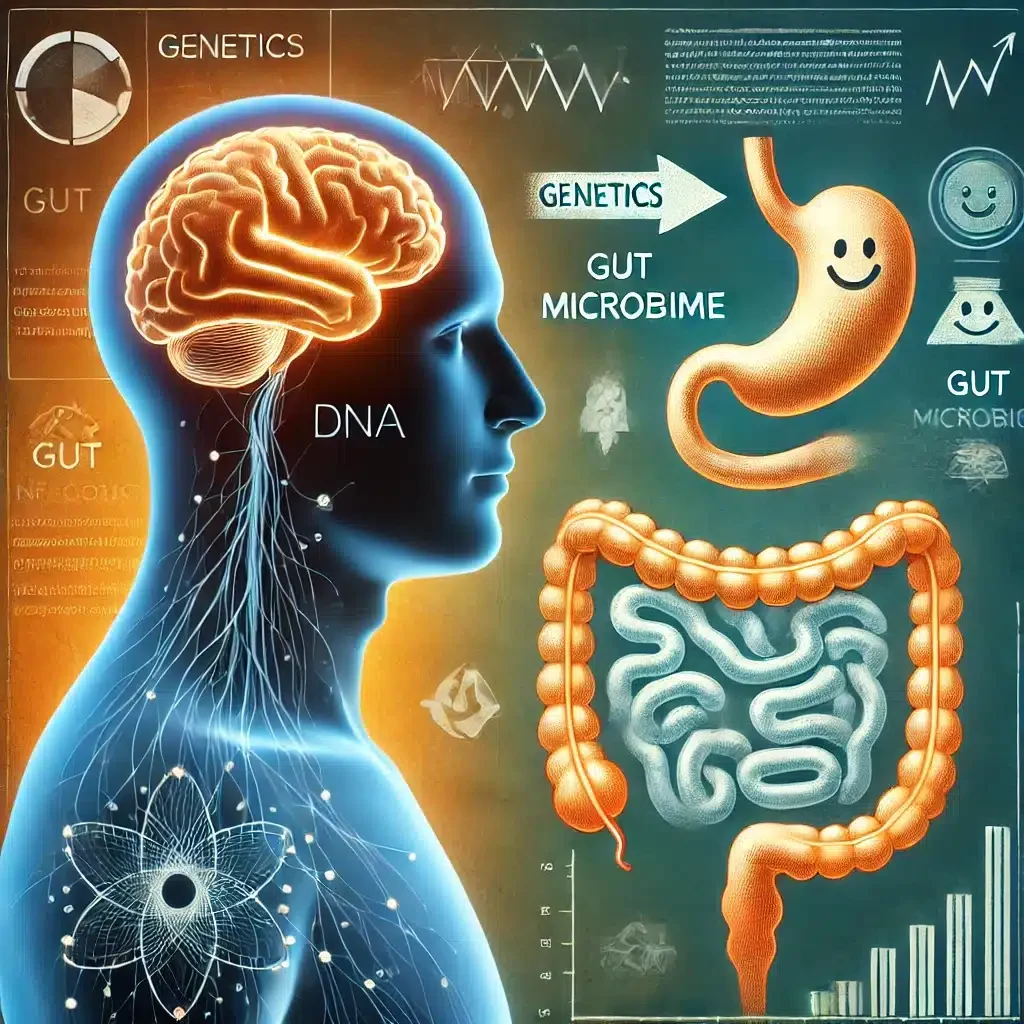
Alterations in the gut microbiome are causally linked to major depressive disorder (MDD), with certain gut bacteria either increasing or decreasing the risk of developing MDD. Highlights: Protective Bacteria: Ten gut bacterial taxa, including phylum Actinobact…
Read article ↗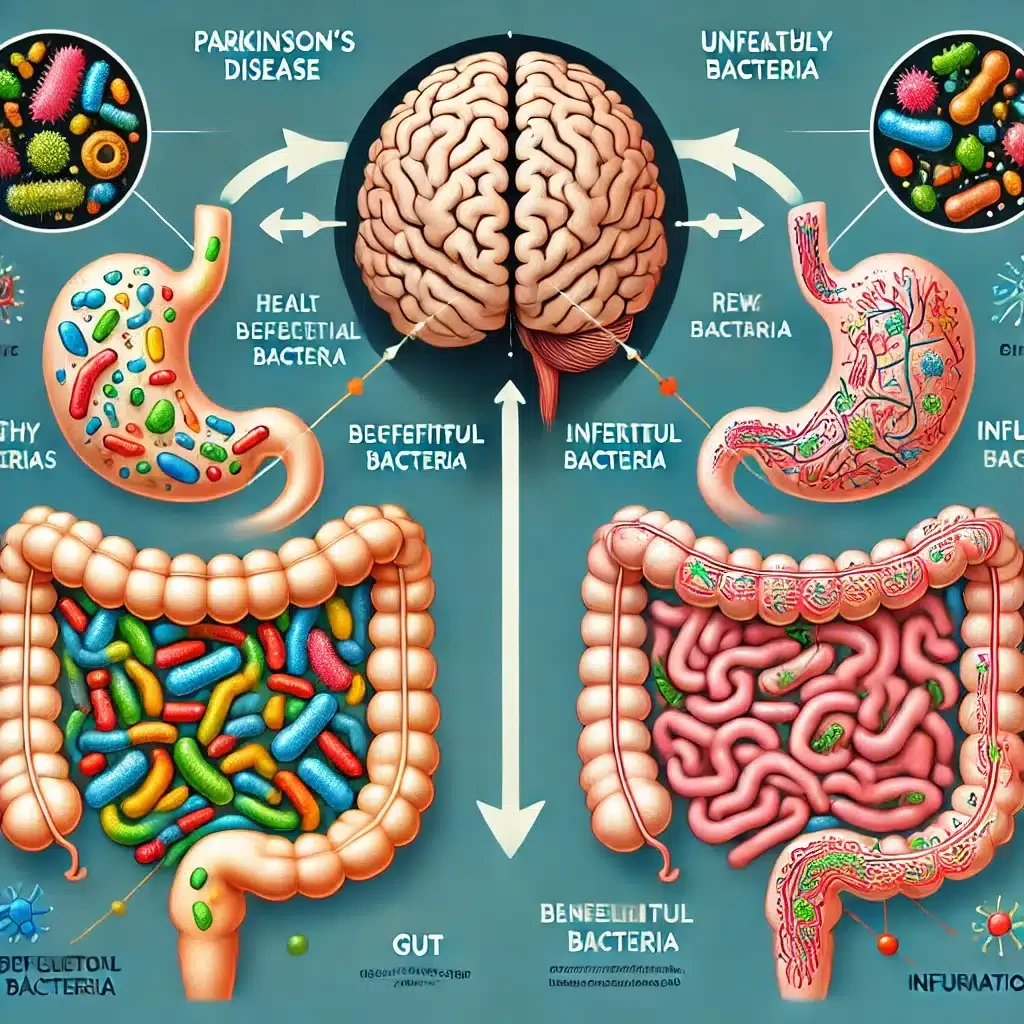
TLDR: A study identified specific gut microbial features in Parkinson’s disease (PD) across different countries, highlighting increased α-diversity, altered bacterial species, and decreased metabolites in PD patients. Highlights: Increased α-Diversity: The stu…
Read article ↗
Fecal microbiota transplantation (FMT) shows potential as an effective new treatment for major depressive disorder (MDD). Key facts: FMT aims to restore a healthy gut microbiome which is thought to impact mood and mental health. Studies show links between gut…
Read article ↗