A study found shared brain-specific mechanisms between Alzheimer’s disease (AD) and depression, particularly involving synaptic signaling and immune system pathways in the hippocampus, but no direct genetic overlap. Highlights: Six brain-specific eQTL genes (S…
Read article ↗
Repurposing general anesthetic drugs like ketamine for the treatment of major depression represents a significant medical advancement – showcasing rapid and sustained antidepressant effects. Highlights: Rapid Antidepressant Effects: Ketamine, nitrous oxide, pr…
Read article ↗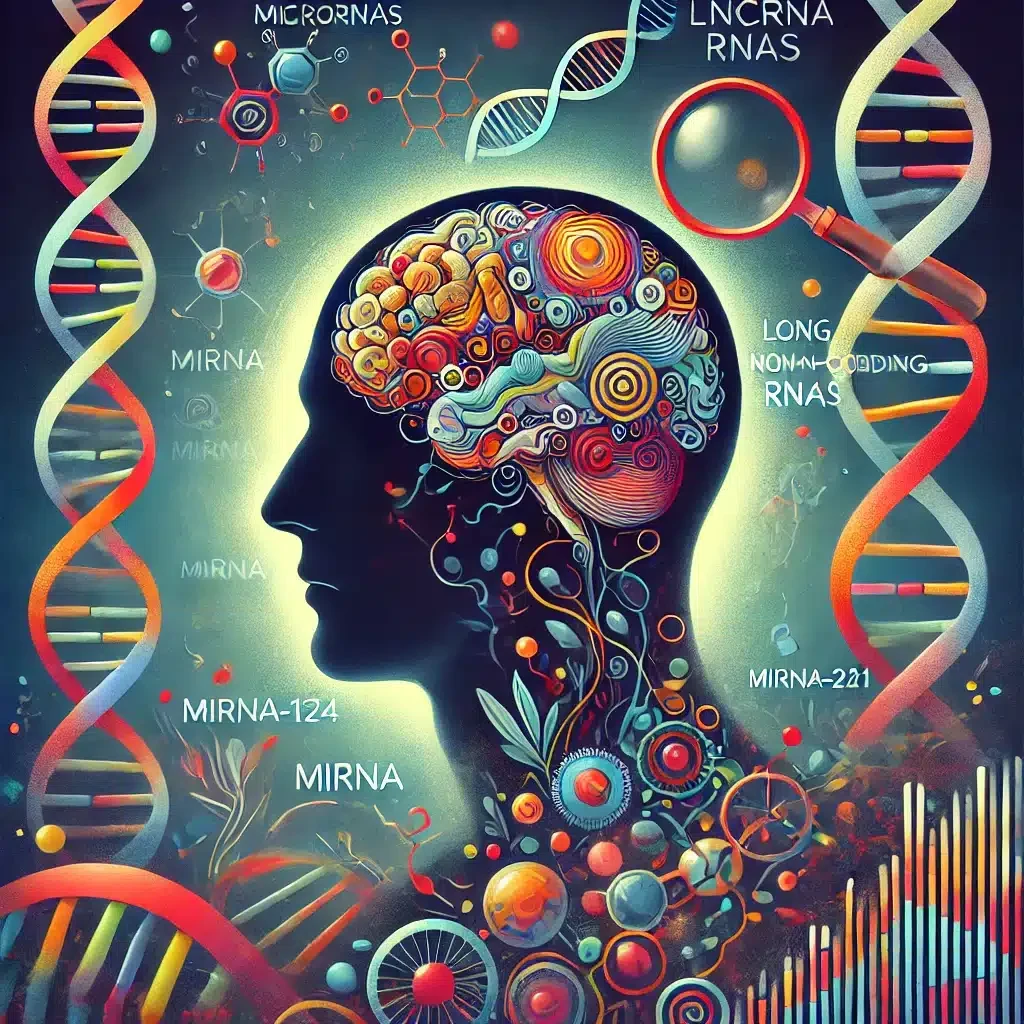
The study suggests that microRNAs (miRNAs) and long non-coding RNAs (lncRNAs) in blood and brain tissues can serve as significant biomarkers for diagnosing and monitoring major depressive disorder (MDD). Highlights: Diagnostic Potential: miRNAs and lncRNAs sho…
Read article ↗
Transcranial magnetic stimulation (TMS) is underutilized in treating major depressive disorder (MDD) despite showing significant clinical benefits, with barriers including insurance coverage and limited access. Highlights: Study Scope: Analyzed real-world data…
Read article ↗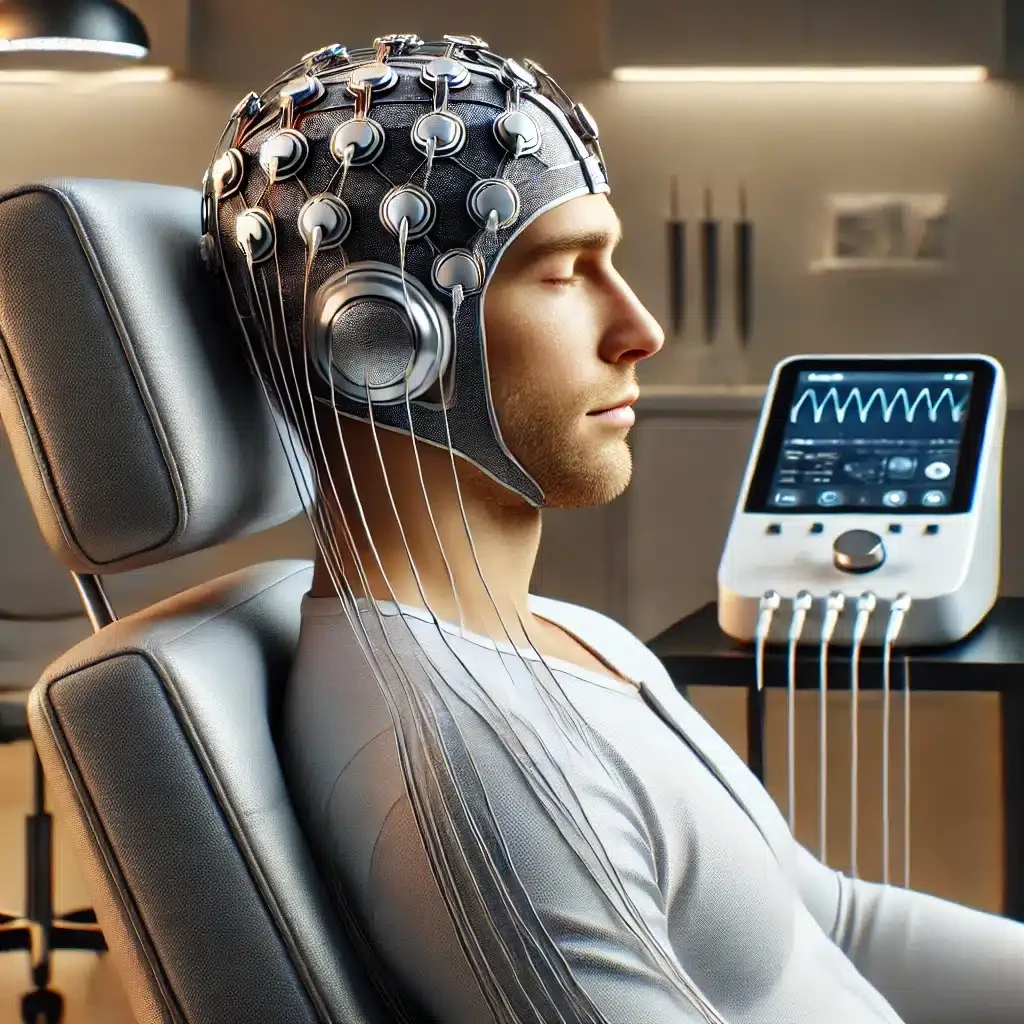
Adding transcranial alternating current stimulation (tACS) to antidepressant treatment improves depression symptoms more effectively than using antidepressants alone. Highlights: Enhanced Efficacy: tACS combined with antidepressants significantly reduces depre…
Read article ↗
Major depressive disorder (MDD) involves a topographic reorganization of brain activity from sensory to associative regions, affecting symptom co-occurrence through changes in neural dynamics and excitation-inhibition balance. Highlights: Topographic Reorganiz…
Read article ↗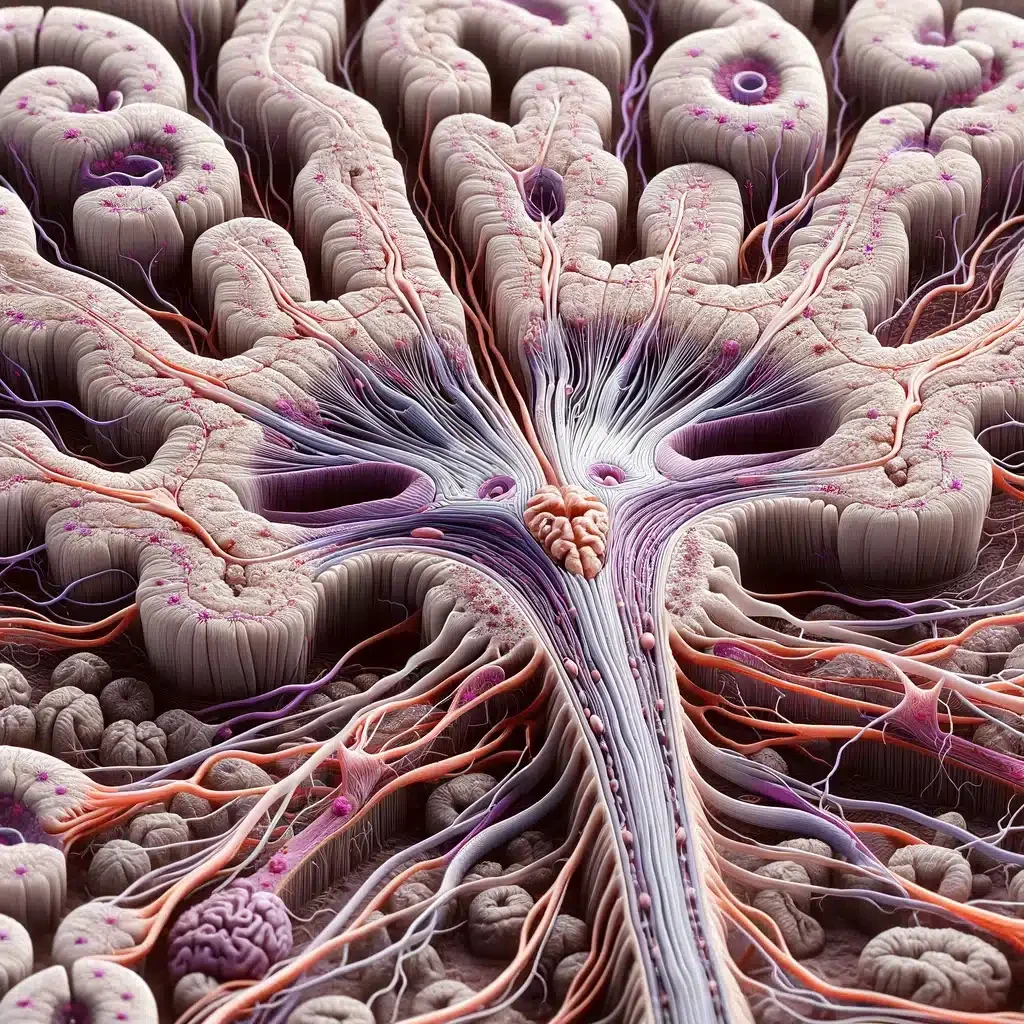
A study used a 7-Tesla MRI to discover that major depressive disorder (MDD) is linked to lower intracortical myelination, particularly in brain regions associated with negative emotions. Highlights: Advanced MRI: The study used Ultra-High Field MRI at 7.0 Tesl…
Read article ↗
TLDR: Esketamine nasal spray, combined with standard antidepressant therapy, significantly improves remission rates and reduces time to remission in adults with major depressive disorder (MDD) and acute suicidality compared to standard care alone. Highlights:…
Read article ↗
Antidepressant use has risen steadily for 30 years. Over 10% of adults in England now take them long-term, but evidence suggests up to half lack clear medical justification to continue. Patients and doctors are reluctant to stop treatment due to fears of relap…
Read article ↗
A large review of research found that talk therapy works about as well as antidepressant medications for treating depression. The study also looked at other non-drug options, like exercise. While benefits were similar across treatments, side effects differed.…
Read article ↗