TL;DR: A 2026 Psychological Medicine meta-analysis of 109 studies linked parental severe mental illness, especially schizophrenia and bipolar disorder, to lower cognitive performance in offspring across IQ, language, memory, executive function, and general cog…
Read article ↗
TL;DR: A 2026 biomarker analysis in Brain, Behavior, & Immunity – Health across antidepressant trials found that kynurenine pathway metabolites were elevated in inflammatory depression compared with non-inflammatory depression and healthy controls, while omega…
Read article ↗
TL;DR: A 2026 medRxiv preprint found that serum hydrogen sulfide (H2S) levels, a blood measure tied to brain signaling and inflammation biology, were about 7.7-fold lower in drug-naive major depressive disorder patients than in matched controls. Key Findings 1…
Read article ↗
Ethanolamine Looked Like a Depression Biomarker and Treatment Target TL;DR: In a 380-person cerebrospinal fluid dataset, patients with active major depression had lower ethanolamine levels than controls, those levels rose after electroconvulsive therapy, and p…
Read article ↗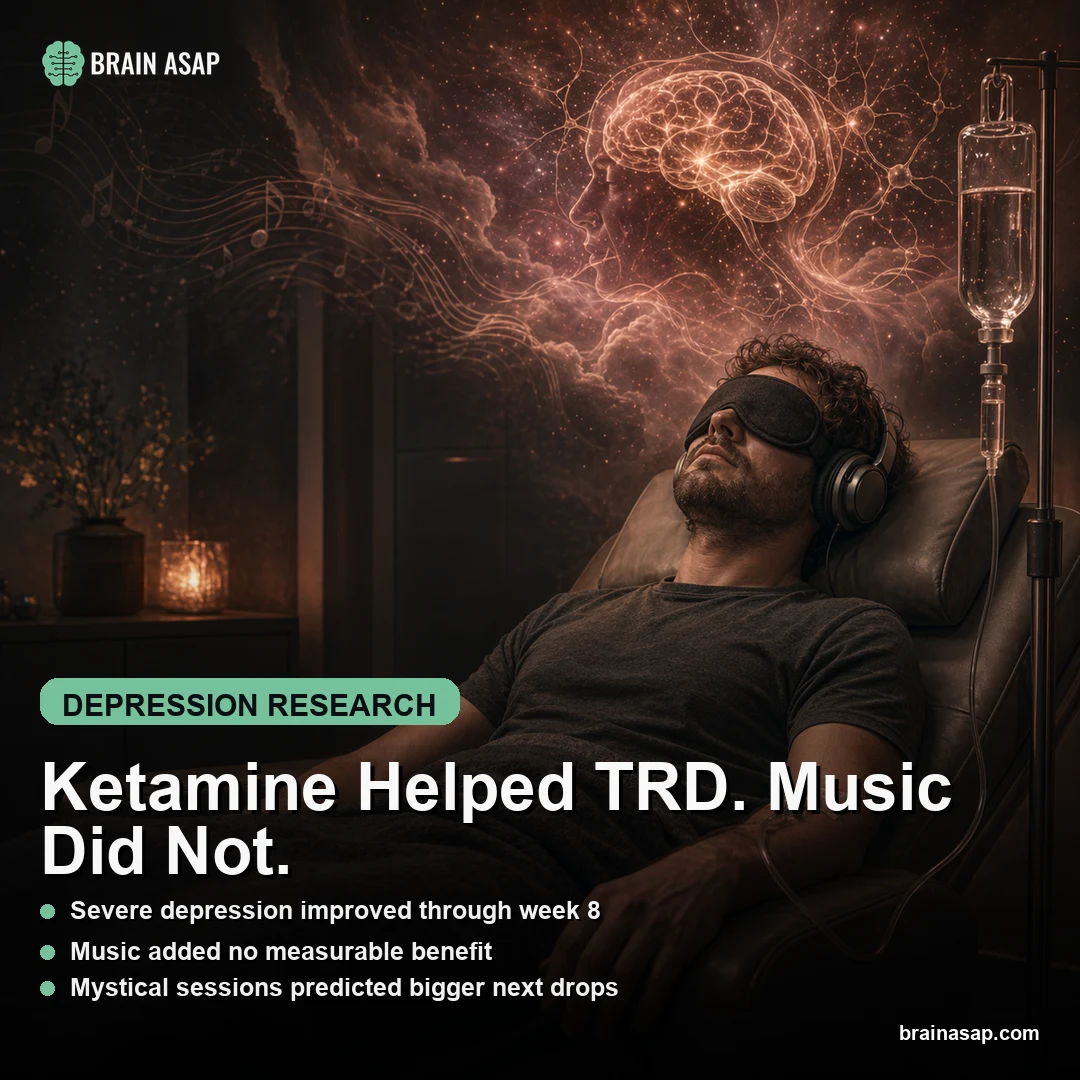
TL;DR: A 2026 randomized trial in The British Journal of Psychiatry found 6 ketamine infusions improved severe treatment-resistant depression, but curated music added no measurable benefit; higher mystical-experience scores still predicted the next session’s d…
Read article ↗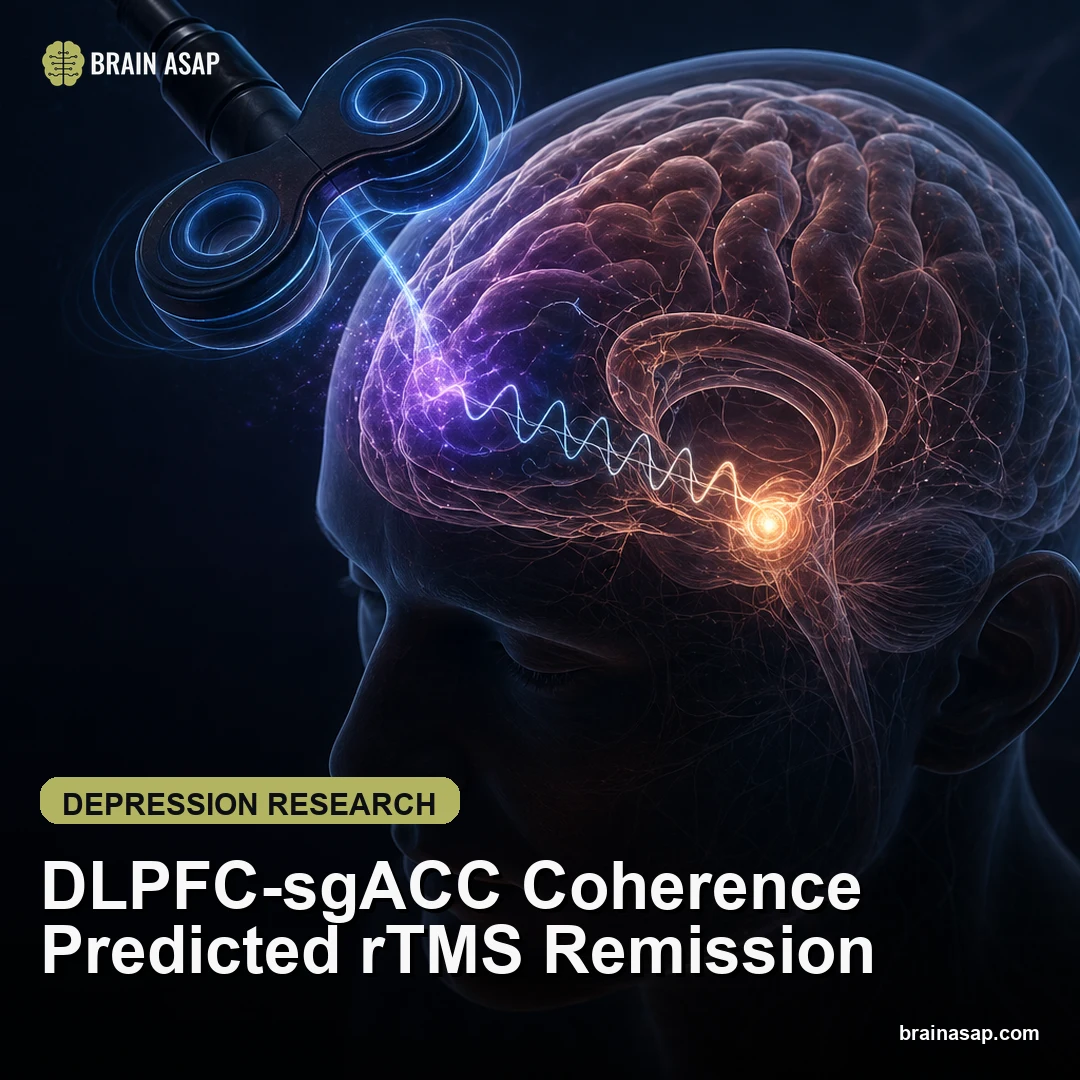
DLPFC-sgACC Circuit Signal Predicted rTMS Remission TL;DR: Before starting rTMS, patients who later remitted from depression showed lower alpha-band connectivity flowing from the DLPFC to the subgenual cingulate — pointing toward a measurable EEG marker that c…
Read article ↗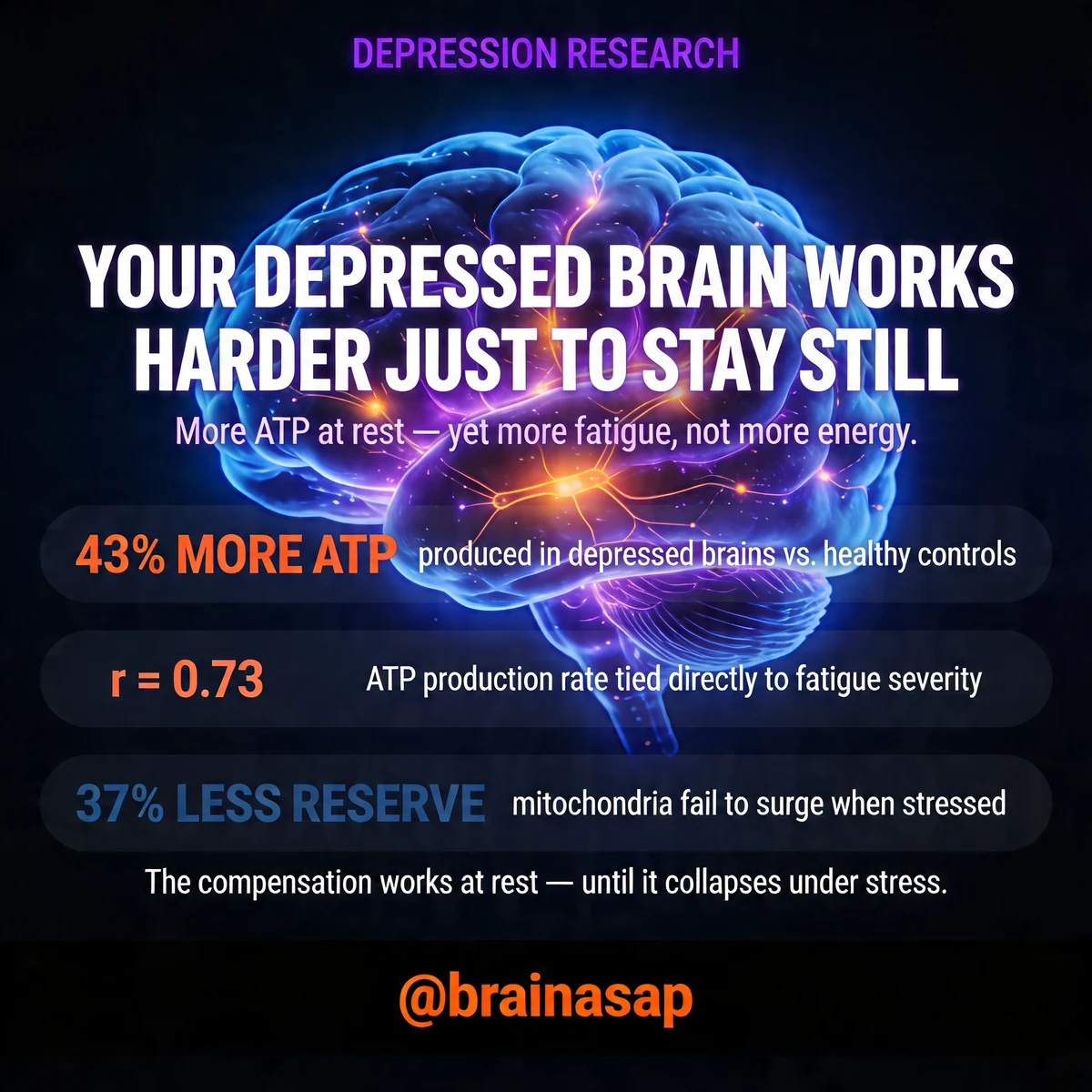
The Energy Paradox: Why Depressed Brains Burn Faster TL;DR: Young adults with depression produce ATP—the cell’s energy currency—at faster rates in both brain and blood, yet still feel more fatigued. New research reveals this is a compensatory mechanism that wo…
Read article ↗
Elevated fingernail cortisol levels can distinguish individuals with lifetime major depressive disorder (MDD) from healthy controls, suggesting it as a promising biomarker for MDD. Highlights: Individuals with lifetime MDD had significantly higher fingernail c…
Read article ↗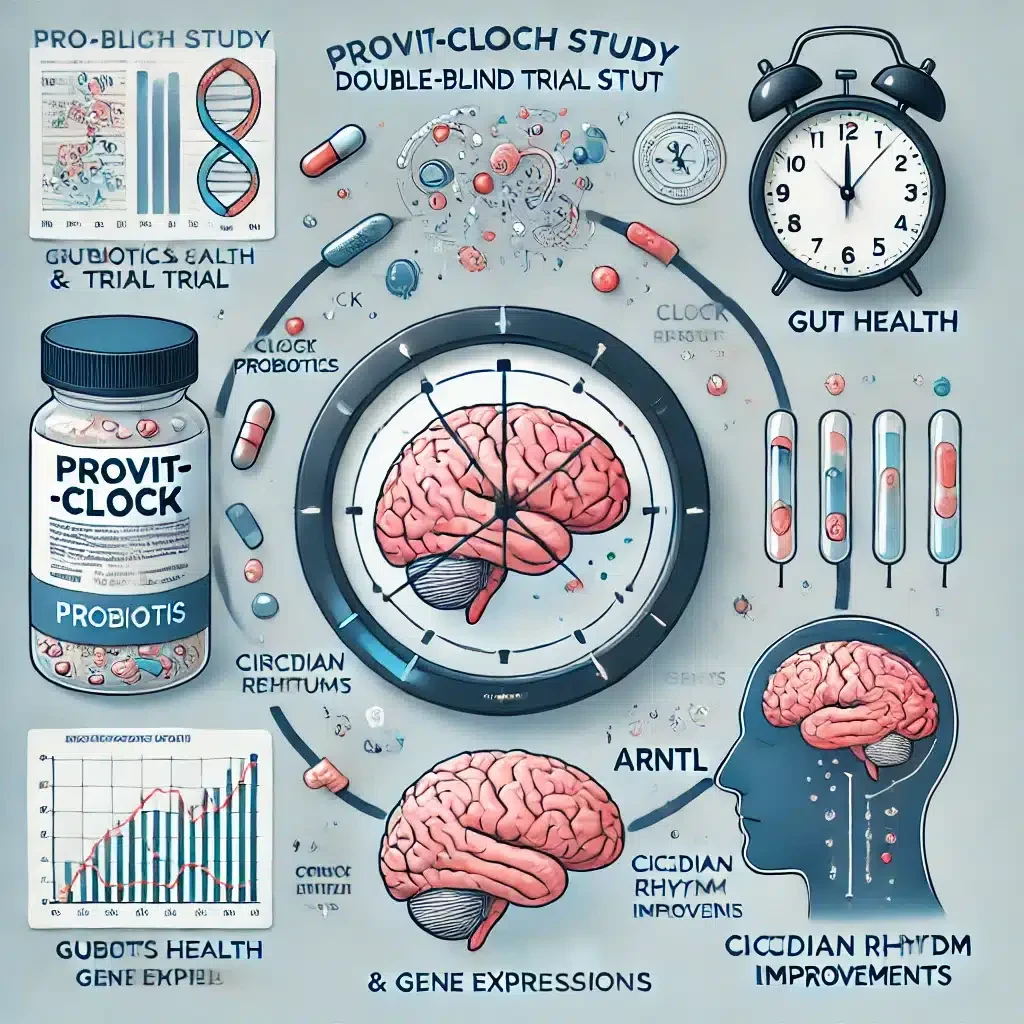
Probiotic treatment may influence core clock gene expression and metabolites in individuals with major depressive disorder (MDD), potentially linking gut microbiota to circadian rhythms and mood regulation. Highlights: CLOCK Gene Expression: The expression lev…
Read article ↗
CYP2C19 poor metabolizers showed a nominally higher antidepressant remission rate compared to normal metabolizers, but overall genetic variations in CYP2C19 and CYP2D6 were not significantly associated with antidepressant response. Highlights: Higher Remission…
Read article ↗