TL;DR: A 2026 narrative review in Clinical Drug Investigation argued that desvenlafaxine, a serotonin-noradrenaline reuptake inhibitor (SNRI), may be a first-line major depressive disorder option for selected patients, especially when fatigue, cognitive compla…
Read article ↗
TL;DR: A 2026 study in Behavior Genetics found that combining major depressive disorder and alcohol use disorder polygenic scores improved prediction of their comorbidity in 7,965 Add Health participants, but added little for either condition alone. Key Findin…
Read article ↗
TL;DR: A 2026 study in Annals of General Psychiatry found that, among 457 adults with recurrent major depressive disorder in Pakistan, escitalopram was the most common single antidepressant and reported side effects varied sharply by drug class. Key Findings C…
Read article ↗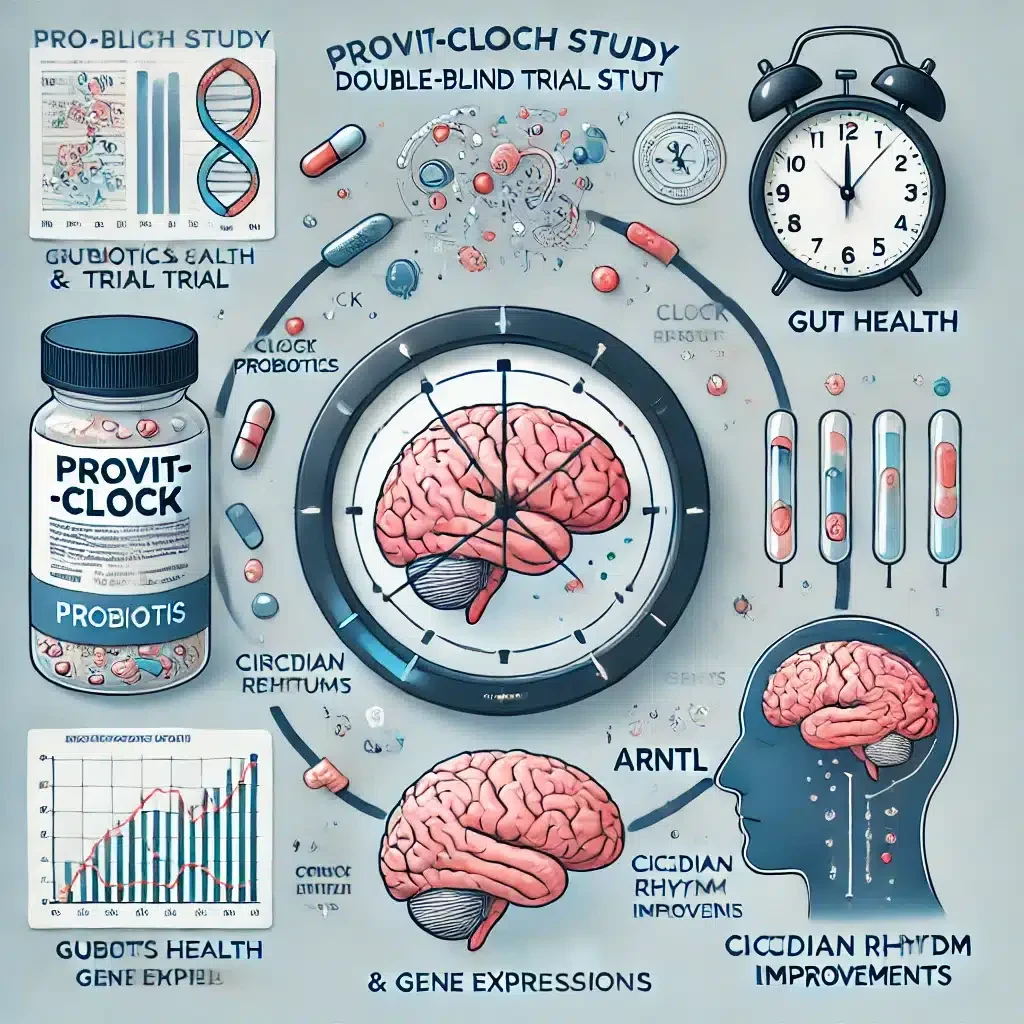
Probiotic treatment may influence core clock gene expression and metabolites in individuals with major depressive disorder (MDD), potentially linking gut microbiota to circadian rhythms and mood regulation. Highlights: CLOCK Gene Expression: The expression lev…
Read article ↗
A study found shared brain-specific mechanisms between Alzheimer’s disease (AD) and depression, particularly involving synaptic signaling and immune system pathways in the hippocampus, but no direct genetic overlap. Highlights: Six brain-specific eQTL genes (S…
Read article ↗
Repurposing general anesthetic drugs like ketamine for the treatment of major depression represents a significant medical advancement – showcasing rapid and sustained antidepressant effects. Highlights: Rapid Antidepressant Effects: Ketamine, nitrous oxide, pr…
Read article ↗
A large review of research found that talk therapy works about as well as antidepressant medications for treating depression. The study also looked at other non-drug options, like exercise. While benefits were similar across treatments, side effects differed.…
Read article ↗
The NLRP3 inflammasome is increasingly being recognized as a mediator between inflammation and depression. Targeting this molecular complex shows promise for developing new antidepressant therapies. Key Facts: The NLRP3 inflammasome is made up of NLRP3, ASC, a…
Read article ↗
Researchers conducted a comprehensive analysis comparing 20 antidepressants to identify the most effective options for preventing relapse in patients with major depressive disorder (MDD). Their findings suggest desvenlafaxine, paroxetine, venlafaxine and vorti…
Read article ↗
A new study published in the journal Mædica – a Journal of Clinical Medicine compared the antidepressant effects of modafinil versus citalopram for treating major depressive disorder (MDD). The medications were equally effective at reducing depressive symptoms…
Read article ↗