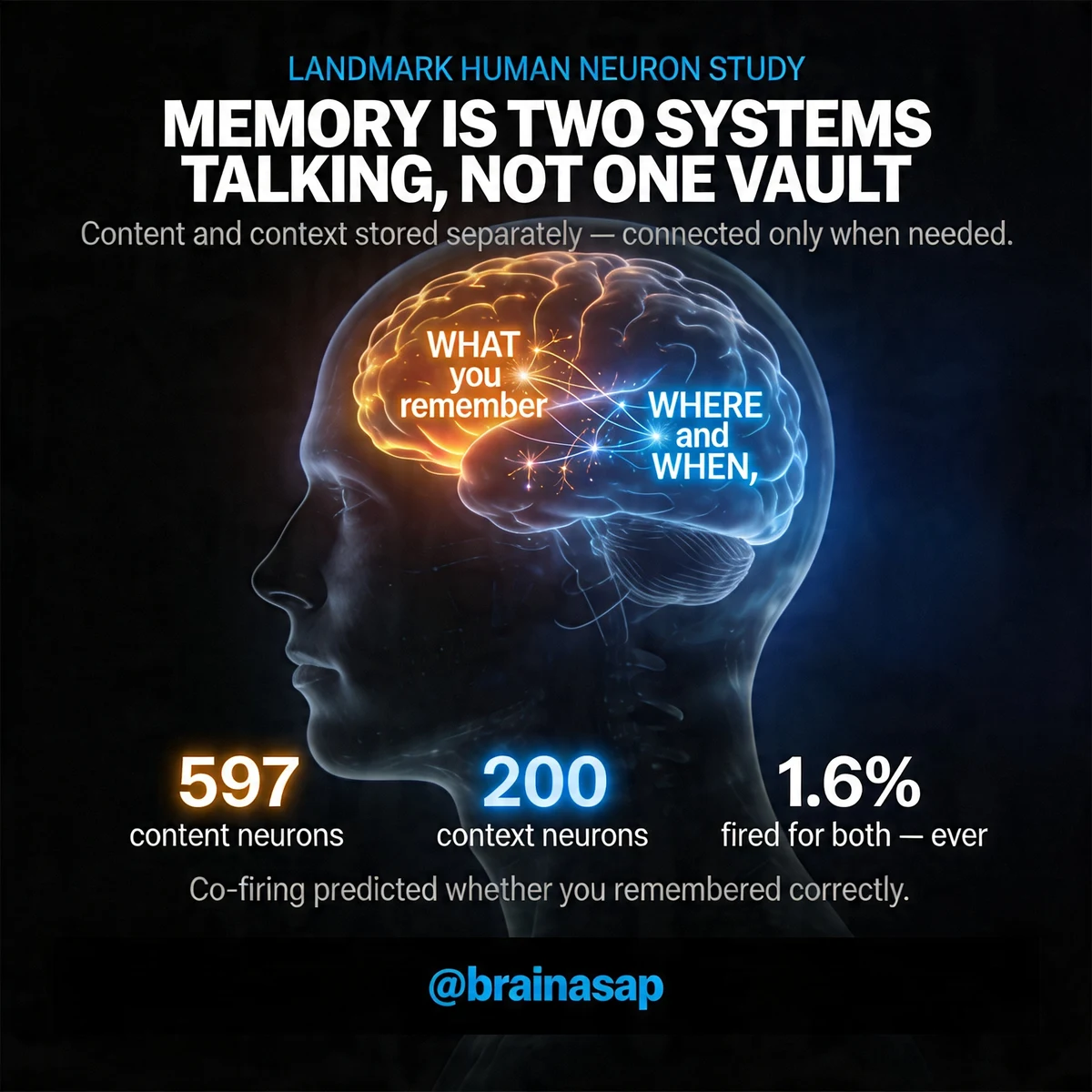
How the Brain Separates What We Remember from Why We Remember It TL;DR: The brain stores content (what you remember) and context (when/where) in separate neural populations linked by real-time coordination, not pre-wired conjunctive cells—a design that trades…
Read article ↗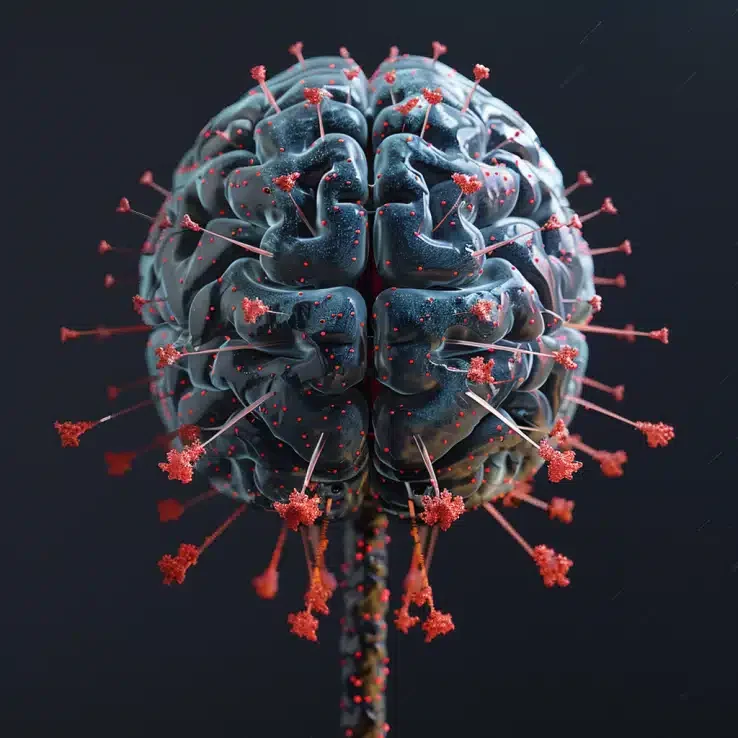
Guanfacine extended release (GXR) may effectively improve cognitive impairments and brain activity in long-COVID patients. Highlights: Patient Presentation: A 32-year-old woman experienced cognitive impairments such as difficulty in word recall, reading, and w…
Read article ↗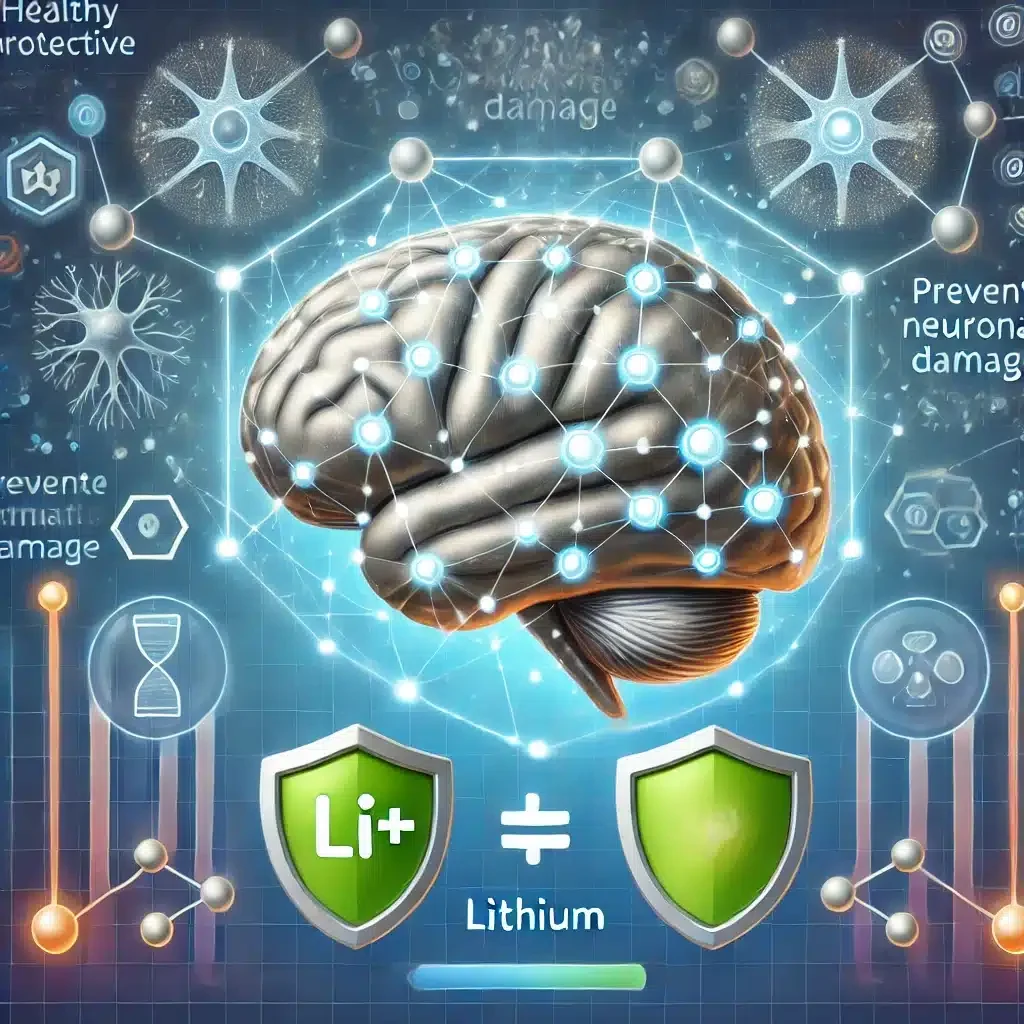
Lithium shows promise in treating traumatic brain injury (TBI) by mitigating neuroinflammation, protecting against neuronal damage, and improving cognitive functions. Highlights: Neuroprotective Mechanisms: Lithium’s therapeutic effects involve complex molecul…
Read article ↗
Estradiol enhances memory and other aspects of cognition in animals and humans, but translating the research into effective hormone replacement therapies (HRTs) has faced challenges. Recent developments indicate multiple mechanisms, along with some key facts:…
Read article ↗
A large new study finds that exposure to common industrial solvents on the job is associated with reduced cognitive performance, especially in men. Key findings show: Men exposed to solvents like gasoline, trichlorethylene, white spirit or cellulosic thinners…
Read article ↗
A new study published in Scientific Reports provides insight into which memory training techniques are most effective at improving working memory. The research compared an adaptive n-back training task to the memory palace technique over 20 days of training. B…
Read article ↗
A new systematic review published in BMC Geriatrics suggests that supplementing with medium-chain triglycerides (MCTs) may provide cognitive benefits for older adults without dementia. MCTs are a type of fatty acid found in foods like coconut oil and palm kern…
Read article ↗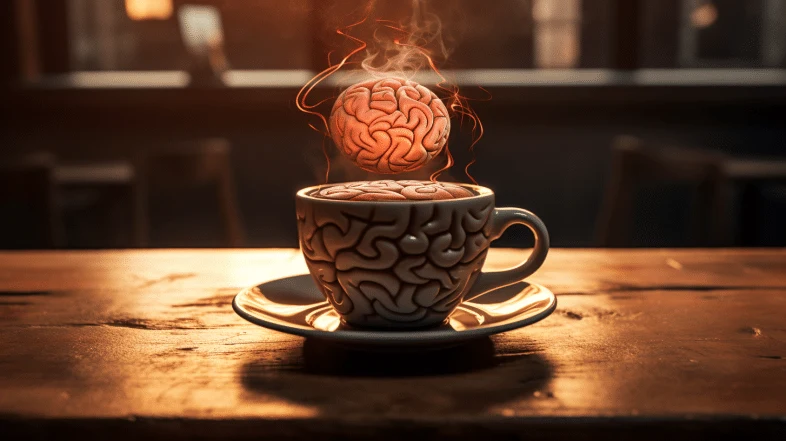
A new study finds that drinking a small amount of caffeine in the morning may improve alertness, memory, and attention in healthy young men. The caffeine dose was equivalent to about one cup of coffee. Key Facts: 25 healthy young men drank either a placebo or…
Read article ↗
Groundbreaking new research challenges decades of accepted neuroscience dogma on how memories are formed in the brain. The study provides strong evidence that the induction of long-term potentiation (LTP), widely believed to be the cellular mechanism underlyin…
Read article ↗