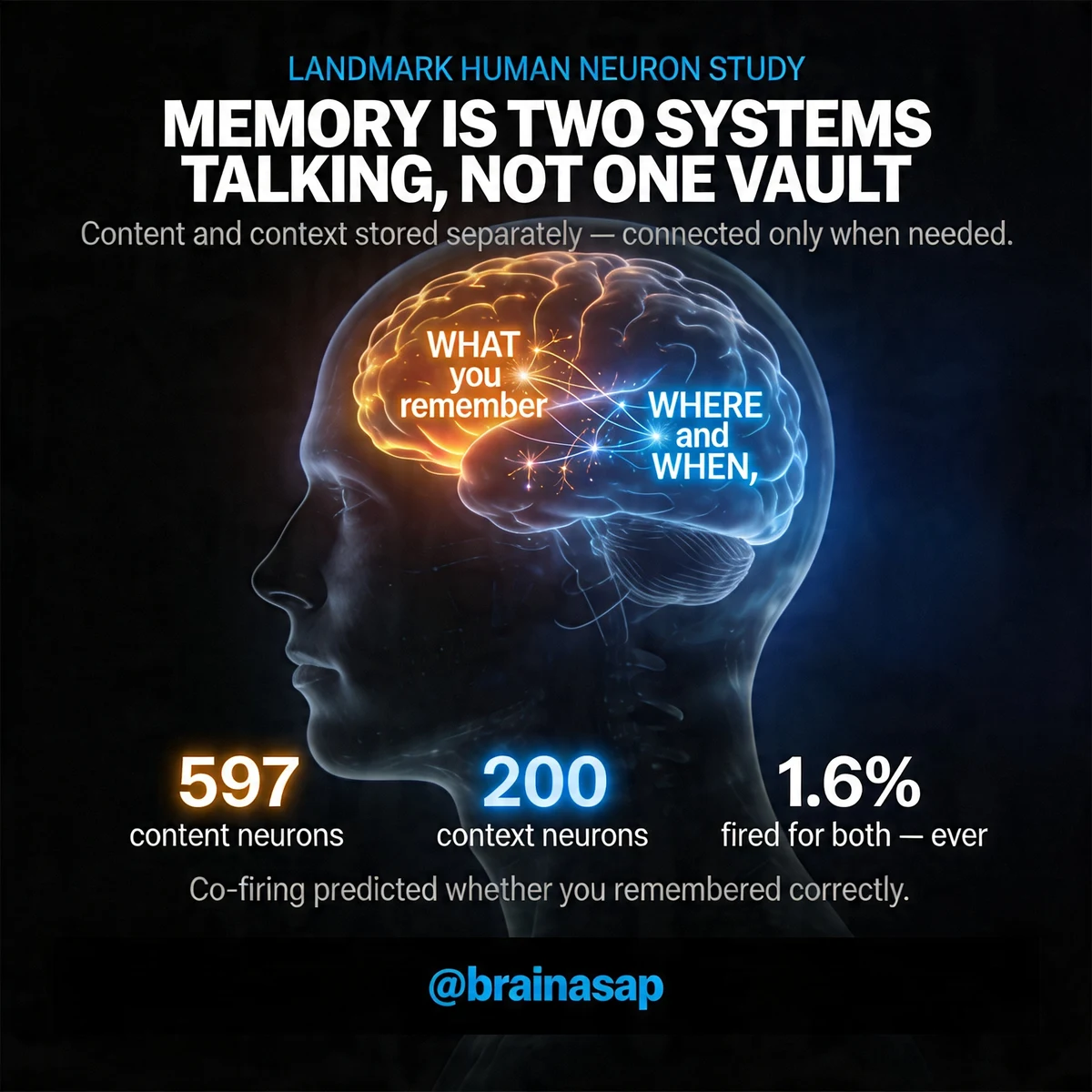
How the Brain Separates What We Remember from Why We Remember It TL;DR: The brain stores content (what you remember) and context (when/where) in separate neural populations linked by real-time coordination, not pre-wired conjunctive cells—a design that trades…
Read article ↗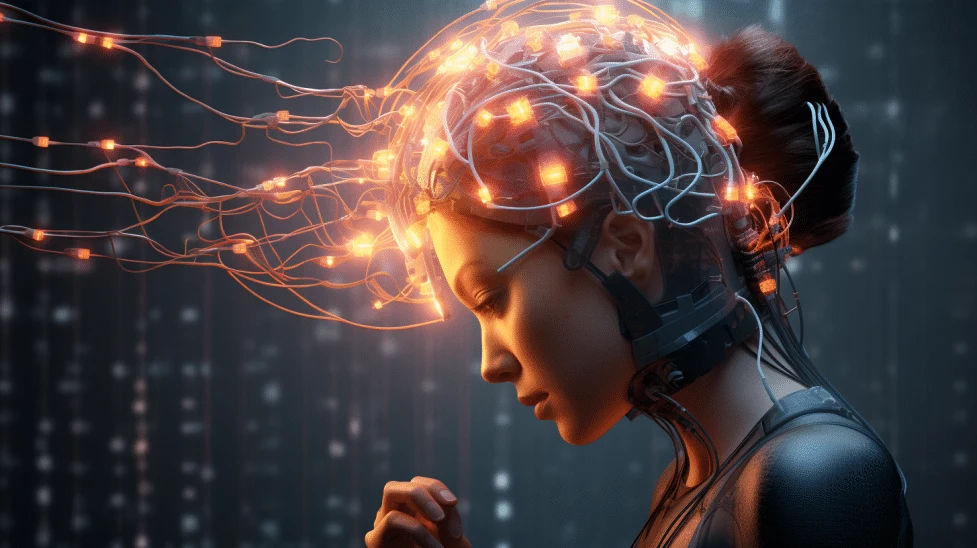
Electrical neural interfaces are unlocking new possibilities for studying, restoring, and augmenting brain functions. These devices provide direct communication pathways to connect the nervous system with the external world. Recent innovations in neural electr…
Read article ↗
Human intelligence is a complex cognitive trait that has fascinated scientists and philosophers for centuries. New research is shedding light on the neurobiological underpinnings of intelligence, from genes to cells to brain networks. Key Facts: Intelligence i…
Read article ↗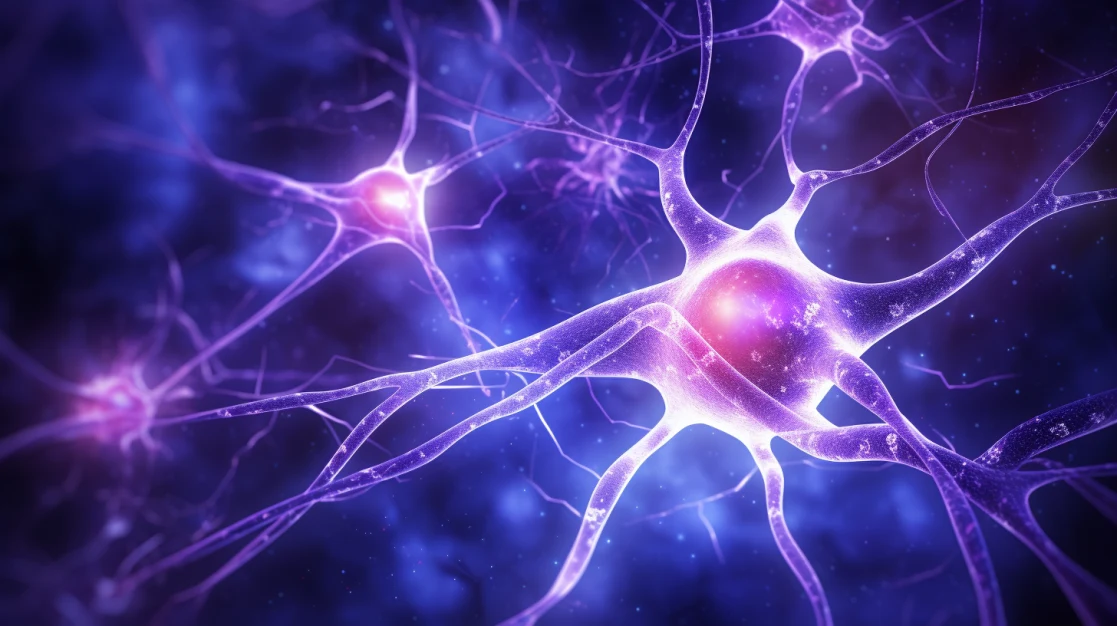
For over half a century, neuroscientists operated under the assumption that the human brain contains around 100 billion neurons and over 1 trillion glial cells. This oft-cited “fact” made its way into textbooks and became common knowledge despite a lack of str…
Read article ↗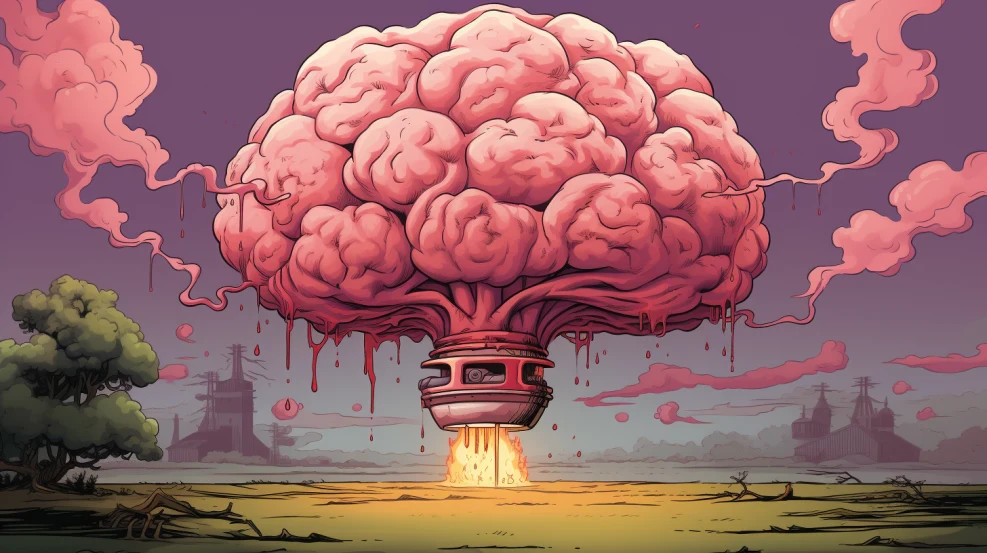
Nitric oxide (NO) is a surprising gaseous neurotransmitter in the brain that also contributes to neurotoxicity when produced in excess. Nitric Oxide Facts: NO is synthesized on demand in neurons and diffuses to activate receptor enzymes rather than binding to…
Read article ↗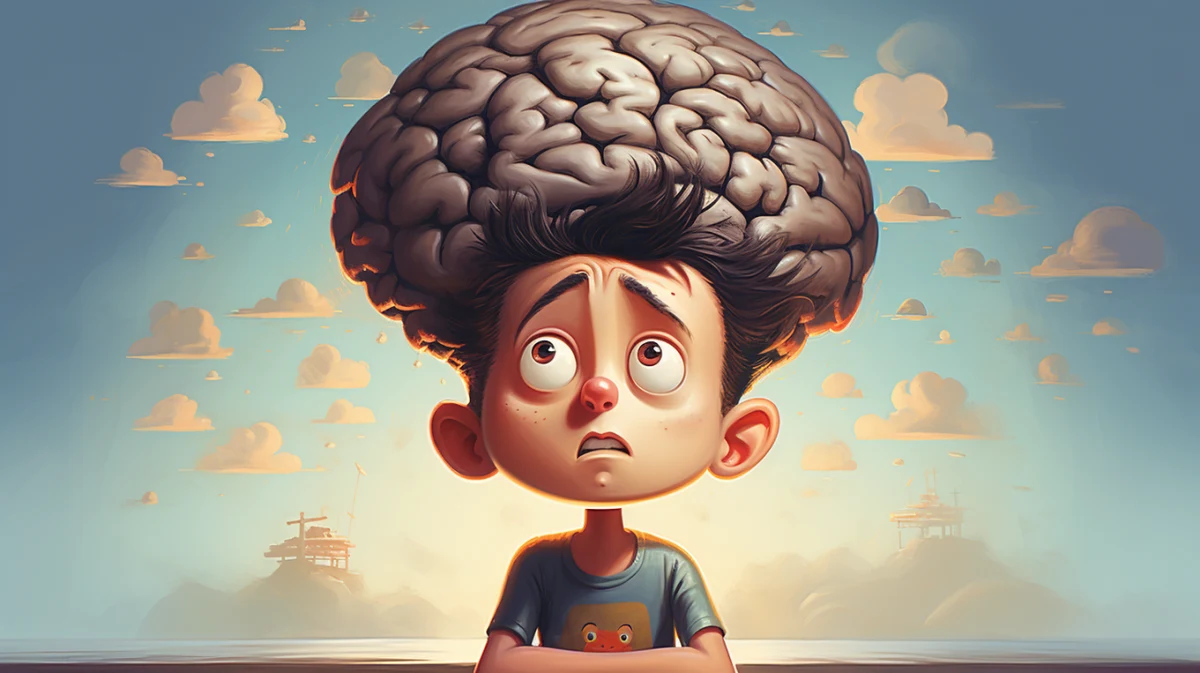
Researchers have long suspected that brain size affects intelligence, with people who have bigger brains tending to have higher IQs. A new set of studies provides compelling evidence that this relationship is likely causal and not just correlational. Key Takea…
Read article ↗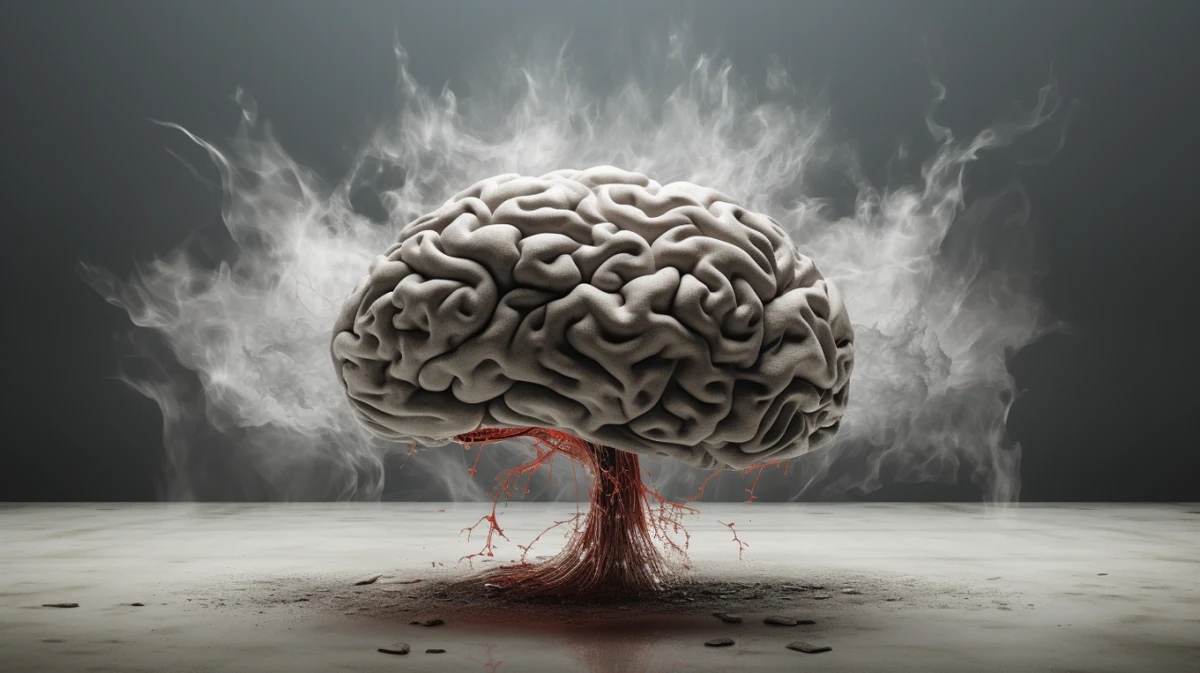
Cocaine use can lead to significant structural changes and accelerated aging of the brain, according to a new study. Key findings include: Cocaine users showed widespread gray matter loss in areas involved in emotions, language, cognition and decision-making.…
Read article ↗