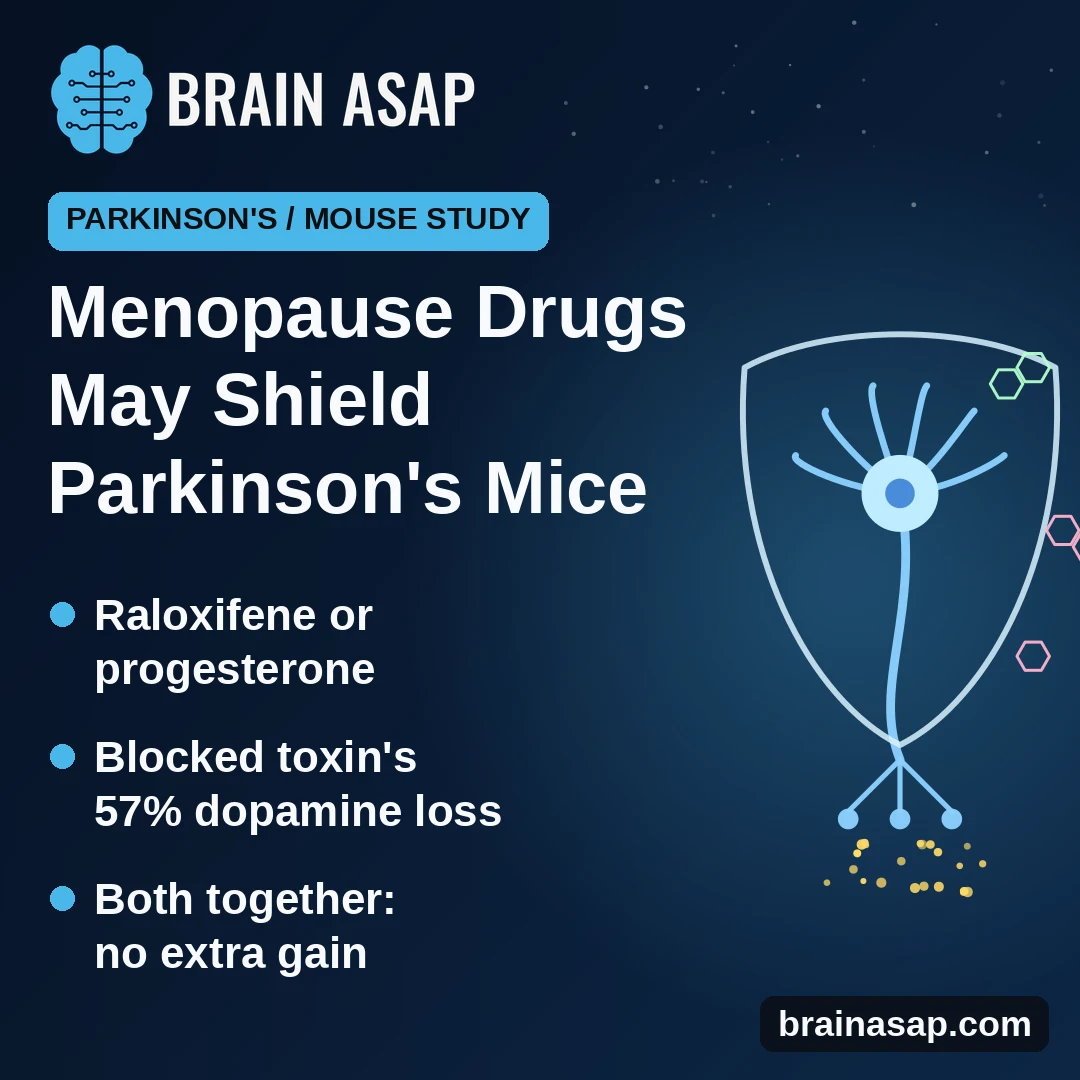
TL;DR: In female mice without ovaries, a model of menopause, the osteoporosis drug raloxifene and the hormone progesterone each protected brain dopamine from a toxin that mimics Parkinson’s. Giving both together worked no better than either alone. Key Findings…
Read article ↗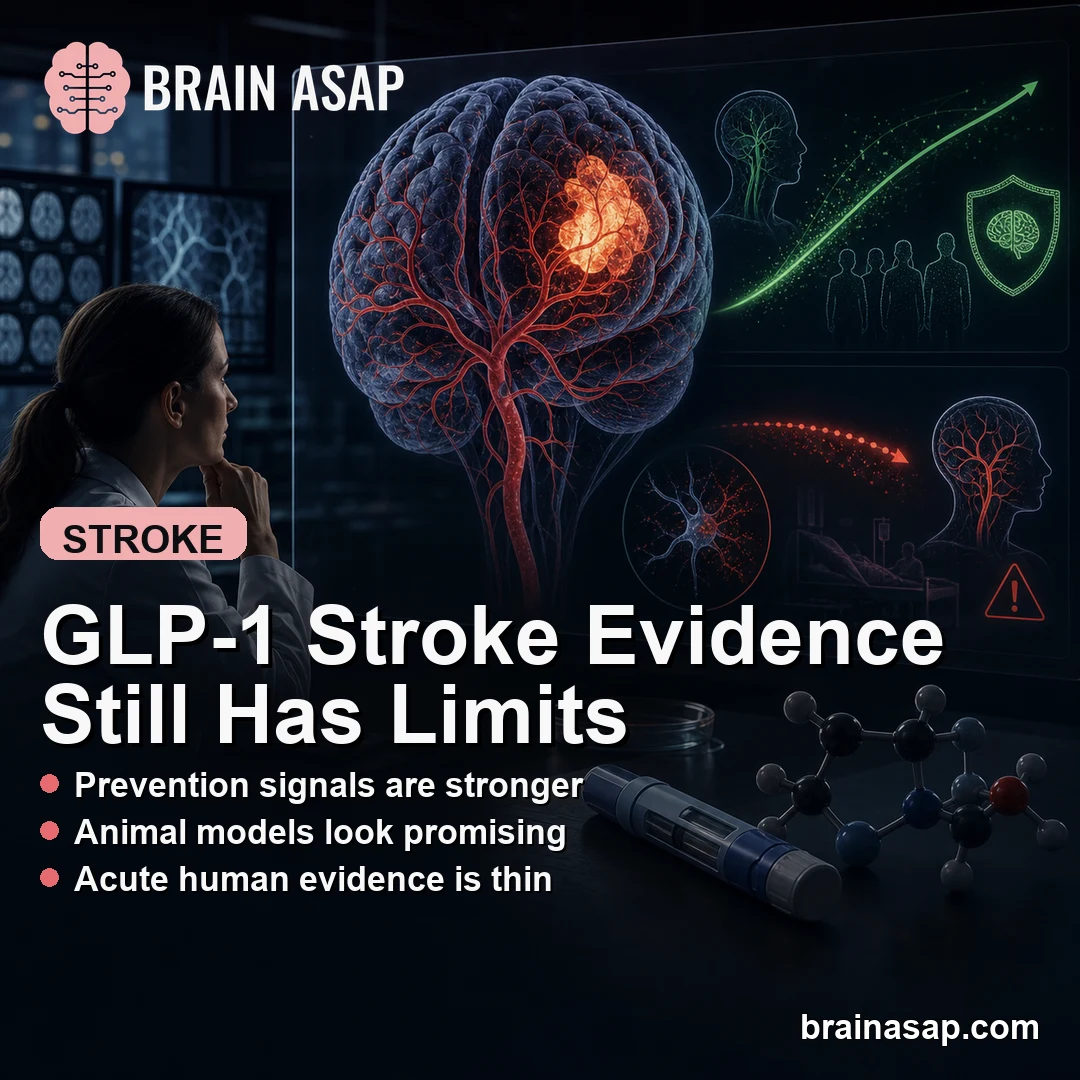
TL;DR: A 2026 narrative review in Journal of Central Nervous System Disease found that glucagon-like peptide-1 receptor agonists have promising stroke-prevention and animal-model evidence, but human data do not yet support routine use as an acute ischemic stro…
Read article ↗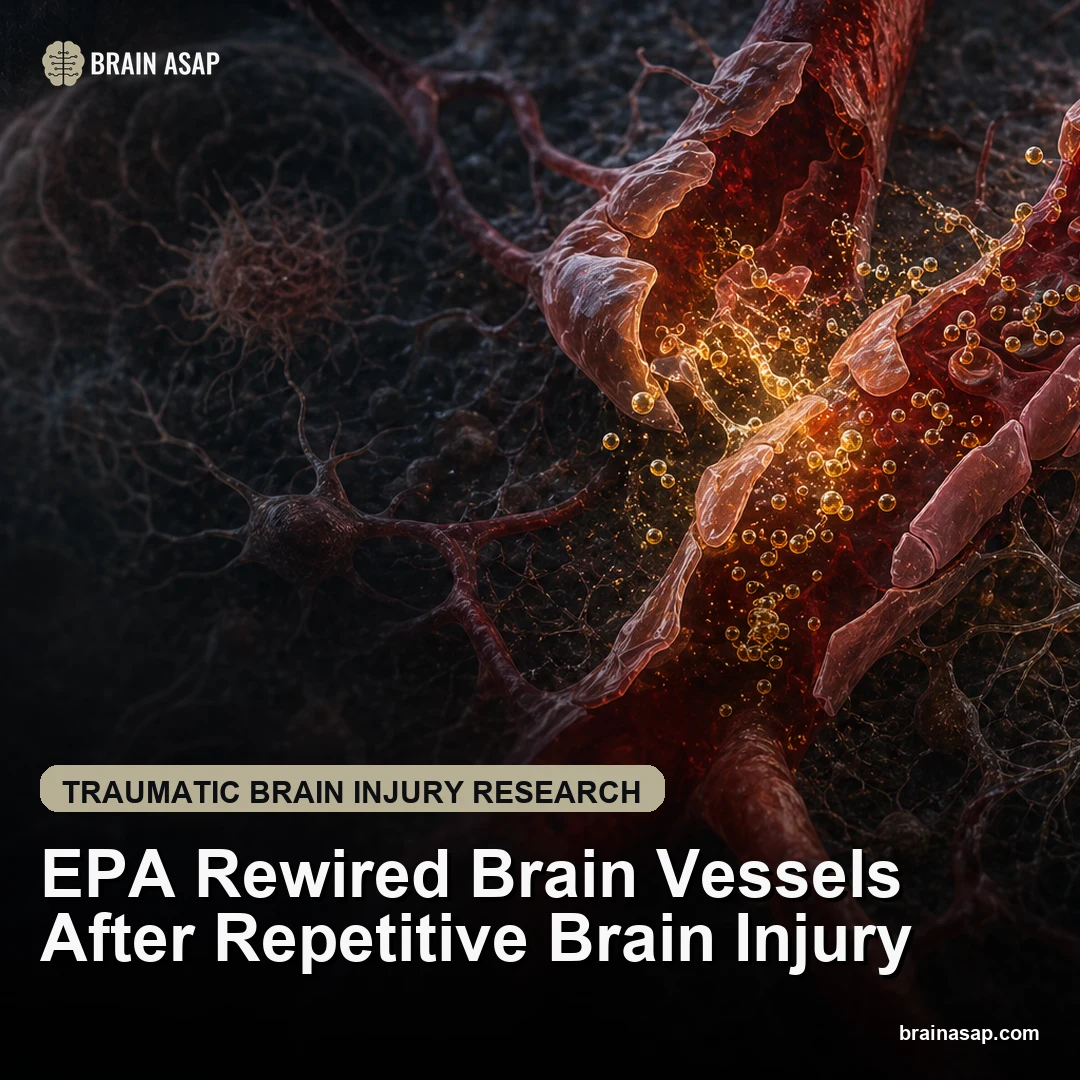
EPA Rewired Brain Vessels After Repetitive Brain Injury TL;DR: Fish-oil-derived EPA looked less like a simple neuroprotective supplement and more like a lipid signal that changed brain-vessel repair after repetitive mild traumatic brain injury. Key Findings EP…
Read article ↗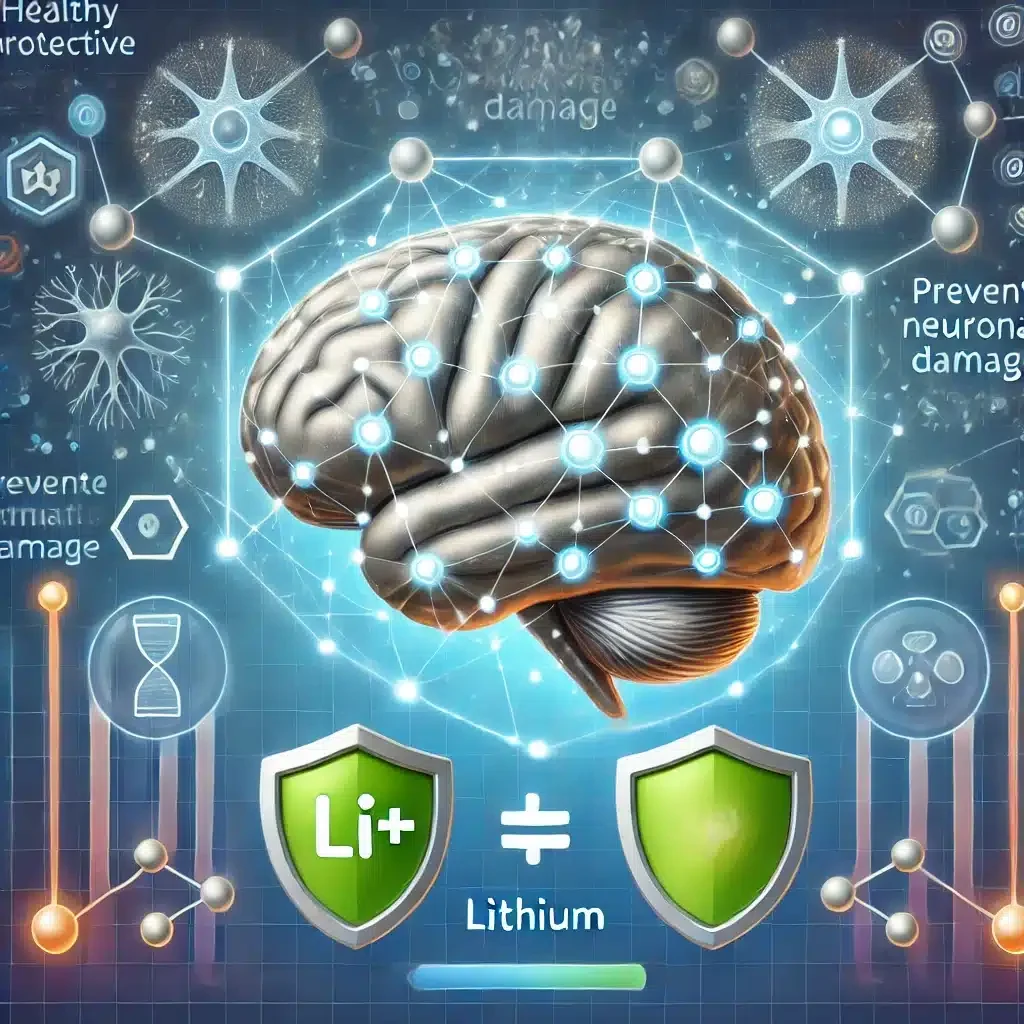
Lithium shows promise in treating traumatic brain injury (TBI) by mitigating neuroinflammation, protecting against neuronal damage, and improving cognitive functions. Highlights: Neuroprotective Mechanisms: Lithium’s therapeutic effects involve complex molecul…
Read article ↗
Phenibut is an experimental drug that was discovered in Russia in the 1960s and has shown promise as a treatment for anxiety, improving brain function, and enhancing quality of life. Key facts about phenibut: It is derived from gamma-aminobutyric acid (GABA),…
Read article ↗
A new study provides the first evidence that reversing biological brain age in humans is possible within a practical timeframe of around one year. The research demonstrated that an individually tailored regimen of nutraceutical supplements significantly reduce…
Read article ↗