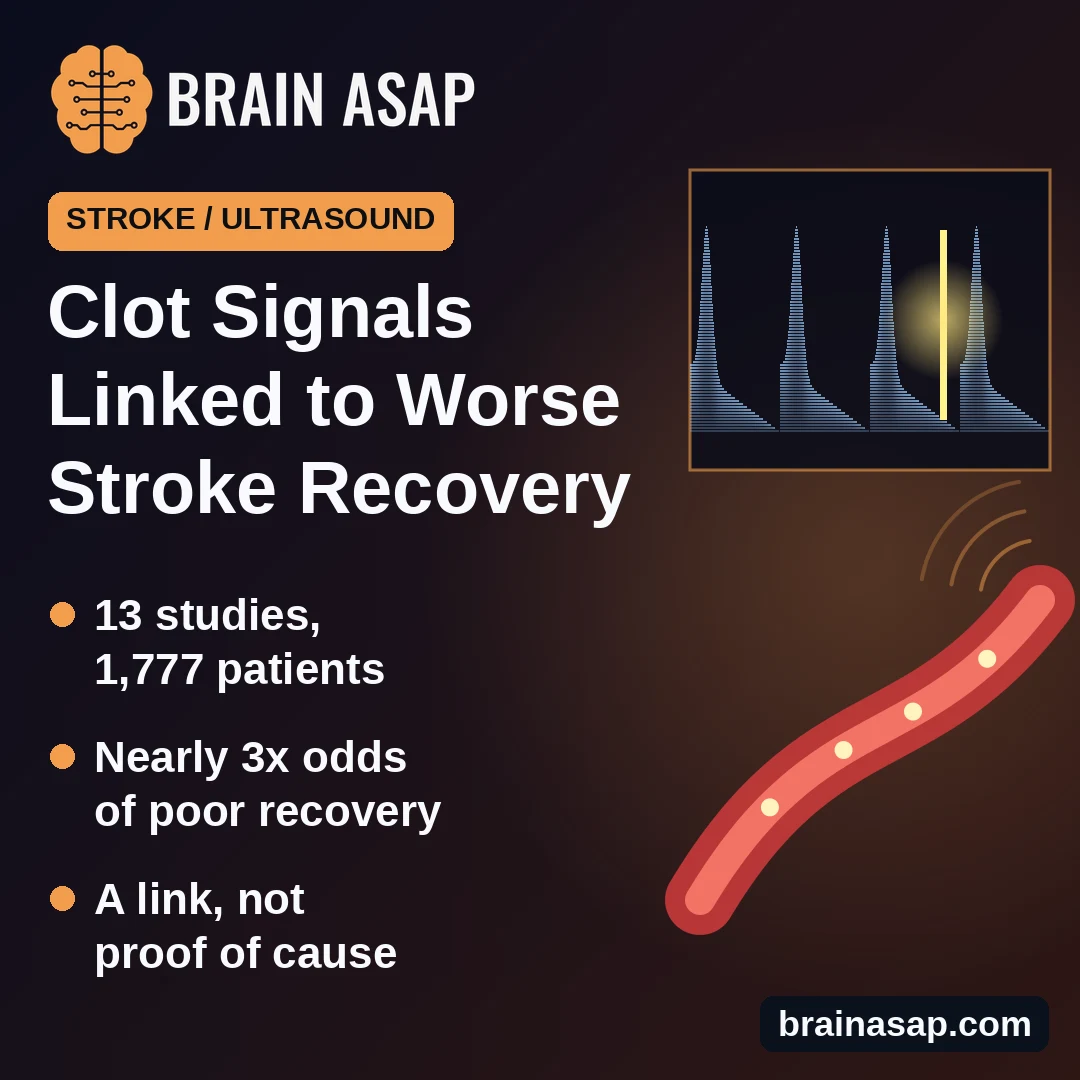
TL;DR: Stroke patients whose brain arteries showed tiny traveling clots on an ultrasound scan had nearly 3 times the odds of poor recovery than those without, across 13 studies. The signals may mark a more unstable stroke rather than cause the worse outcome. K…
Read article ↗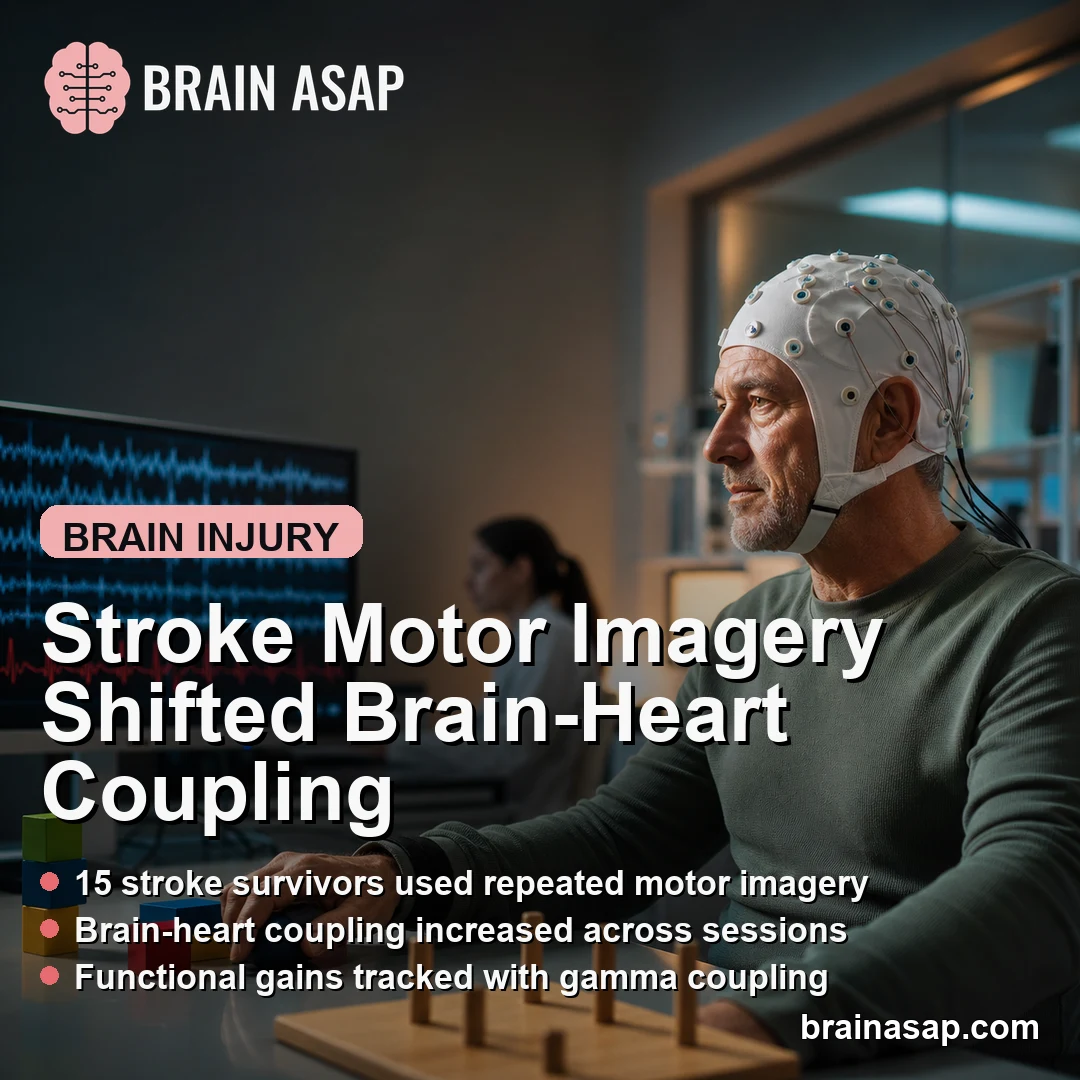
TL;DR: A 2026 preprint in medRxiv found that stroke survivors doing motor imagery showed changing brain-heart coupling across rehabilitation sessions, especially between cardiac sympathetic activity and electroencephalography (EEG) beta-band network clustering…
Read article ↗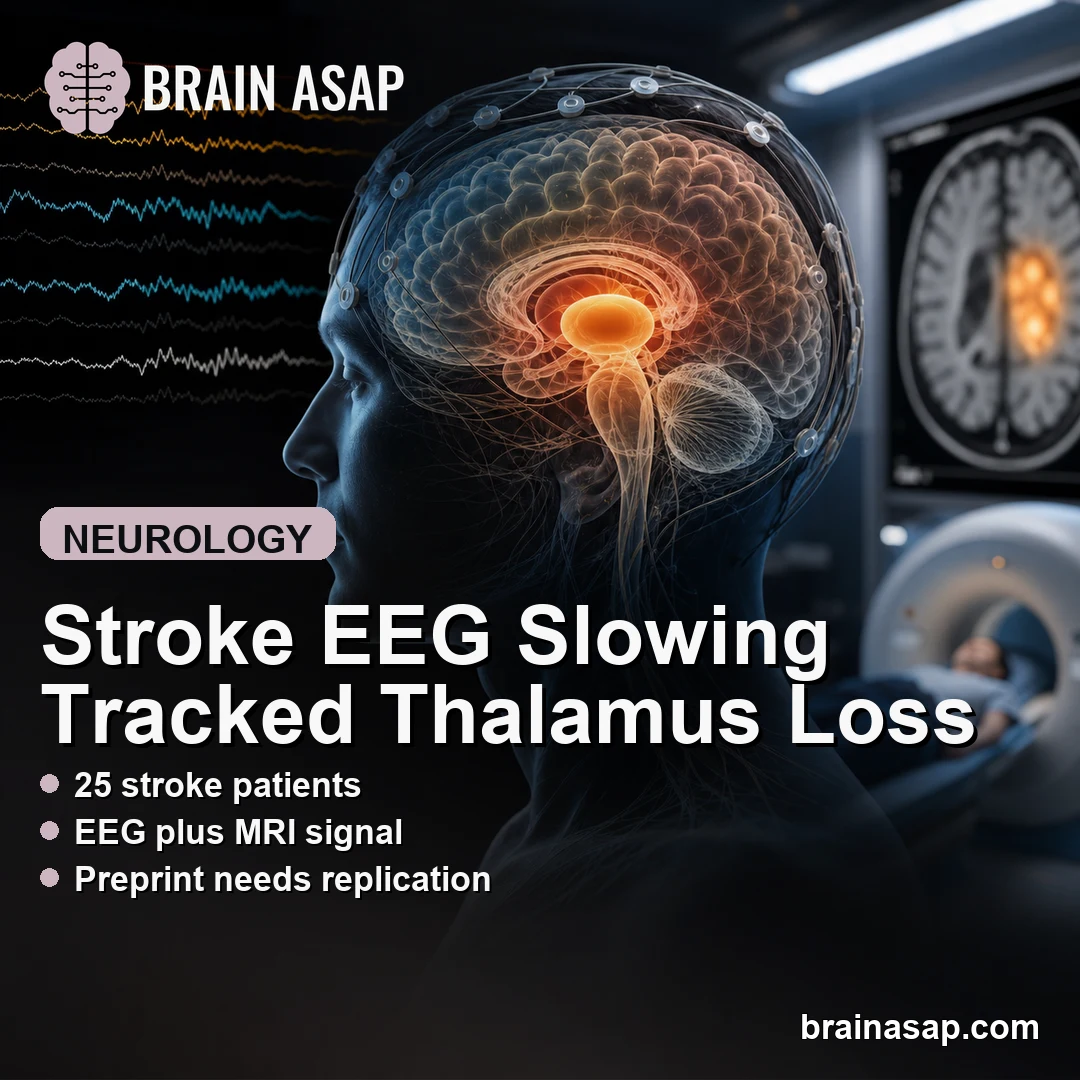
TL;DR: A 2026 preprint posted on medRxiv reported that resting-state electroencephalography (EEG) neural slowing after stroke tracked secondary thalamic degeneration measured on structural MRI, even though the sampled patients did not have direct thalamic lesi…
Read article ↗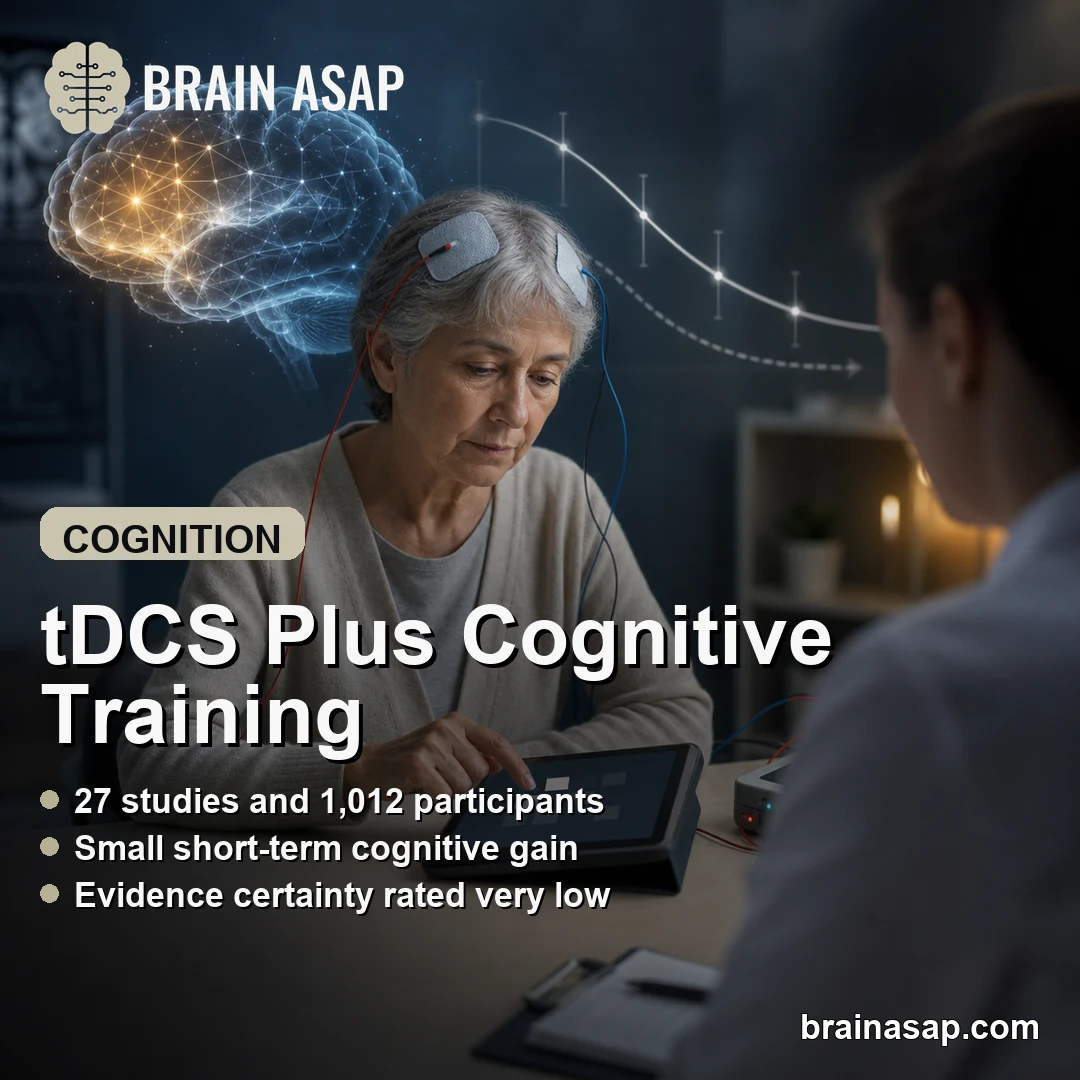
TL;DR: A 2026 systematic review posted on medRxiv found that transcranial direct current stimulation (tDCS), a weak noninvasive brain-stimulation method, added to cognitive training produced a small short-term cognitive benefit across 27 trials, but the effect…
Read article ↗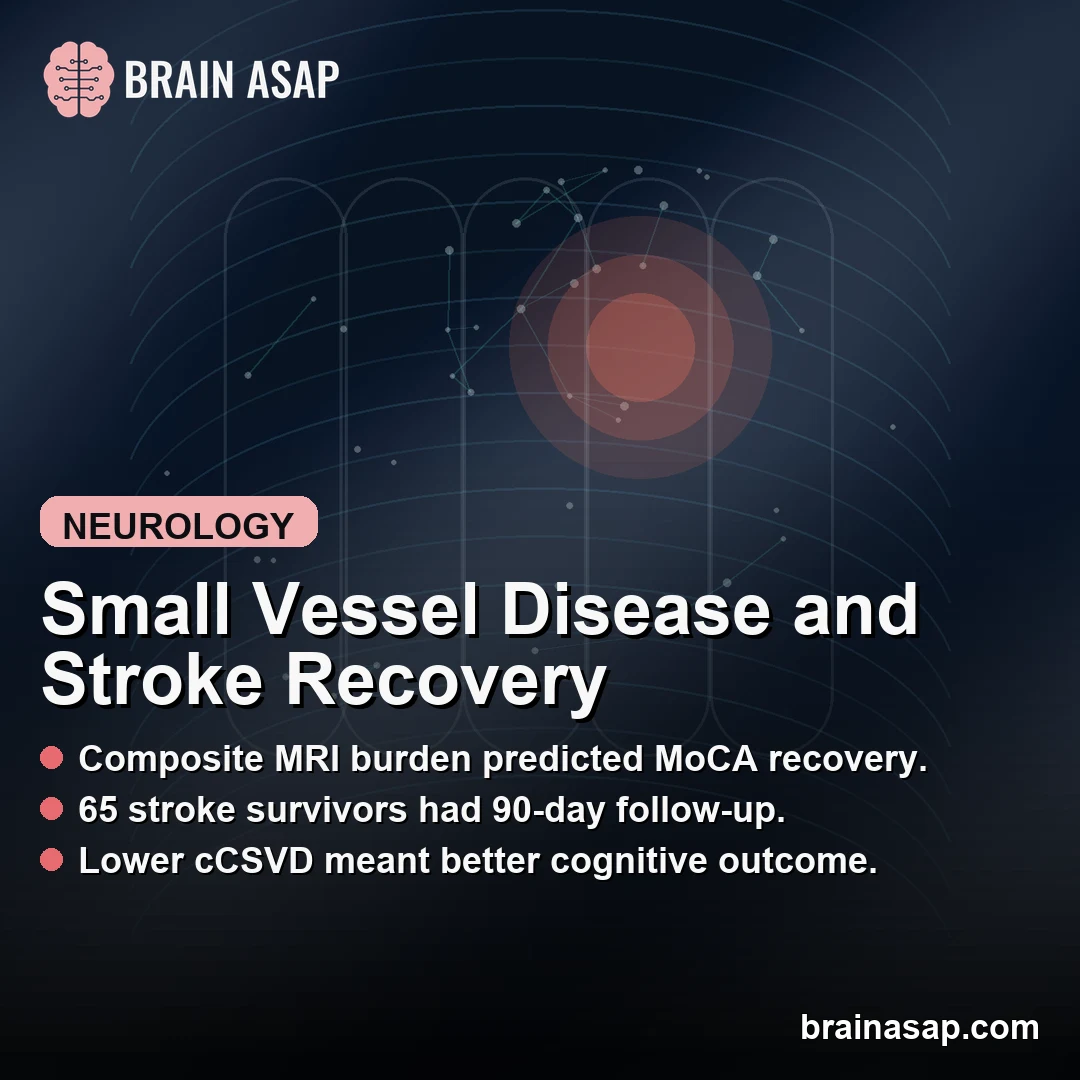
TL;DR: A 2026 medRxiv preprint found that a composite cerebral small vessel disease (cCSVD) score from routine T1 MRI predicted 3-month cognitive recovery after stroke better than any single small-vessel marker in a 65-person cohort. Key Findings Recovery wind…
Read article ↗