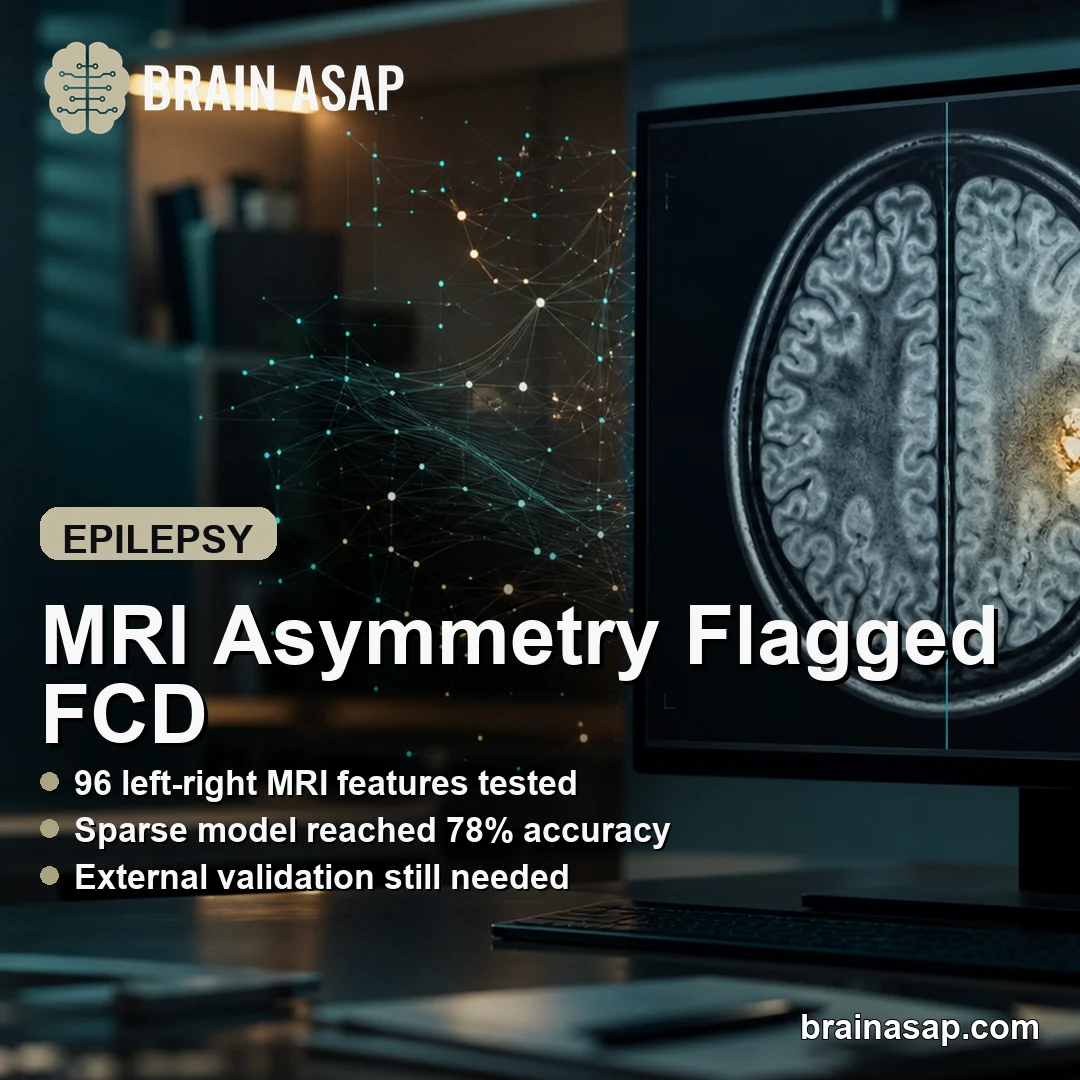
TL;DR: A 2026 preprint in medRxiv tested an interpretable machine-learning model for focal cortical dysplasia (FCD), a lesion linked to drug-resistant epilepsy, and found that hemispheric-asymmetry MRI features classified 39 of 50 subjects correctly in leave-o…
Read article ↗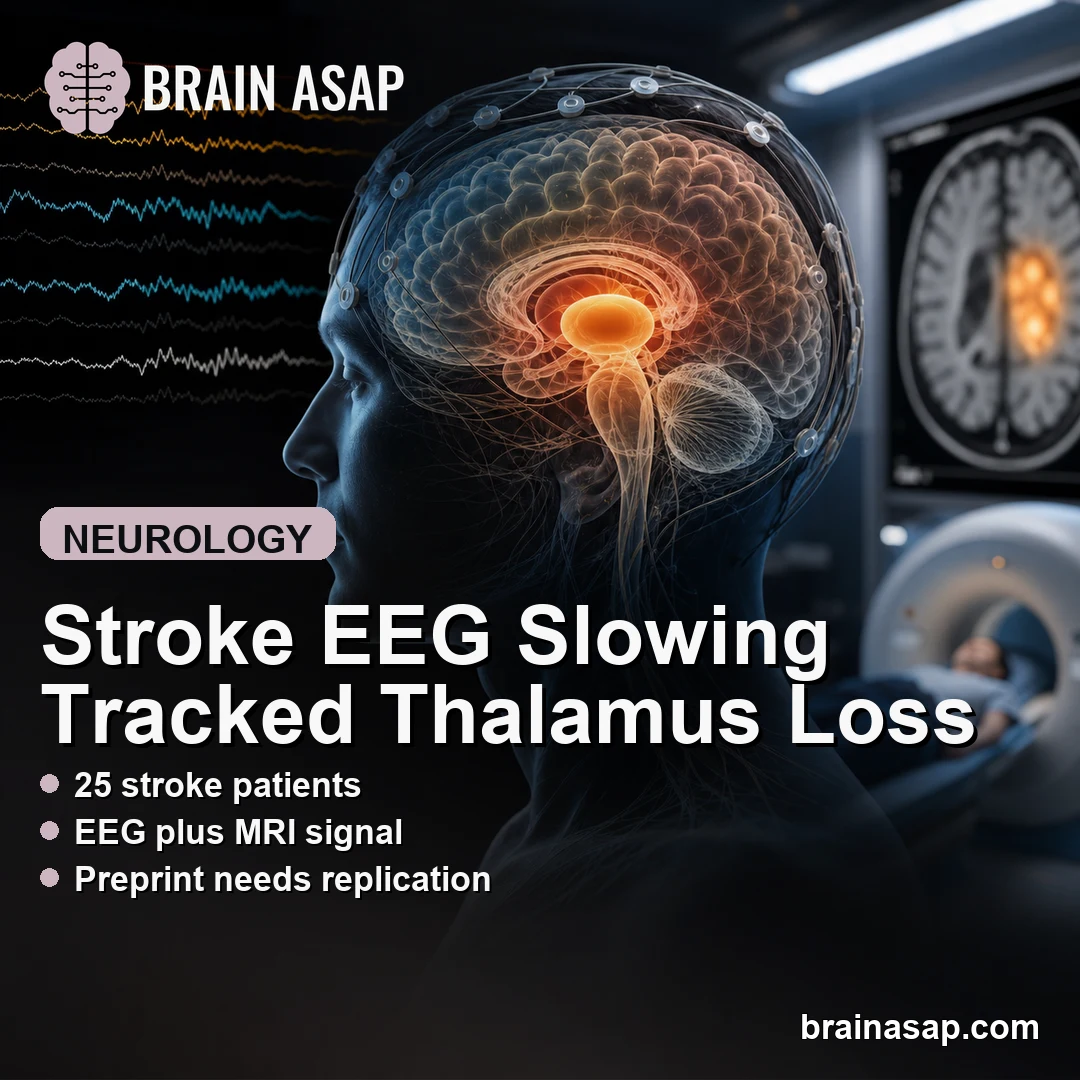
TL;DR: A 2026 preprint posted on medRxiv reported that resting-state electroencephalography (EEG) neural slowing after stroke tracked secondary thalamic degeneration measured on structural MRI, even though the sampled patients did not have direct thalamic lesi…
Read article ↗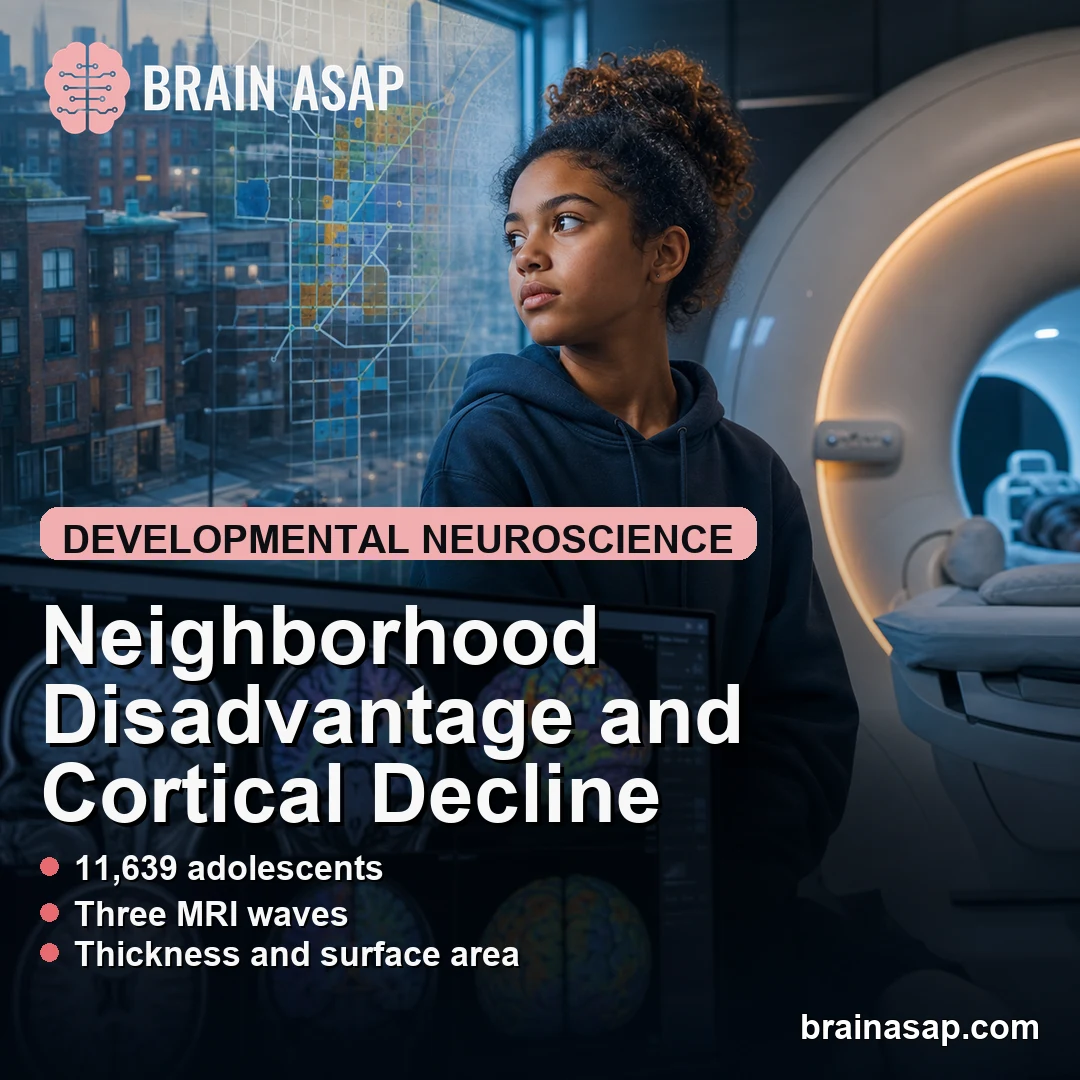
TL;DR: A 2026 longitudinal study in Cerebral Cortex linked neighborhood disadvantage in childhood to lower adolescent cortical thickness and surface area, while better educational and health/environmental opportunities tracked greater MRI-estimated cortical th…
Read article ↗
TL;DR: A 2026 Molecular Psychiatry study tested Regional Vulnerability Index for Alzheimer’s disease (RVI-AD), a structural-MRI score of how closely a person’s brain pattern resembles amyloid-positive Alzheimer’s disease, and found that higher RVI-AD predicted…
Read article ↗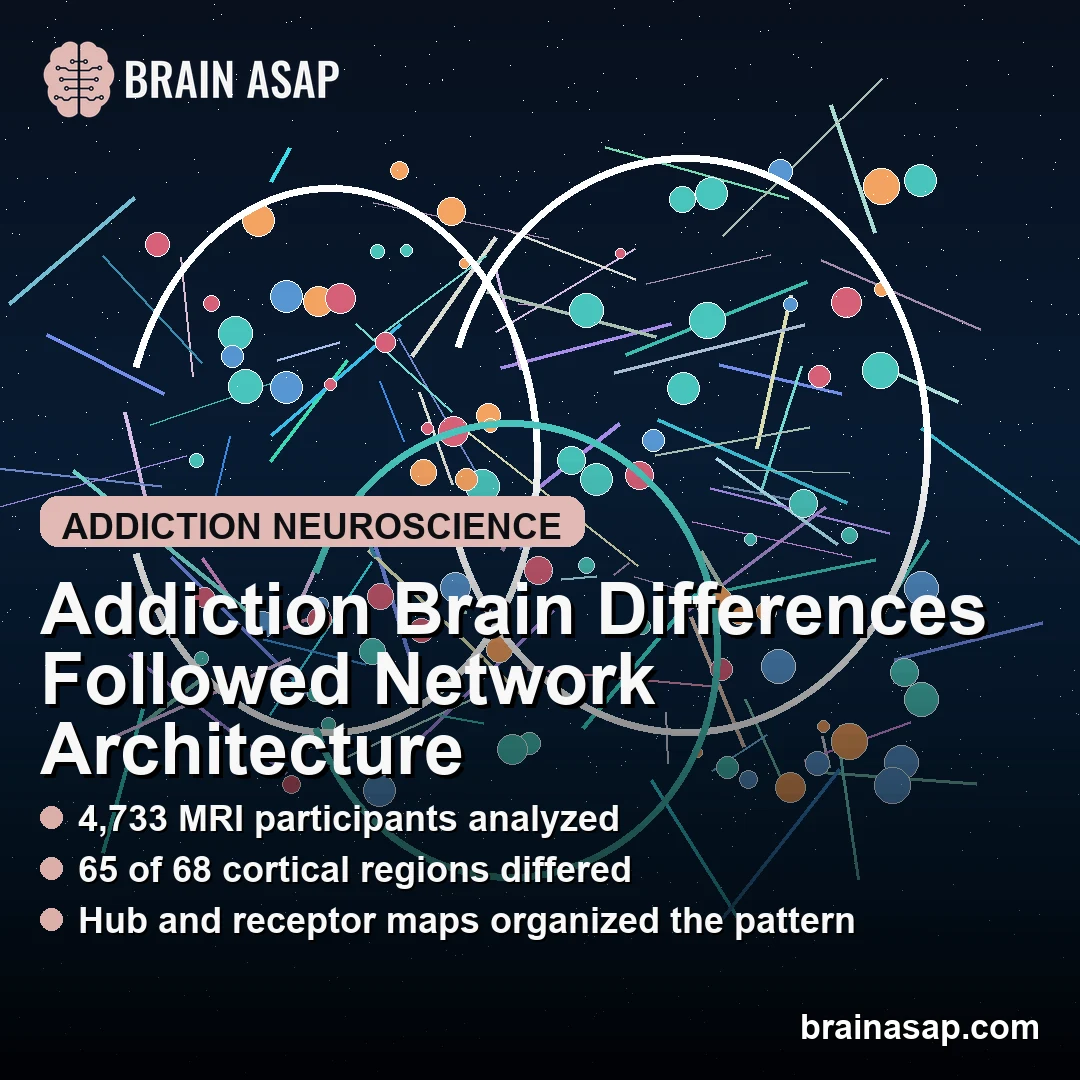
TL;DR: A 2026 medRxiv preprint from the ENIGMA Addiction Working Group used structural MRI from 2,782 people with substance use disorder (SUD) and 1,951 controls and reported that addiction-related brain differences followed cortical network hubs and neurotran…
Read article ↗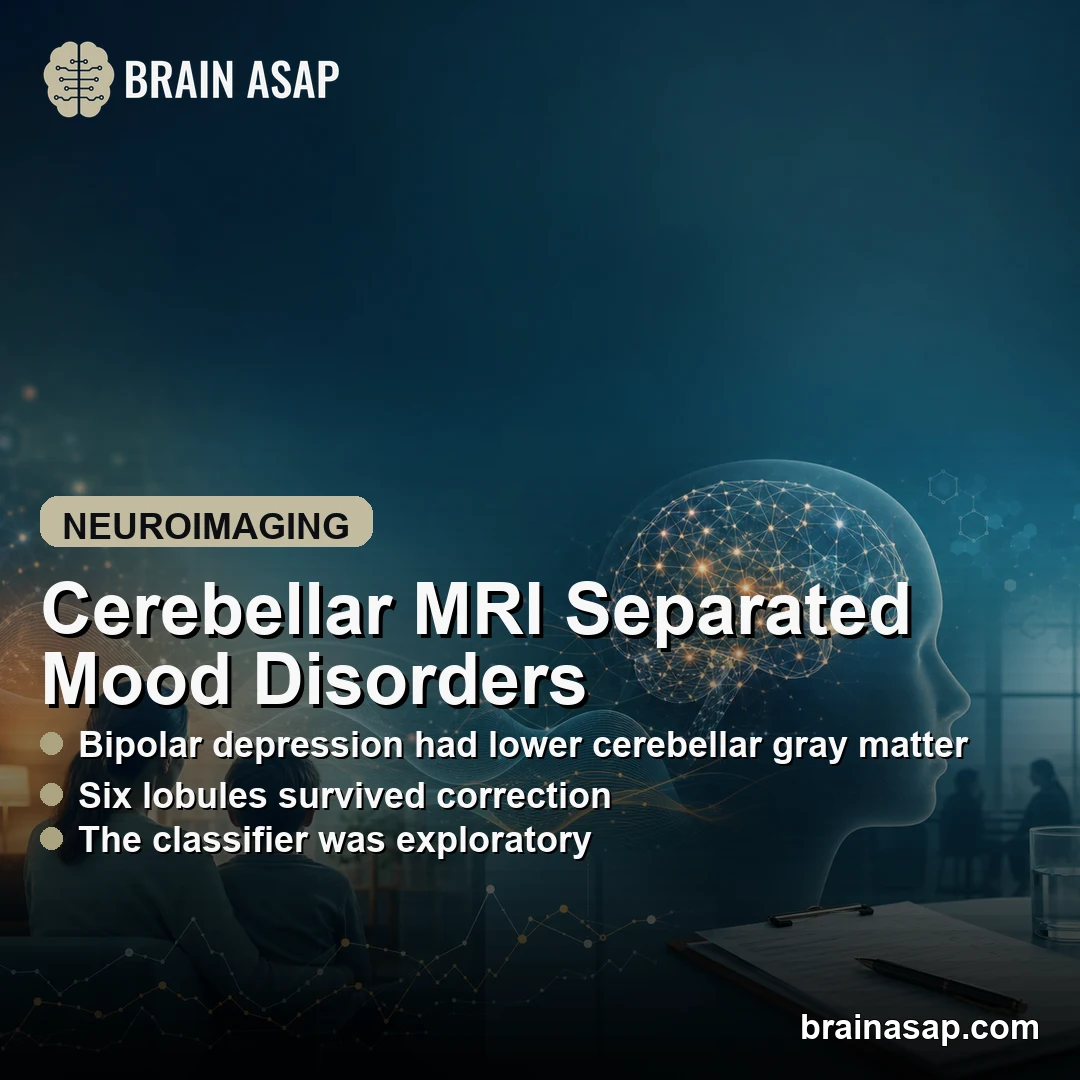
TL;DR: A 2026 study in BMC Psychiatry found that structural MRI of the cerebellum separated first-episode bipolar depression from unipolar depression with 76.3% exploratory model accuracy, mainly because several cerebellar gray-matter regions were smaller in b…
Read article ↗
Human intelligence has long fascinated scientists. With modern neuroimaging methods like MRI, we now have an unprecedented ability to examine the biological basis of intelligence in the living brain. Key Facts: Larger brain size predicts greater intelligence,…
Read article ↗