
Repetitive transcranial magnetic stimulation (rTMS) on the left dorsolateral prefrontal cortex (dlPFC) improves decision-making and reduces cravings in individuals with methamphetamine use disorder (MUD). Highlights: Improved Decision-Making: rTMS treatment en…
Read article ↗
Transcranial magnetic stimulation (TMS) is underutilized in treating major depressive disorder (MDD) despite showing significant clinical benefits, with barriers including insurance coverage and limited access. Highlights: Study Scope: Analyzed real-world data…
Read article ↗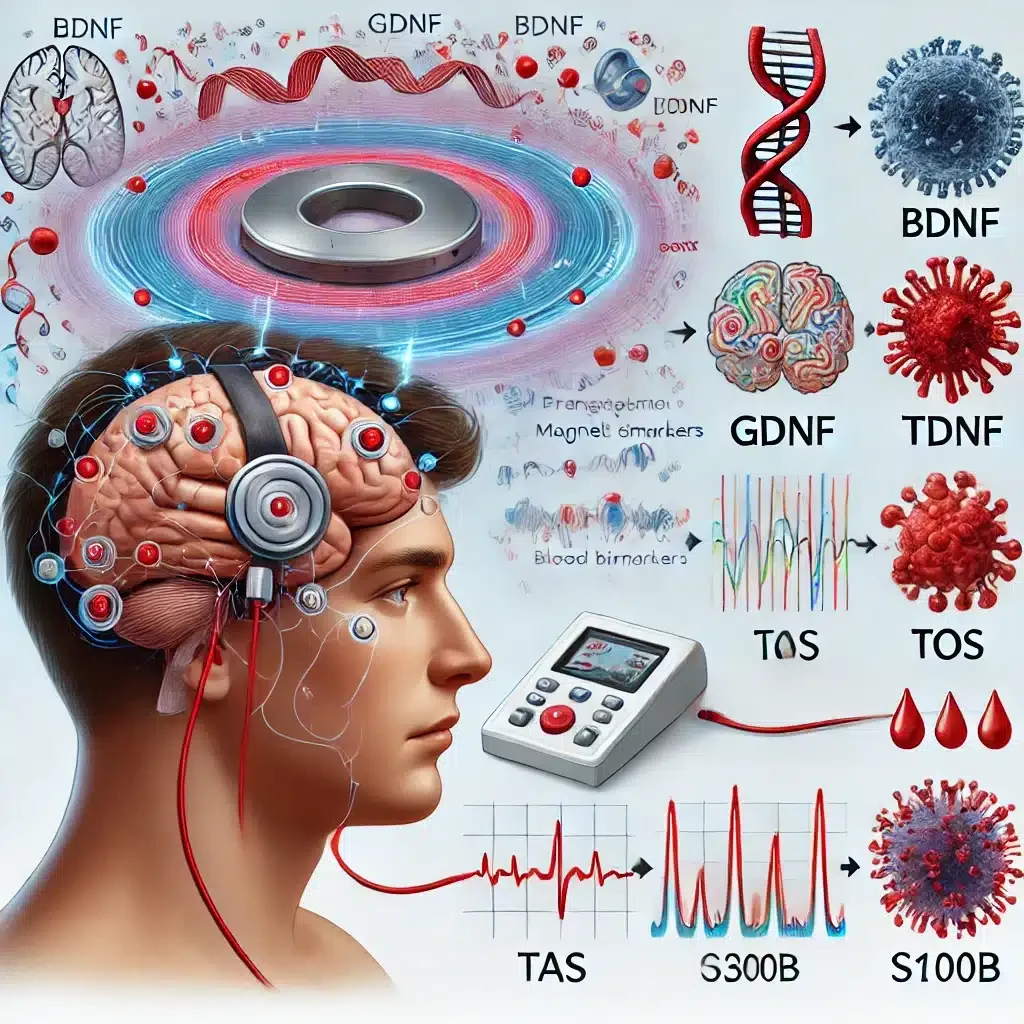
Repetitive transcranial magnetic stimulation (rTMS) therapy improves key biochemical markers in major depressive disorder (MDD) patients, indicating its effectiveness as an antidepressant treatment. Highlights: Improved Antioxidant Levels: rTMS therapy signifi…
Read article ↗
Transcranial Magnetic Stimulation (TMS) is emerging as a revolutionary tool in enhancing cognitive functions, with over sixty studies indicating significant improvements in various tasks. Unlike traditional pharmaceutical approaches, TMS offers a non-invasive…
Read article ↗
A new meta-analysis found that continuous theta burst stimulation (cTBS), a novel form of brain stimulation therapy, does not appear to be more effective than sham (placebo) stimulation for treating symptoms of major depression. Key Facts: cTBS is a type of re…
Read article ↗
Insomnia is a highly prevalent sleep disorder affecting up to 35% of the general population – and can significantly impair quality of life. Researchers have been investigating new non-pharmacological treatment options like transcranial electric stimulation (TE…
Read article ↗
Neuromodulation techniques that stimulate the nervous system through electric current are revolutionizing the treatment of neurological and psychiatric disorders like depression, movement disorders, and chronic pain. These techniques allow for precisely target…
Read article ↗
Transcranial magnetic stimulation (TMS) is showing promise as a non-invasive treatment approach for tinnitus in some patients. Research indicates it may be able to reduce tinnitus loudness and annoyance by modulating brain activity. However, significant questi…
Read article ↗
Obsessive-compulsive disorder (OCD) is a challenging psychiatric illness affecting 2% of the population. While some patients respond to therapy and medications, others continue to suffer from severe, treatment-resistant symptoms. Exciting new research shows th…
Read article ↗