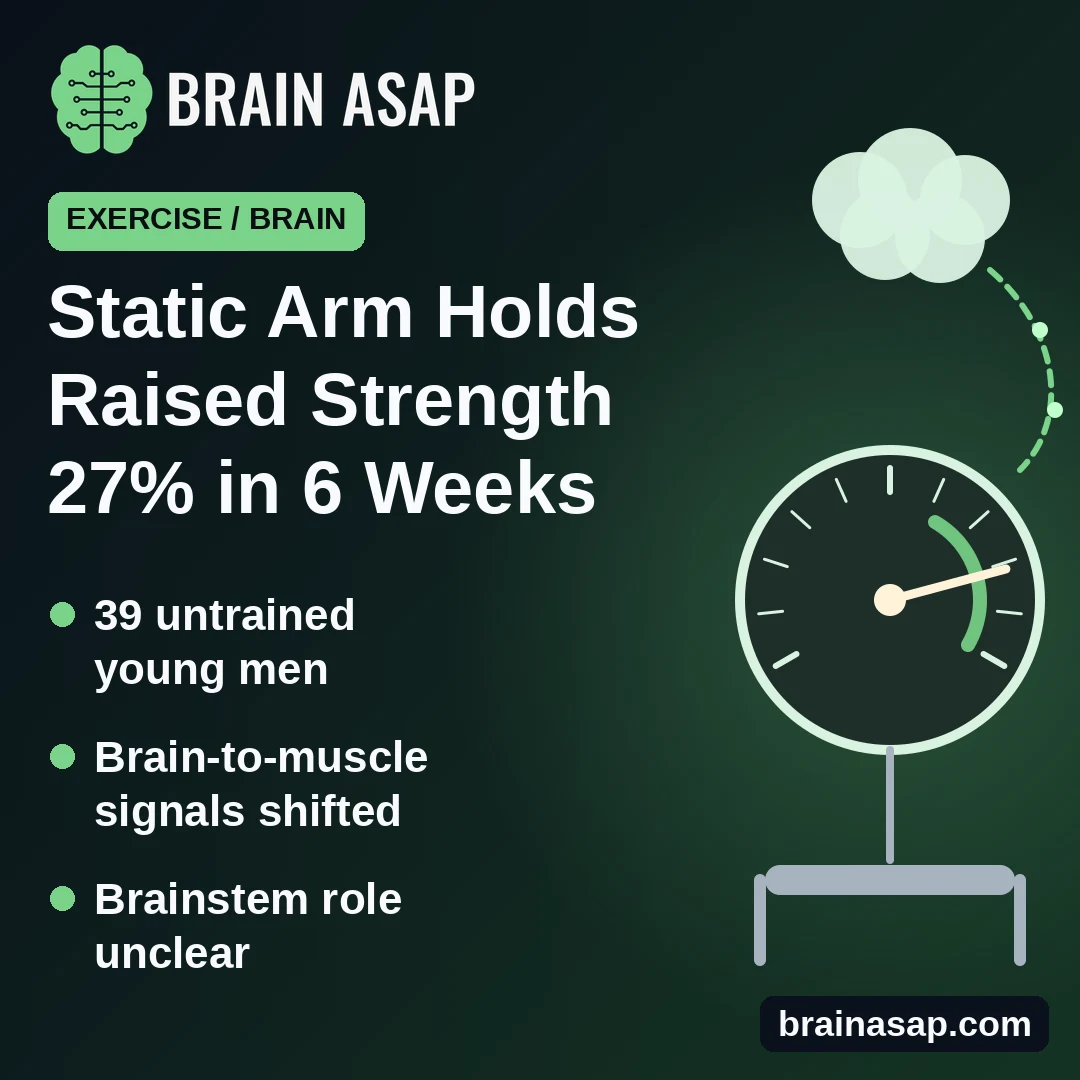
TL;DR: Six weeks of home “static hold” arm training made untrained young men about 27% stronger and increased how fast they built up force by about 60%. Brain-to-muscle signals changed too, but tests of a proposed brainstem pathway gave mixed results. Key Find…
Read article ↗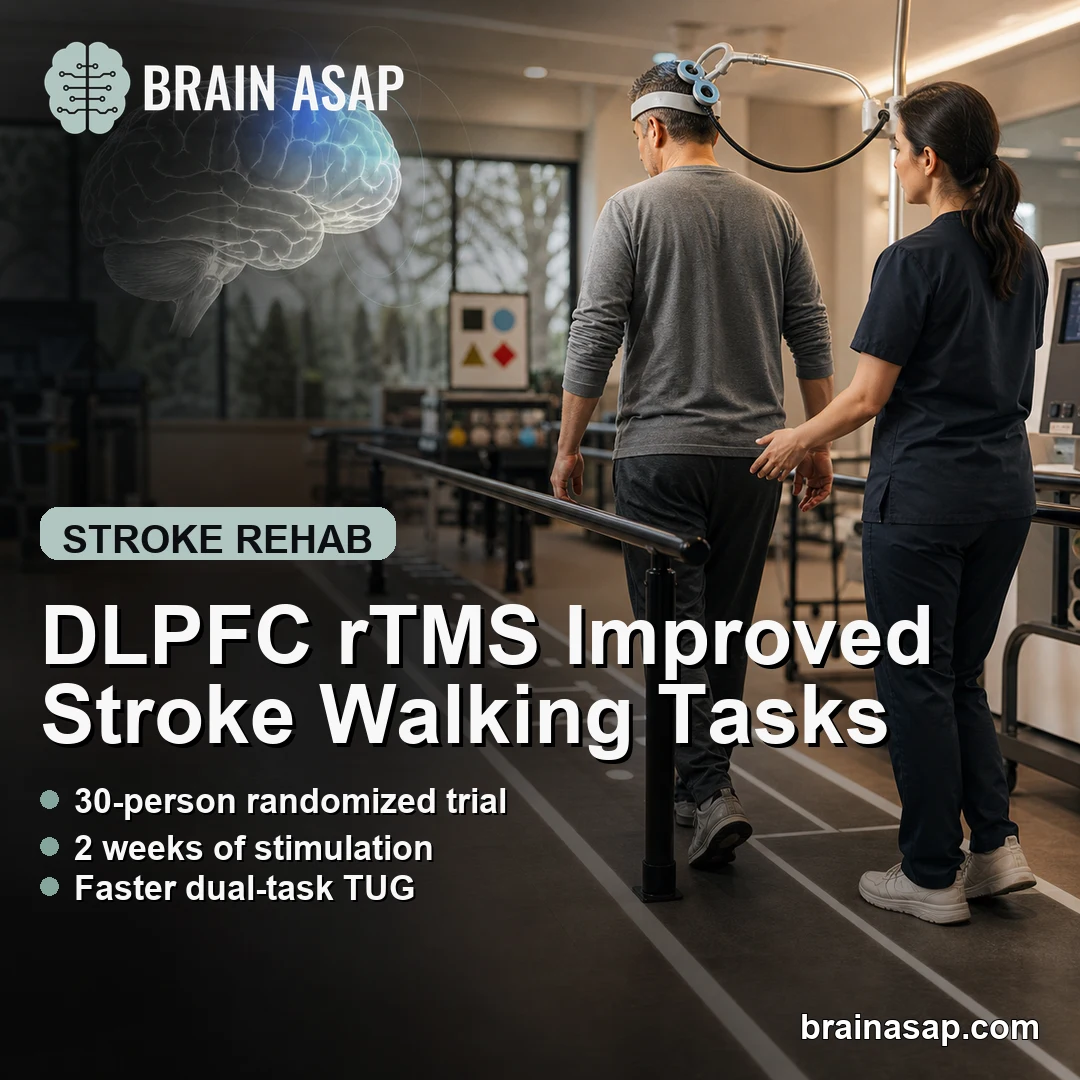
TL;DR: A 2026 randomized trial in Physiotherapy Research International found that adding active 5 Hz repetitive transcranial magnetic stimulation (rTMS) over the dorsolateral prefrontal cortex to dual-task stroke rehabilitation produced larger gains in Timed U…
Read article ↗
Repetitive transcranial magnetic stimulation (rTMS) on the left dorsolateral prefrontal cortex (dlPFC) improves decision-making and reduces cravings in individuals with methamphetamine use disorder (MUD). Highlights: Improved Decision-Making: rTMS treatment en…
Read article ↗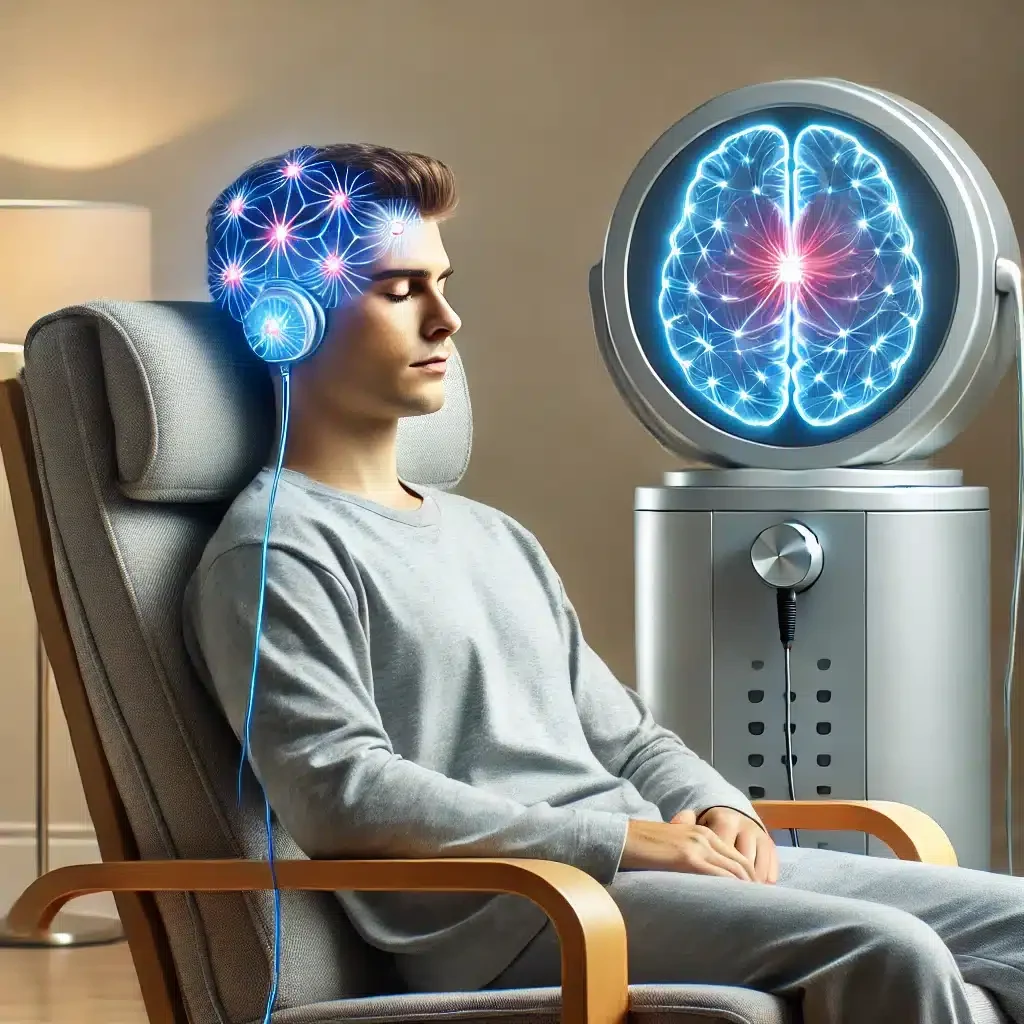
Transcranial magnetic stimulation (TMS) is underutilized in treating major depressive disorder (MDD) despite showing significant clinical benefits, with barriers including insurance coverage and limited access. Highlights: Study Scope: Analyzed real-world data…
Read article ↗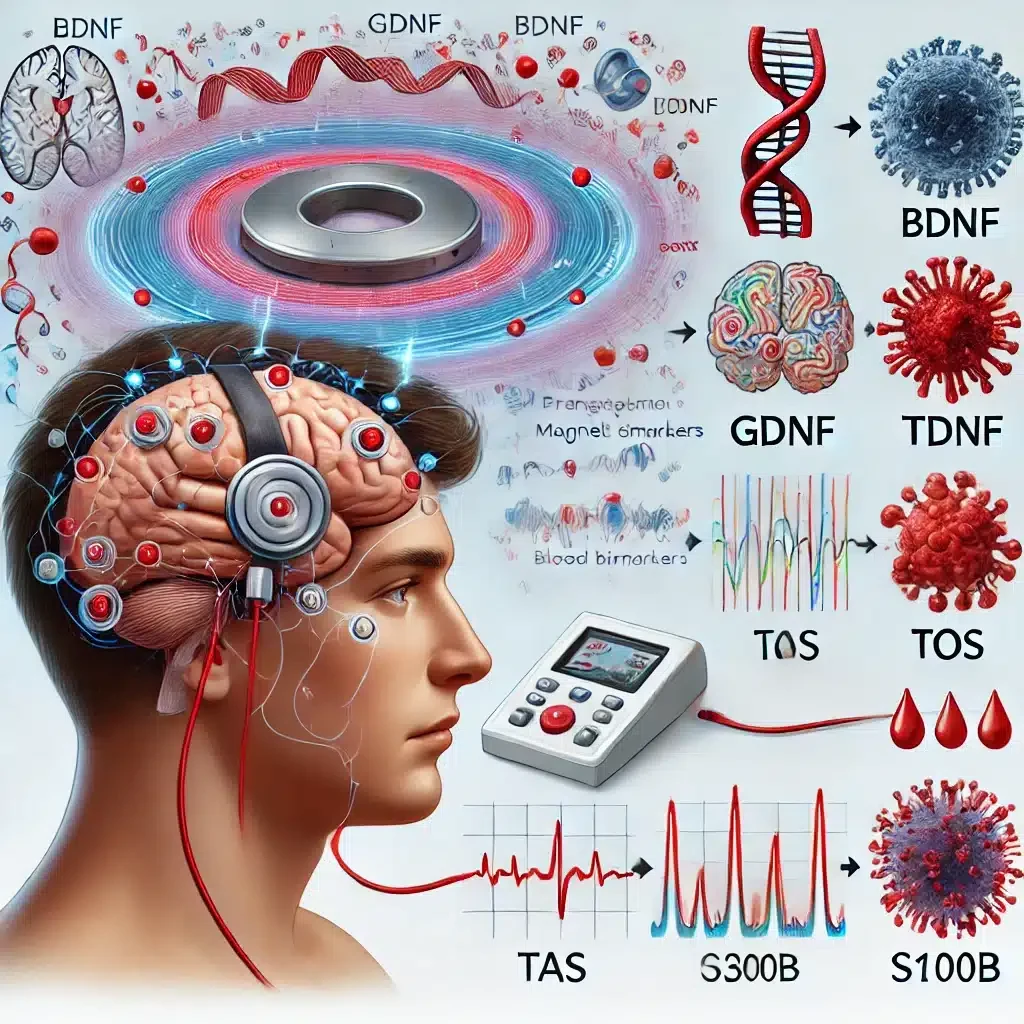
Repetitive transcranial magnetic stimulation (rTMS) therapy improves key biochemical markers in major depressive disorder (MDD) patients, indicating its effectiveness as an antidepressant treatment. Highlights: Improved Antioxidant Levels: rTMS therapy signifi…
Read article ↗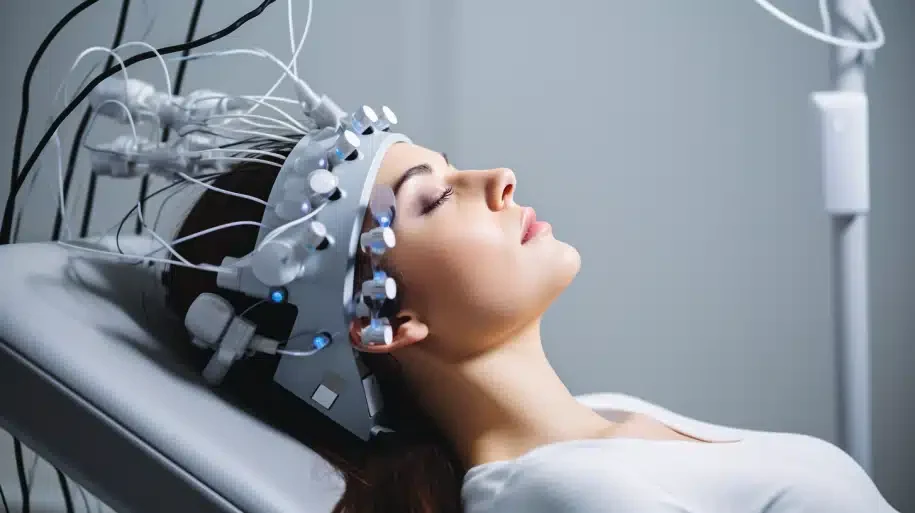
Transcranial Magnetic Stimulation (TMS) is emerging as a revolutionary tool in enhancing cognitive functions, with over sixty studies indicating significant improvements in various tasks. Unlike traditional pharmaceutical approaches, TMS offers a non-invasive…
Read article ↗
A new meta-analysis found that continuous theta burst stimulation (cTBS), a novel form of brain stimulation therapy, does not appear to be more effective than sham (placebo) stimulation for treating symptoms of major depression. Key Facts: cTBS is a type of re…
Read article ↗
Insomnia is a highly prevalent sleep disorder affecting up to 35% of the general population – and can significantly impair quality of life. Researchers have been investigating new non-pharmacological treatment options like transcranial electric stimulation (TE…
Read article ↗
Transcranial magnetic stimulation (TMS) is showing promise as a non-invasive treatment approach for tinnitus in some patients. Research indicates it may be able to reduce tinnitus loudness and annoyance by modulating brain activity. However, significant questi…
Read article ↗
Obsessive-compulsive disorder (OCD) is a challenging psychiatric illness affecting 2% of the population. While some patients respond to therapy and medications, others continue to suffer from severe, treatment-resistant symptoms. Exciting new research shows th…
Read article ↗