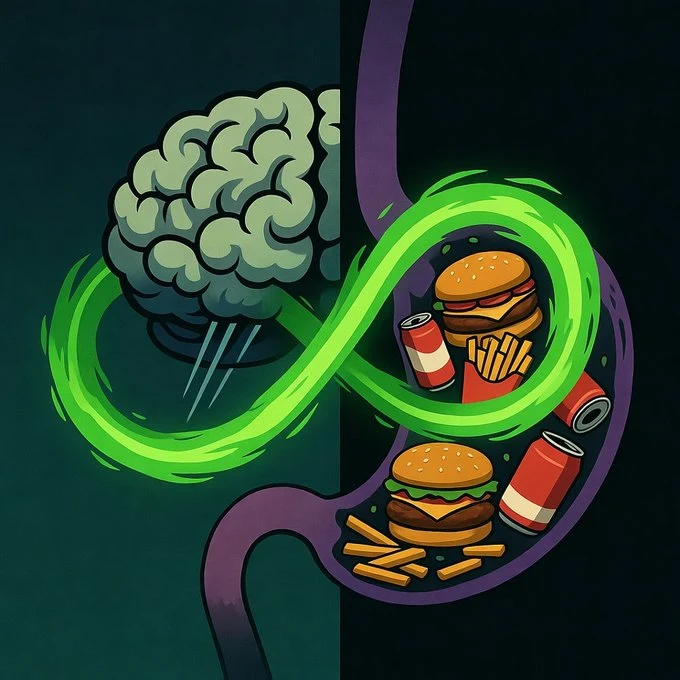
Obesity and Depression Share Five Converging Biological Pathways Obesity and depression represent two of the world’s fastest-growing epidemics. By 2030, over 1 billion people will have obesity, while depression will affect more than 350 million. Yet they are r…
Read article ↗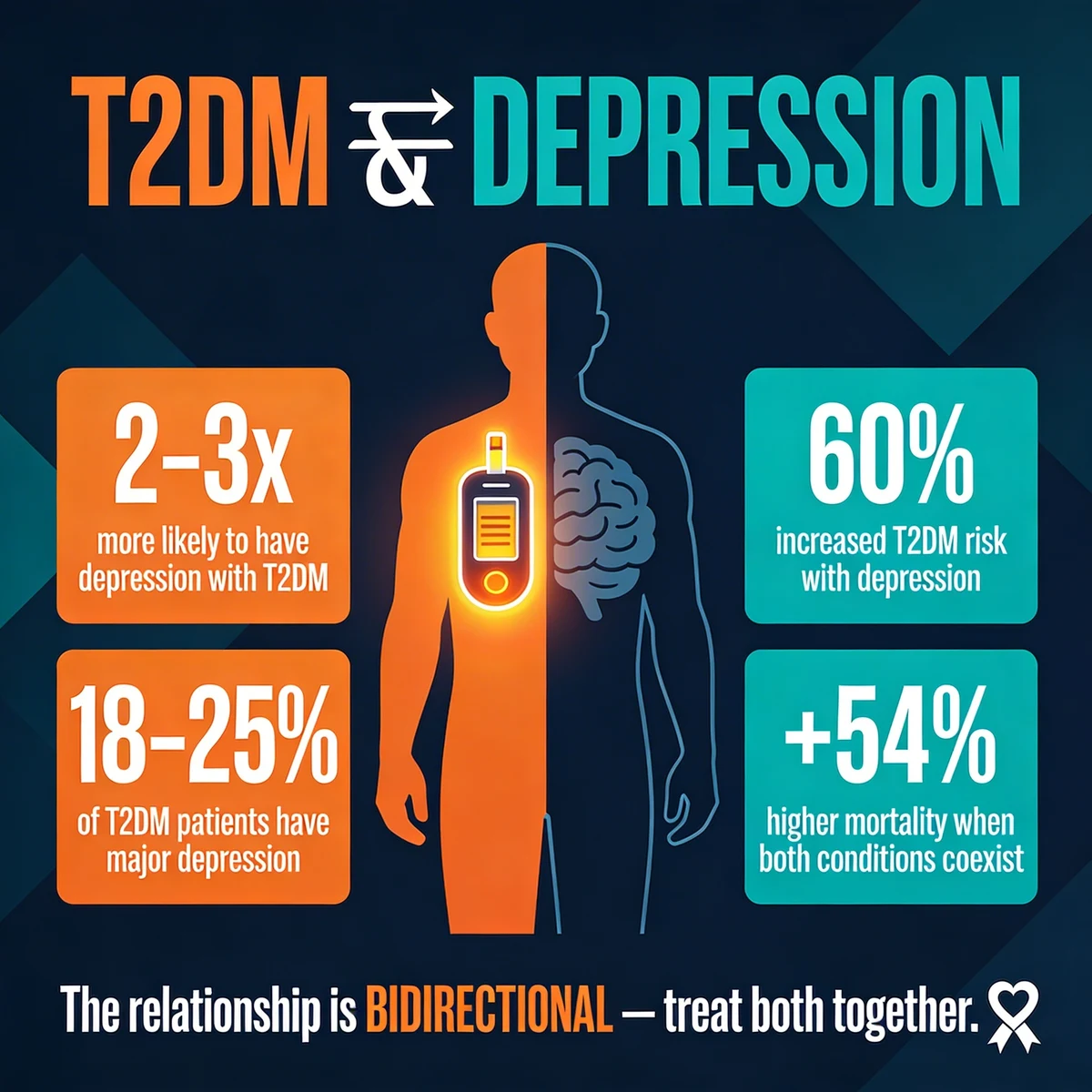
Diabetes and Depression Are Not Just Comorbidities—They Drive Each Other TL;DR: Diabetes and depression form a vicious cycle: high blood sugar triggers neuroinflammation and HPA axis dysfunction that cause depression, while depression sabotages blood sugar con…
Read article ↗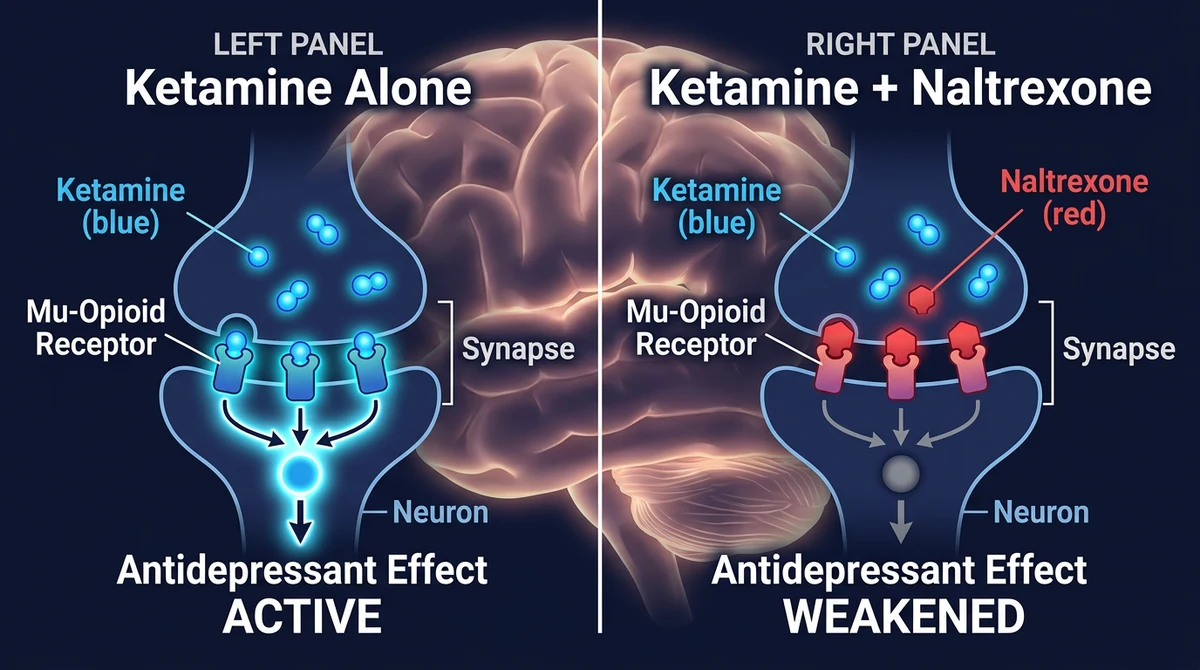
Opioid System Activation is Required for Ketamine’s Antidepressant Effects Ketamine is fast—a single subanesthetic infusion reduces severe depression symptoms within hours, not weeks. But the mechanism remains incompletely understood. For nearly two decades, r…
Read article ↗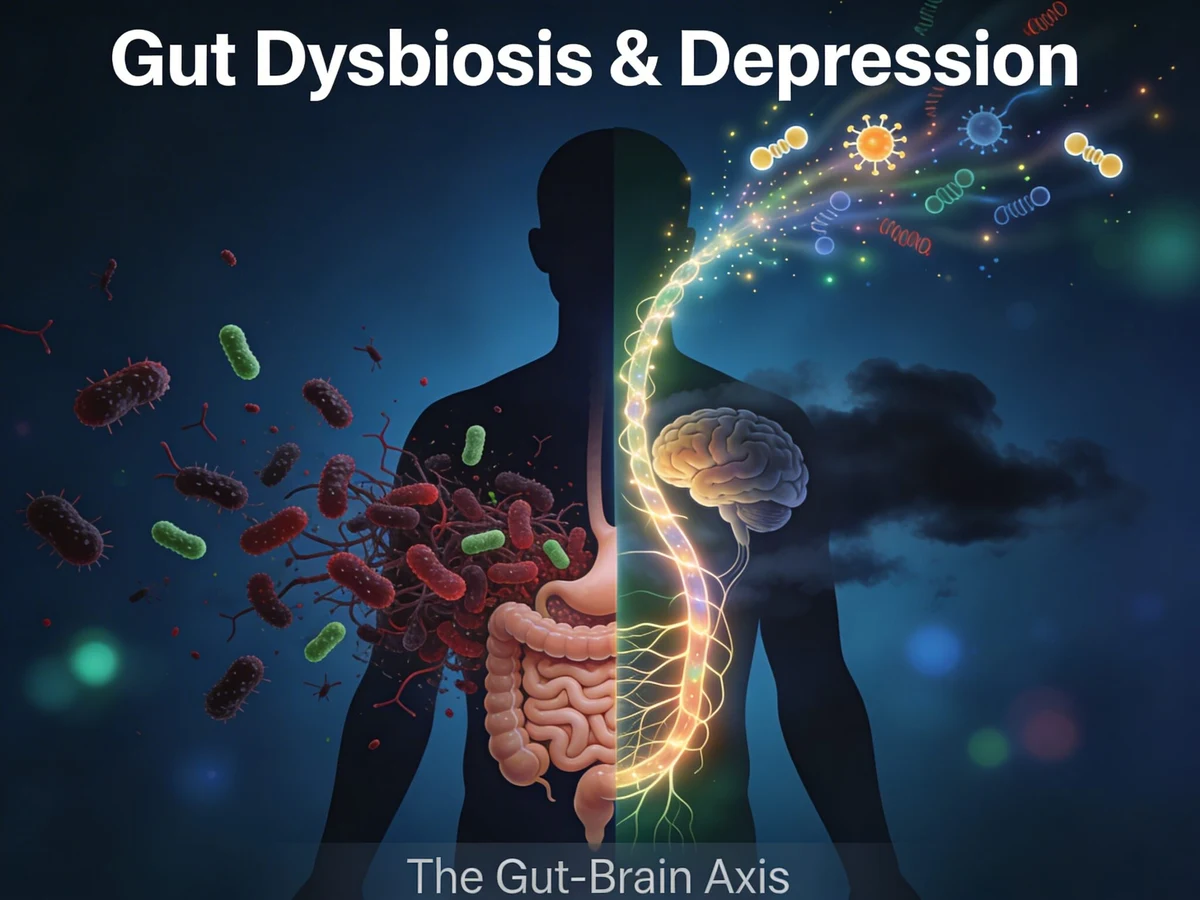
Dysbiotic Gut Microbiota Depletes Amino Acids and Triggers Depression in Youth Depression in children and adolescents affects 4–5% of youth worldwide, with rates climbing steeply over the past decade. Conventional treatment targets serotonin—but new evidence r…
Read article ↗
The Tiniest Neural Recorder: How Light-Powered Implants Can Monitor the Brain for a Year TL;DR: A nanometer-scale wireless implant (MOTE) powered by light recorded stable brain activity in mice for a full year without tethers or degradation. Recording brain ac…
Read article ↗
Elevated fingernail cortisol levels can distinguish individuals with lifetime major depressive disorder (MDD) from healthy controls, suggesting it as a promising biomarker for MDD. Highlights: Individuals with lifetime MDD had significantly higher fingernail c…
Read article ↗
A recent study identified that young autistic children with lower clinical severity and greater eye contact are more likely to respond positively to intranasal oxytocin treatment. Highlights: Response Rate: 61.5% of one identified autism subtype responded to o…
Read article ↗
Video game addiction (VGA) is associated with significant deficits in response inhibition and preparatory processes, reflected by more commission errors and reduced N2 amplitudes in the cued Go/NoGo task. Highlights: Increased Commission Errors: Individuals wi…
Read article ↗
This study found that individuals with the AG/GG genotype of the A118G SNP in the OPRM1 gene experienced more pleasant and fewer unpleasant effects from hydromorphone compared to those with the AA genotype, suggesting genotype-based differences in opioid sensi…
Read article ↗
Individuals at risk for cannabis use disorder (CUD) exhibit increased dynamic fluidity and altered connectivity patterns in brain networks, suggesting early changes in brain function that may contribute to cannabis addiction risk. Highlights: At-risk individua…
Read article ↗