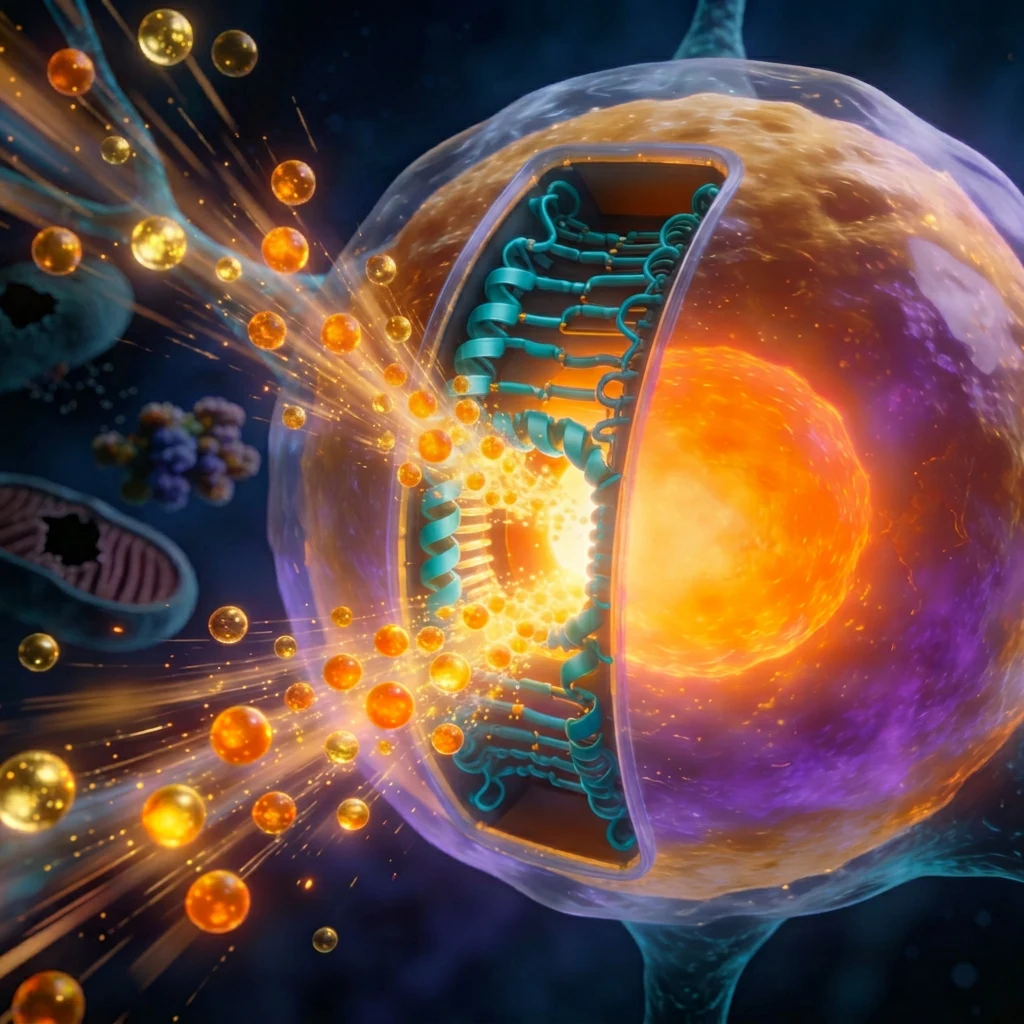
How a Hidden Proton Channel Sabotages Brain Cells in Parkinson’s TL;DR: A newly decoded proton channel called TMEM175 lies dormant in lysosomes until acid arrives—then it opens wide and floods the cell with hydrogen ions, disrupting the delicate pH balance lin…
Read article ↗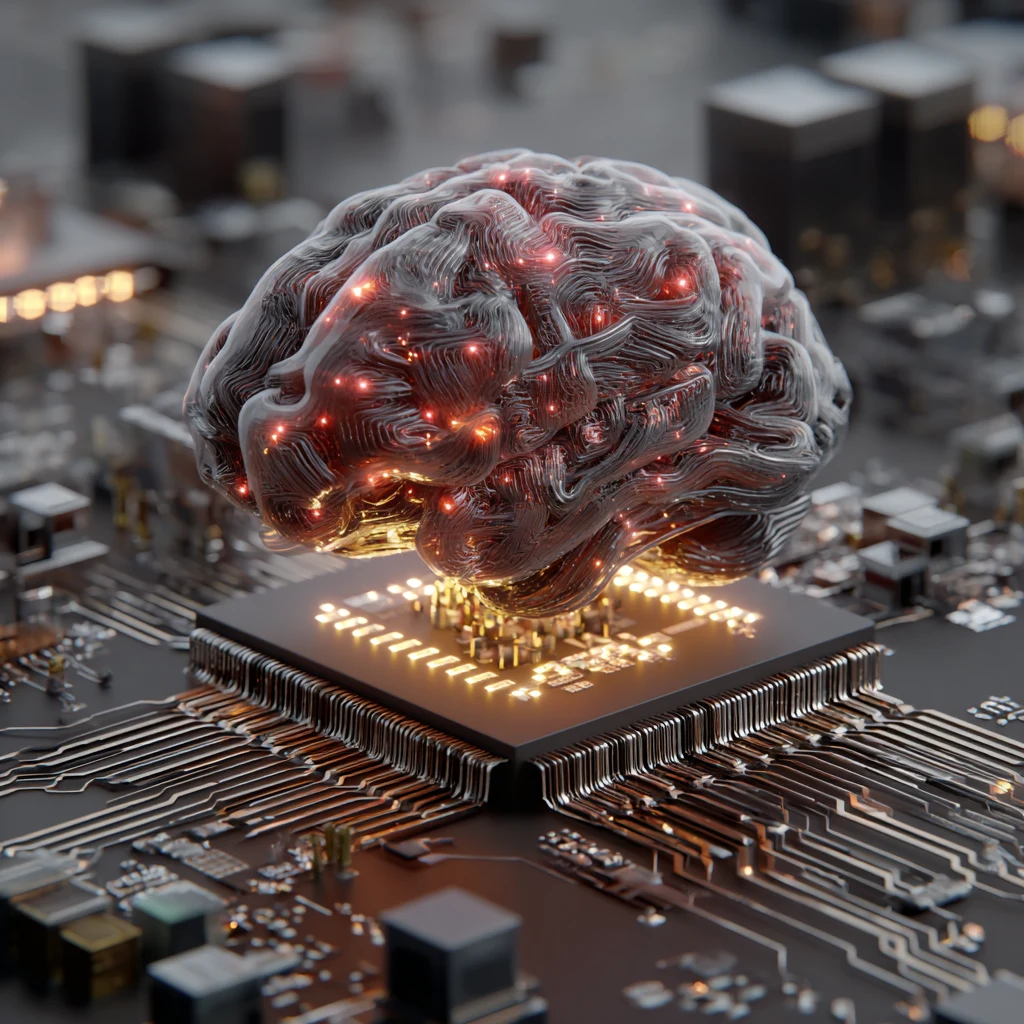
The Tiniest Neural Recorder: How Light-Powered Implants Can Monitor the Brain for a Year TL;DR: A nanometer-scale wireless implant (MOTE) powered by light recorded stable brain activity in mice for a full year without tethers or degradation. Recording brain ac…
Read article ↗
Guanfacine extended release (GXR) may effectively improve cognitive impairments and brain activity in long-COVID patients. Highlights: Patient Presentation: A 32-year-old woman experienced cognitive impairments such as difficulty in word recall, reading, and w…
Read article ↗
ACOT7 shows promise as a non-invasive serum biomarker for Alzheimer’s disease (AD) with high diagnostic accuracy. Highlights: Increased Expression: ACOT7 levels were significantly elevated in AD patients and animal models compared to controls. Correlation with…
Read article ↗
Gut microbiota may influence epilepsy, but the exact mechanisms and involved microbiota are unclear, with potential treatments including ketogenic diets, probiotics, and fecal microbiota transplants being explored. Highlights: Approximately 33% of epilepsy pat…
Read article ↗
Nanoparticle-enhanced radiotherapy (NERT) is a promising approach to improving brain tumor treatment by enhancing radiotherapy efficacy through targeted delivery and radiosensitization while overcoming challenges posed by the blood-brain barrier. Highlights: M…
Read article ↗
A study found a strong link between mitochondrial disorders and conditions like autism, ADHD, and various psychiatric issues. Highlights: Common Link: Mitochondrial disorders are frequently found in people with autism, ADHD, and intellectual disabilities. ASD…
Read article ↗
Repurposing antipsychotics and antidepressants with favorable safety profiles and blood-brain barrier permeability shows promise for glioblastoma (GBM) treatment, primarily through disrupting lysosomal function and inducing cell death. Highlights: Mechanism of…
Read article ↗
Psychosocial factors such as stress and depression, along with physical health issues like tympanic abnormalities and diabetes, significantly contribute to dizziness and chronic dizziness in adults. Highlights: Prevalence & Chronicity: Dizziness affected 24.6%…
Read article ↗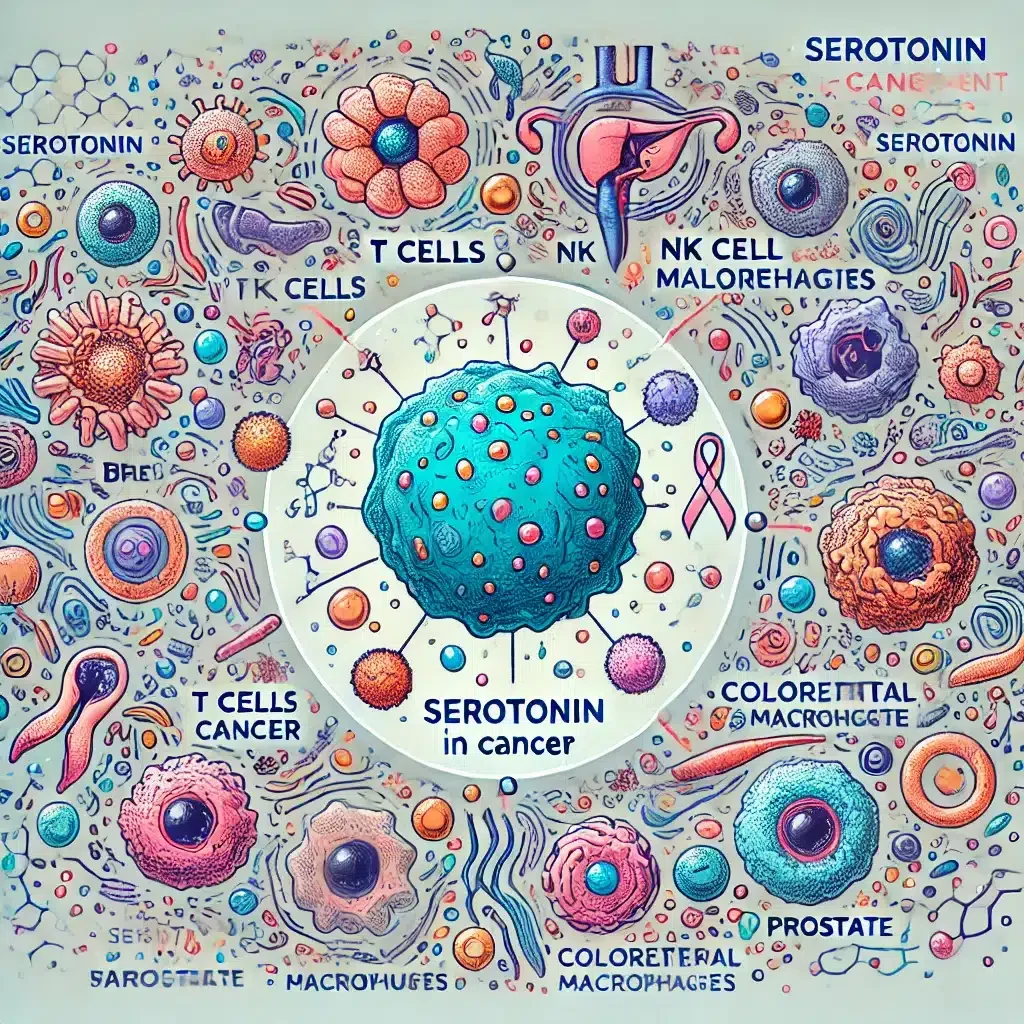
Cancer patients frequently experience depressive symptoms, and the role of serotonin in tumor regulation varies across different types. Highlights: Prevalence of Depression in Cancer Patients: A significant portion of cancer patients experience depressive symp…
Read article ↗