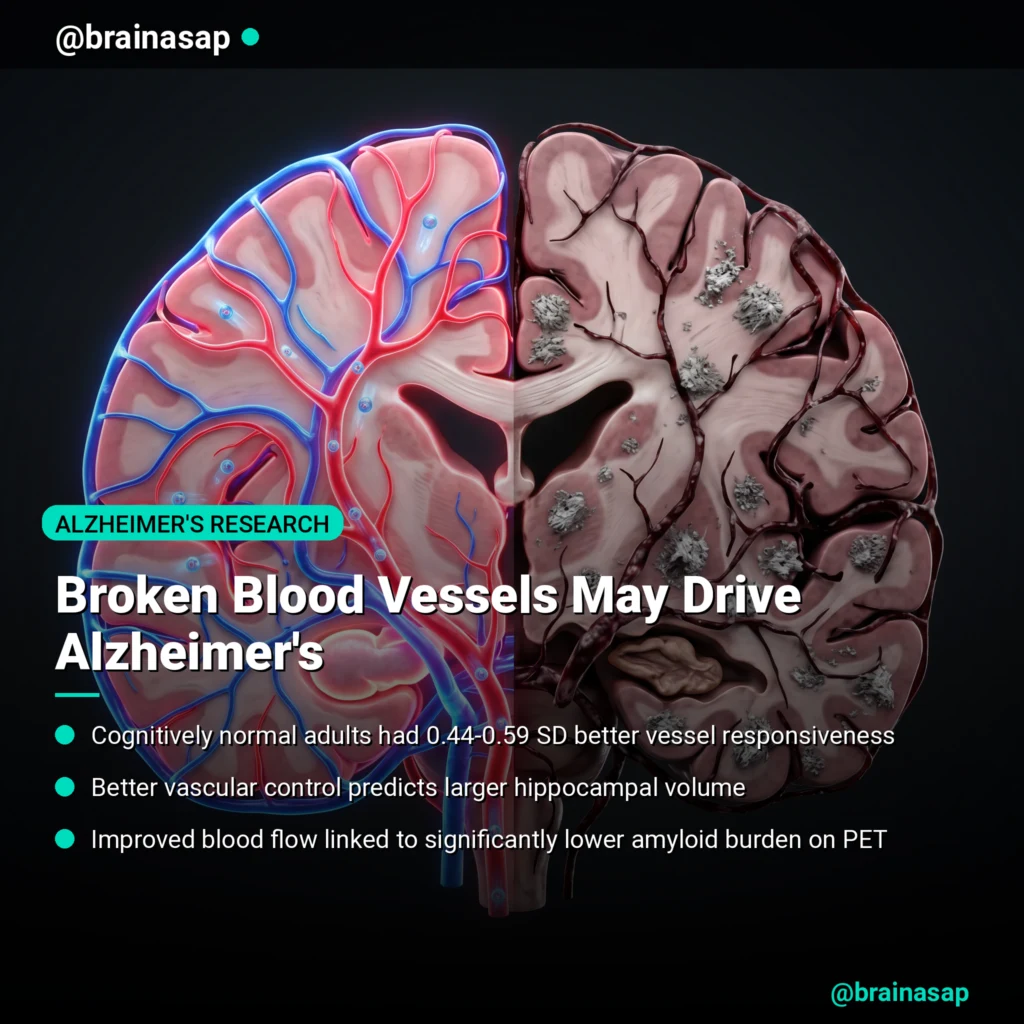
Broken Blood Vessels May Drive Alzheimer’s Decline TL;DR: A new study reveals that impaired cerebrovascular function—the brain’s ability to regulate blood flow—correlates strongly with Alzheimer’s symptoms, offering a potential non-invasive way to detect early…
Read article ↗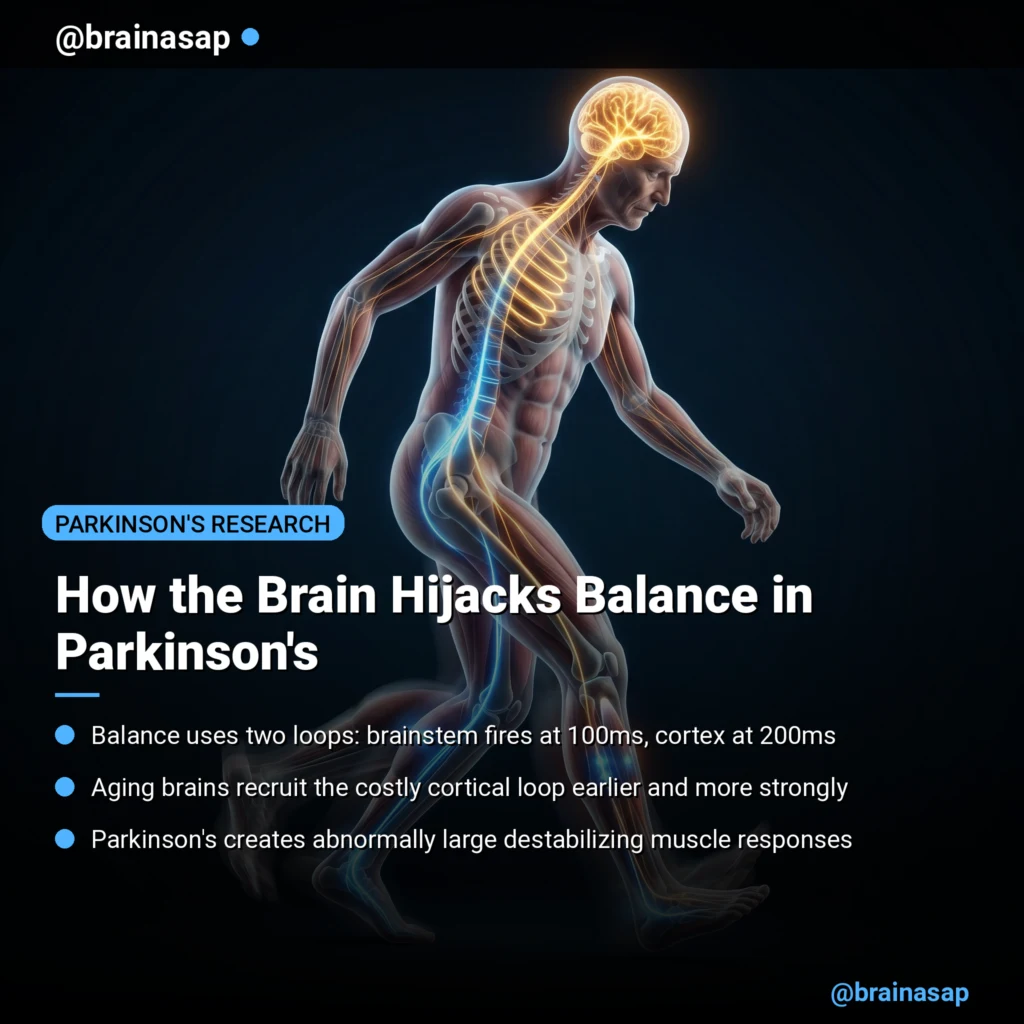
How the Brain Hijacks Balance Control in Parkinson’s TL;DR: When older adults face large balance challenges, their brains shift from relying on quick brainstem reflexes to slower cortical circuits—a shift that happens even in Parkinson’s disease, revealing a m…
Read article ↗
How Lecanemab Clears Brain Amyloid: The Microglia Key TL;DR: Lecanemab, the first Alzheimer’s antibody to slow cognitive decline, works by activating immune cells called microglia through a specific immune signaling pathway, with the molecule SPP1/osteopontin…
Read article ↗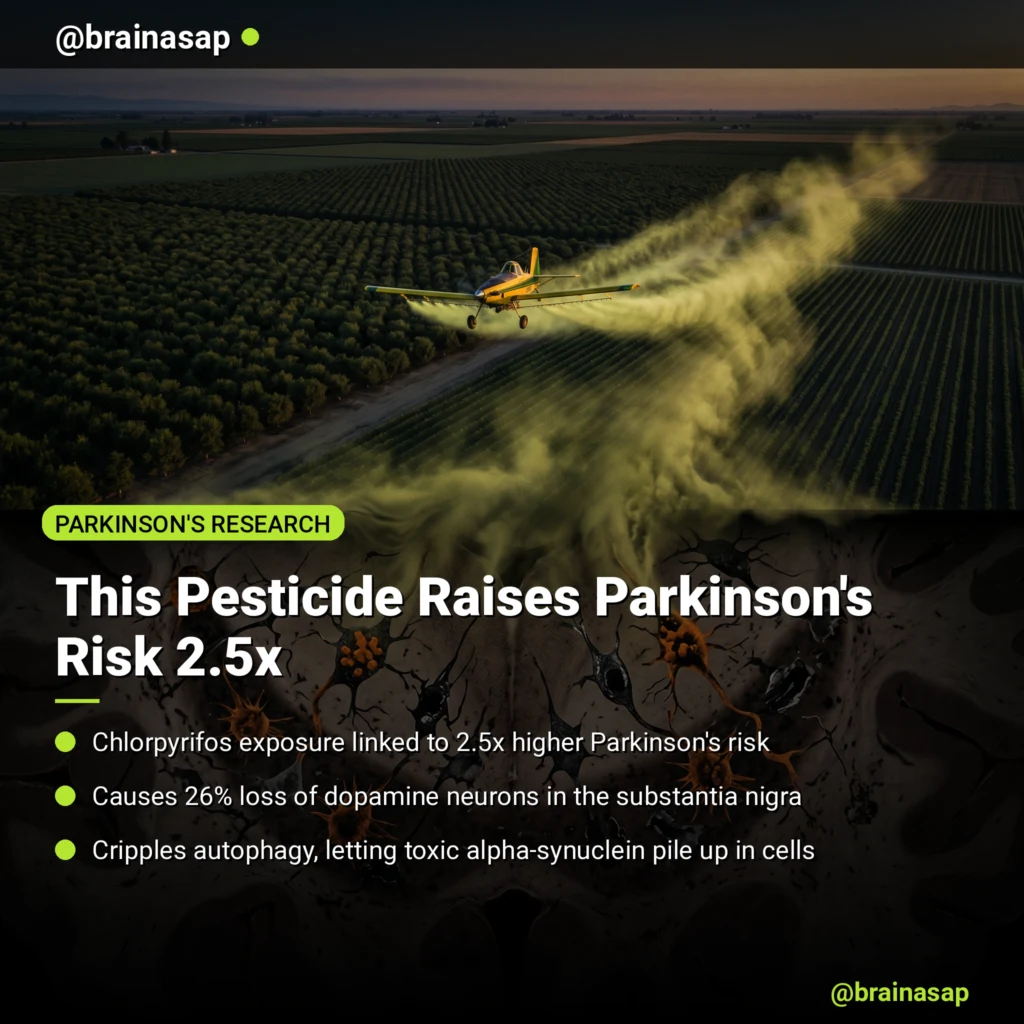
Chlorpyrifos Linked to 2.5x Higher Parkinson’s Risk TL;DR: A pesticide sprayed on US crops decades ago more than doubles your risk of Parkinson’s disease, and new research shows exactly how it damages dopamine neurons. You probably never heard of chlorpyrifos,…
Read article ↗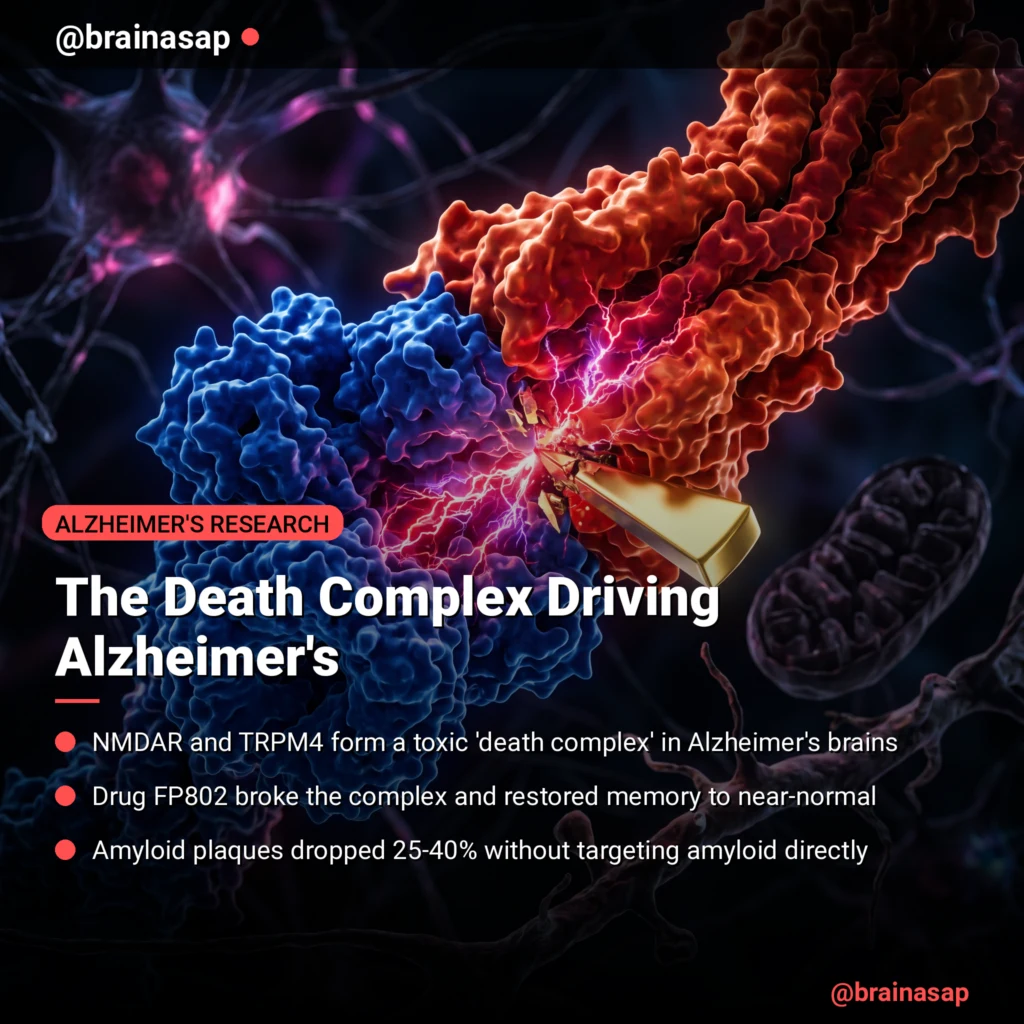
The Death Complex Fueling Alzheimer’s (And How to Stop It) TL;DR: Researchers discovered a toxic interaction between two brain proteins—NMDAR and TRPM4—that drives neurodegeneration in Alzheimer’s disease, and a small molecule called FP802 that blocks this “de…
Read article ↗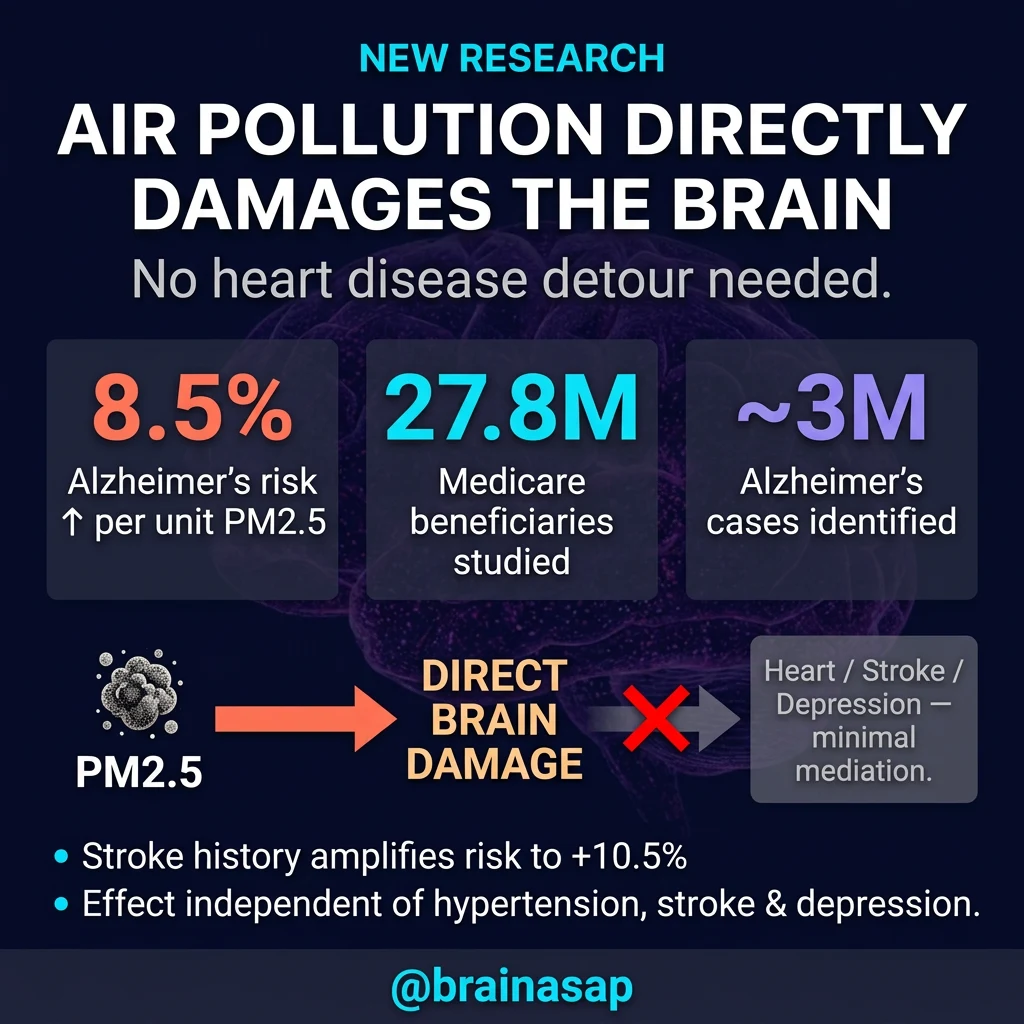
Dirty Air, Fragile Brain: PM2.5’s Direct Link to Alzheimer’s TL;DR: A massive study of 27.8 million Medicare beneficiaries found that exposure to fine air pollution (PM2.5) increases Alzheimer’s risk by 8.5% per unit increase—and this effect operates largely t…
Read article ↗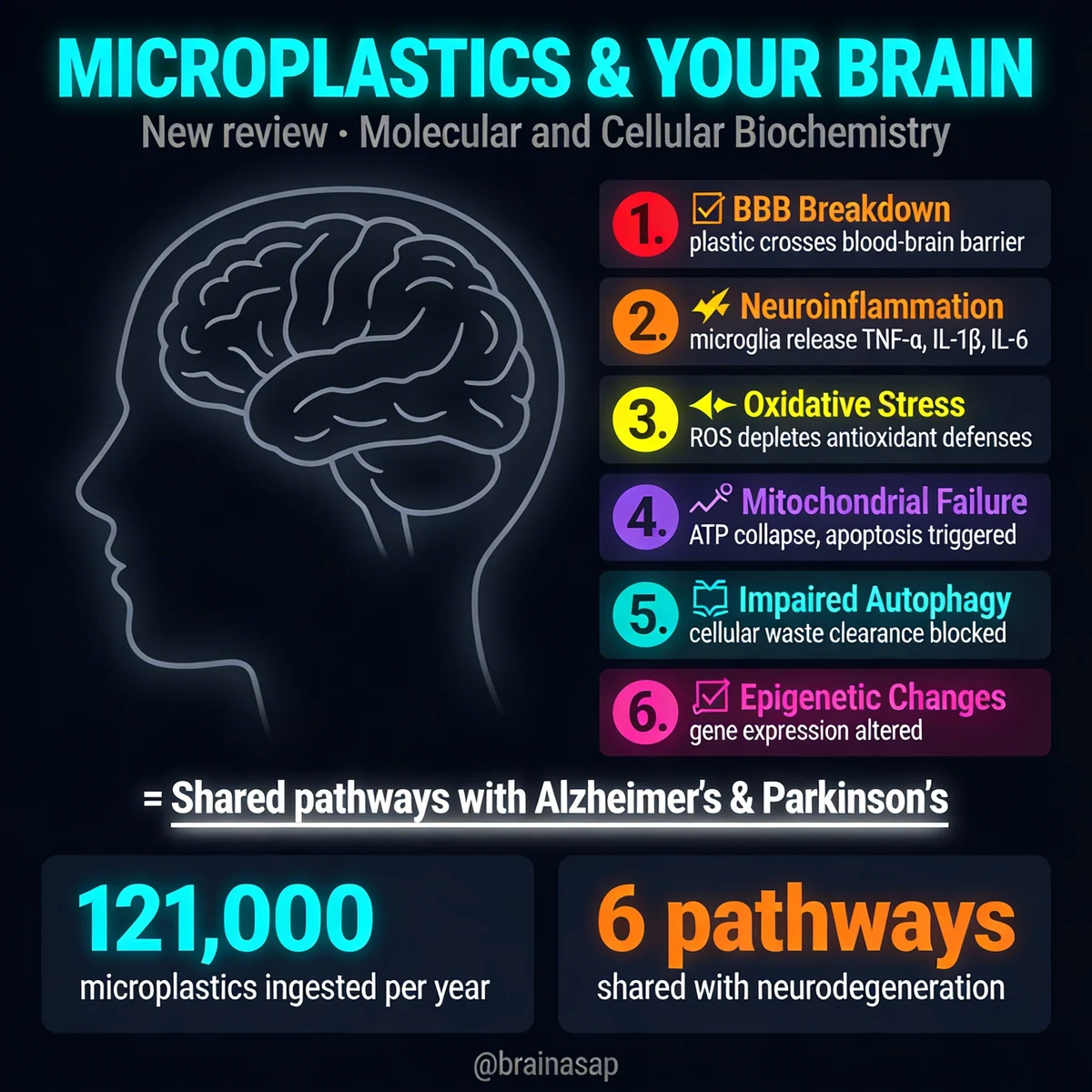
Microplastics and Brain Damage: The Hidden Link TL;DR: Microplastics circulating in your blood may accelerate Alzheimer’s and Parkinson’s disease through six shared pathways—including blood-brain barrier breakdown, chronic inflammation, and oxidative stress. Y…
Read article ↗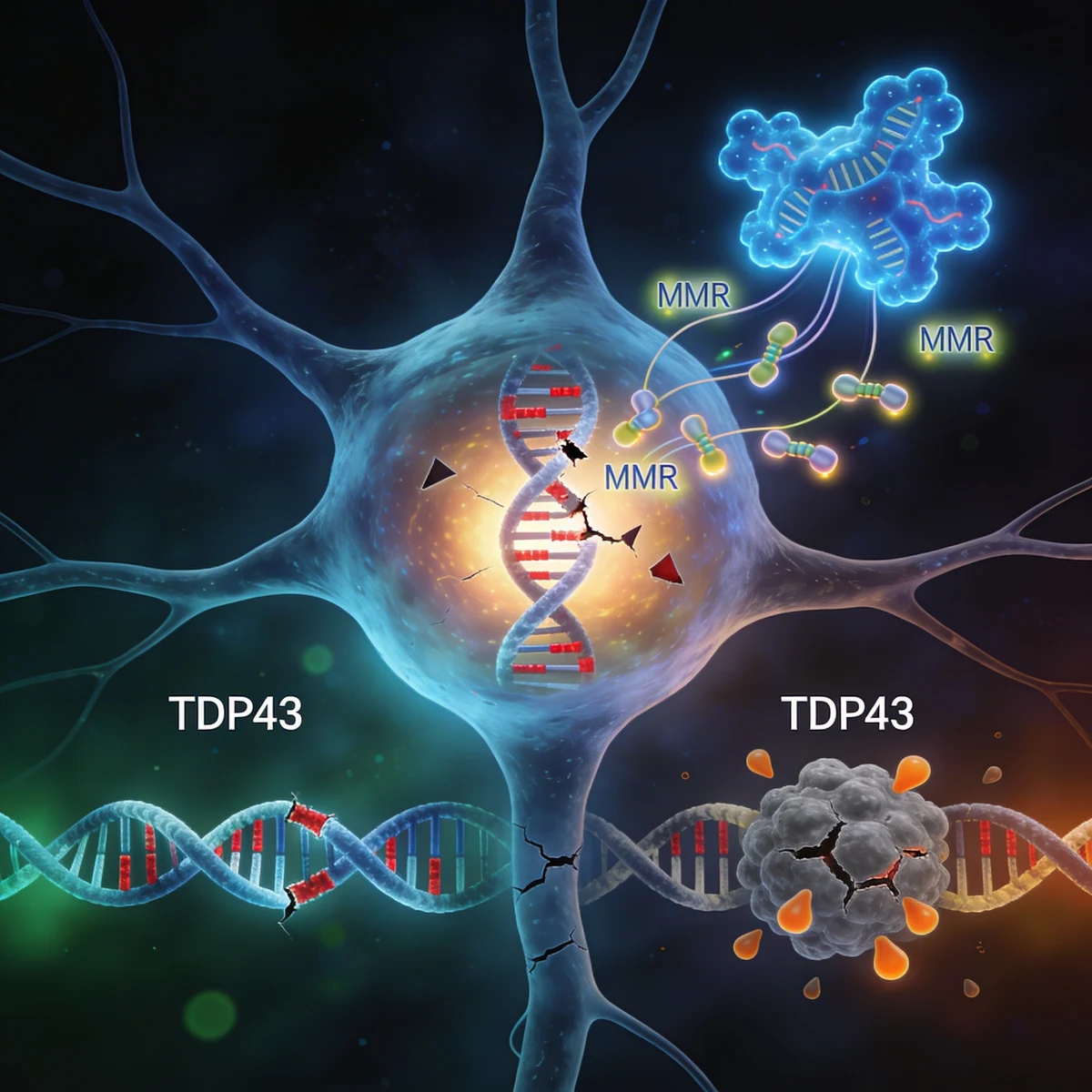
The Broken Repair Crew: How TDP43 Sabotages Genome Stability TL;DR: TDP43, the protein that misfires in ALS and FTD, secretly controls DNA repair genes—and when it breaks, mutations pile up in neurons, potentially explaining both neurodegeneration and the canc…
Read article ↗
Blood Test Predicts Alzheimer’s 3-4 Years Early TL;DR: A blood test measuring phosphorylated tau-217 can predict when cognitively normal people will develop Alzheimer’s symptoms with a 3.0-3.7 year margin of error, potentially transforming how researchers iden…
Read article ↗
Blood Test Detects Alzheimer’s with 83% Accuracy TL;DR: A new blood test using three misfolded plasma proteins can identify Alzheimer’s disease with 83.44% accuracy, outperforming conventional biomarkers and offering a non-invasive screening tool years before…
Read article ↗