TL;DR: A 2025 scoping review in European Psychiatry screened 292 randomized trials of adults diagnosed with attention-deficit/hyperactivity disorder (ADHD) and reported that 49.7% did not assess general psychopathology and only 35% had the ADHD diagnosis alloc…
Read article ↗
TL;DR: A 2025 meta-analysis in the Journal of Attention Disorders pooled 24 studies (N=6,815) and estimated that 11.31% of children and adolescents with ADHD had co-occurring depression — about six times the rate seen in neurotypical peers in head-to-head case…
Read article ↗
TL;DR: A 2026 Mendelian randomization study in Progress in Neuro-Psychopharmacology & Biological Psychiatry used genetic data to test direction of effect between brain structure and neurodevelopmental conditions, and found that increased surface area in the su…
Read article ↗
Autism Severity Showed Up in a Shared ADHD Connectome TL;DR: In 166 verbal children diagnosed with either autism or ADHD without autism, stronger resting-state coupling between the left middle frontal gyrus and posterior cingulate cortex tracked clinician-rate…
Read article ↗
Insomnia and daytime napping are causally associated with an increased risk of major depressive disorder (MDD), while sleep duration influences the risk of schizophrenia and attention-deficit/hyperactivity disorder (ADHD). Highlights: Major Depressive Disorder…
Read article ↗
Probiotics and prebiotics show potential benefits in improving symptoms and quality of life in children with ADHD, but more extensive studies are needed to confirm these effects. Highlights: Positive Impact on Functioning: Lactobacillus rhamnosus GG (LGG) supp…
Read article ↗
Fidgeting in adults with ADHD may serve as a compensatory mechanism to sustain attention during cognitively demanding tasks, particularly during correct task performance and when reaction time variability is low. Highlights: Fidgeting was significantly higher…
Read article ↗
A study found a strong link between mitochondrial disorders and conditions like autism, ADHD, and various psychiatric issues. Highlights: Common Link: Mitochondrial disorders are frequently found in people with autism, ADHD, and intellectual disabilities. ASD…
Read article ↗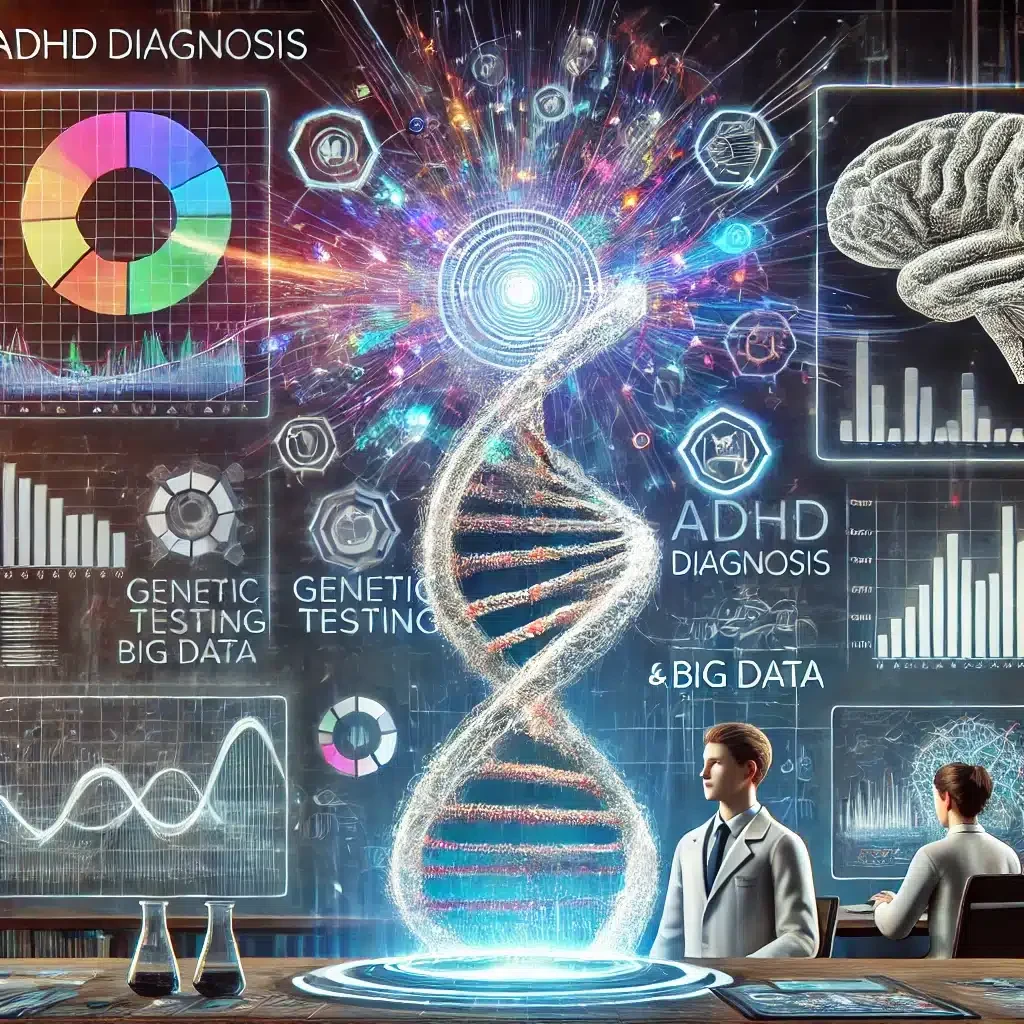
The ADHD polygenic score (PGS) adds slight yet statistically significant value to existing ADHD diagnostic tools, though it currently lacks clinical utility. Highlights: Study Overview: Researchers tested if adding a genetic score (ADHD PGS) to traditional dia…
Read article ↗
TLDR: A patient developed a compulsive chewing behavior when taking mixed amphetamine salts (MAS) for ADHD, highlighting the need to monitor for unusual side effects with stimulant use. Highlights: Patient Background: The patient is a 32-year-old woman with a…
Read article ↗