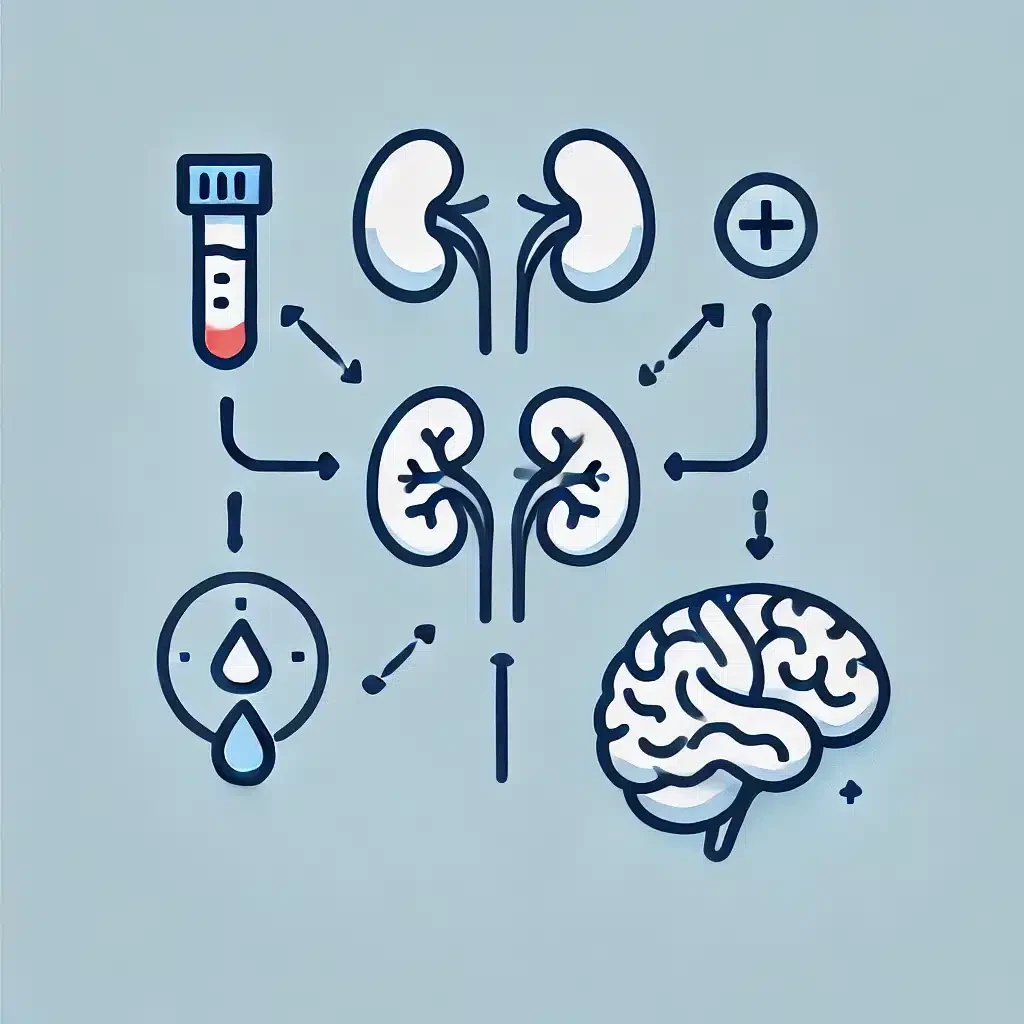
Elevated blood urea nitrogen and creatinine ratio (BUNCr) is associated with decreased cognitive function and increased depressive symptoms, with depressive symptoms mediating part of the relationship between BUNCr and cognitive decline. Highlights: BUNCr has…
Read article ↗
A study found shared brain-specific mechanisms between Alzheimer’s disease (AD) and depression, particularly involving synaptic signaling and immune system pathways in the hippocampus, but no direct genetic overlap. Highlights: Six brain-specific eQTL genes (S…
Read article ↗
Ketamine significantly reduces suicidal ideation in depressed patients, with rapid effects observed within the first day of treatment. Highlights: Rapid Reduction: Ketamine shows a significant reduction in suicidal ideation within the first day of treatment (R…
Read article ↗
Repurposing general anesthetic drugs like ketamine for the treatment of major depression represents a significant medical advancement – showcasing rapid and sustained antidepressant effects. Highlights: Rapid Antidepressant Effects: Ketamine, nitrous oxide, pr…
Read article ↗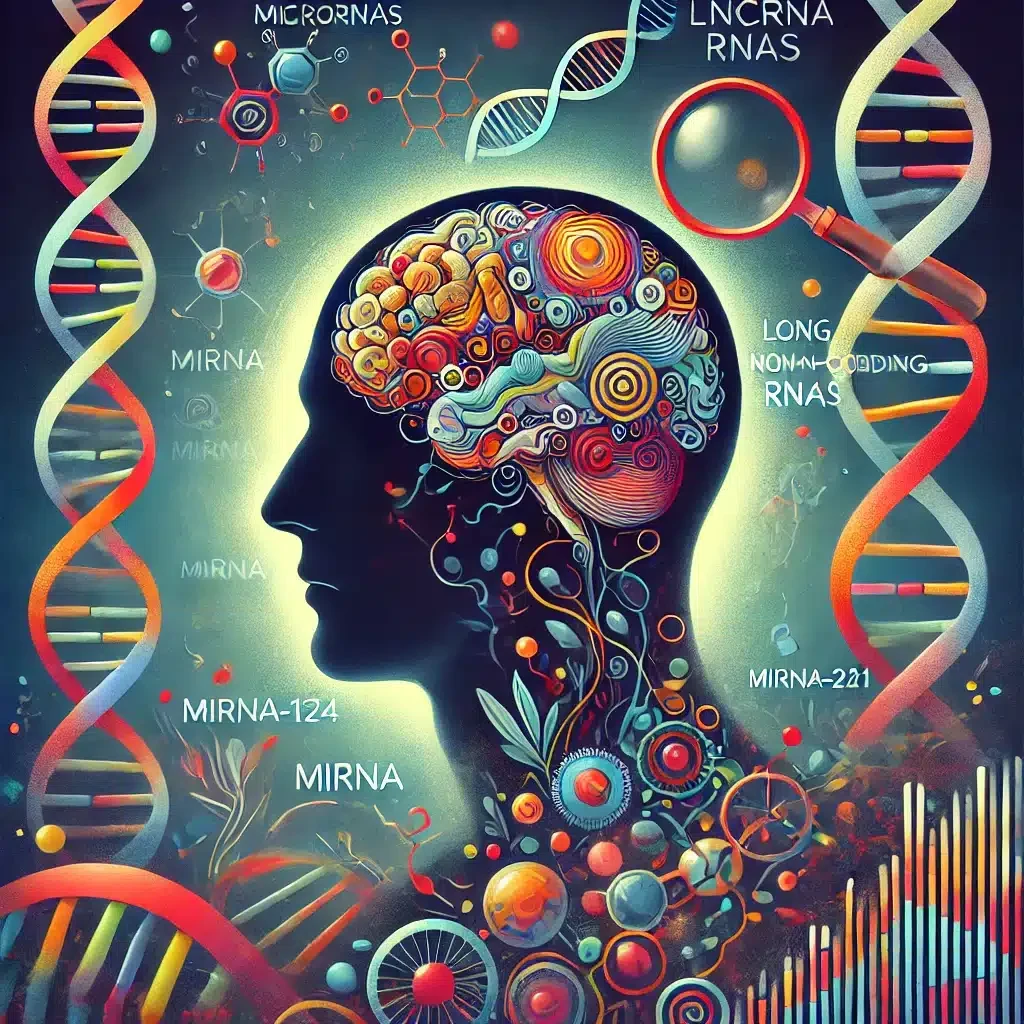
The study suggests that microRNAs (miRNAs) and long non-coding RNAs (lncRNAs) in blood and brain tissues can serve as significant biomarkers for diagnosing and monitoring major depressive disorder (MDD). Highlights: Diagnostic Potential: miRNAs and lncRNAs sho…
Read article ↗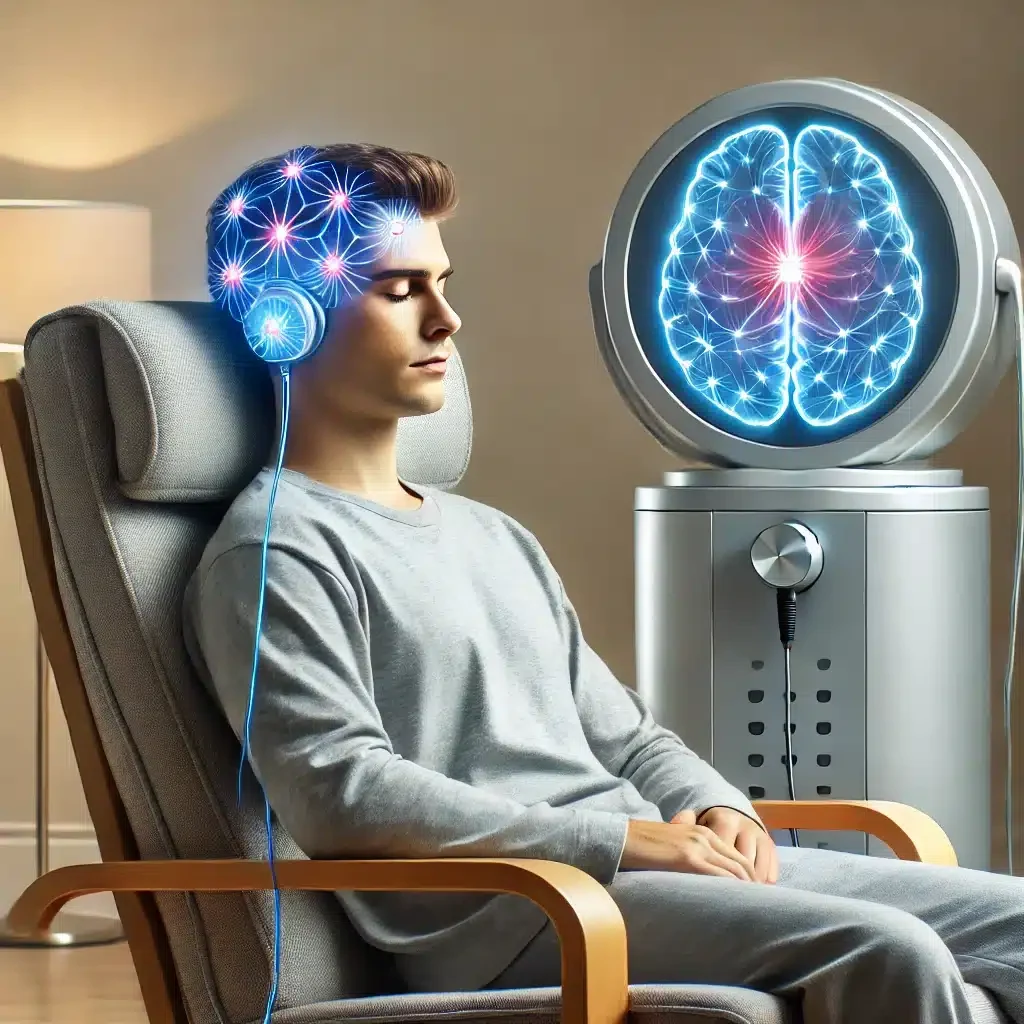
Transcranial magnetic stimulation (TMS) is underutilized in treating major depressive disorder (MDD) despite showing significant clinical benefits, with barriers including insurance coverage and limited access. Highlights: Study Scope: Analyzed real-world data…
Read article ↗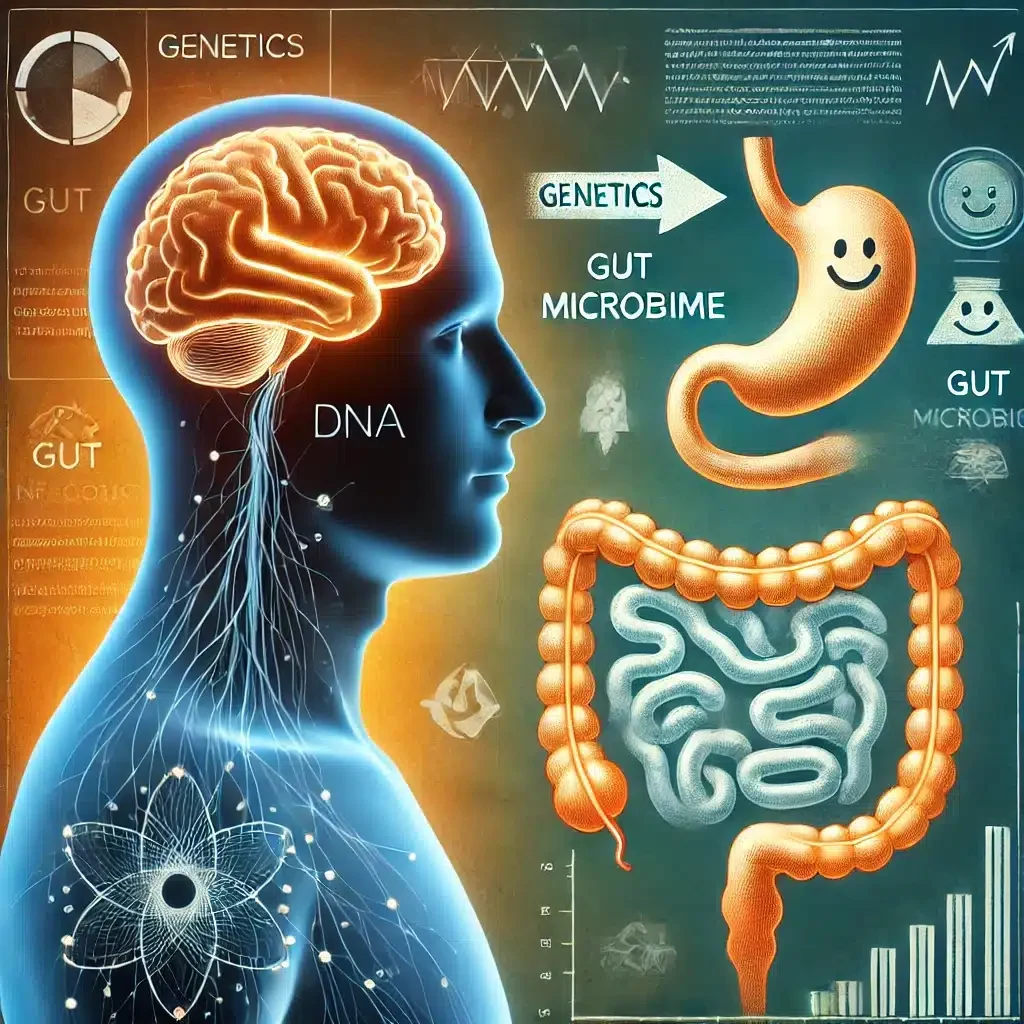
Alterations in the gut microbiome are causally linked to major depressive disorder (MDD), with certain gut bacteria either increasing or decreasing the risk of developing MDD. Highlights: Protective Bacteria: Ten gut bacterial taxa, including phylum Actinobact…
Read article ↗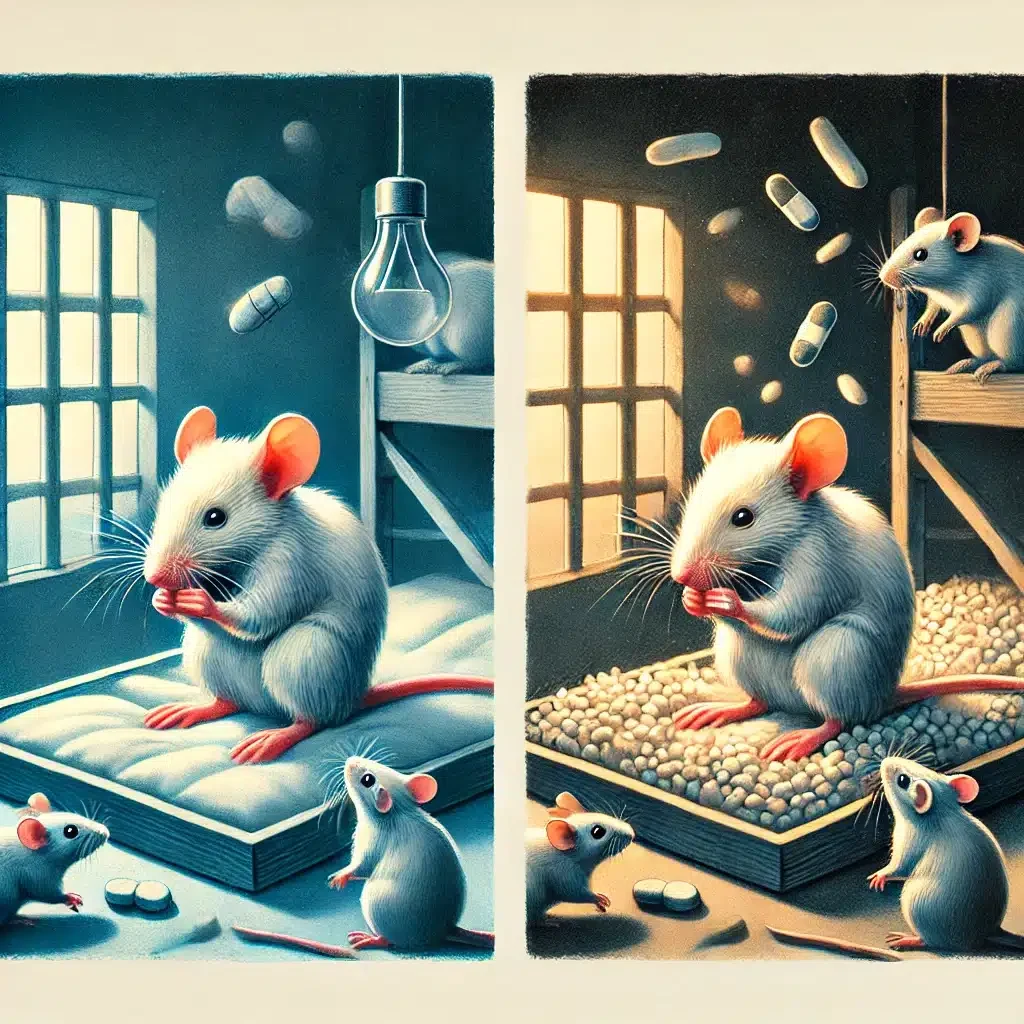
Allopregnanolone shows antidepressant-like effects in mice by increasing social interaction and specific brain wave activities, unlike diazepam. Highlights: Allopregnanolone: Allopregnanolone, a neuroactive steroid, increases social interaction time in mice ex…
Read article ↗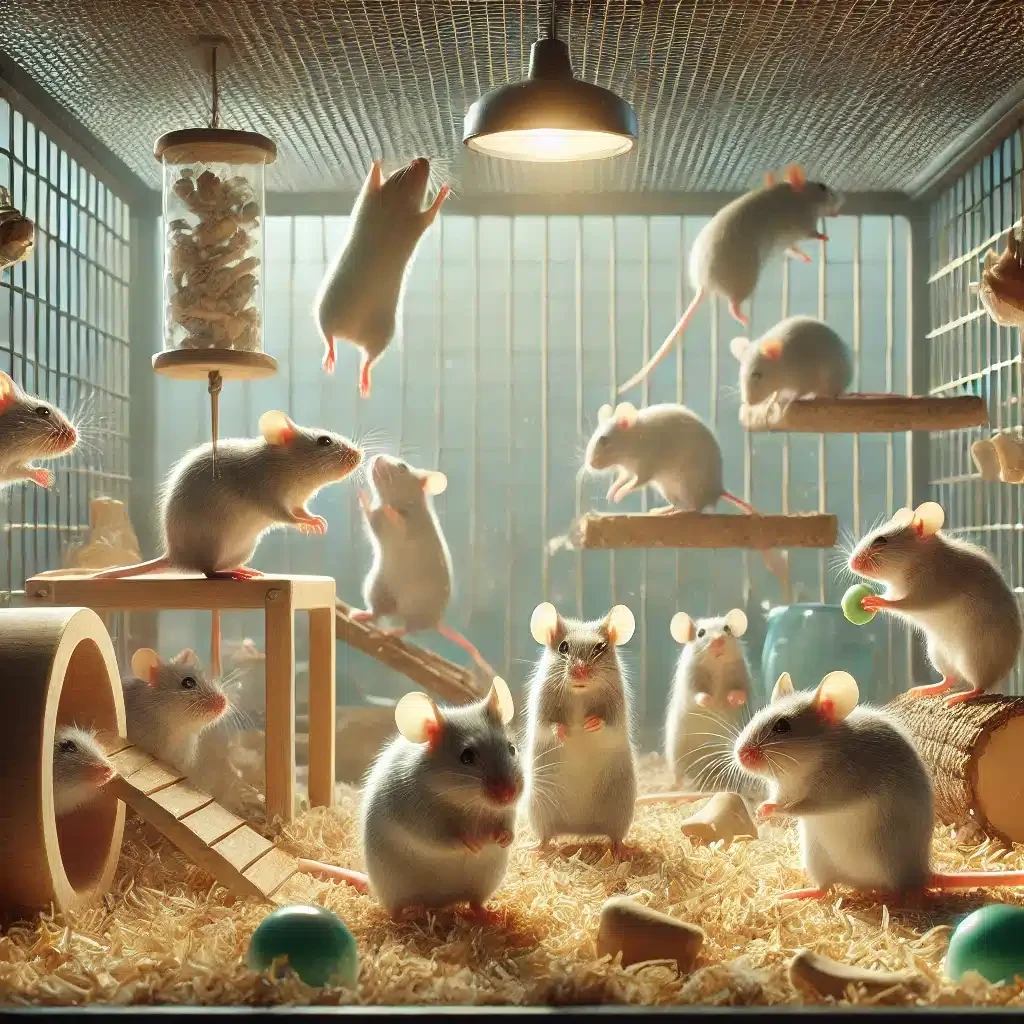
Resocialization significantly reduces depressive behaviors in socially isolated mice by decreasing neuroinflammation and nitrite levels in the hippocampus. Highlights: Depressive Behaviors: Resocialization reduced depressive behaviors in socially isolated mice…
Read article ↗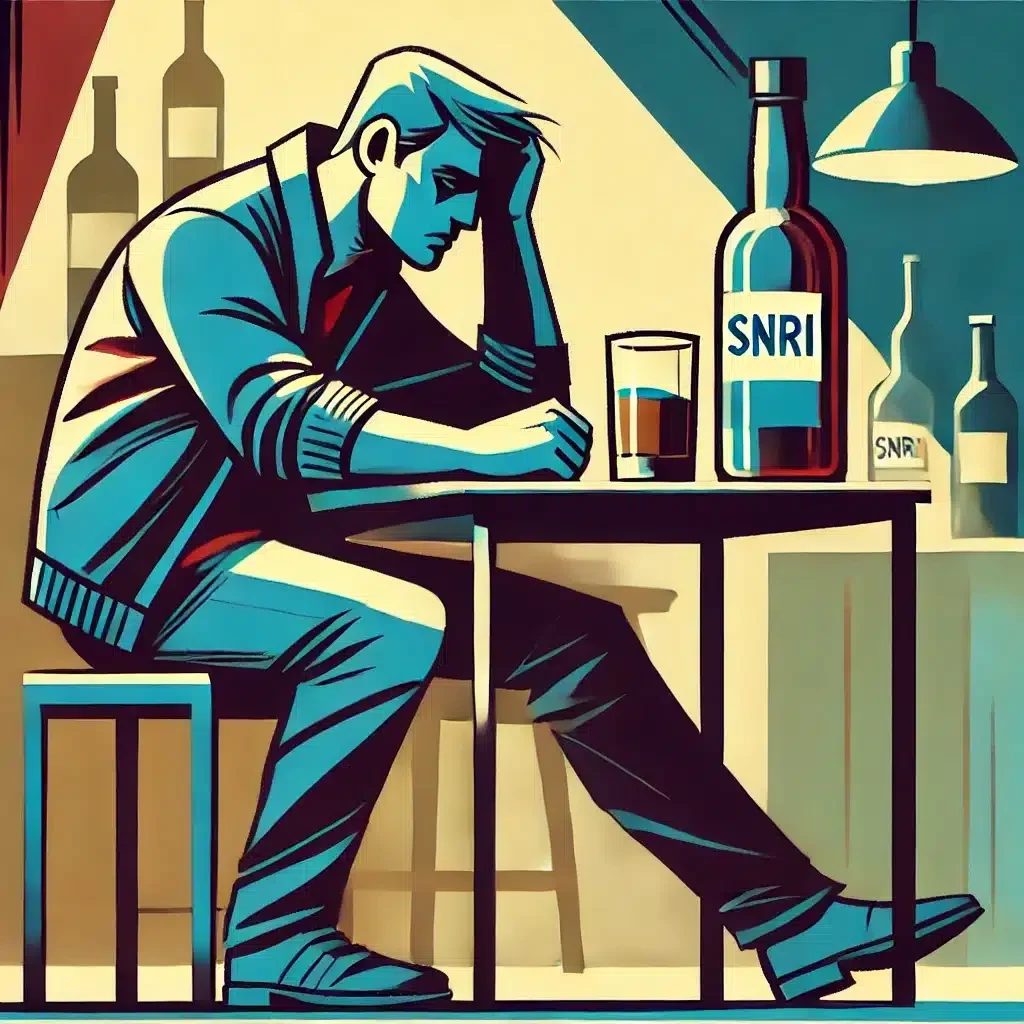
Moderate alcohol intake in men treated with SNRI antidepressants significantly increases the risk of depression relapse, according to a new study. Highlights: Risk Increase with SNRIs: Men with moderate alcohol consumption and elevated liver enzymes are signif…
Read article ↗