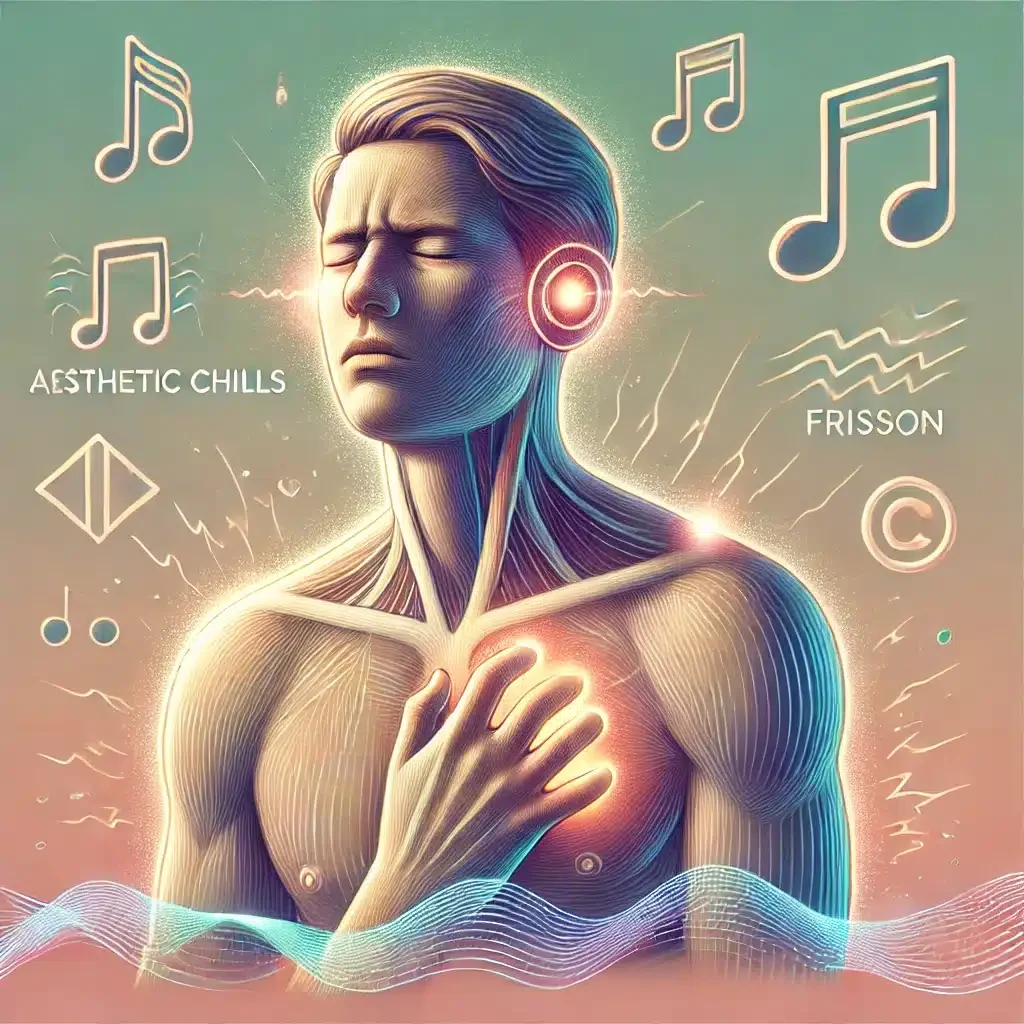
Experiencing aesthetic chills can positively influence self-related beliefs in people with depression, similar to the effects of psychedelics, suggesting potential as a non-pharmacological intervention. Highlights: Novel Approach: Aesthetic chills, characteriz…
Read article ↗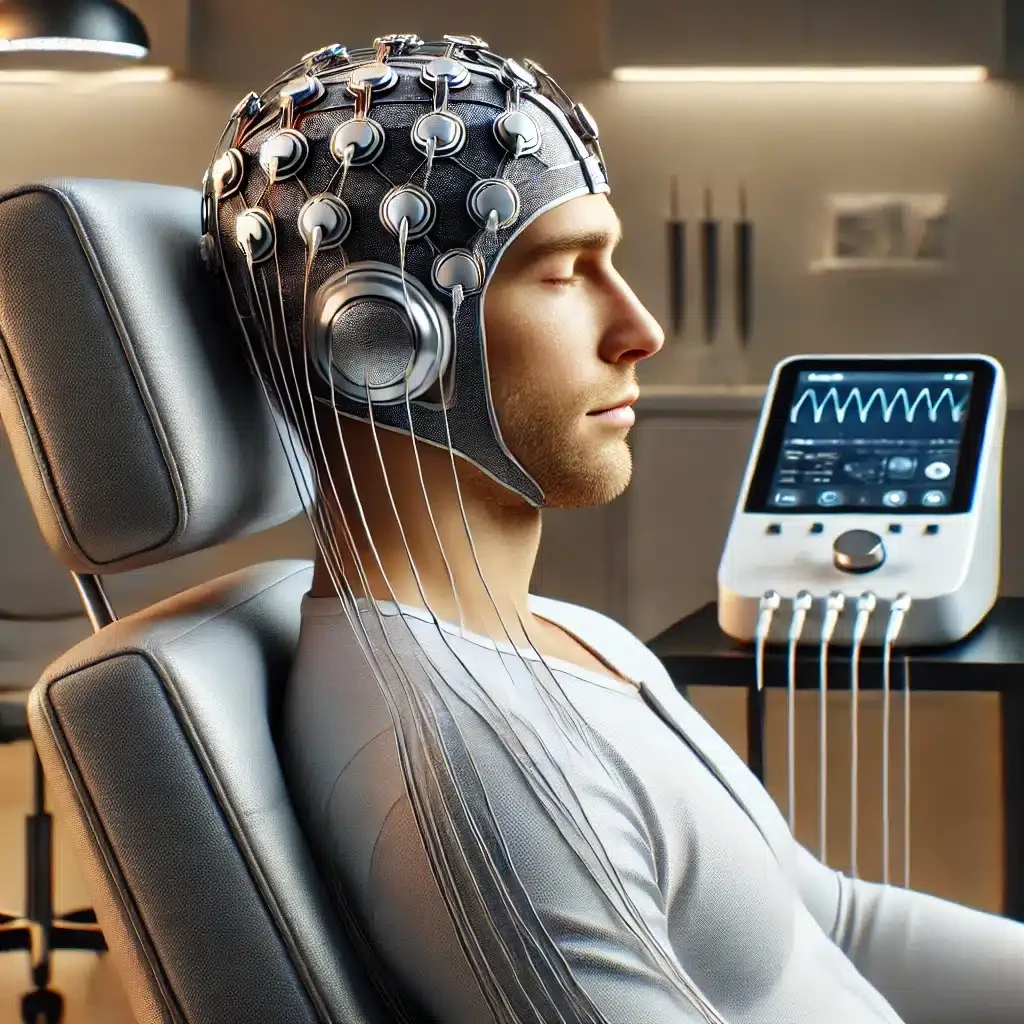
Adding transcranial alternating current stimulation (tACS) to antidepressant treatment improves depression symptoms more effectively than using antidepressants alone. Highlights: Enhanced Efficacy: tACS combined with antidepressants significantly reduces depre…
Read article ↗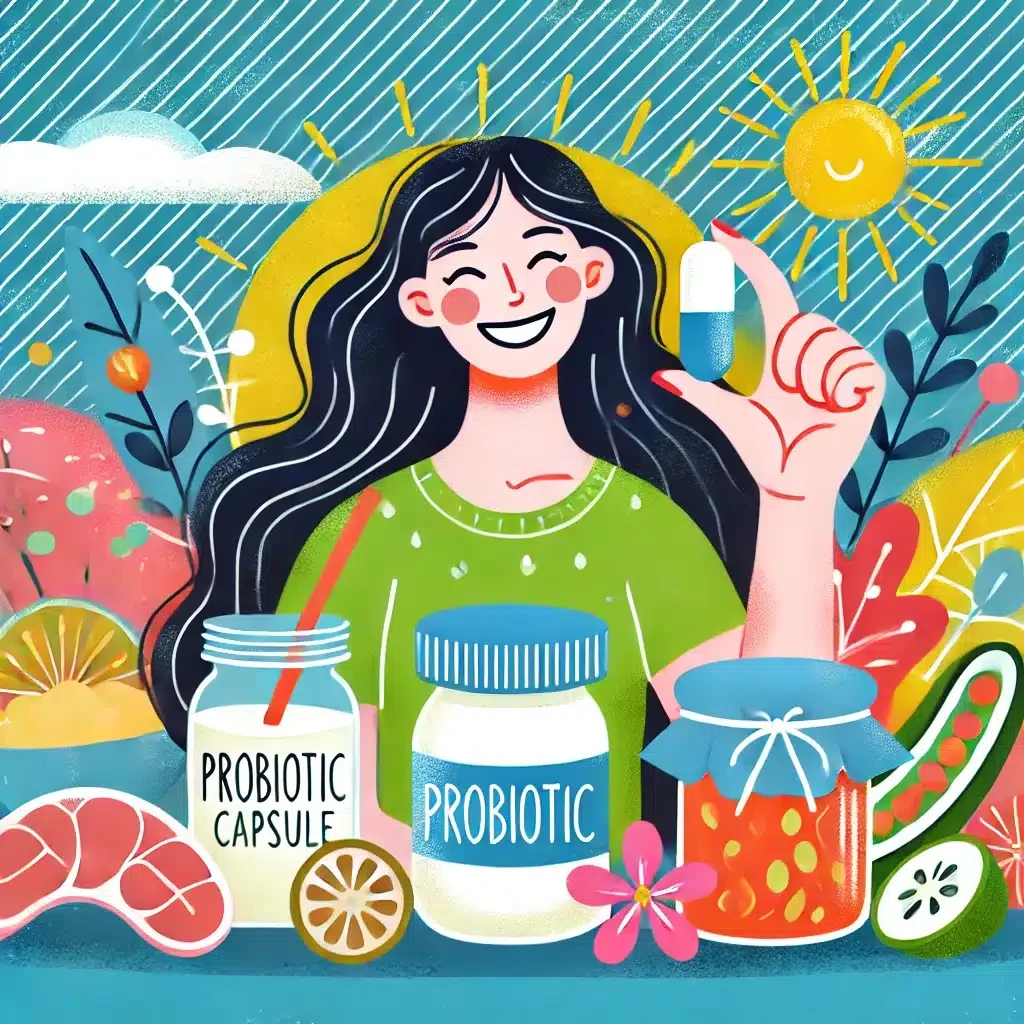
Probiotics may help improve sexual function and reduce depression severity in women treated with SSRIs. Highlights: Depression Prevalence: Approximately 5% of all adults will experience depressive disorder, often accompanied by reduced sexual desire and dysfun…
Read article ↗
A comprehensive study of nearly 5 million cancer patients over 40 years revealed fluctuating trends in cancer-related suicides in the U.S., with a recent significant decrease likely due to advancements in psychosocial care and cancer treatment. Highlights: Dat…
Read article ↗
Major depressive disorder (MDD) involves a topographic reorganization of brain activity from sensory to associative regions, affecting symptom co-occurrence through changes in neural dynamics and excitation-inhibition balance. Highlights: Topographic Reorganiz…
Read article ↗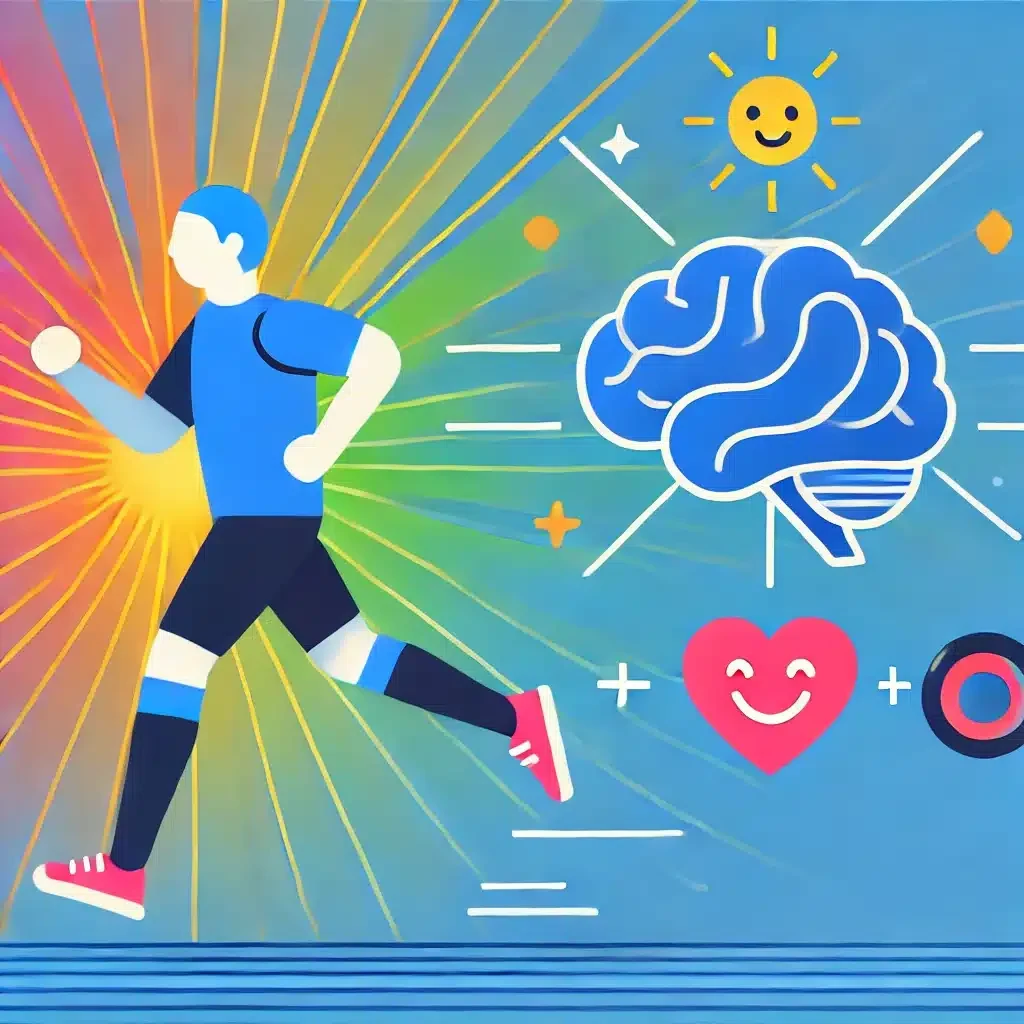
Aerobic exercise reduces depressive symptoms by decreasing inflammation, boosting dopamine transmission, and enhancing motivation and cognitive control. Highlights: Depression & Dopamine: Depression is linked to disrupted dopamine transmission, affecting rewar…
Read article ↗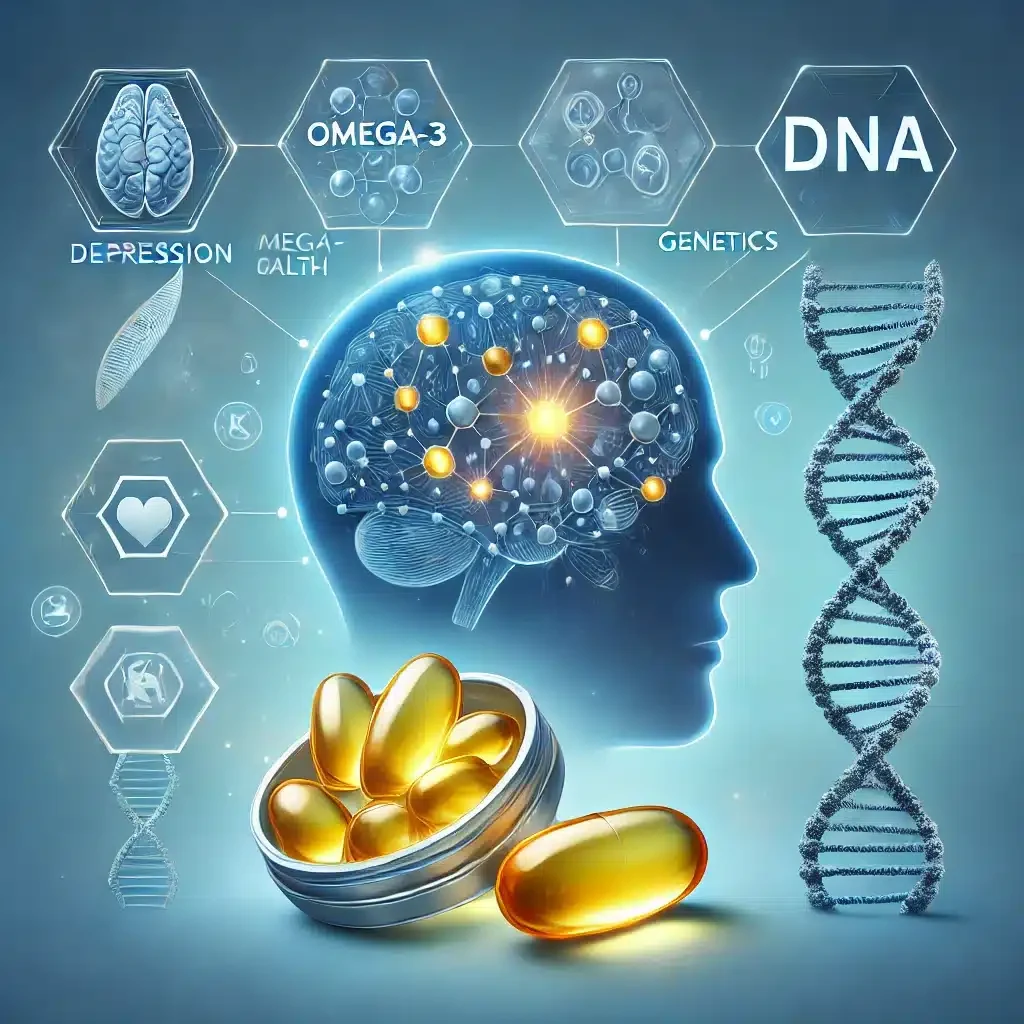
Omega-3 fatty acids, particularly eicosapentaenoic acid (EPA), may reduce the risk of major depressive disorder (MDD), but causality remains uncertain due to potential pleiotropic mechanisms. Highlights: Genetic Evidence for Omega-3 & Depression: The study use…
Read article ↗
A study examined the effects of ketamine on sleep arousal metrics in individuals with treatment-resistant depression (TRD) vs. healthy volunteers, finding that ketamine increases certain sleep-related brain activities but does not significantly mediate its ant…
Read article ↗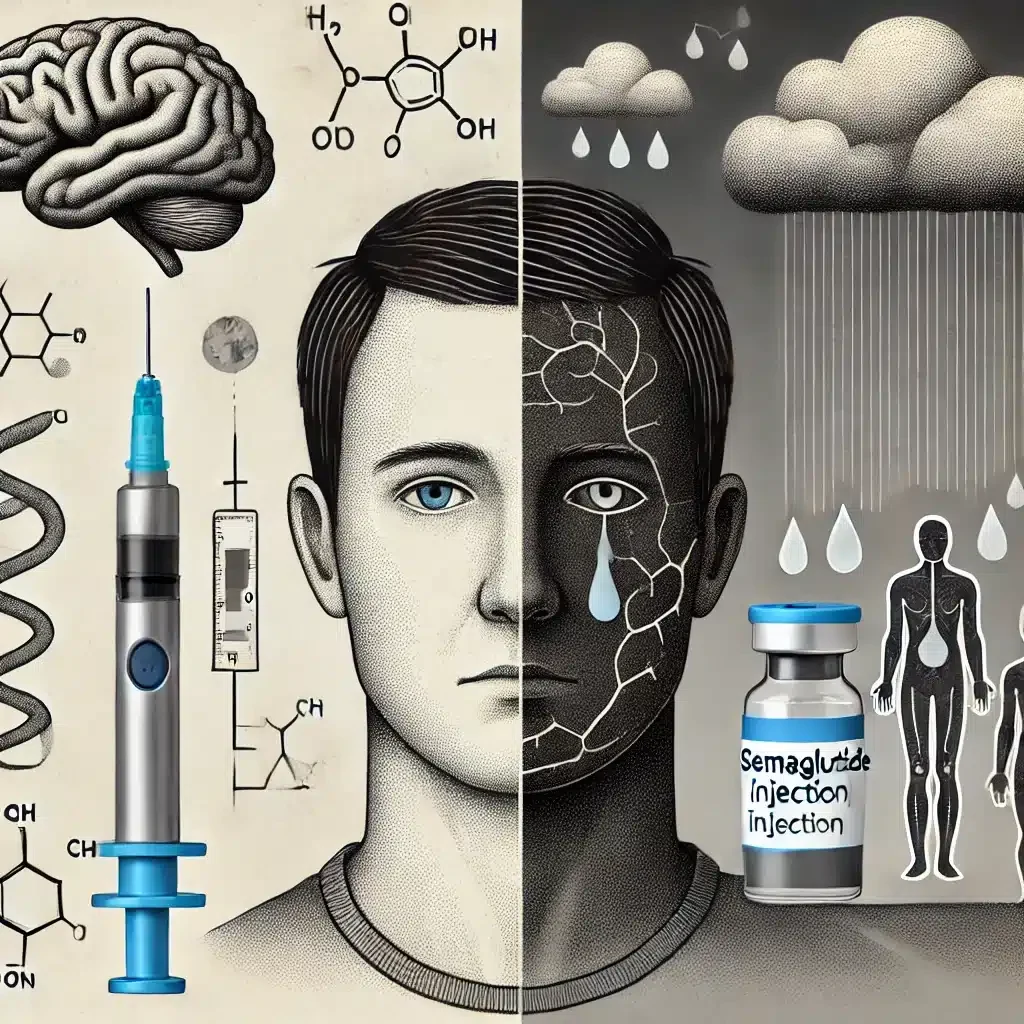
GLP-1 receptor agonists like semaglutide, used for managing Type 2 diabetes, may be linked to adverse mood changes, necessitating further investigation into their psychiatric effects. Highlights: GLP-1 Receptor Agonists: These medications mimic GLP-1 hormone e…
Read article ↗
Antidepressant withdrawal symptoms occur in about one-third of patients stopping antidepressants, with severe symptoms in about 3% of cases – according to a new Lancet Psychiatry review. Highlights: Incidence of Symptoms: Approximately 31% of patients experien…
Read article ↗