
TLDR: A study found a bidirectional causal relationship between depression and osteoarthritis (OA) but only a one-way relationship where depression increases the risk of knee osteoarthritis (KOA). Highlights: Bidirectional Causality: There is a bidirectional c…
Read article ↗
TLDR: Herpes zoster vaccination is linked to a lower risk of dementia, but more studies are needed to confirm this association. Highlights: Five high-quality studies involving 103,615 vaccinated patients were analyzed. Herpes zoster vaccination was associated…
Read article ↗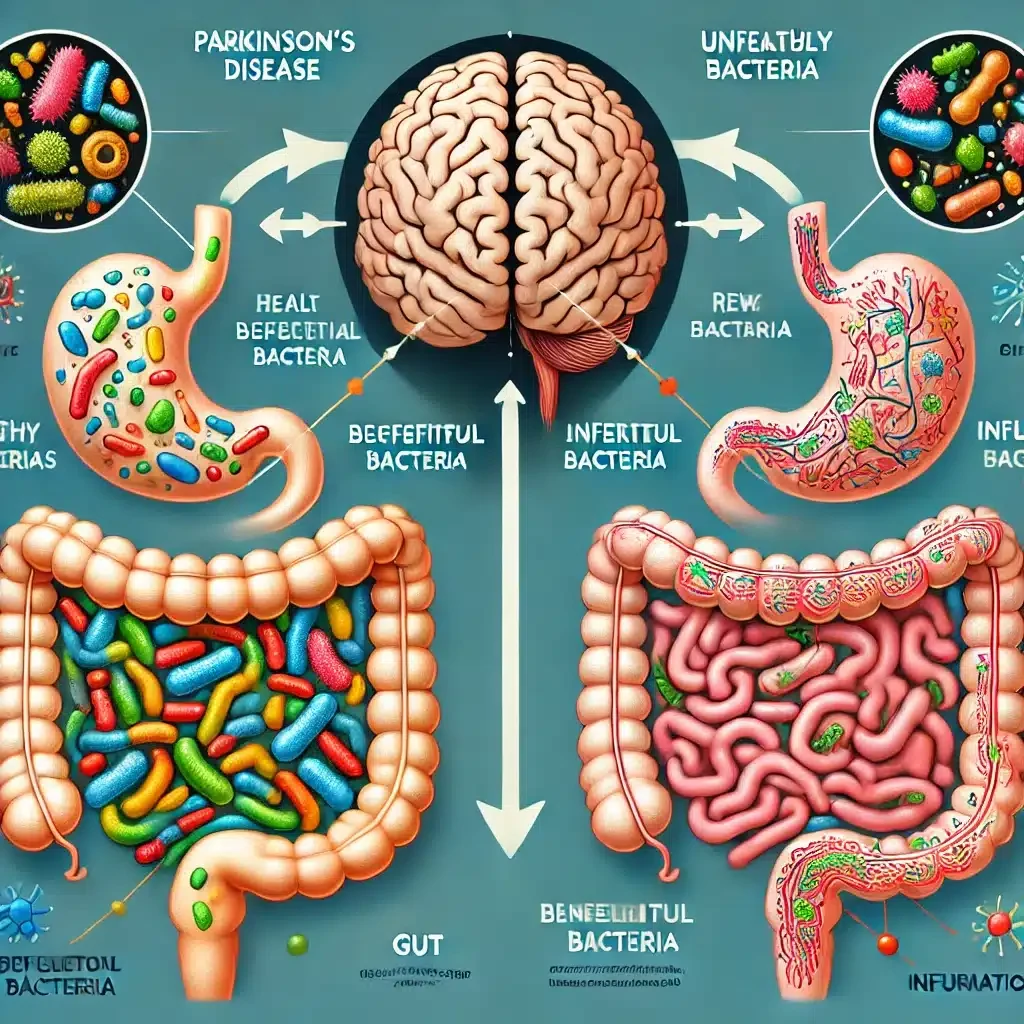
TLDR: A study identified specific gut microbial features in Parkinson’s disease (PD) across different countries, highlighting increased α-diversity, altered bacterial species, and decreased metabolites in PD patients. Highlights: Increased α-Diversity: The stu…
Read article ↗
TLDR: GLP-1 agonists were found to significantly reduce the risk of dementia in older individuals with type 2 diabetes mellitus (T2DM) compared to DPP-4 inhibitors and sulfonylureas. Highlights: A sequential trial emulation was conducted using data from Swedis…
Read article ↗
TLDR: This study provides evidence that high salt intake is causally associated with an increased risk of developing dementia, including Alzheimer’s disease (AD) and undefined dementia. Highlights: Causal Association: High salt intake is significantly associat…
Read article ↗
TLDR: Occasional drinking may help reduce the risk of major depression, but frequent drinking worsens it. Highlights: Occasional alcohol consumption is linked to a lower risk of major depression. Frequent alcohol intake increases the risk of major depression.…
Read article ↗
TLDR: Omega-3 supplementation shows potential for reducing anxiety symptoms, with the most significant improvement at a dose of 2 grams per day. Highlights: Dose-Dependent Effect: Each 1 gram per day of omega-3 supplementation led to a moderate decrease in anx…
Read article ↗
TLDR: Quercetin-based alginate nanogels loaded with brain-derived neurotrophic factor (BDNF) can effectively cross the blood-brain barrier via intranasal delivery, providing a promising treatment for depressive disorders. Highlights: Nanogels: Quercetin nanoge…
Read article ↗
TLDR: A study in the UK found that severe COVID anxiety tends to decrease over 6 months from onset, both organically and with the help of CBT for Health Anxiety (CBT-HA), though many individuals still experience significant anxiety and poor social functioning,…
Read article ↗
TLDR: Esketamine nasal spray, combined with standard antidepressant therapy, significantly improves remission rates and reduces time to remission in adults with major depressive disorder (MDD) and acute suicidality compared to standard care alone. Highlights:…
Read article ↗