
TLDR: A case study reveals a 70-year-old woman developed erotomanic delusions and attempted suicide following online romance fraud. Highlights: 70-year-old woman with persistent depressive disorder. Victim of online romance fraud involving a renowned musician’…
Read article ↗
TLDR: A recent study explored the potential causal relationship between atopic dermatitis (AD) a.k.a. eczema and various psychiatric disorders – finding bidirectional links. Highlights: Data from over 860,000 individuals were analyzed Atopic dermatitis (eczema…
Read article ↗
Those with personality disorders face an elevated risk of suicidal thoughts, attempts, and deaths. Factors like childhood trauma and substance use issues may partially explain this vulnerability. While treatments like dialectical behavior therapy show promise…
Read article ↗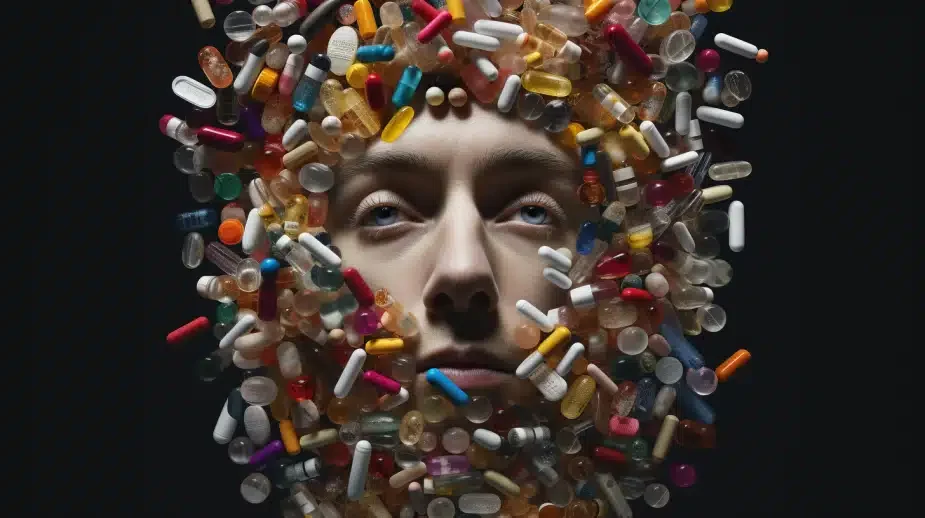
Antidepressant use has risen steadily for 30 years. Over 10% of adults in England now take them long-term, but evidence suggests up to half lack clear medical justification to continue. Patients and doctors are reluctant to stop treatment due to fears of relap…
Read article ↗
Vestibular migraine is a disabling health condition characterized by severe, recurrent attacks of vertigo. A Cochrane review assessed the benefits and potential harms of medications used to try to prevent these attacks. Key Facts: Only 3 small studies, with 20…
Read article ↗
Ménière’s disease, a debilitating inner ear disorder, has long puzzled scientists and patients alike with its unpredictable episodes of vertigo, hearing loss, and tinnitus. Recent studies have explored the potential benefits of lifestyle and dietary changes in…
Read article ↗
New research provides clarity on the most effective cessation aids available. Varenicline, cytisine, and e-cigarettes help the greatest proportion of people quit long-term. Slowly tapering nicotine dose before ending treatment may also boost success rates. Bup…
Read article ↗
Insomnia is a common sleep disorder affecting up to 15% of adults. While sedative medications are often prescribed, their long-term use can lead to dependence. As an alternative, antidepressants are widely used in clinical practice despite limited evidence sup…
Read article ↗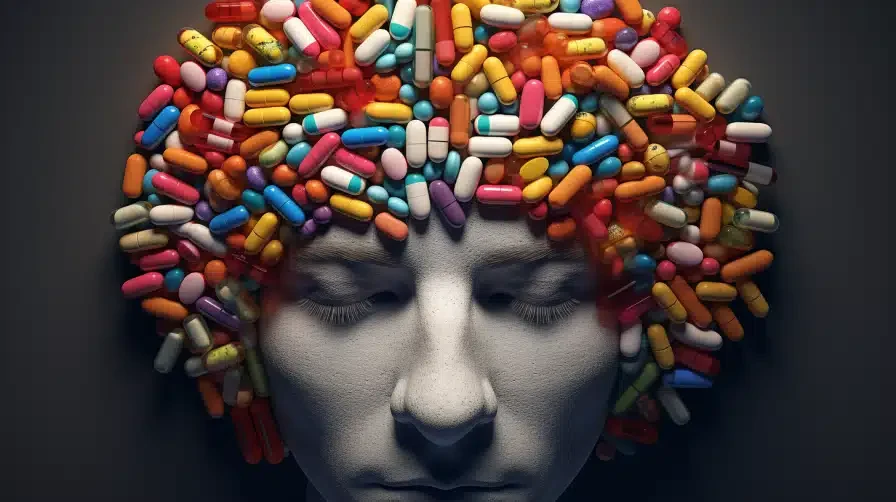
Current antidepressants can take weeks to improve symptoms of depression. New research explores reasons for this delay and provides clues to develop more rapid-acting drugs. Key Facts: Most antidepressants increase brain serotonin and norepinephrine, but their…
Read article ↗
Minor or subthreshold depression causes significant suffering and impairment, despite falling short of a major depression diagnosis. Effective early treatment is crucial to alleviate symptoms, improve functioning, and prevent progression to major depression. B…
Read article ↗