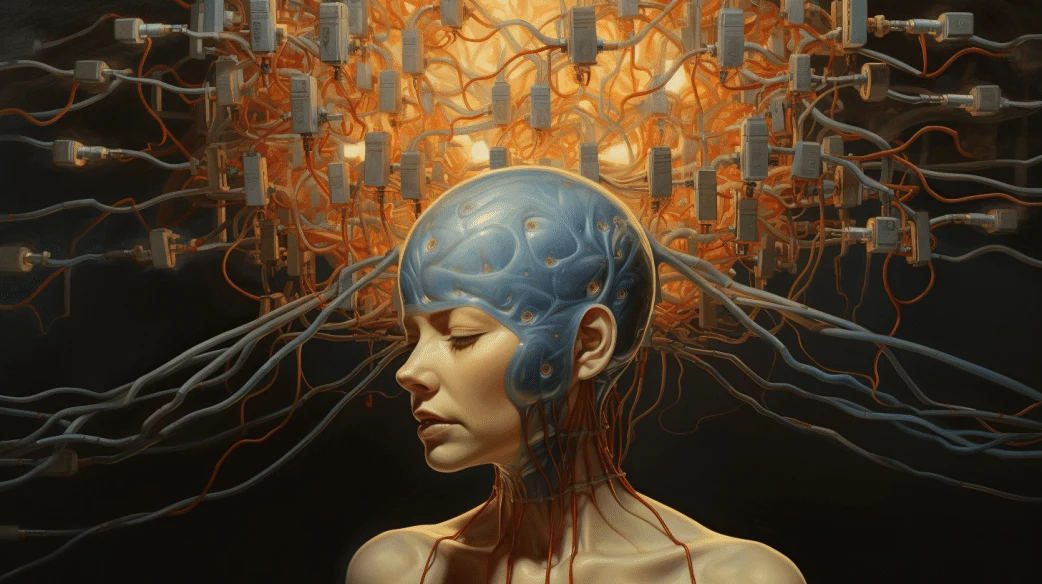
Obsessive-compulsive disorder (OCD) is a challenging psychiatric illness affecting 2% of the population. While some patients respond to therapy and medications, others continue to suffer from severe, treatment-resistant symptoms. Exciting new research shows th…
Read article ↗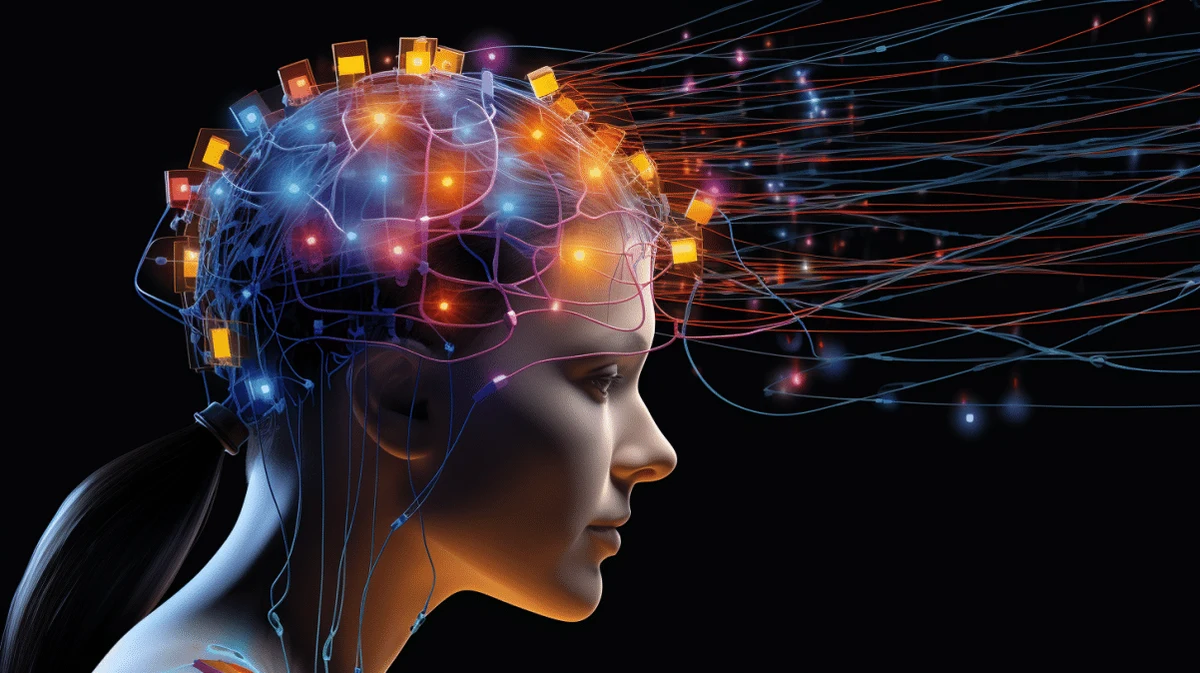
A new study shows that delivering brain stimulation with mild electric current to the forehead at home could be an effective treatment option for people with depression. Key facts: The study tested at-home transcranial direct current stimulation (tDCS) in 16 p…
Read article ↗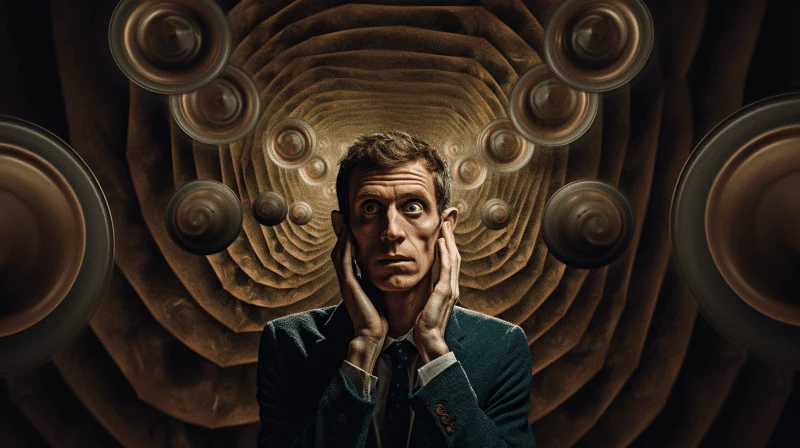
Tinnitus, a persistent ringing or buzzing in the ears, affects millions of people worldwide. A new study tested a combination therapy of trigeminal nerve stimulation and tailored sound therapy that shows promise for reducing tinnitus symptoms and improving qua…
Read article ↗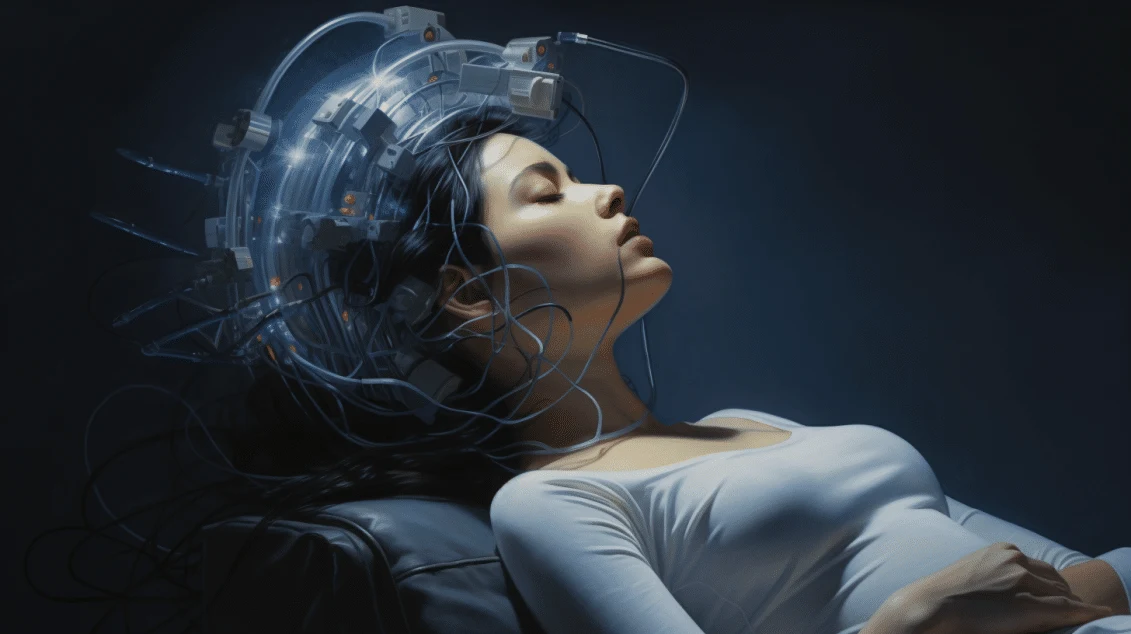
Tardive dyskinesia is a disorder caused by taking certain psychiatric drugs long-term. It involves uncontrollable body movements that can severely impact a person’s quality of life. Deep brain stimulation is a promising new treatment option for severe, drug-re…
Read article ↗
Researchers have developed a new artificial intelligence (AI) chip that mimics the human brain for more energy-efficient speech recognition. The analog AI chip uses phase-change memory devices to perform computations in parallel, dramatically reducing power co…
Read article ↗
Researchers have reconstructed a recognizable version of the Pink Floyd song “Another Brick in the Wall” directly from recorded brain activity. Using advanced machine learning techniques, the team was able to extract enough acoustic information from listeners’…
Read article ↗
Summary: Advances in brain-computer interface (BCI) technology could one day give voice to those who have lost the ability to speak. New research brings us one step closer to this goal by reconstructing identifiable words and sentences directly from brain acti…
Read article ↗