
Insomnia is a highly prevalent sleep disorder affecting up to 35% of the general population – and can significantly impair quality of life. Researchers have been investigating new non-pharmacological treatment options like transcranial electric stimulation (TE…
Read article ↗
Neuralink, a neurotechnology company founded by Elon Musk, has developed a novel brain-machine interface system with unprecedented electrode density and bandwidth. In a recent white paper, Neuralink scientists describe their progress towards a scalable, high-p…
Read article ↗
Neuralink, a neurotechnology company founded by Elon Musk in 2016, is developing an innovative brain-machine interface (BMI) device that aims to enhance brain function and revolutionize neurosurgery. Early testing on animals shows promise, but human trials are…
Read article ↗
Neuromodulation techniques that stimulate the nervous system through electric current are revolutionizing the treatment of neurological and psychiatric disorders like depression, movement disorders, and chronic pain. These techniques allow for precisely target…
Read article ↗
Transcranial alternating current stimulation (TACS) is an emerging non-invasive brain stimulation technique that shows promise for enhancing cognition and treating psychiatric conditions like depression and schizophrenia. Recent research indicates TACS may imp…
Read article ↗
Attention deficit hyperactivity disorder (ADHD) is one of the most common neurodevelopmental disorders affecting children. A new randomized controlled trial published in the Journal of Korean Medical Science suggests that mobile neurofeedback training may help…
Read article ↗
Vagus nerve stimulation (VNS) is an emerging form of brain stimulation showing promise for treating depression. Though still considered experimental, VNS has a long history dating back over 100 years. Recent advances are unlocking its potential as a new tool f…
Read article ↗
Transcranial magnetic stimulation (TMS) is showing promise as a non-invasive treatment approach for tinnitus in some patients. Research indicates it may be able to reduce tinnitus loudness and annoyance by modulating brain activity. However, significant questi…
Read article ↗
Deep brain stimulation (DBS) is an effective but not perfect therapy. A large new study found that over 4-7 years, a majority of patients experienced adverse events, though most were not severe. Key facts: 86% of 123 DBS patients experienced adverse events ove…
Read article ↗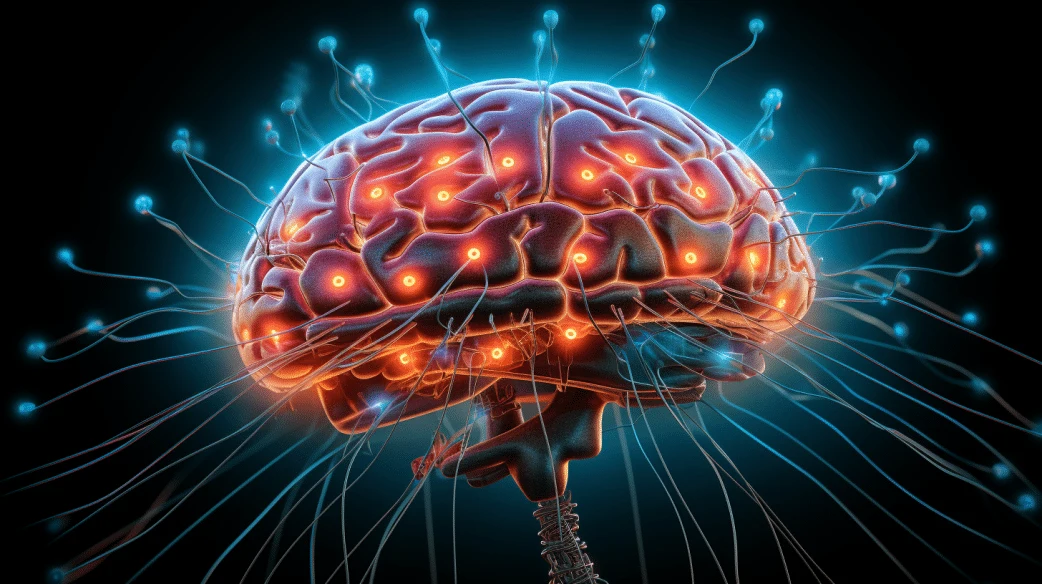
Deep brain stimulation (DBS), a surgical procedure that implants electrodes in the brain to deliver electrical stimulation, may offer hope for people with severe depression that has not responded to multiple treatments. However, larger and more rigorous studie…
Read article ↗