
Narcissism is characterized by self-importance, entitlement, and interpersonal difficulties. Neuroscience research has begun to uncover the complex mechanisms underlying the paradoxical patterns of narcissistic functioning. Key findings show: Narcissism involv…
Read article ↗
Recent research suggests that adjusting overall diet, rather than taking supplements, may help improve symptoms of depression. Whole food and whole diet interventions show promise as adjunctive treatments for depression, though more research is still needed. K…
Read article ↗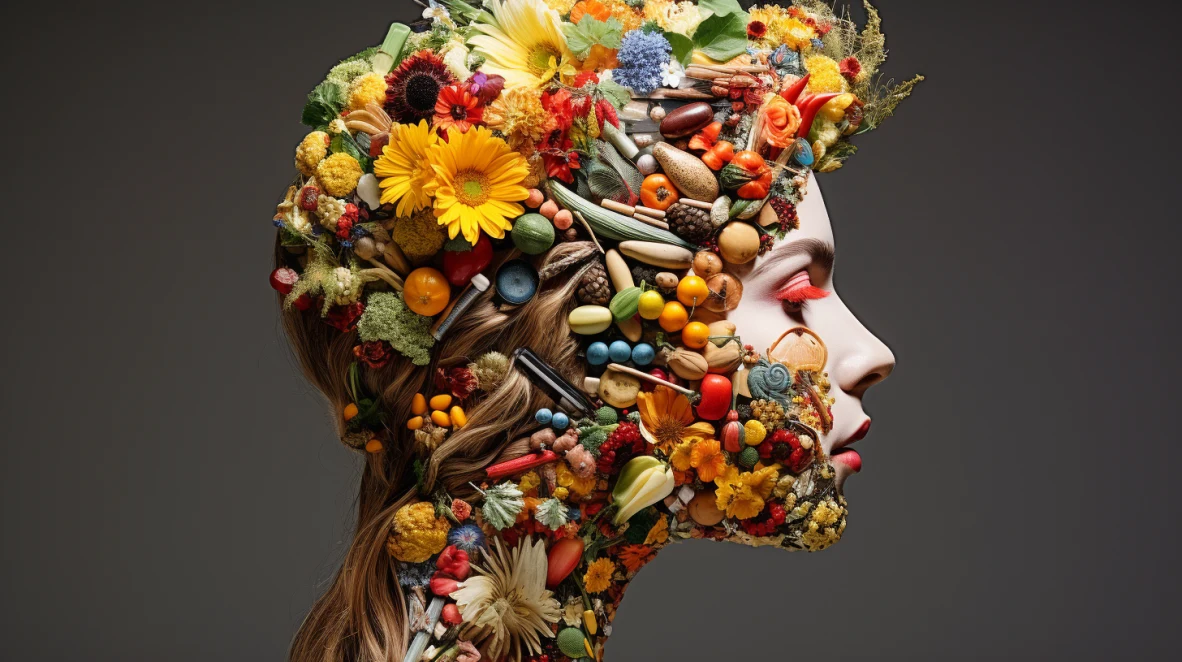
Depression is a major global health issue, but diet may be an effective yet overlooked treatment approach. New research identifies the top food sources of 12 key nutrients that help prevent and treat depression. Oysters, organ meats, leafy greens, lettuces, pe…
Read article ↗
Eating well may help prevent and treat depression, according to growing evidence from studies on diet and mental health. Key facts: Following an overall healthy diet high in fruits, vegetables, whole grains, fish, and olive oil is associated with a lower risk…
Read article ↗
Intelligence predicts health and mortality – but why? New research reveals some genes are implicated in both. Key facts: Intelligence test scores predict mortality, illnesses, and health behaviors. Higher scores indicate lower risk. Both intelligence and healt…
Read article ↗
Student cognitive abilities and college institutional factors both shape outcomes, but the historical evidence suggests student characteristics play an outsized role. Key Facts: In the research paper, student cognitive aptitude accounted for 41-47% of the vari…
Read article ↗
Nutrition plays a major role in mental health, with diet quality closely linked to risk of common mental disorders like depression. This review comprehensively analyzes recent research on the impacts of nutrition on mental health and the use of nutritional int…
Read article ↗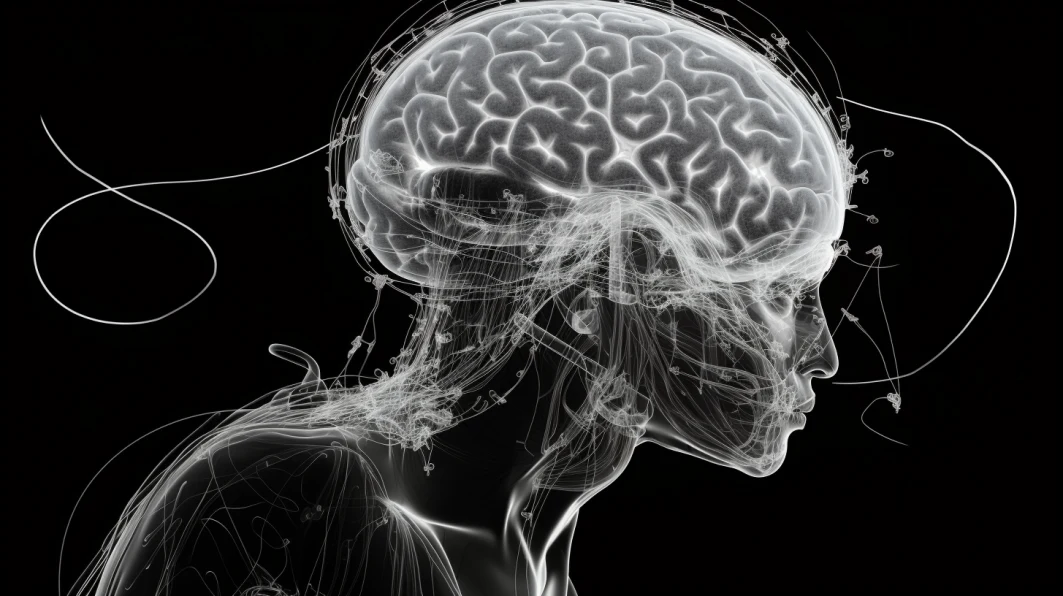
A new study published in Frontiers in Psychiatry provides promising evidence that focused ultrasound stimulation of the prefrontal cortex can alleviate depressive behaviors in mice by suppressing inflammatory responses. Key facts: Researchers stimulated the pr…
Read article ↗
A series of studies suggest that repeated low doses of d-amphetamine can lead to a progressively greater behavioral response in some people. This phenomenon, known as “behavioral sensitization,” has been observed in animal models and hypothesized to contribute…
Read article ↗
Big picture: Psychoplastogens are a groundbreaking new class of psychoactive compounds that rapidly induce structural and functional changes in the brain, allowing pathological neural circuits to be rewired for therapeutic benefit. Key facts about psychoplasto…
Read article ↗