
A new study published in Brain Sciences has uncovered important epigenetic differences in a group of Mexican children diagnosed with autism spectrum disorder (ASD) compared to neurotypical controls. The research provides new insights into the complex interplay…
Read article ↗
Monosodium glutamate (MSG) is a common food additive used to enhance flavor. But there have been long-standing concerns that MSG could be harmful to the brain. Key Facts: MSG is the sodium salt of glutamate, an amino acid that functions as an excitatory neurot…
Read article ↗
Monosodium glutamate (MSG) is a popular food additive used to enhance flavor in processed foods. But some evidence suggests MSG may have negative health effects, particularly on the brain. Natural products like herbs and vitamins may help counteract MSG’s toxi…
Read article ↗
A new brain imaging study reveals deficits in key networks involved in social functioning among individuals with schizophrenia. The findings shed light on the underlying neural mechanisms that may contribute to impaired social skills in this psychiatric disord…
Read article ↗
A new systematic review published in BMC Geriatrics suggests that supplementing with medium-chain triglycerides (MCTs) may provide cognitive benefits for older adults without dementia. MCTs are a type of fatty acid found in foods like coconut oil and palm kern…
Read article ↗
Depression is a growing mental health concern, especially among young adults. New AI-powered research offers a rapid, objective screening tool to identify those at high risk using eye tracking technology. This innovative approach could revolutionize early dete…
Read article ↗
Medium chain triglycerides (MCTs) are a type of dietary fat that may enhance brain function, according to new research. Key facts: MCTs are absorbed more rapidly than other fats and can provide the brain with quick energy. Past studies show MCTs improve cognit…
Read article ↗
Alzheimer’s disease (AD) is a growing global health concern, but current drug therapies have shown limited effectiveness for symptom management and disease modification. Medium chain triglycerides (MCTs) have emerged as a potential nutritional therapy, but evi…
Read article ↗
Aspartame is one of the most widely used artificial sweeteners in the world, but there are conflicting views on its safety and health effects. Key Facts: Aspartame is about 200 times sweeter than sugar but contains minimal calories. It is commonly used in diet…
Read article ↗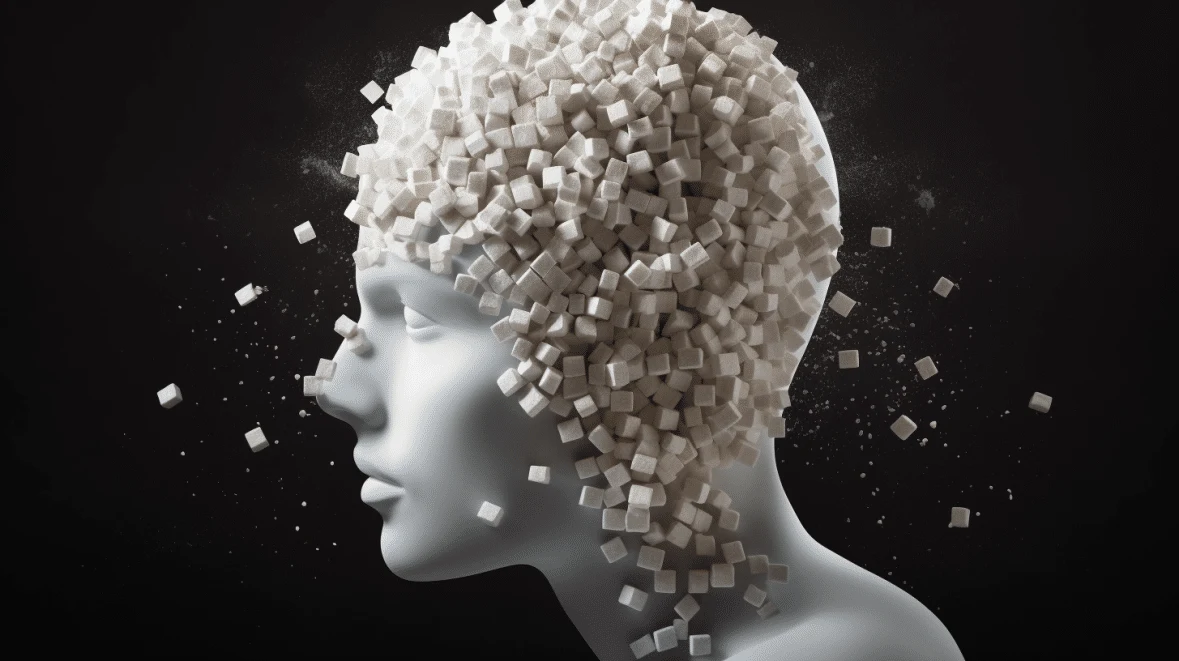
Aspartame is an artificial sweetener found in over 6,000 food products. While it provides a sweet taste without calories, emerging research suggests aspartame may negatively impact brain health and function. Key Facts: Aspartame is made up of phenylalanine, as…
Read article ↗