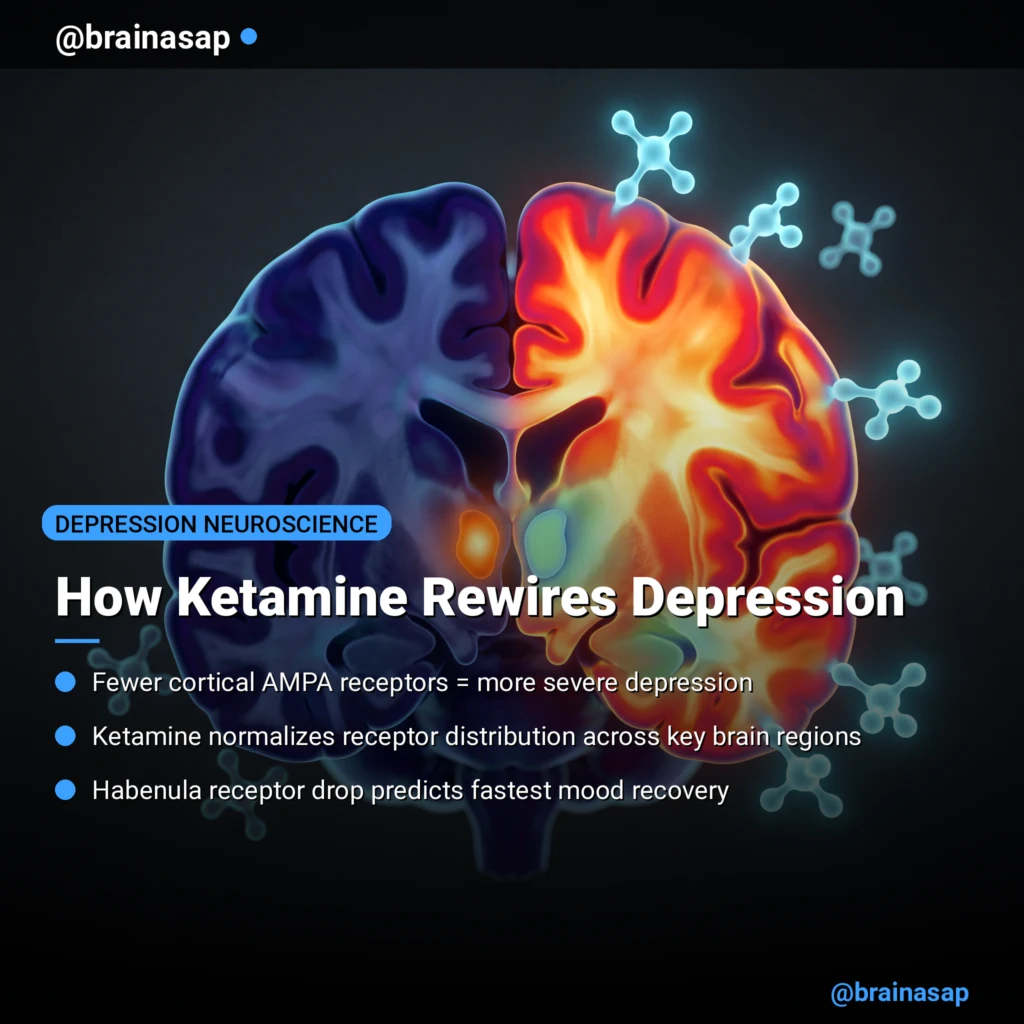
How Ketamine Rewires Receptors to Beat Depression TL;DR: Using PET imaging to directly visualize AMPA receptors in the living human brain, researchers discovered that ketamine’s rapid antidepressant effect works by reshuffling these receptors across specific b…
Read article ↗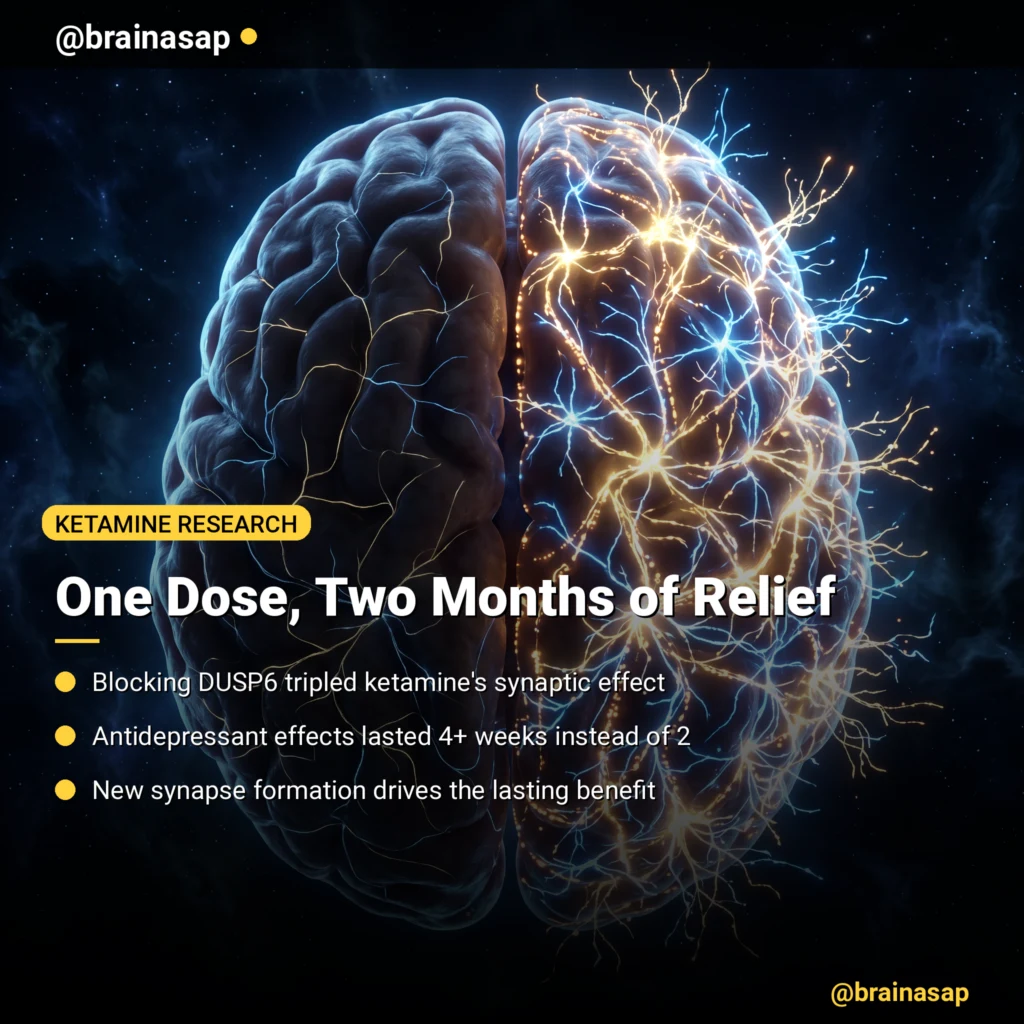
How Scientists Turned a Brief Ketamine High into a Two-Month Antidepressant Effect TL;DR: Blocking DUSP6 protein alongside ketamine extends antidepressant effects from 2 weeks to 4+ weeks in mice, potentially offering single-dose treatment instead of repeated…
Read article ↗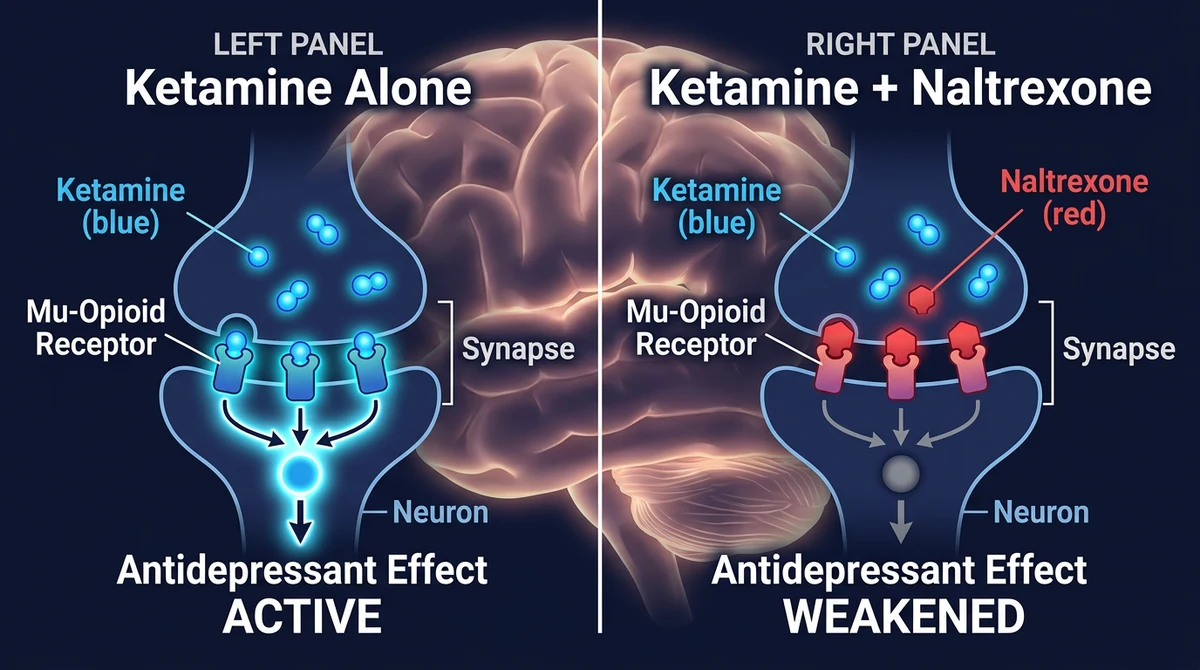
Opioid System Activation is Required for Ketamine’s Antidepressant Effects Ketamine is fast—a single subanesthetic infusion reduces severe depression symptoms within hours, not weeks. But the mechanism remains incompletely understood. For nearly two decades, r…
Read article ↗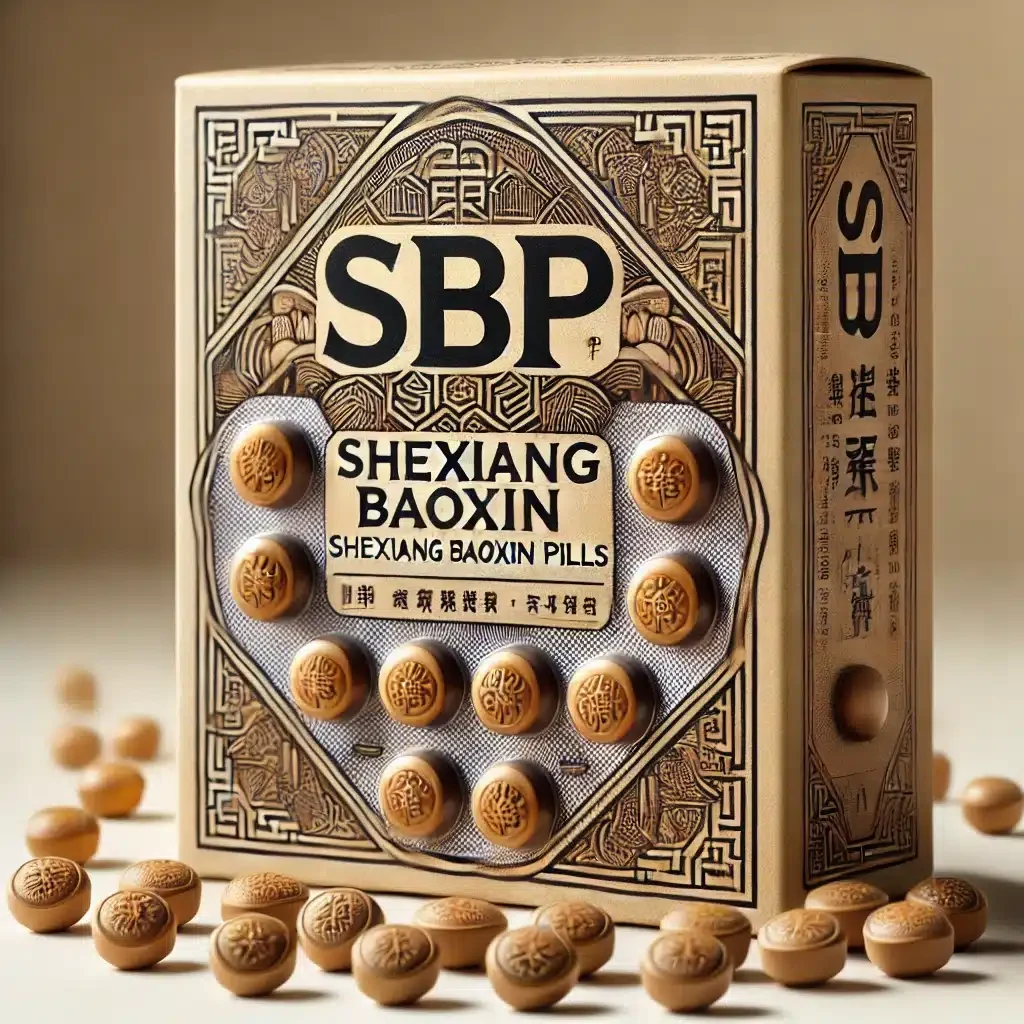
Shexiang Baoxin Pills (SBP) may help improve heart function and reduce depression in patients with acute myocardial infarction (AMI) by reducing inflammation. Highlights: Depression & Heart Disease Link: Patients with heart attacks often experience depression,…
Read article ↗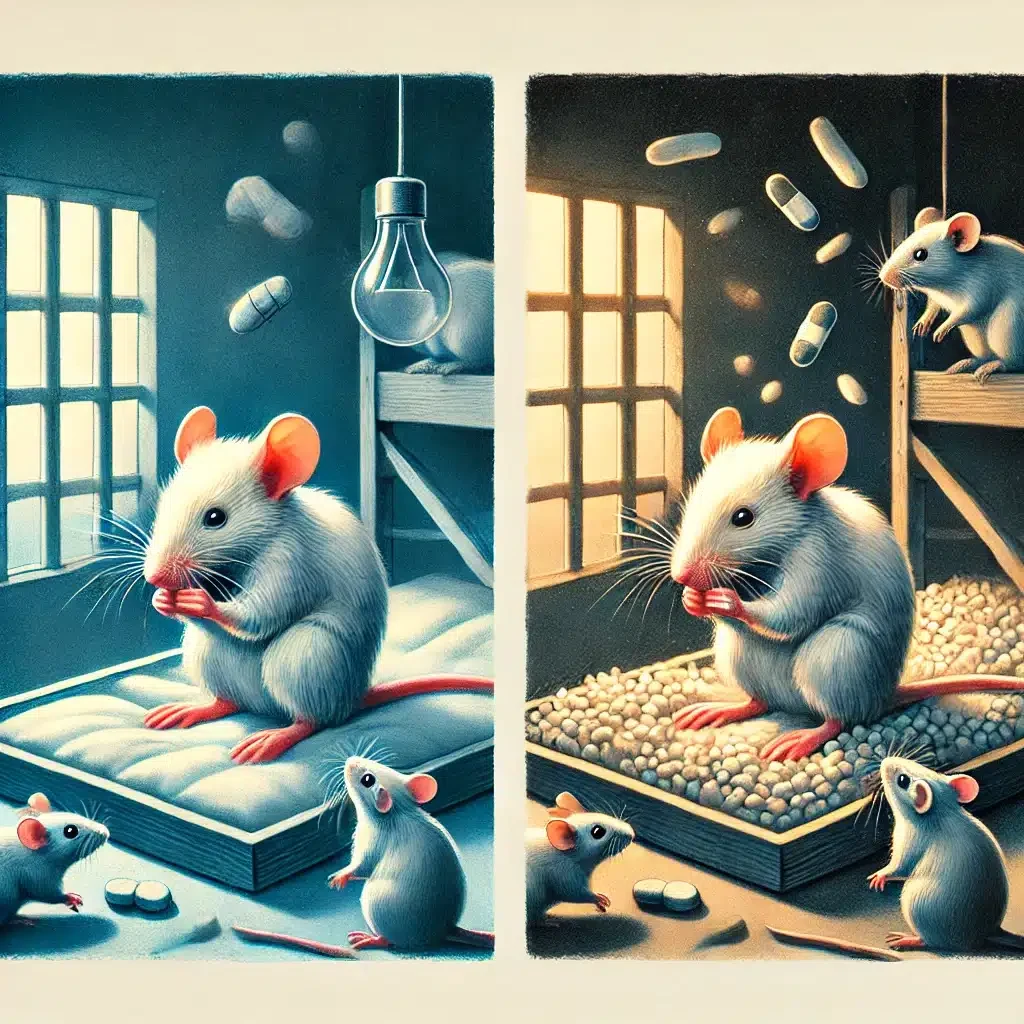
Allopregnanolone shows antidepressant-like effects in mice by increasing social interaction and specific brain wave activities, unlike diazepam. Highlights: Allopregnanolone: Allopregnanolone, a neuroactive steroid, increases social interaction time in mice ex…
Read article ↗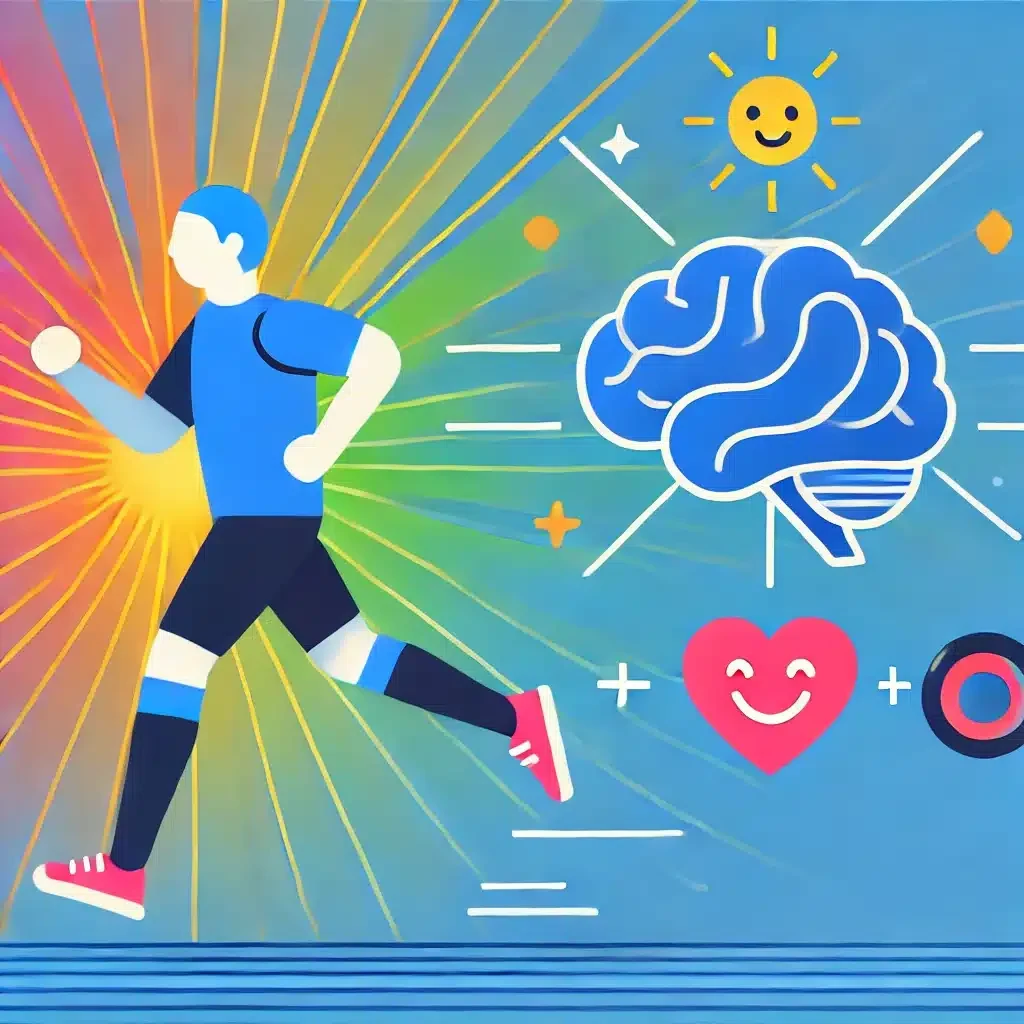
Aerobic exercise reduces depressive symptoms by decreasing inflammation, boosting dopamine transmission, and enhancing motivation and cognitive control. Highlights: Depression & Dopamine: Depression is linked to disrupted dopamine transmission, affecting rewar…
Read article ↗
Oleacein, a compound found in extra virgin olive oil, shows potential as a natural treatment for depression and anxiety by reducing inflammation and boosting brain-derived neurotrophic factor (BDNF). Highlights: Oleacein & BDNF: Oleacein significantly increase…
Read article ↗
TLDR: Esketamine nasal spray, combined with standard antidepressant therapy, significantly improves remission rates and reduces time to remission in adults with major depressive disorder (MDD) and acute suicidality compared to standard care alone. Highlights:…
Read article ↗
The NLRP3 inflammasome is increasingly being recognized as a mediator between inflammation and depression. Targeting this molecular complex shows promise for developing new antidepressant therapies. Key Facts: The NLRP3 inflammasome is made up of NLRP3, ASC, a…
Read article ↗
Depression is one of the most common mental health issues, affecting over 320 million people globally. Research shows that exercise may be an effective treatment option for many battling this disabling condition. Key Facts: Exercise has comparable antidepressa…
Read article ↗