
Obsessive-compulsive disorder (OCD) is a chronic and often debilitating mental illness characterized by intrusive, irrational thoughts and repetitive behaviors. For patients with severe, treatment-resistant OCD, surgical ablation of problematic brain regions m…
Read article ↗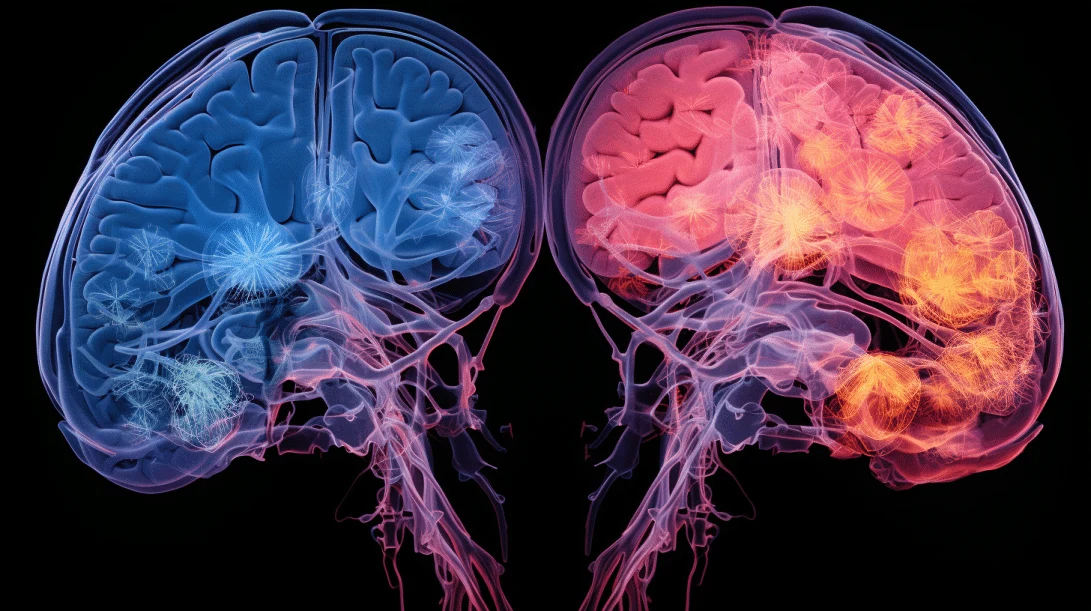
Research provides new evidence that generalized anxiety disorder (GAD) and depressive disorder (DD) have distinct patterns of brain activity. Machine learning analysis of EEG data reveals signature brain features that may enable more accurate diagnosis. Key Fa…
Read article ↗
A new retrospective study analyzing data from over 33,000 COVID-19 patients points to omega-3 fatty acids as a potential preventive strategy against the psychiatric aftereffects of the illness. Key findings: Patients taking omega-3 supplements before COVID-19…
Read article ↗
Researchers have discovered that a common soil bacterium called Mycobacterium vaccae (M. vaccae) may help reduce stress, anxiety, and inflammation in the brain. Key Facts: M. vaccae is a naturally occurring bacterium found in soil, mud, and water. It is consid…
Read article ↗
Phenibut is an experimental drug that was discovered in Russia in the 1960s and has shown promise as a treatment for anxiety, improving brain function, and enhancing quality of life. Key facts about phenibut: It is derived from gamma-aminobutyric acid (GABA),…
Read article ↗
A new study suggests that eating more acid-producing foods may increase the risk of depression and anxiety, especially in women. Here are the key facts: Women with high dietary acid load had 21% higher odds of severe depression compared to those with low acid…
Read article ↗
Experiencing chronic stress or taking addictive drugs like cocaine can change your brain and behavior in similar ways, making you prone to anxiety or addiction. Key Facts: Chronic stress and chronic drug abuse both impair the striatum, which can make people be…
Read article ↗
A new study found that a program to provide more social contact and activities for prisoners in solitary confinement led to improved mental health and behavior. The program was based on a “Resource Team” model developed in Norway. Key Facts: Solitary confineme…
Read article ↗
Researchers developed a new gene editing technique that reduces anxiety in mice. The technique uses CRISPR technology to edit a specific gene in the brain called HTR2A. Editing this gene leads to lower levels of anxiety behaviors in tests with mice. This resea…
Read article ↗