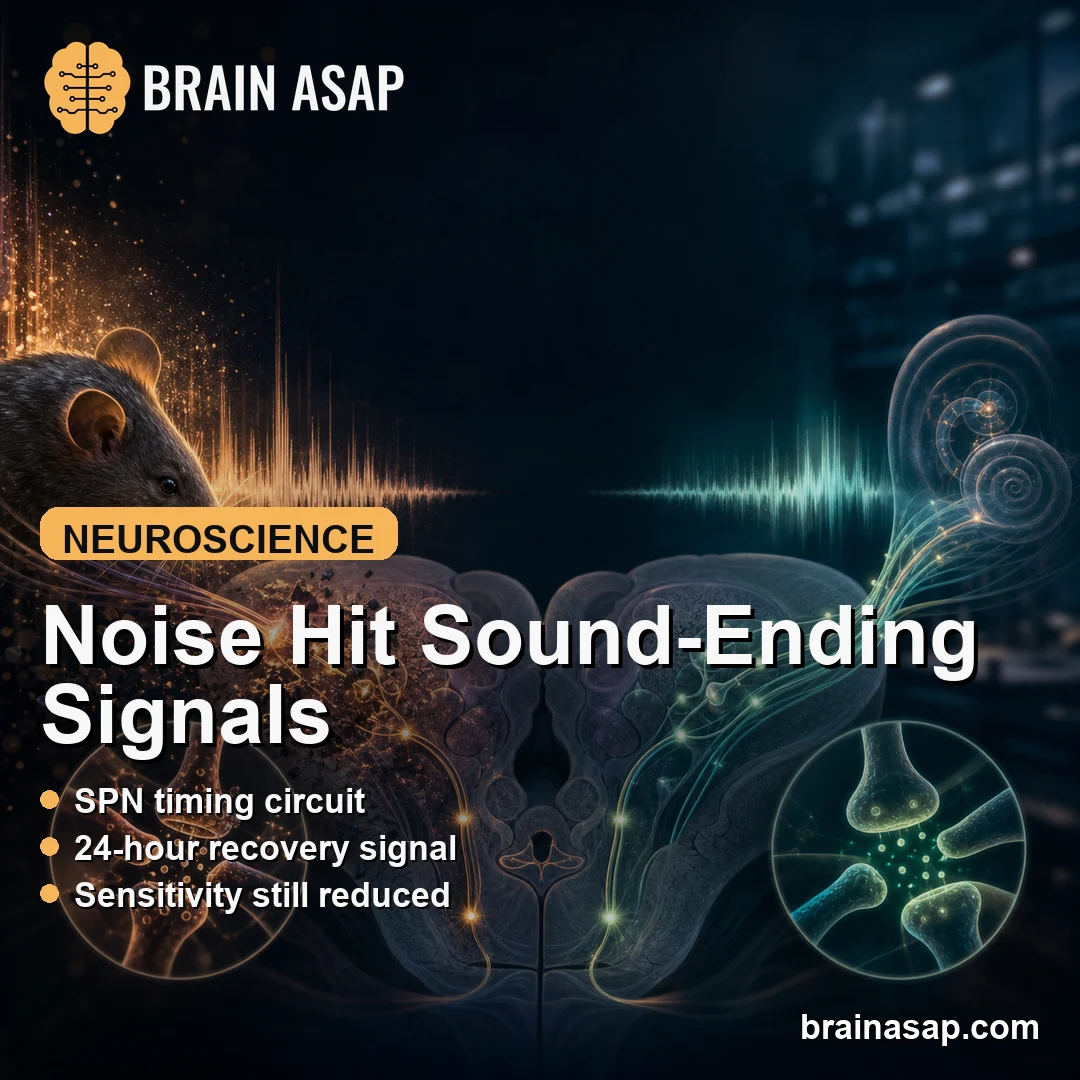
TL;DR: A 2026 mouse study in The Journal of Physiology found that damaging noise temporarily disrupted sound-offset responses in a brainstem hearing circuit, but those timing responses partly recovered within 24 hours through rapid circuit adaptation. Key Find…
Read article ↗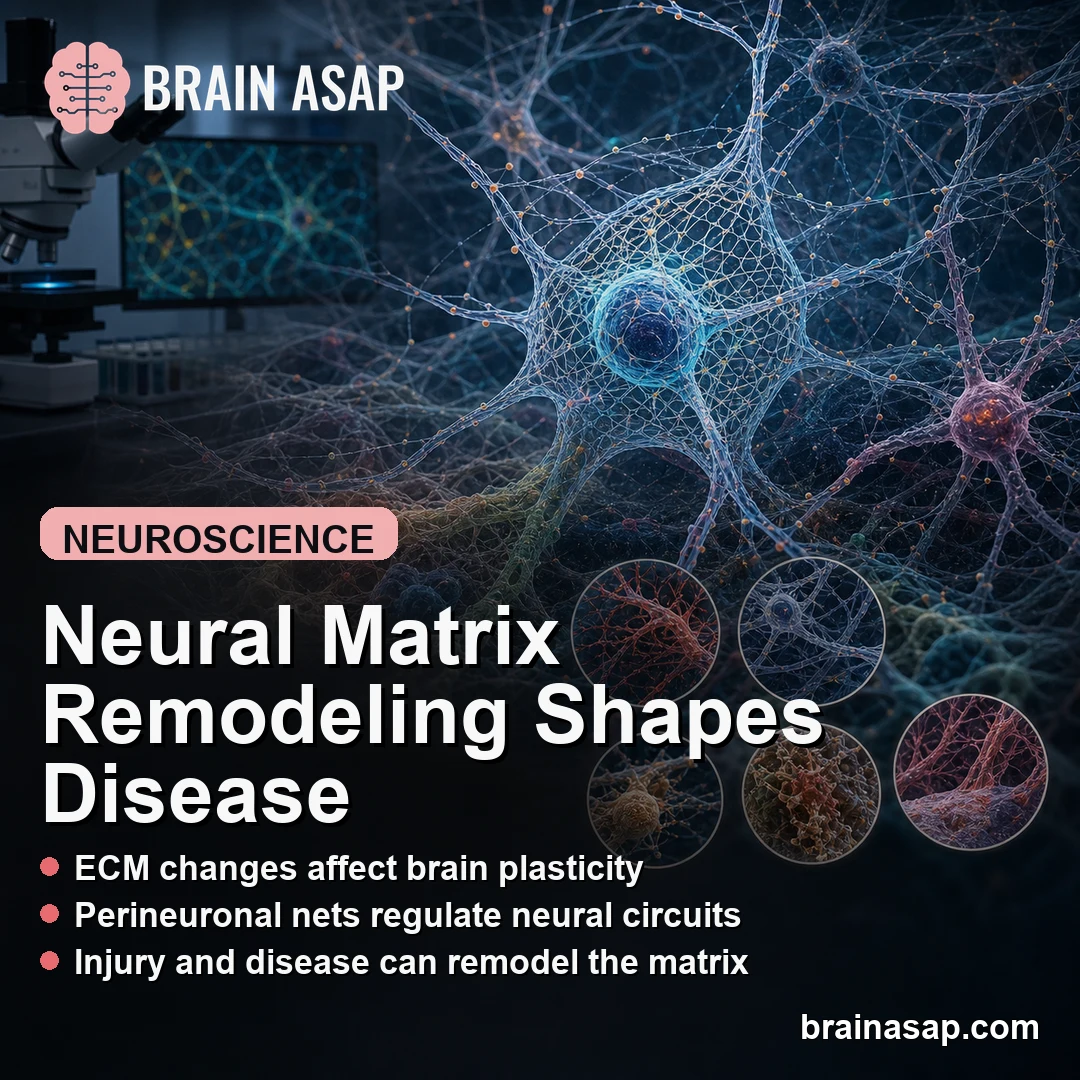
TL;DR: A 2026 review in Nature Reviews Neurology argued that neural extracellular matrix (ECM), the protein-and-glycan scaffold around central nervous system cells, is an active regulator of brain plasticity and neurological disease. Key Findings Multiple ECM…
Read article ↗
TL;DR: A 2025 study in The Journal of General Psychology found that introductory psychology textbooks showed modest improvement from 2018 to 2023, but several classic myths and contested topics were still presented in biased or oversimplified ways. Key Finding…
Read article ↗
Neurofeedback is a promising technique that allows people to voluntarily control their own brain activity with the goal of improving cognitive functions or relieving symptoms. Key Facts: Neurofeedback provides real-time feedback on brain activity, allowing a p…
Read article ↗
Big picture: Psychoplastogens are a groundbreaking new class of psychoactive compounds that rapidly induce structural and functional changes in the brain, allowing pathological neural circuits to be rewired for therapeutic benefit. Key facts about psychoplasto…
Read article ↗
Suicide is a devastating public health problem, claiming hundreds of thousands of lives worldwide each year. Understanding the underlying biological and psychological factors that increase suicide risk is key for developing effective prevention and interventio…
Read article ↗
Researchers are gaining exciting new insights into how the drug ketamine can rapidly treat symptoms of depression, including in people who don’t respond to other antidepressants. Key facts about ketamine for depression: Ketamine is an FDA-approved anesthetic t…
Read article ↗