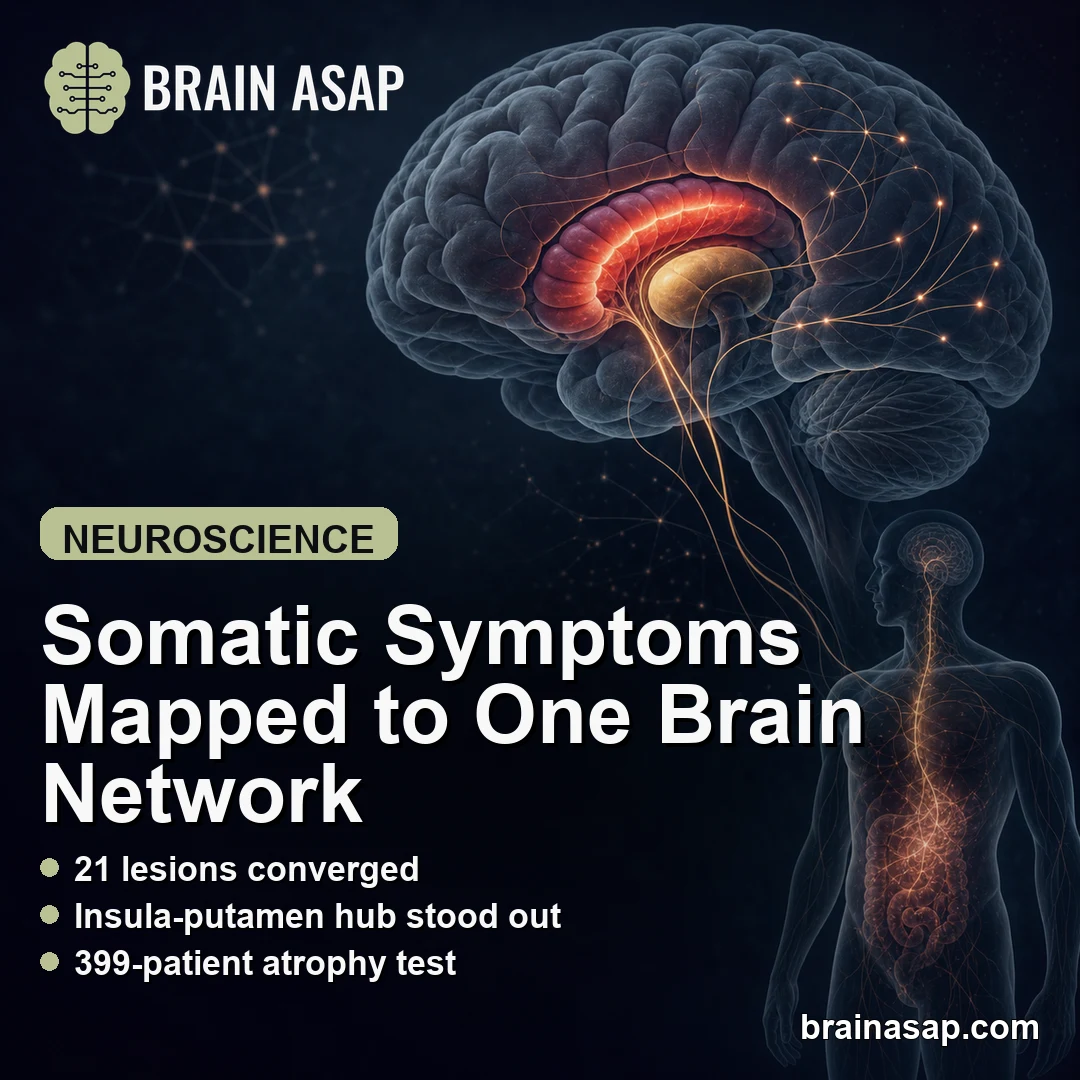
TL;DR: A 2026 study published in BMC Medicine used lesion network mapping to identify a somatic-symptom brain network centered on the right insula and putamen, then linked atrophy inside that network to somatic symptom severity across 399 psychiatric patients.…
Read article ↗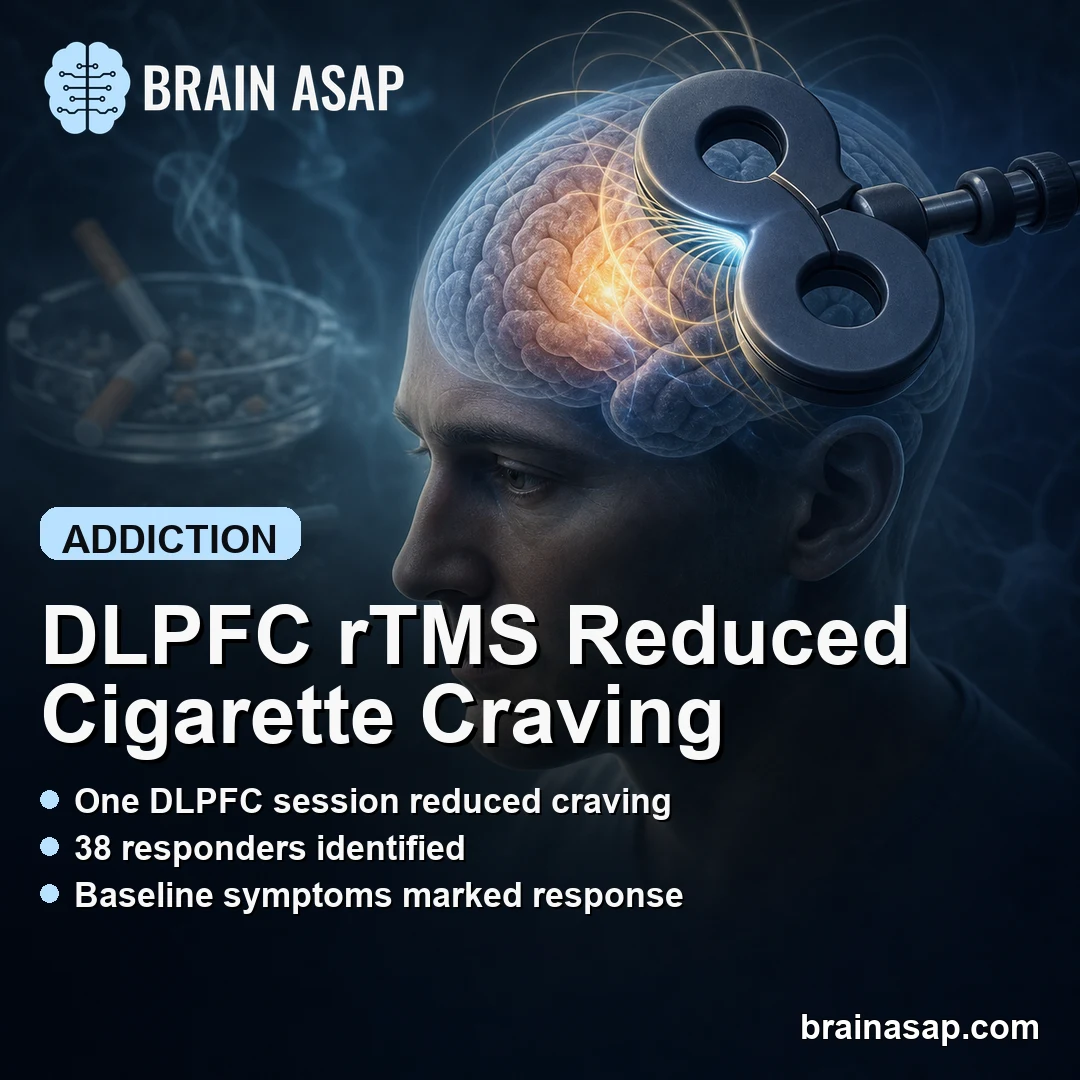
TL;DR: A 2026 medRxiv preprint found that one session of repetitive transcranial magnetic stimulation (rTMS) over the left dorsolateral prefrontal cortex (DLPFC) reduced cigarette craving in adults with tobacco use disorder, and the people who responded had he…
Read article ↗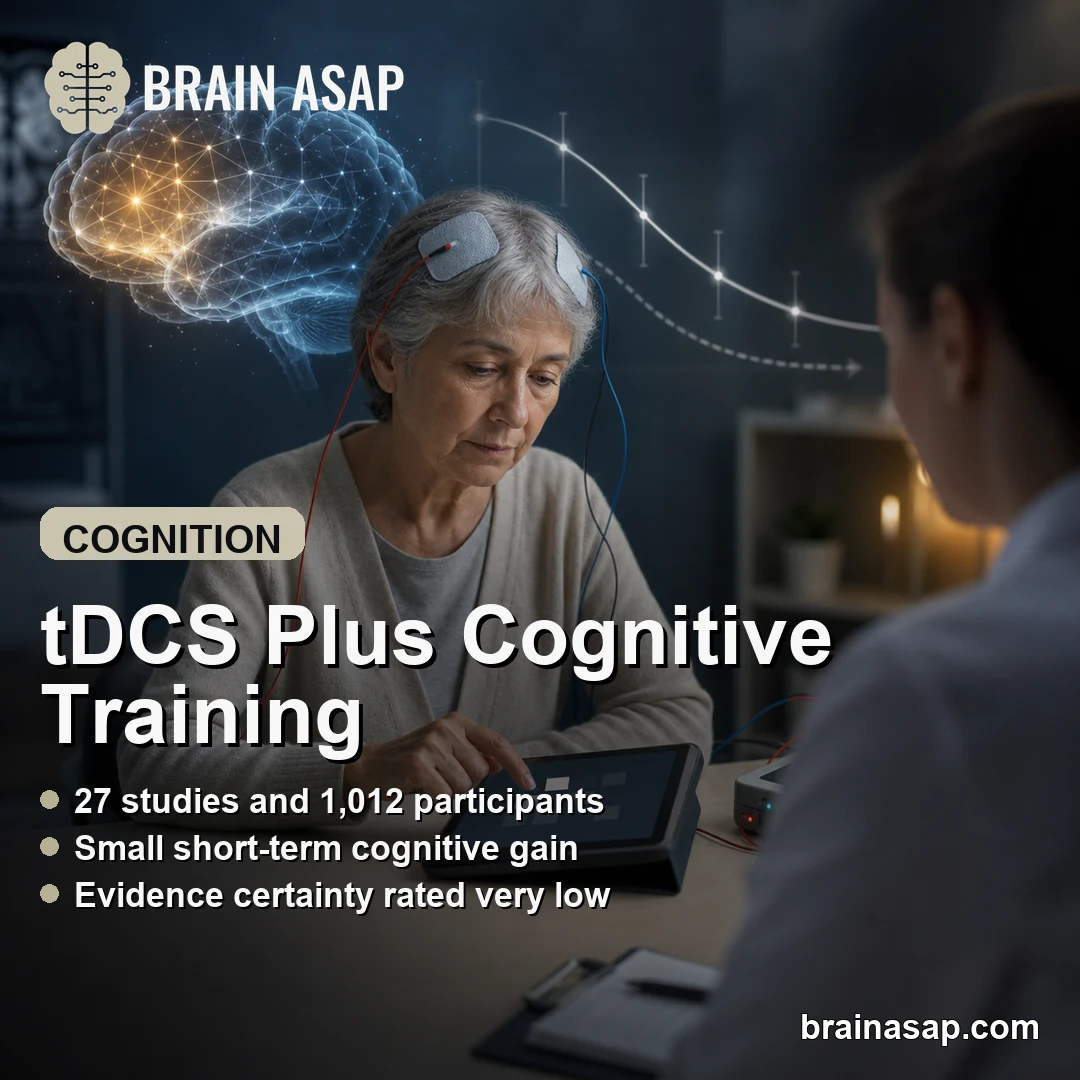
TL;DR: A 2026 systematic review posted on medRxiv found that transcranial direct current stimulation (tDCS), a weak noninvasive brain-stimulation method, added to cognitive training produced a small short-term cognitive benefit across 27 trials, but the effect…
Read article ↗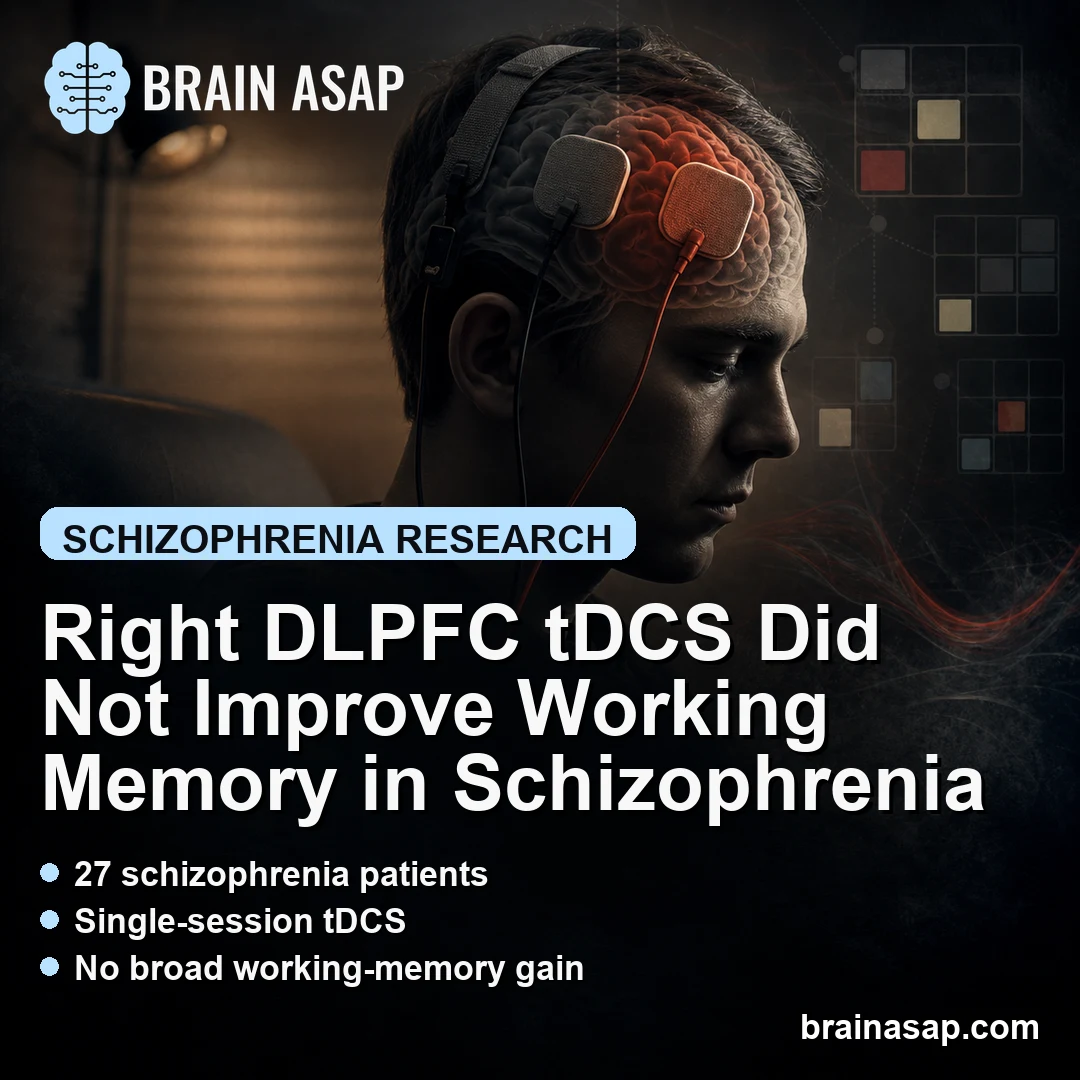
TL;DR: A 2026 sham-controlled study in BMC Psychiatry found that one 15-minute session of 1.5 mA anodal transcranial direct current stimulation (tDCS) over the right dorsolateral prefrontal cortex did not improve visuospatial or verbal working memory in clinic…
Read article ↗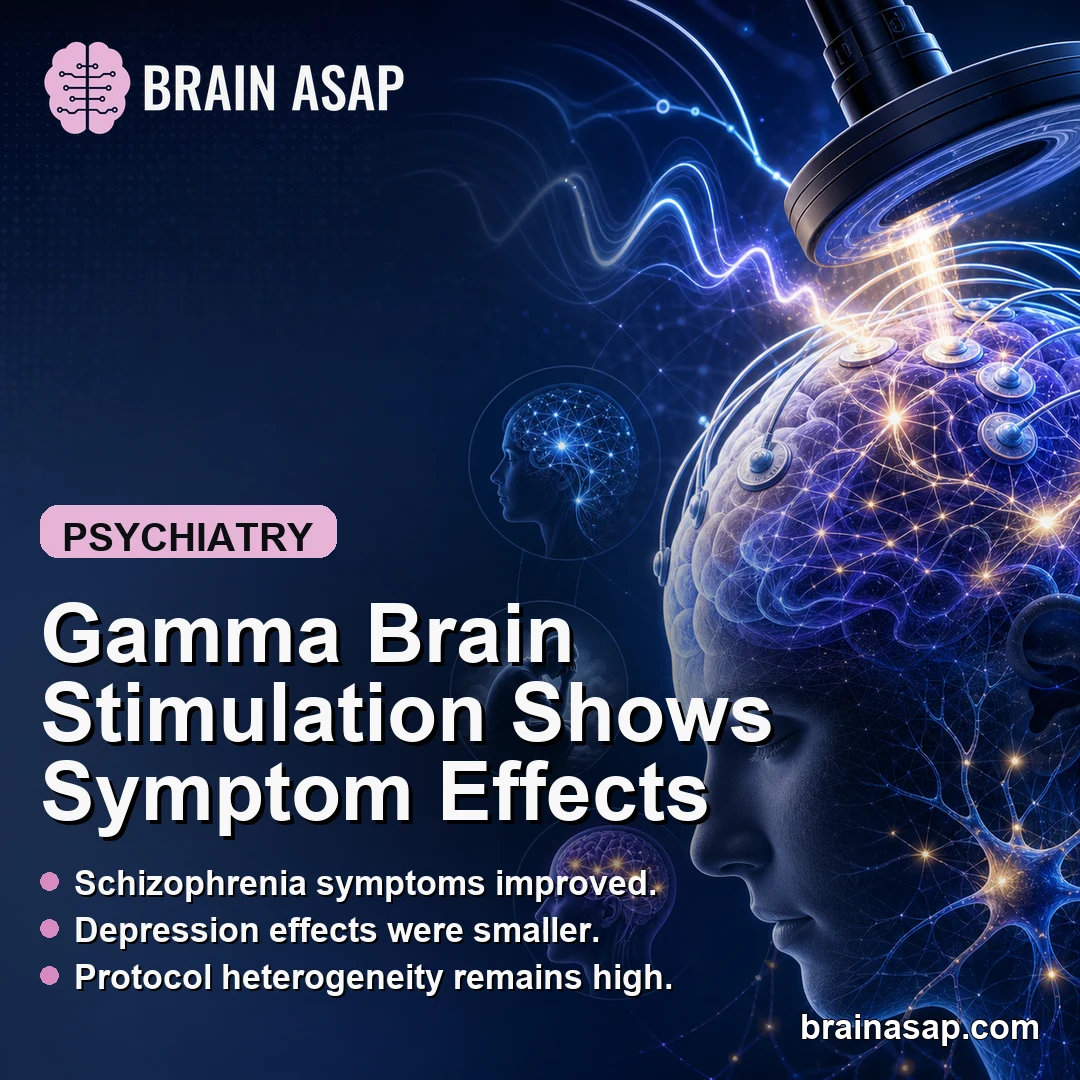
TL;DR: A 2026 systematic review and meta-analysis posted to medRxiv found that gamma-frequency non-invasive brain stimulation was linked to symptom improvement in schizophrenia and depressive-symptom reduction in major depressive disorder, but the evidence was…
Read article ↗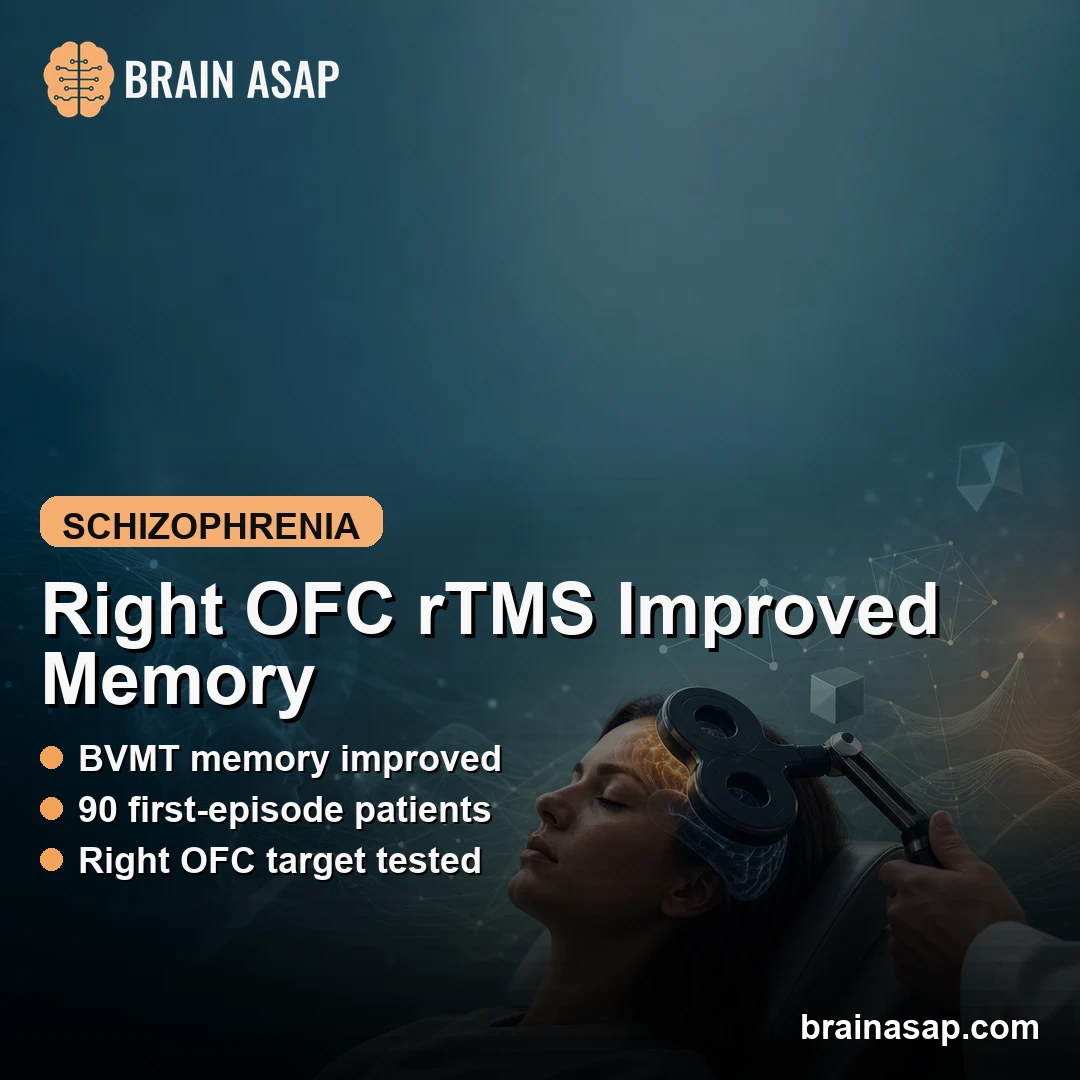
TL;DR: A 2026 randomized study in Psychological Medicine found that right orbitofrontal cortex repetitive transcranial magnetic stimulation (rTMS), a noninvasive brain-stimulation method, improved visuospatial memory on the Brief Visuospatial Memory Test-Revis…
Read article ↗
Focused ultrasound is emerging as a potentially revolutionary new tool for precisely stimulating the brain without surgery. This novel approach could transform how we diagnose and treat everything from depression and OCD to Alzheimer’s and stroke. Key Facts: F…
Read article ↗
A new case study provides initial evidence that transcranial direct current stimulation (tDCS) may be an effective treatment option for trichotillomania, also known as hair pulling disorder. The study tested an intensified, repeated tDCS protocol targeting the…
Read article ↗
A new study shows that delivering brain stimulation with mild electric current to the forehead at home could be an effective treatment option for people with depression. Key facts: The study tested at-home transcranial direct current stimulation (tDCS) in 16 p…
Read article ↗