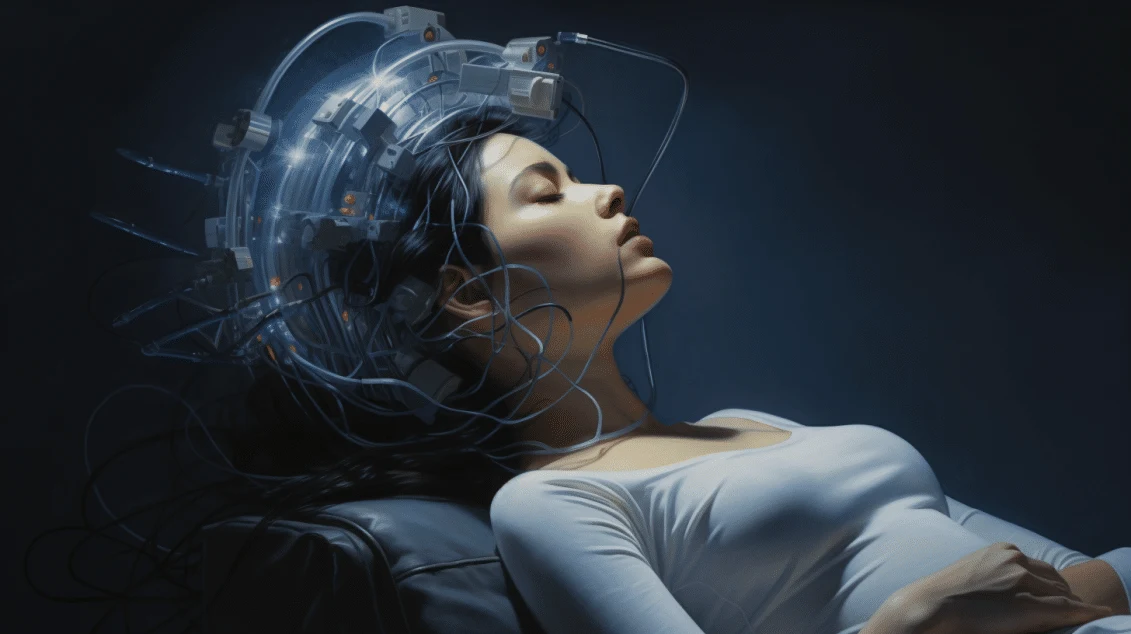
Tardive dyskinesia is a disorder caused by taking certain psychiatric drugs long-term. It involves uncontrollable body movements that can severely impact a person’s quality of life. Deep brain stimulation is a promising new treatment option for severe, drug-re…
Read article ↗
Phenibut is a substance that acts on the brain and can cause dependence and addiction. Stopping phenibut suddenly after regular use leads to a withdrawal syndrome with potentially serious health consequences. What is Phenibut? Phenibut is a central nervous sys…
Read article ↗
Researchers explored how our brain’s reward system connects to depression and other common mental health problems like social anxiety and eating disorders. They found that a dampened reward response seems to follow, rather than precede, symptoms of depression…
Read article ↗
A new study in mice shows how the immune system may play a role in the early gastrointestinal symptoms of Parkinson’s disease, decades before movement problems develop. Researchers found that injecting a specific piece of the alpha-synuclein protein into genet…
Read article ↗
The enteric nervous system (ENS), often called the “second brain”, controls most activities in our gastrointestinal tract. A new study reveals important new information about how this brain-in-the-gut develops and changes as we age. Key Facts: The ENS contains…
Read article ↗
Researchers have developed a new artificial intelligence (AI) chip that mimics the human brain for more energy-efficient speech recognition. The analog AI chip uses phase-change memory devices to perform computations in parallel, dramatically reducing power co…
Read article ↗
A new brain imaging study provides insight into how antidepressants like selective serotonin reuptake inhibitors (SSRIs) may bring about symptom improvement in adolescents with major depressive disorder. The findings suggest that changes in a brain region invo…
Read article ↗
Buddhist meditation practices have been shown to create different states of consciousness. A new study looked at how traditional Buddhist meditation affects how the brain processes sounds. The results show that these meditations change brain activity in a way…
Read article ↗
Loneliness is painful, but it may serve an important purpose. New research explores how loneliness affects the brain and body in humans and animals. The findings reveal that loneliness triggers primal responses designed to get us to seek out social connection.…
Read article ↗