
Human intelligence is a complex cognitive trait that has fascinated scientists and philosophers for centuries. New research is shedding light on the neurobiological underpinnings of intelligence, from genes to cells to brain networks. Key Facts: Intelligence i…
Read article ↗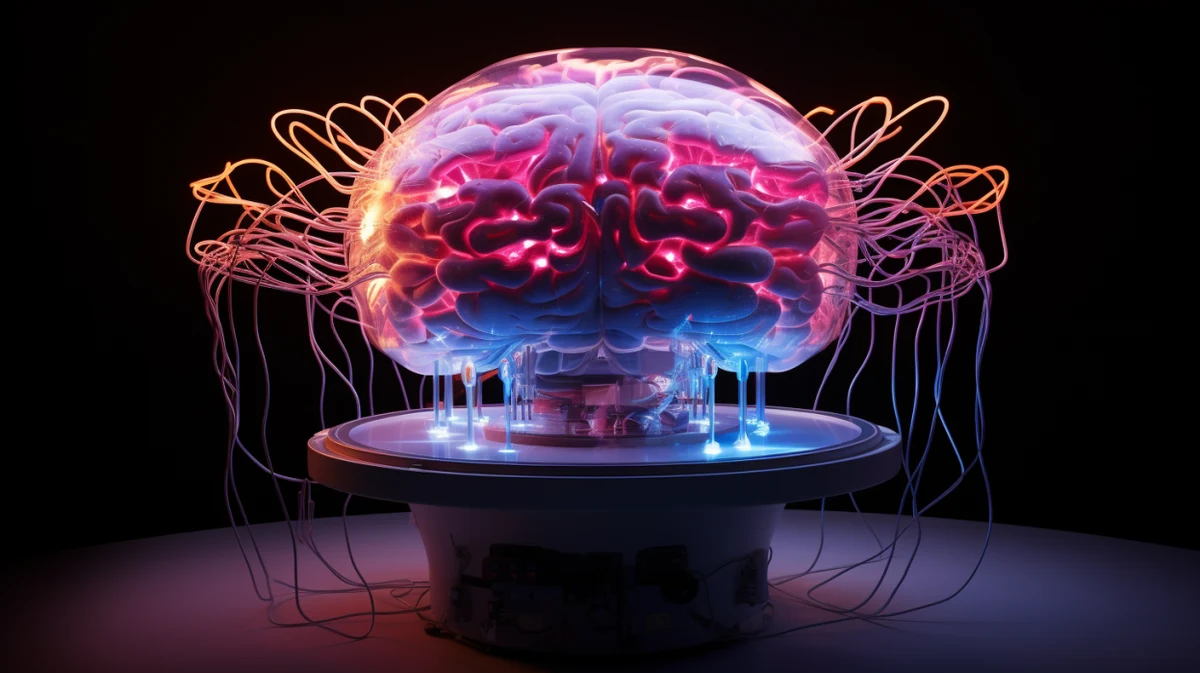
Low intensity focused ultrasound (LIFU) is an exciting new non-invasive brain stimulation technology that allows precise neuromodulation of deep brain structures without surgery. Early research shows LIFU can safely and reversibly modulate targeted areas of th…
Read article ↗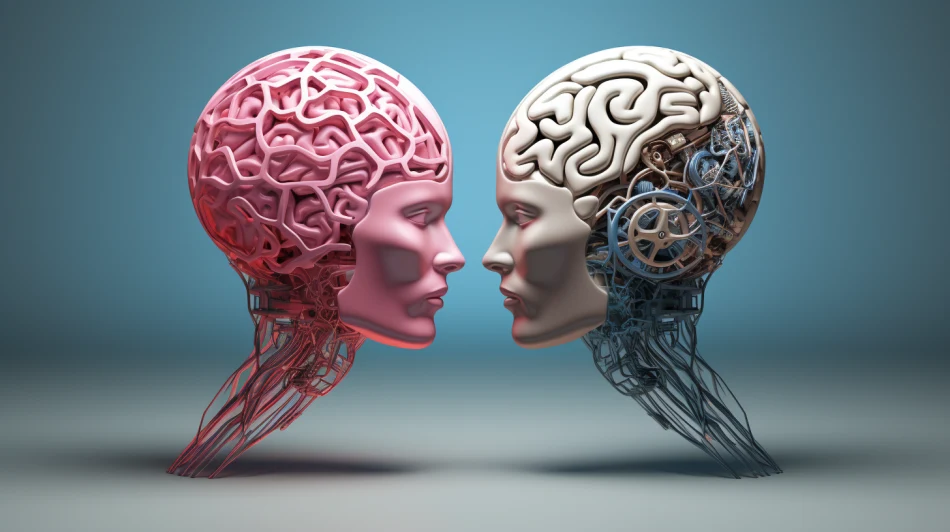
While male and female brains are far more alike than different, research over the past few decades has revealed some subtle but meaningful variations. These differences likely stem from a complex interplay of biological factors, experiences, societal influence…
Read article ↗
Albert Einstein’s extraordinary intelligence and genius have long intrigued scientists. Now, new analysis of photographs of Einstein’s brain reveals enhanced connections between the two hemispheres, providing clues into the neurological basis for his remarkabl…
Read article ↗
Brain serotonin is crucially involved in regulating mood, social behavior, and physical health. While medications that alter serotonin levels have revolutionized psychiatry, non-drug approaches may provide safer, sustainable ways to optimize serotonin and prom…
Read article ↗
A systematic review and meta-analysis published in Scientific Reports evaluated the potential association between chronic fluoride exposure and neurological damage. The study aimed to analyze the impact of fluoride from different sources on neurological disord…
Read article ↗
Aspartame is one of the most widely used artificial sweeteners in the world, but there are conflicting views on its safety and health effects. Key Facts: Aspartame is about 200 times sweeter than sugar but contains minimal calories. It is commonly used in diet…
Read article ↗
Aspartame is an artificial sweetener found in over 6,000 food products. While it provides a sweet taste without calories, emerging research suggests aspartame may negatively impact brain health and function. Key Facts: Aspartame is made up of phenylalanine, as…
Read article ↗
Palmitoylethanolamide (PEA) is a naturally occurring molecule that has been shown to have anti-inflammatory, analgesic, and neuroprotective effects in the body and brain. Key Facts: PEA is produced naturally in the body and is also found in many foods like egg…
Read article ↗
A new study looked at the side effects people report from using delta-8-THC products and found that most match the side effects seen with regular cannabis. This suggests delta-8-THC acts on the brain in a similar way as the main psychoactive compound in cannab…
Read article ↗