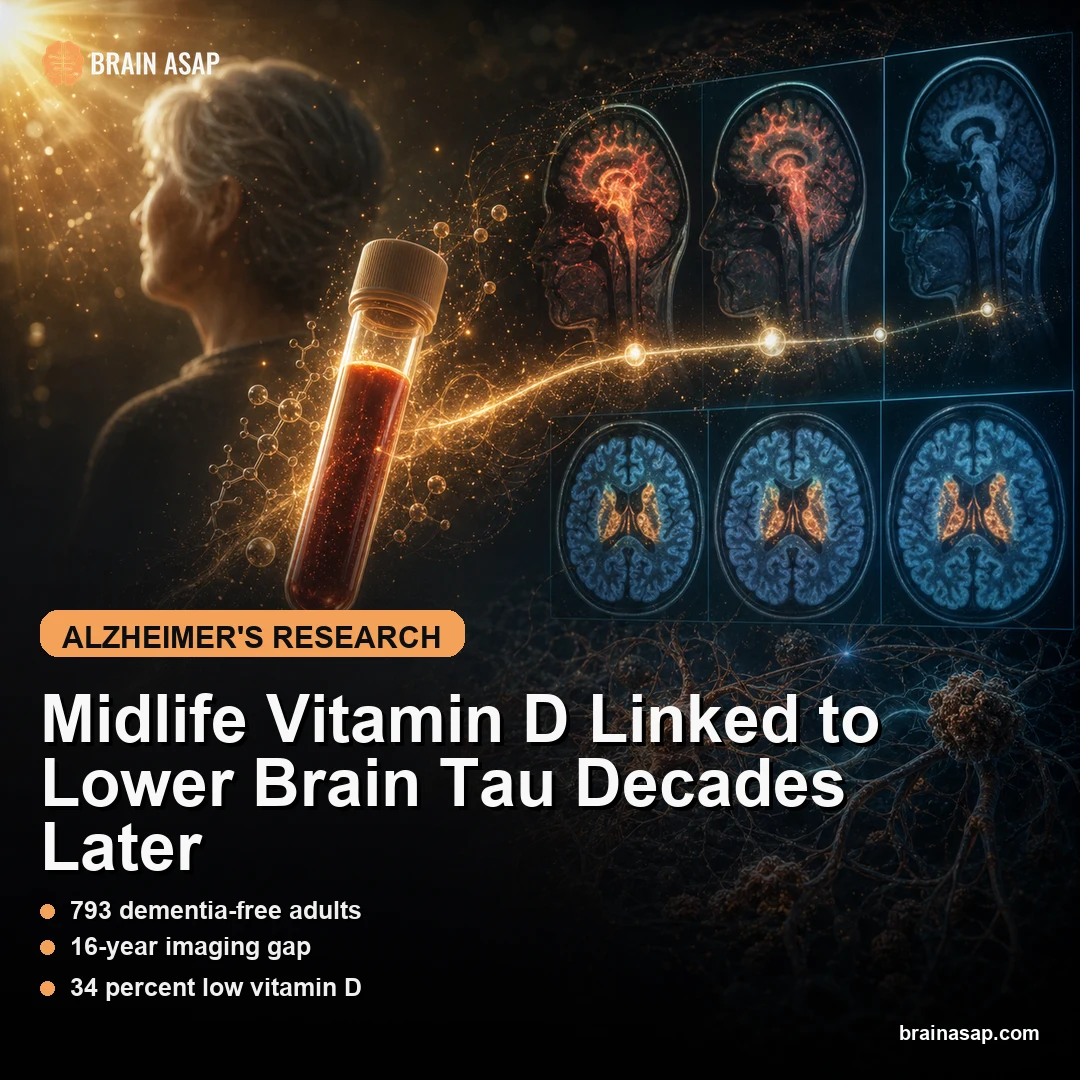
TL;DR: A 2026 study in Neurology Open Access found that in 793 dementia-free adults, higher vitamin D levels around age 39 were associated with less tau readout on PET brain imaging about 16 years later, while amyloid beta did not show the same relationship. K…
Read article ↗
Body Roundness Index Flagged Depression Risk in Dementia TL;DR: Body roundness index, not BMI, flagged a dementia subgroup with more than threefold higher odds of depressive symptoms. Key Findings Highest BRI tripled odds: Among people with dementia, those in…
Read article ↗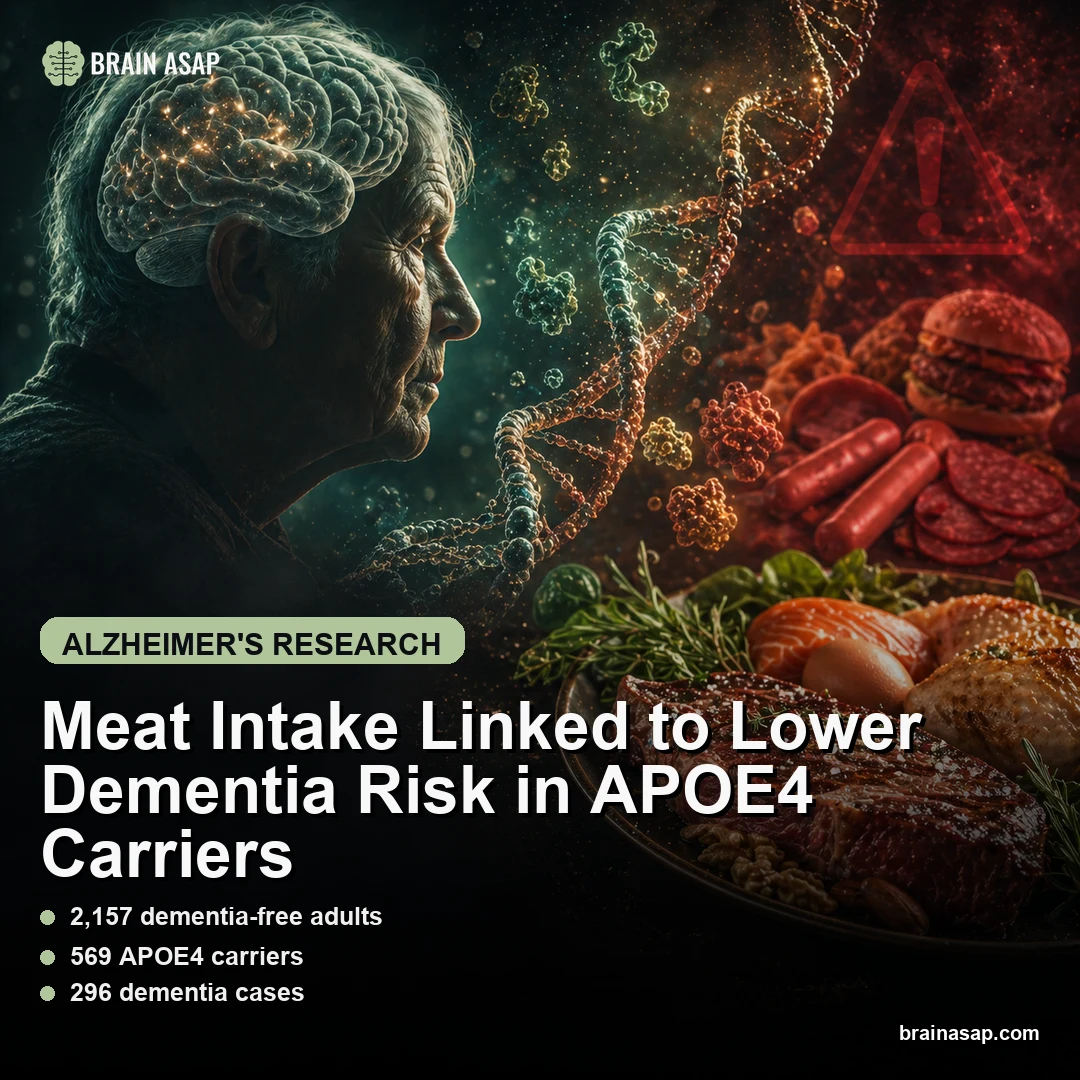
Meat Intake Linked to Lower Dementia Risk in APOE4 Carriers TL;DR: In APOE4 carriers, higher total meat intake tracked with lower observed dementia risk over 15 years, while a higher processed-to-total meat ratio moved in the unfavorable direction. Key Finding…
Read article ↗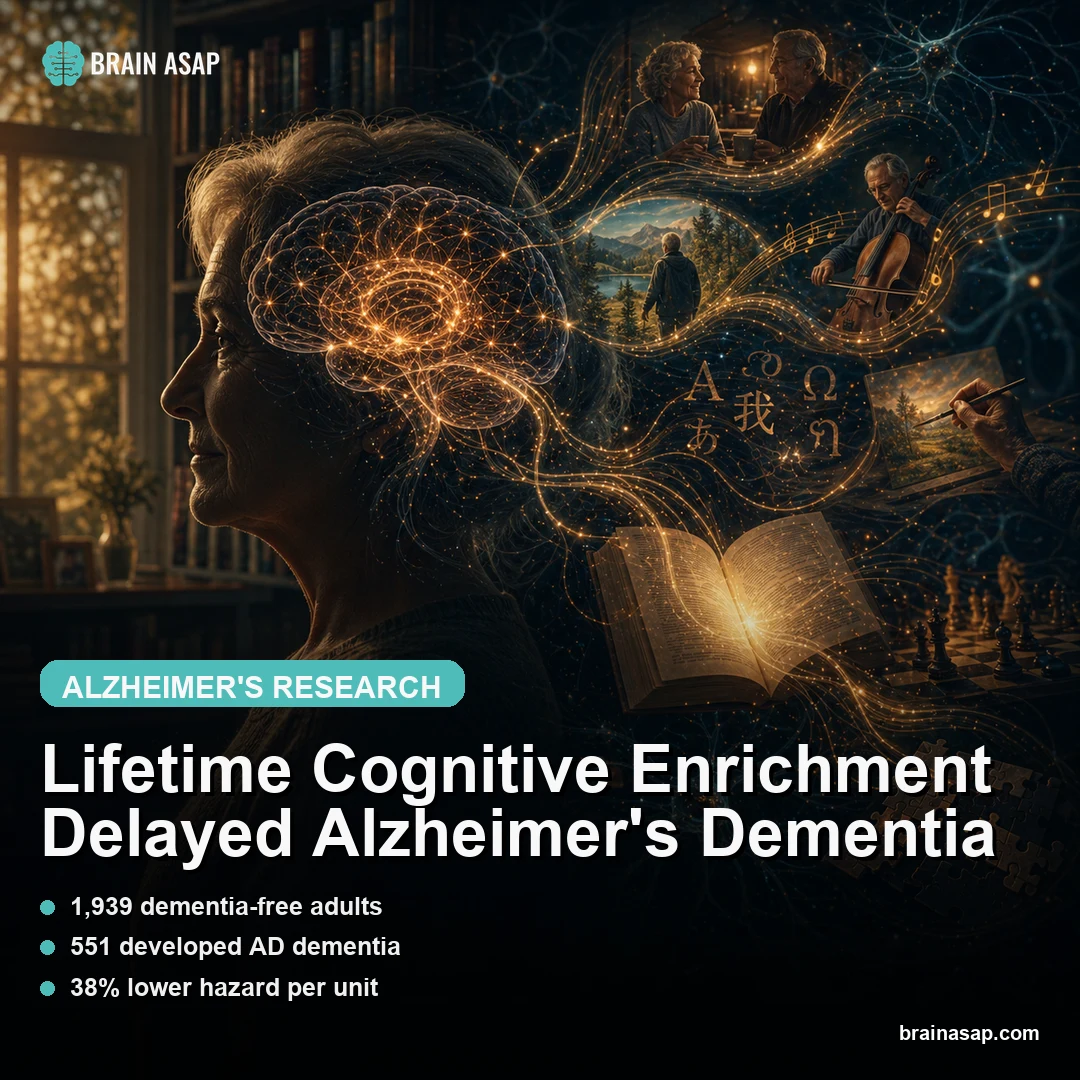
Lifetime Cognitive Enrichment Delayed Alzheimer’s Dementia TL;DR: In 1,939 Rush Memory and Aging Project participants, higher lifetime cognitive enrichment was linked to 38% lower Alzheimer’s dementia hazard and about 5 years later dementia onset. Key Findings…
Read article ↗
Women experiencing midlife stress-related exhaustion have a higher risk of developing dementia at a younger age and exhibit long-term cognitive impairments. Highlights: Higher Dementia Risk: Women with midlife stress-related exhaustion had a nearly threefold i…
Read article ↗
Lecanemab shows promise in treating Alzheimer’s disease by reducing clinical deterioration and amyloid-beta plaques, but it has significant adverse effects and requires further research for confirmation. Highlights: FDA Approval: The US FDA authorized lecanema…
Read article ↗
TLDR: Herpes zoster vaccination is linked to a lower risk of dementia, but more studies are needed to confirm this association. Highlights: Five high-quality studies involving 103,615 vaccinated patients were analyzed. Herpes zoster vaccination was associated…
Read article ↗
TLDR: GLP-1 agonists were found to significantly reduce the risk of dementia in older individuals with type 2 diabetes mellitus (T2DM) compared to DPP-4 inhibitors and sulfonylureas. Highlights: A sequential trial emulation was conducted using data from Swedis…
Read article ↗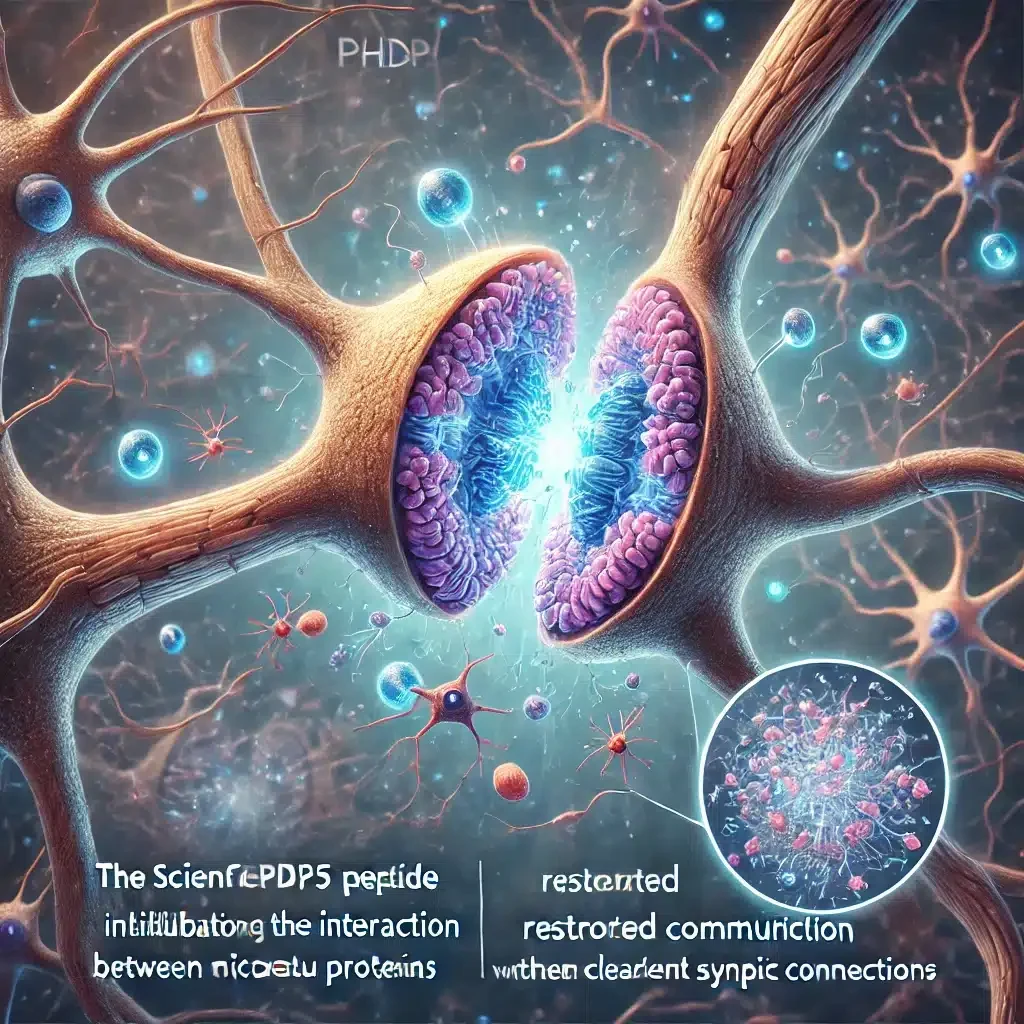
TLDR: Researchers demonstrated that intranasal administration of the peptide FITC-PHDP5-CPP reverses early cognitive impairment in Alzheimer’s disease (AD) model mice, showing potential as a treatment for AD-associated cognitive decline. Highlights: PHDP5, der…
Read article ↗
TLDR: This study provides evidence that high salt intake is causally associated with an increased risk of developing dementia, including Alzheimer’s disease (AD) and undefined dementia. Highlights: Causal Association: High salt intake is significantly associat…
Read article ↗