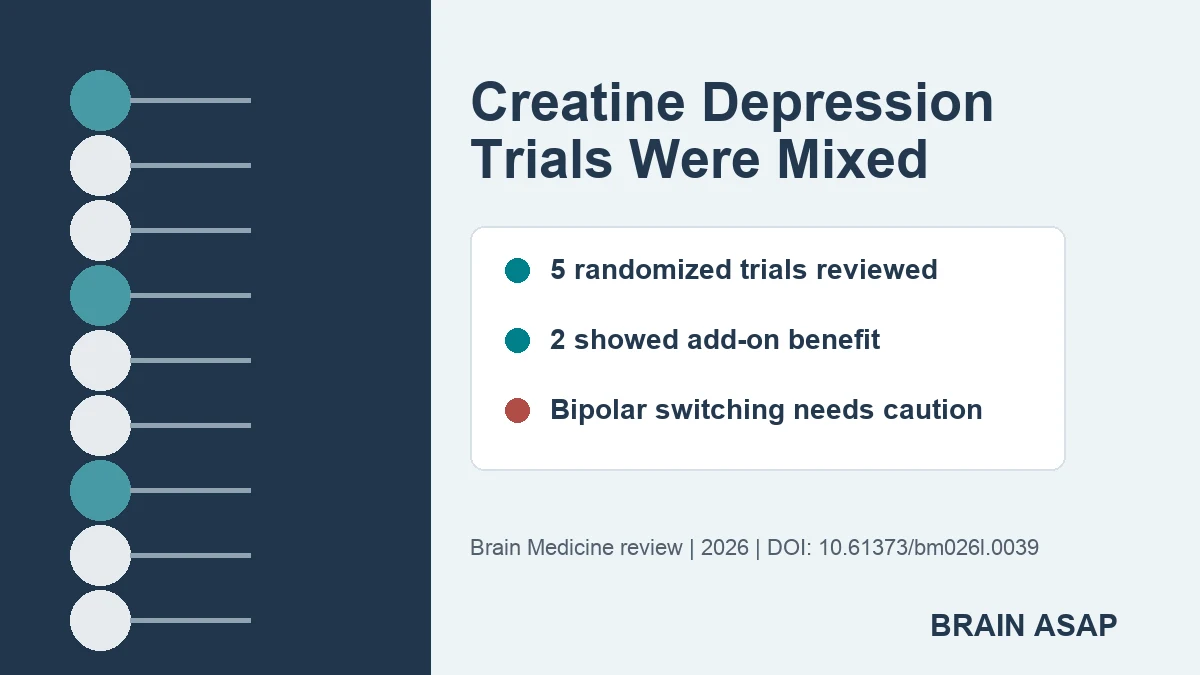
TL;DR: A 2026 review in Brain Medicine found mixed randomized-trial evidence for creatine monohydrate as an add-on depression treatment: 2 of 5 trials showed symptom benefits, while 3 did not find a clear advantage. Key Findings Five randomized trials were rev…
Read article ↗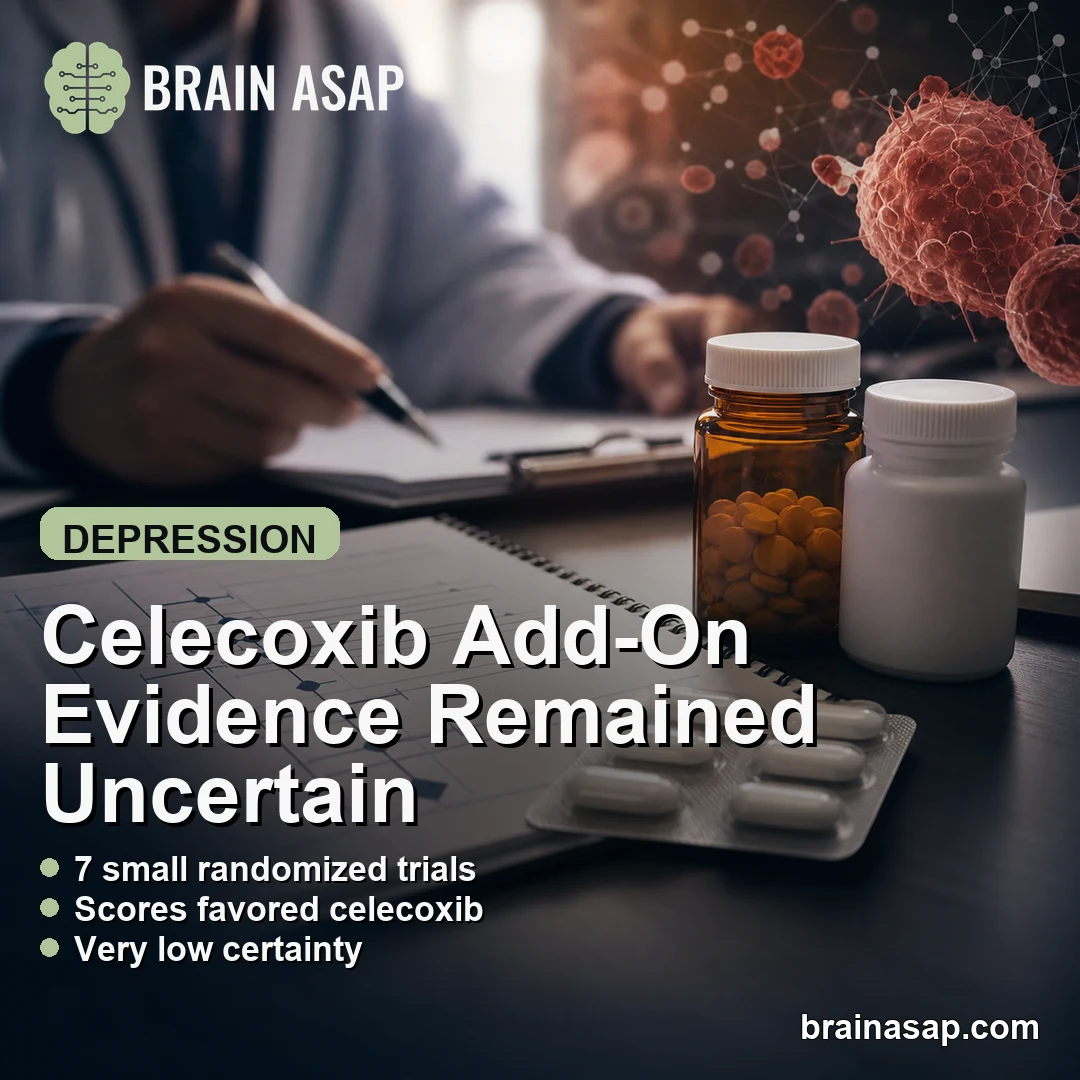
TL;DR: A 2026 systematic review and meta-analysis in Brain, Behavior, & Immunity – Health found that adding celecoxib to antidepressants was linked to lower depressive symptom scores in 7 small trials, but the efficacy evidence was rated very low certainty. Ke…
Read article ↗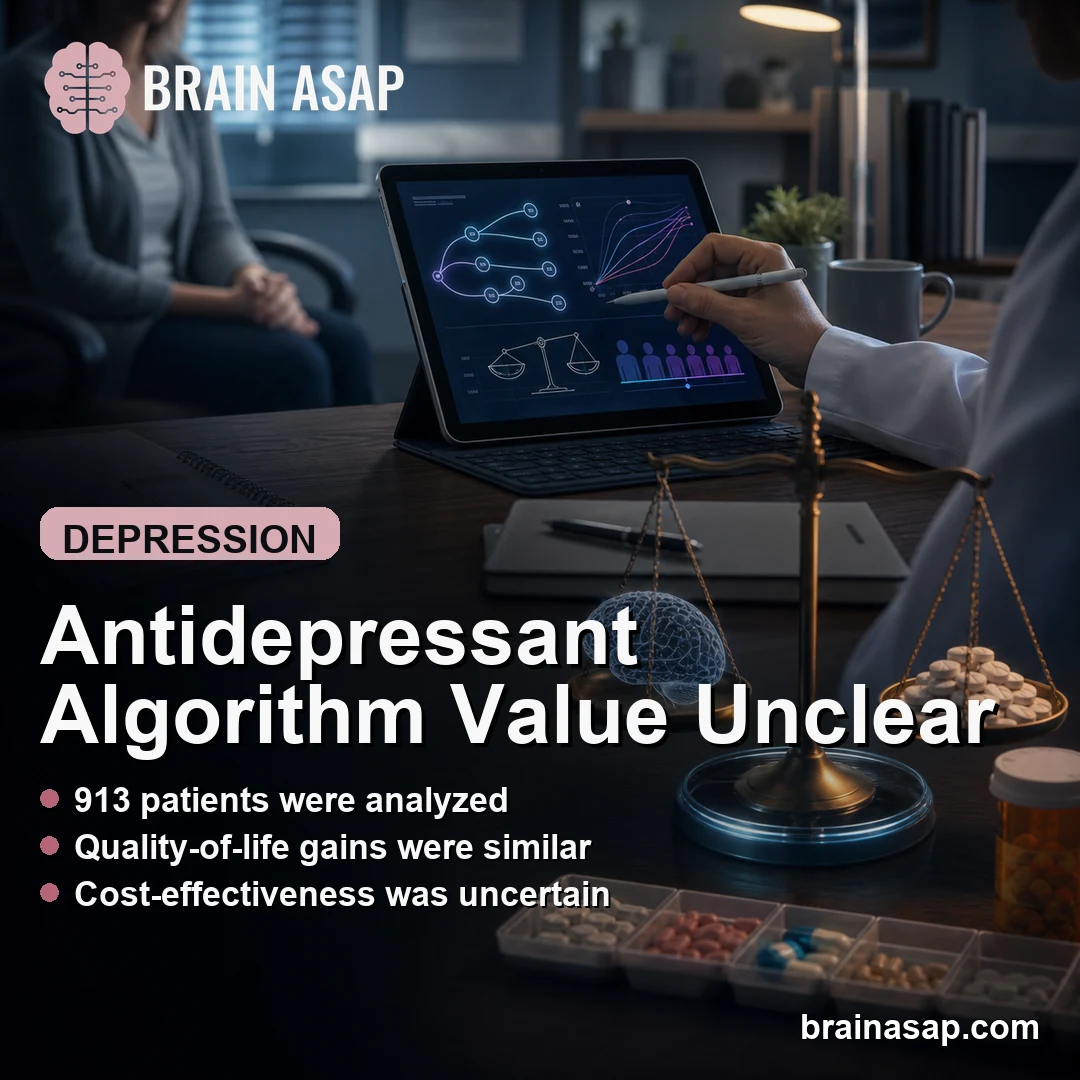
TL;DR: A 2026 study in BJPsych Open found that closely monitored antidepressant care improved quality of life and reduced societal costs in both PReDicT and usual-care groups, while the PReDicT algorithm added uncertain, country-dependent economic value. Key F…
Read article ↗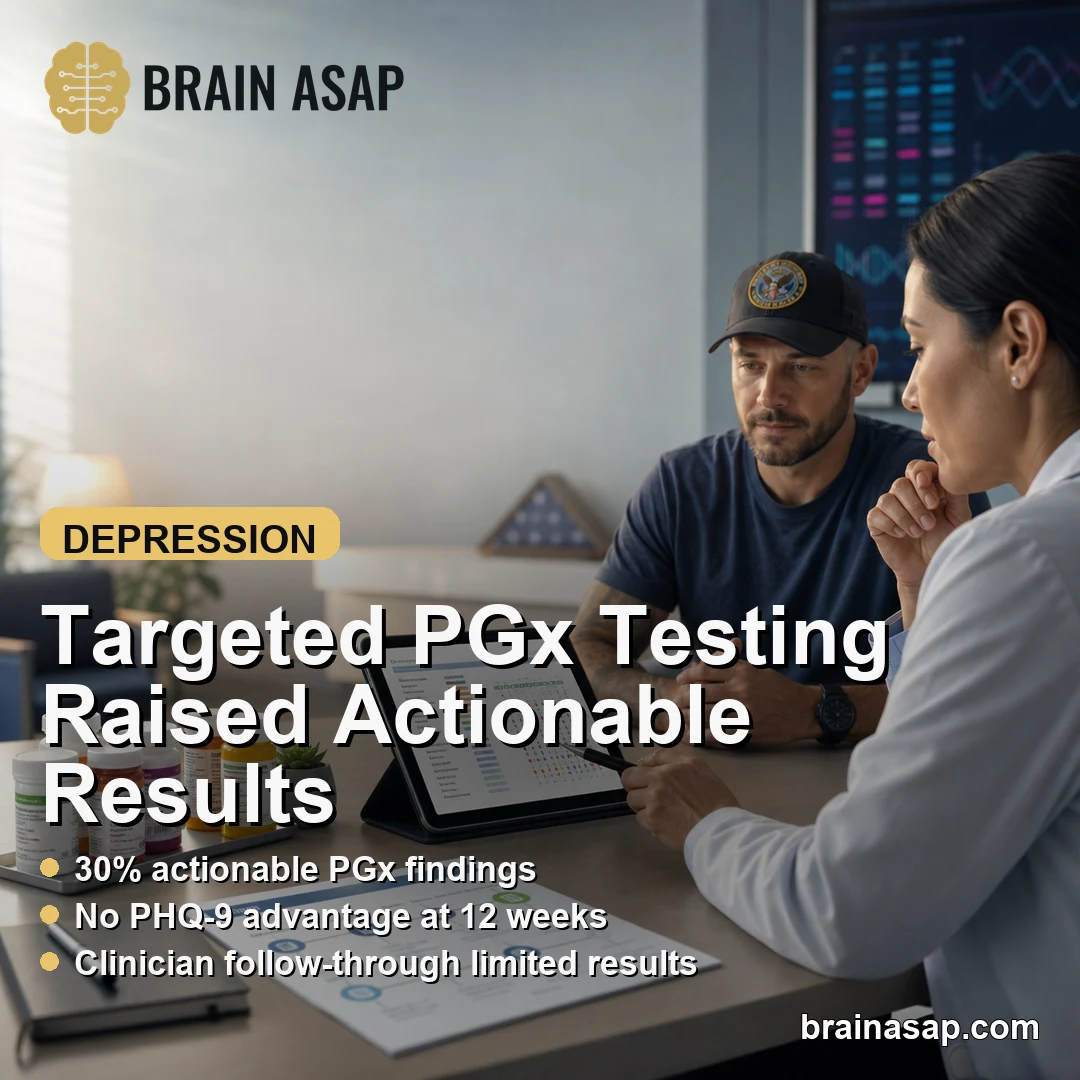
TL;DR: A 2026 study in The Pharmacogenomics Journal tested pharmacogenomic (PGx) depression care, meaning medication guidance based on drug-gene interactions; targeting Veterans already taking antidepressants with common PGx interactions raised the actionable-…
Read article ↗
TL;DR: A 2026 retrospective case series study in European Journal of Psychotraumatology found that trauma flashbacks during esketamine nasal spray sessions were distressing but usually time-limited in 22 patients with treatment-resistant depression and PTSD; w…
Read article ↗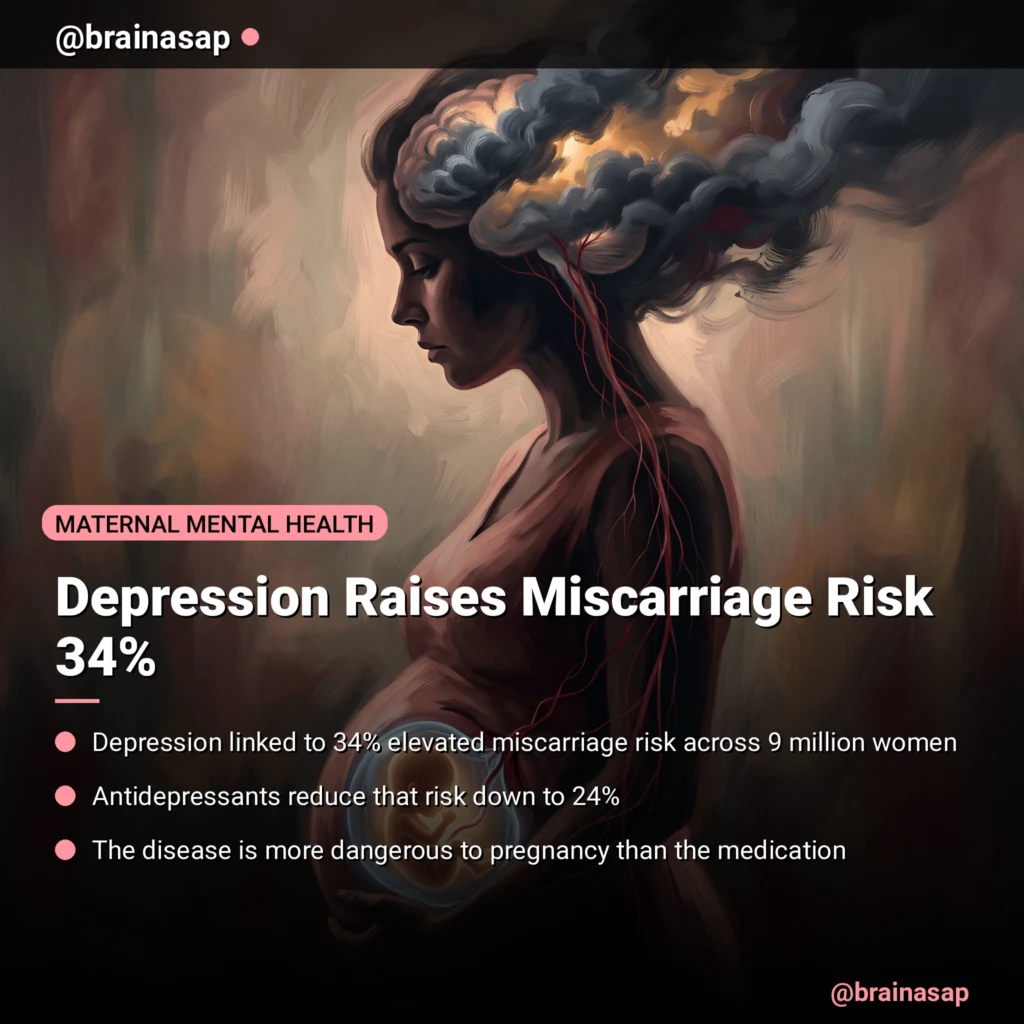
When Depression Threatens Pregnancy: A 34% Elevated Miscarriage Risk TL;DR: Untreated depression increases miscarriage risk by 34% across nearly 9 million women, but antidepressants reduce that risk to 24%—meaning the medication is safer than the disease durin…
Read article ↗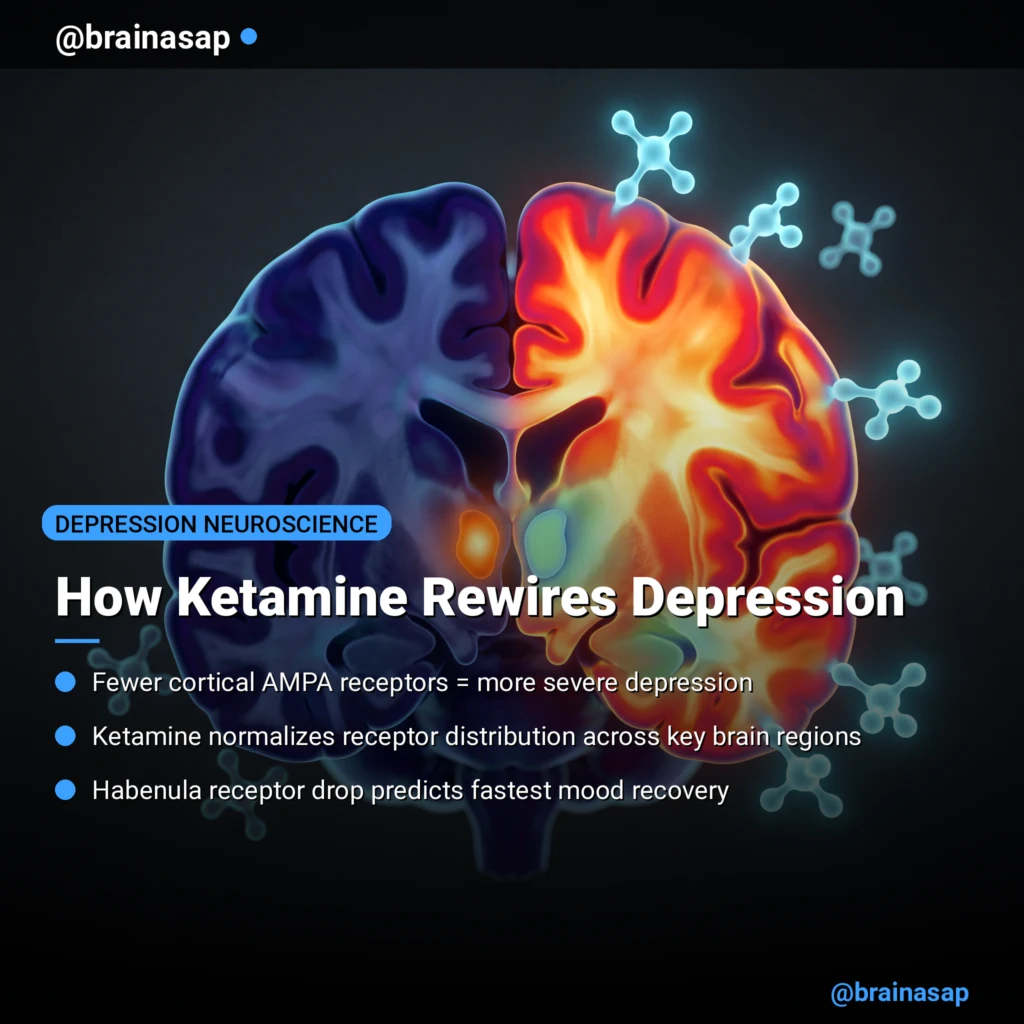
How Ketamine Rewires Receptors to Beat Depression TL;DR: Using PET imaging to directly visualize AMPA receptors in the living human brain, researchers discovered that ketamine’s rapid antidepressant effect works by reshuffling these receptors across specific b…
Read article ↗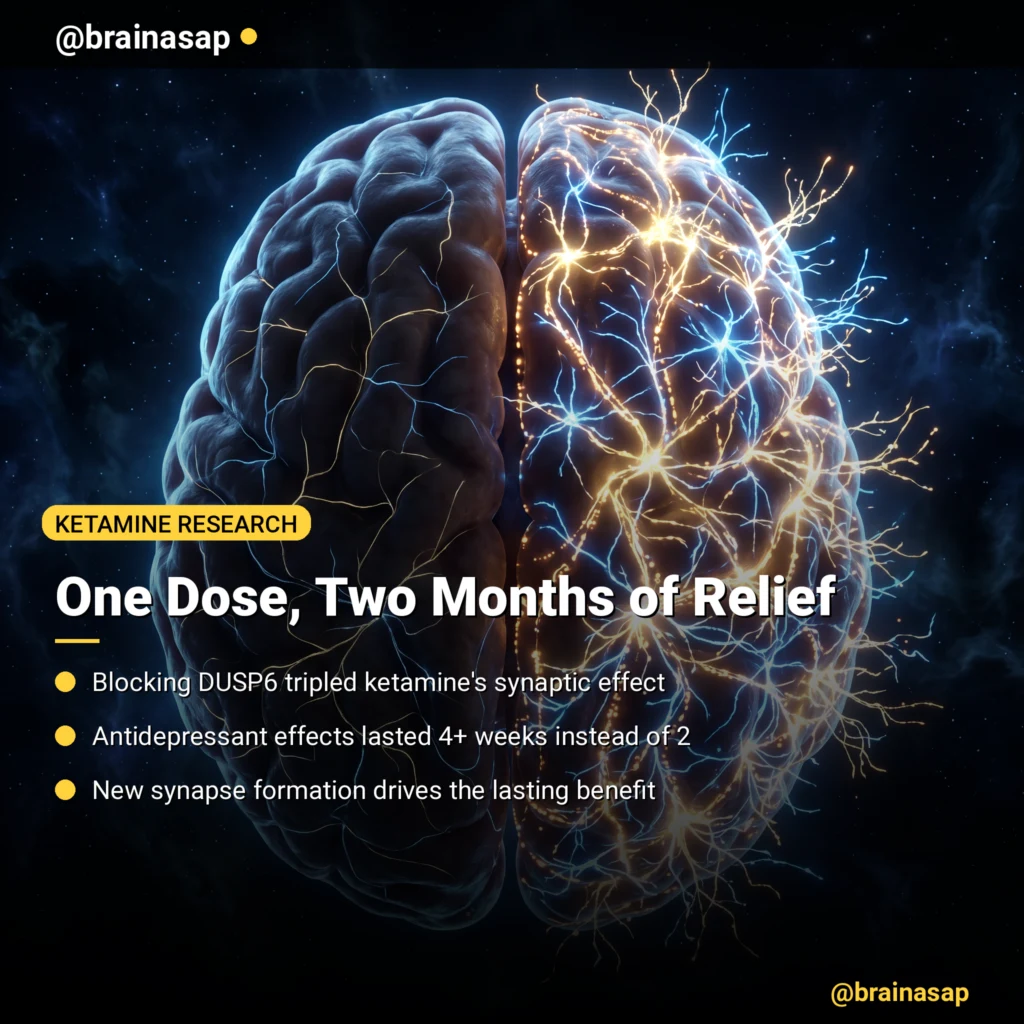
How Scientists Turned a Brief Ketamine High into a Two-Month Antidepressant Effect TL;DR: Blocking DUSP6 protein alongside ketamine extends antidepressant effects from 2 weeks to 4+ weeks in mice, potentially offering single-dose treatment instead of repeated…
Read article ↗
The NLRP3 inflammasome is increasingly being recognized as a mediator between inflammation and depression. Targeting this molecular complex shows promise for developing new antidepressant therapies. Key Facts: The NLRP3 inflammasome is made up of NLRP3, ASC, a…
Read article ↗
A new study published in Frontiers in Psychiatry provides promising evidence that focused ultrasound stimulation of the prefrontal cortex can alleviate depressive behaviors in mice by suppressing inflammatory responses. Key facts: Researchers stimulated the pr…
Read article ↗