
Major depressive disorder (MDD) is a highly prevalent mental illness and leading cause of disability worldwide. While treatments exist, they are far from optimal and up to 30% of patients fail to respond. There is an urgent need to identify factors that may en…
Read article ↗
Depression affects over 300 million people globally. Current treatments have limited efficacy for many patients. Exciting new research highlights the potential of allopregnanolone agonists like brexanolone and zuranolone as more targeted, rapid-acting antidepr…
Read article ↗
Major depressive disorder affects over 17 million American adults each year. For up to 30% of these patients, standard antidepressant medications fail to provide adequate symptom relief – a condition known as treatment-resistant depression (TRD). Now, new rese…
Read article ↗
Vagus nerve stimulation (VNS) is an emerging form of brain stimulation showing promise for treating depression. Though still considered experimental, VNS has a long history dating back over 100 years. Recent advances are unlocking its potential as a new tool f…
Read article ↗
Suicide is a major public health problem, with over 700,000 people dying by suicide every year globally. Identifying factors that may indicate risk for suicidal thoughts and behaviors is an important area of research, as this could aid prevention and intervent…
Read article ↗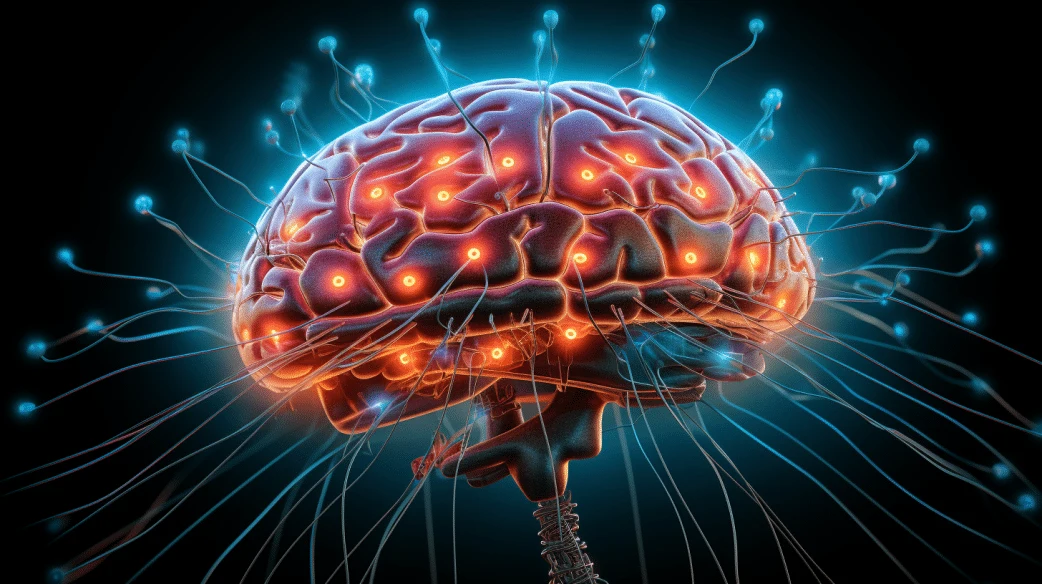
Deep brain stimulation (DBS), a surgical procedure that implants electrodes in the brain to deliver electrical stimulation, may offer hope for people with severe depression that has not responded to multiple treatments. However, larger and more rigorous studie…
Read article ↗
Deep brain stimulation (DBS) is an emerging experimental therapy that has shown promise in treating patients with severe, treatment-resistant depression (TRD). Early research indicates DBS may help patients who have failed to respond to medications, psychother…
Read article ↗
A new meta-analysis published in the Journal of Behavioral Addictions explores the relationship between mobile phone addiction (MPA) and mental health issues like anxiety, depression, impulsivity, and poor sleep quality in college students. The analysis, condu…
Read article ↗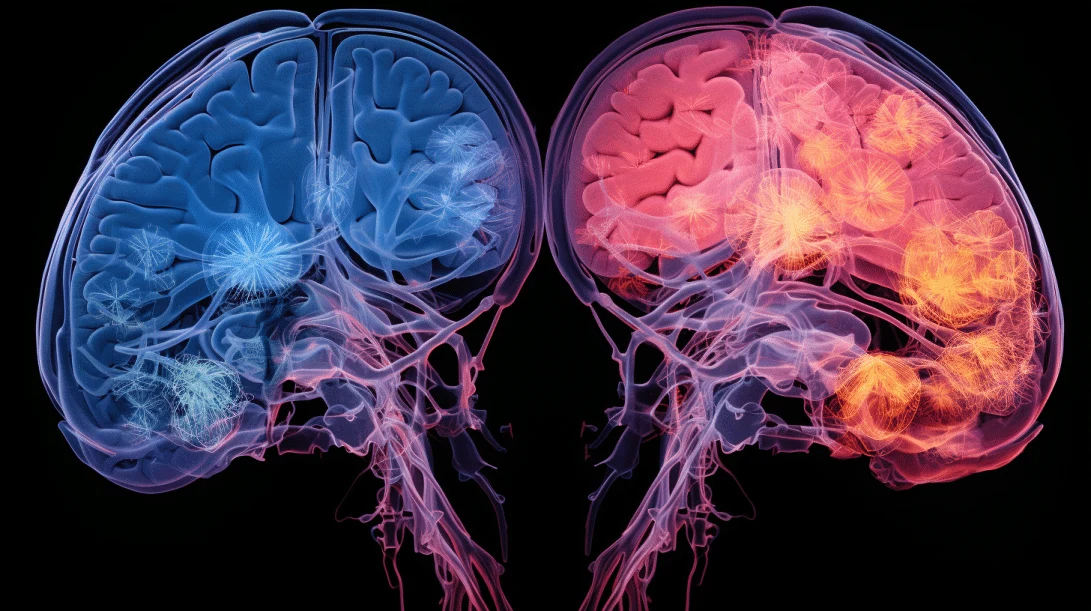
Research provides new evidence that generalized anxiety disorder (GAD) and depressive disorder (DD) have distinct patterns of brain activity. Machine learning analysis of EEG data reveals signature brain features that may enable more accurate diagnosis. Key Fa…
Read article ↗
A new retrospective study analyzing data from over 33,000 COVID-19 patients points to omega-3 fatty acids as a potential preventive strategy against the psychiatric aftereffects of the illness. Key findings: Patients taking omega-3 supplements before COVID-19…
Read article ↗