Researchers have discovered that a common soil bacterium called Mycobacterium vaccae (M. vaccae) may help reduce stress, anxiety, and inflammation in the brain. Key Facts: M. vaccae is a naturally occurring bacterium found in soil, mud, and water. It is consid…
Read article ↗
Depression and cognitive deficits are common health issues that impact millions of people. Scientists are testing a new drug, NSI-189, to see if it can help treat depression and improve thinking ability. Early research shows promise that NSI-189 may be able to…
Read article ↗
Finasteride is a common medication used to treat hair loss and enlargement of the prostate gland. However, new research shows this drug may also increase the risk of depression and suicidal thoughts. Key Facts: Finasteride works by reducing levels of a hormone…
Read article ↗
A new study shows that delivering brain stimulation with mild electric current to the forehead at home could be an effective treatment option for people with depression. Key facts: The study tested at-home transcranial direct current stimulation (tDCS) in 16 p…
Read article ↗
Researchers have discovered that changes in a region deep in the brain called the brainstem may contribute to recurring major depressive disorder (MDD). Key findings include: Patients with first-episode and recurrent depression showed volume decreases in brain…
Read article ↗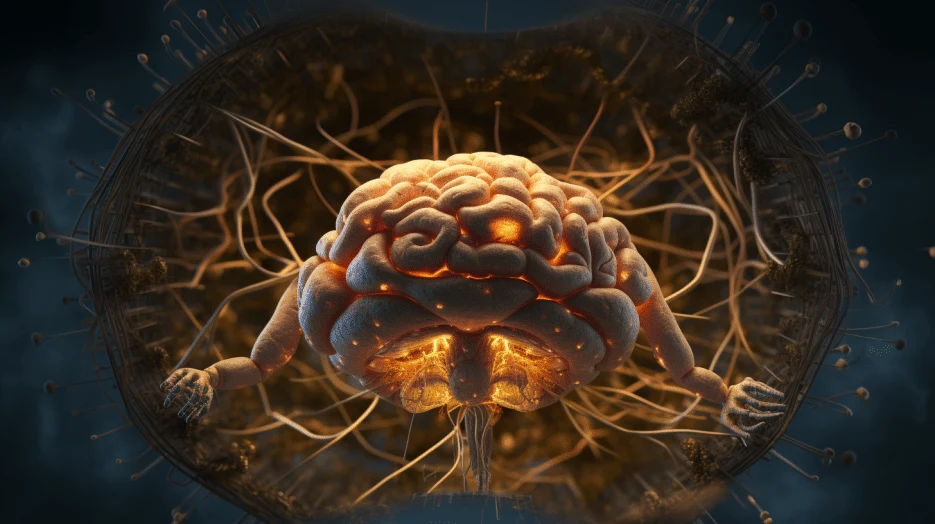
Depression affects over 270 million people worldwide. New research is investigating whether manipulating gut bacteria with probiotics, prebiotics or synbiotics can help treat depression symptoms. Key Facts: Probiotics are live microorganisms that provide healt…
Read article ↗
Theobromine, an ingredient found in chocolate, may impact mood and depression risk. But the details are complicated. Here’s what the science says so far. Key Facts: A recent study found higher theobromine intake was associated with increased depression risk. H…
Read article ↗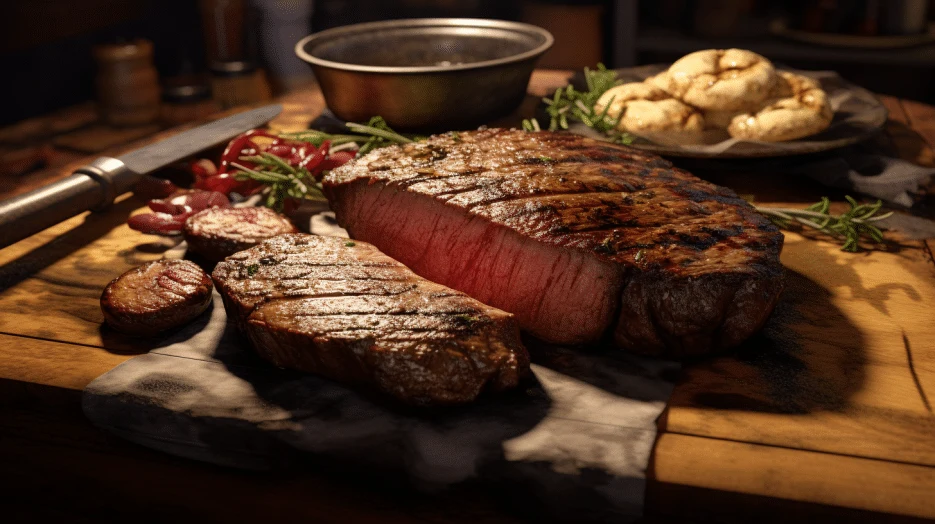
Research shows that getting the right amount of the vitamin niacin may help lower the risk of depression. Niacin is one of the B vitamins and is also known as vitamin B3. Consuming too little or too much niacin appears tied to higher odds of depression, sugges…
Read article ↗
New research shows that when mothers experience famine during pregnancy, it can change babies’ brain development in the womb. This may increase their risk for mental illnesses like schizophrenia and depression later in life. Key Facts: Babies whose mothers exp…
Read article ↗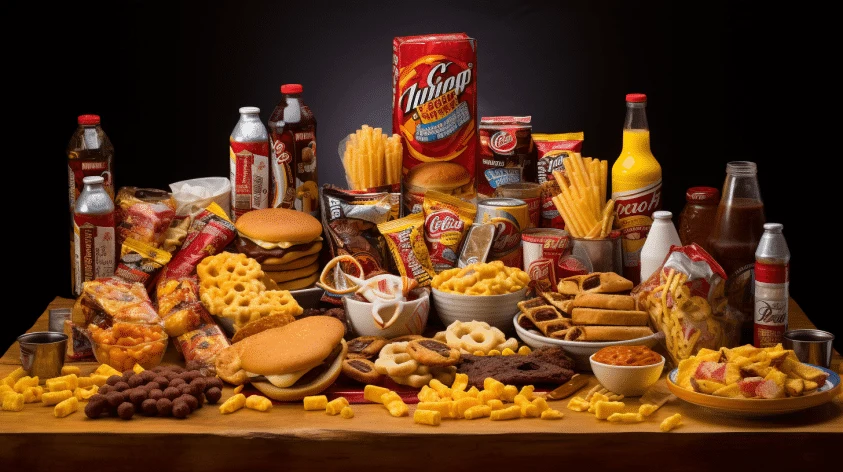
A new study suggests that eating more acid-producing foods may increase the risk of depression and anxiety, especially in women. Here are the key facts: Women with high dietary acid load had 21% higher odds of severe depression compared to those with low acid…
Read article ↗