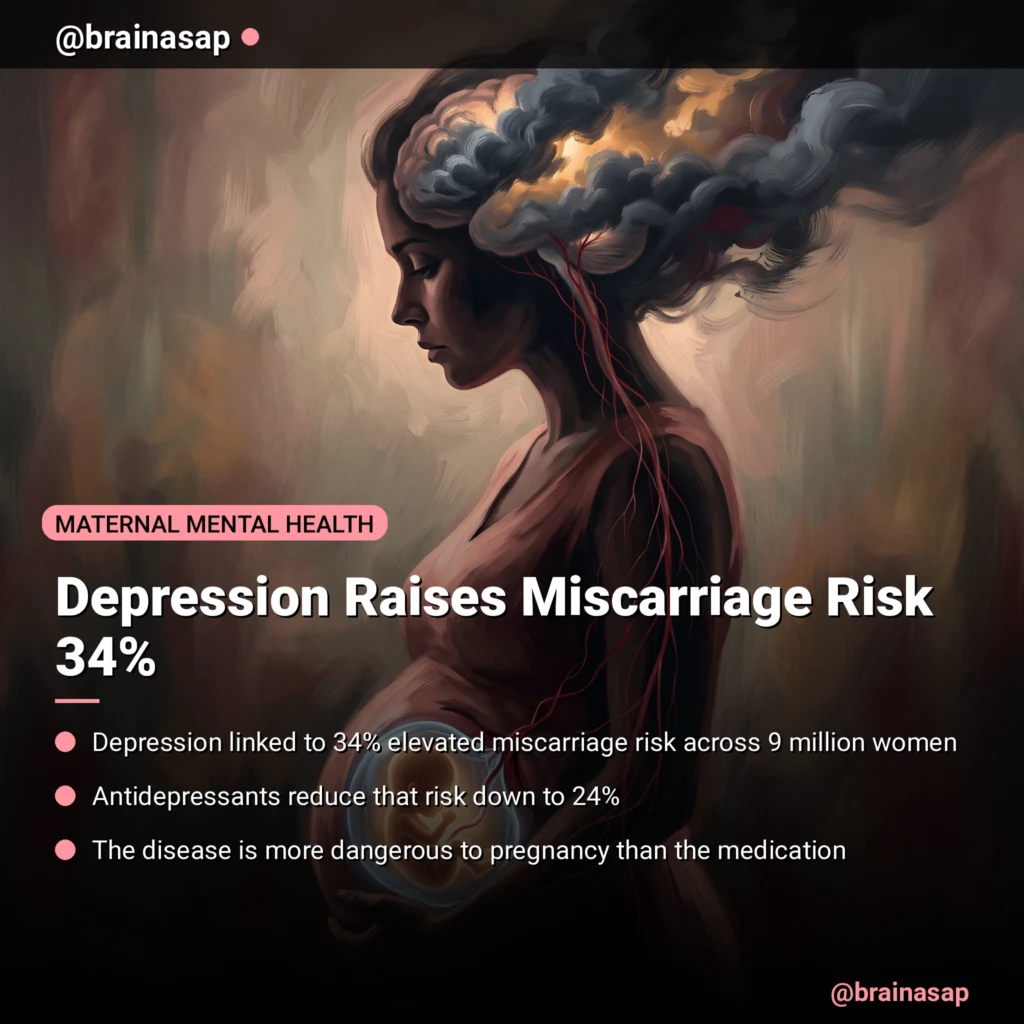
When Depression Threatens Pregnancy: A 34% Elevated Miscarriage Risk TL;DR: Untreated depression increases miscarriage risk by 34% across nearly 9 million women, but antidepressants reduce that risk to 24%—meaning the medication is safer than the disease durin…
Read article ↗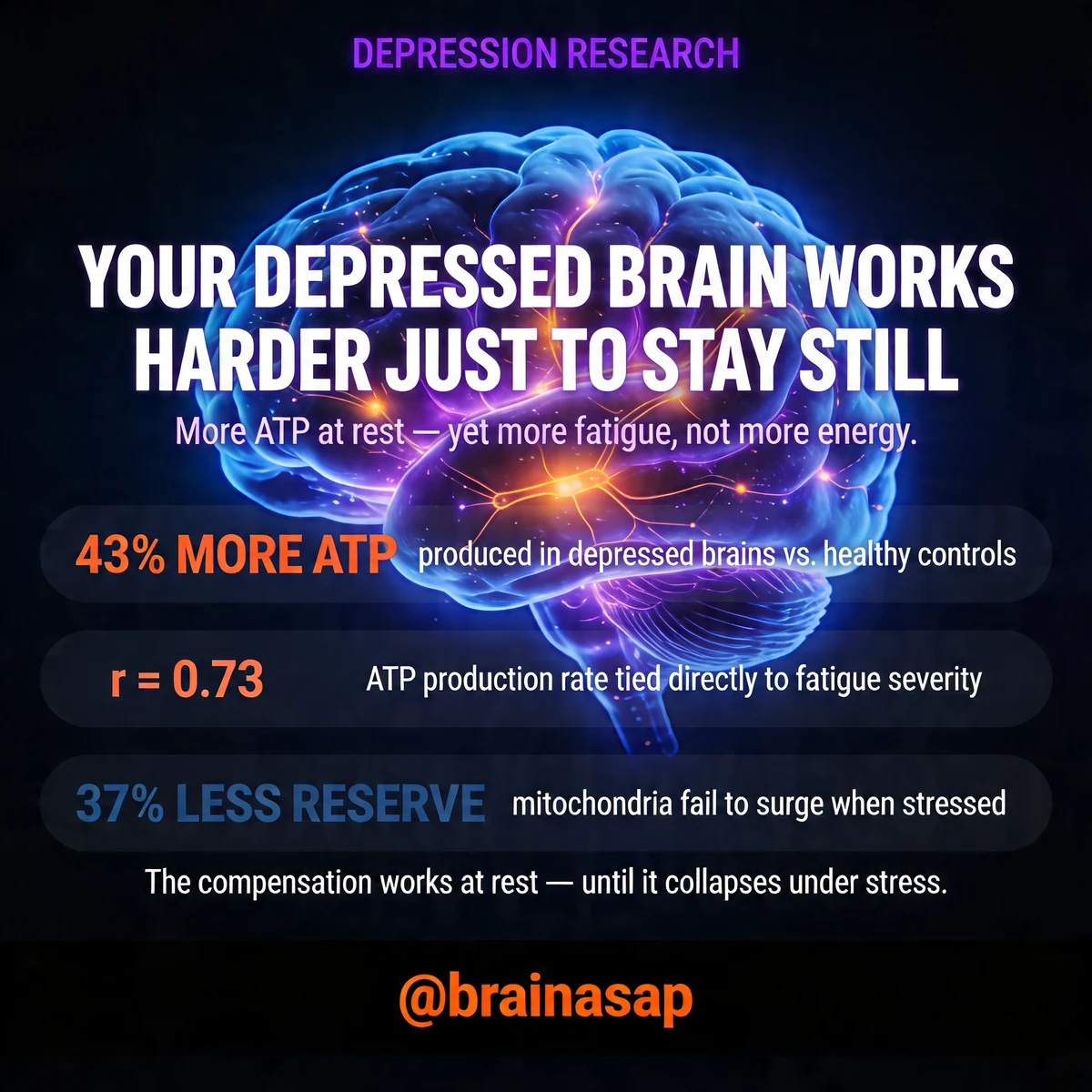
The Energy Paradox: Why Depressed Brains Burn Faster TL;DR: Young adults with depression produce ATP—the cell’s energy currency—at faster rates in both brain and blood, yet still feel more fatigued. New research reveals this is a compensatory mechanism that wo…
Read article ↗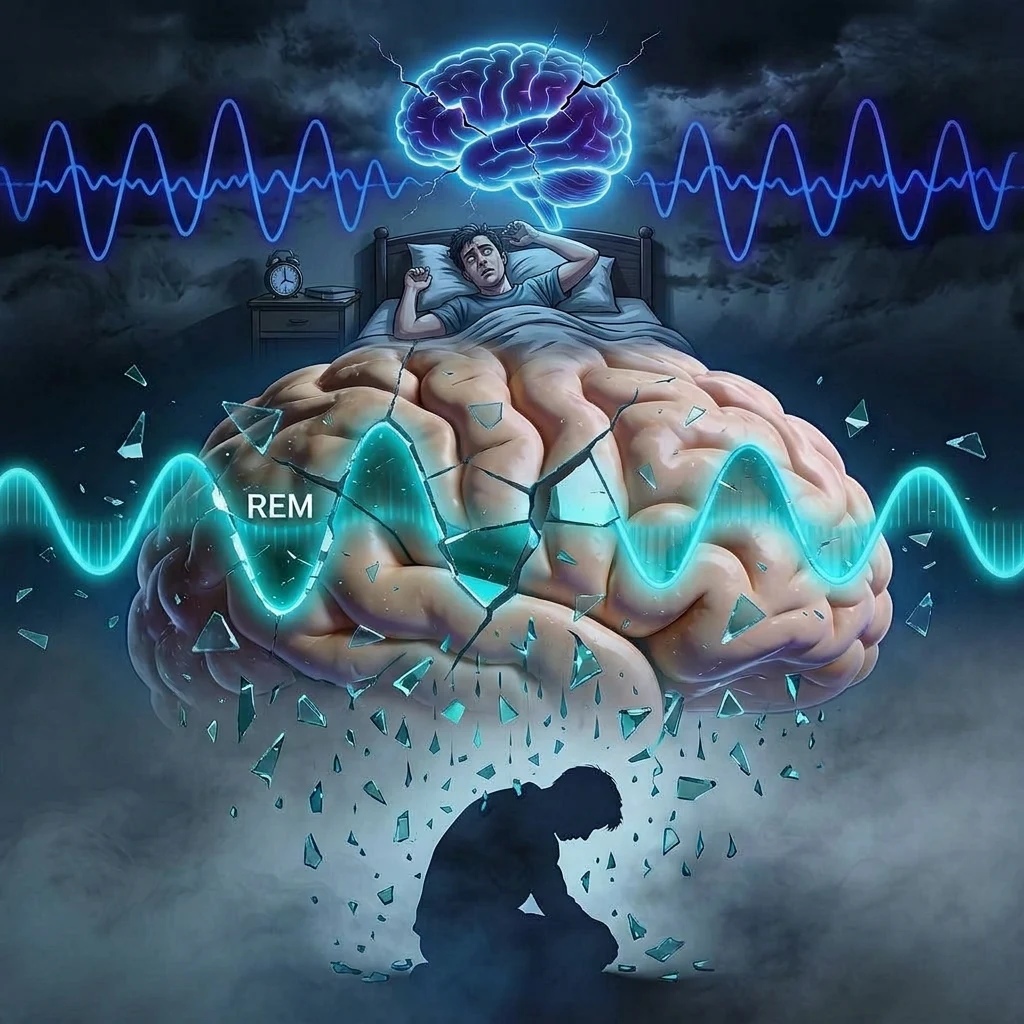
The Brain That Won’t Shut Down: How Fragmented REM Sleep Breeds Depression TL;DR: Chronic insomnia fragments REM sleep through persistent hyperarousal, preventing emotional memory consolidation and creating a vicious cycle that breeds depression—but cognitive-…
Read article ↗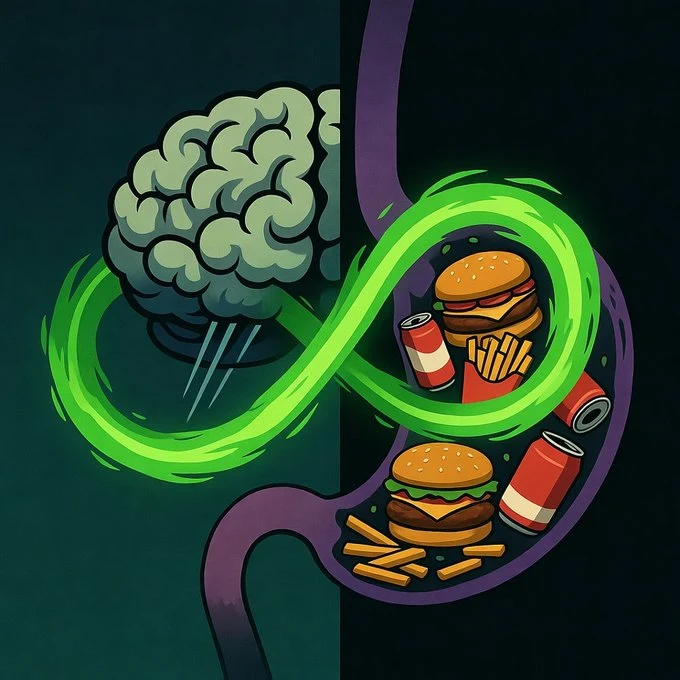
Obesity and Depression Share Five Converging Biological Pathways Obesity and depression represent two of the world’s fastest-growing epidemics. By 2030, over 1 billion people will have obesity, while depression will affect more than 350 million. Yet they are r…
Read article ↗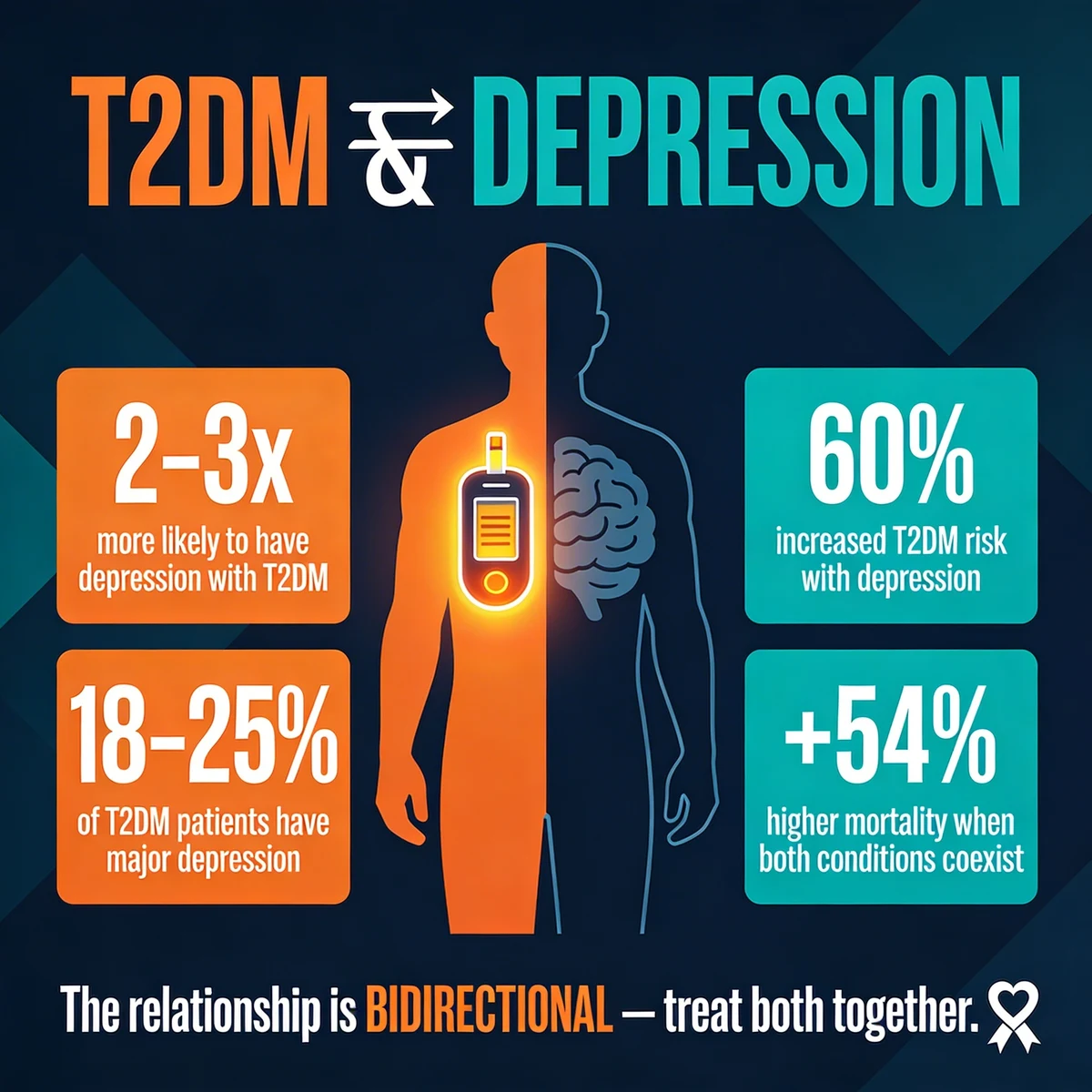
Diabetes and Depression Are Not Just Comorbidities—They Drive Each Other TL;DR: Diabetes and depression form a vicious cycle: high blood sugar triggers neuroinflammation and HPA axis dysfunction that cause depression, while depression sabotages blood sugar con…
Read article ↗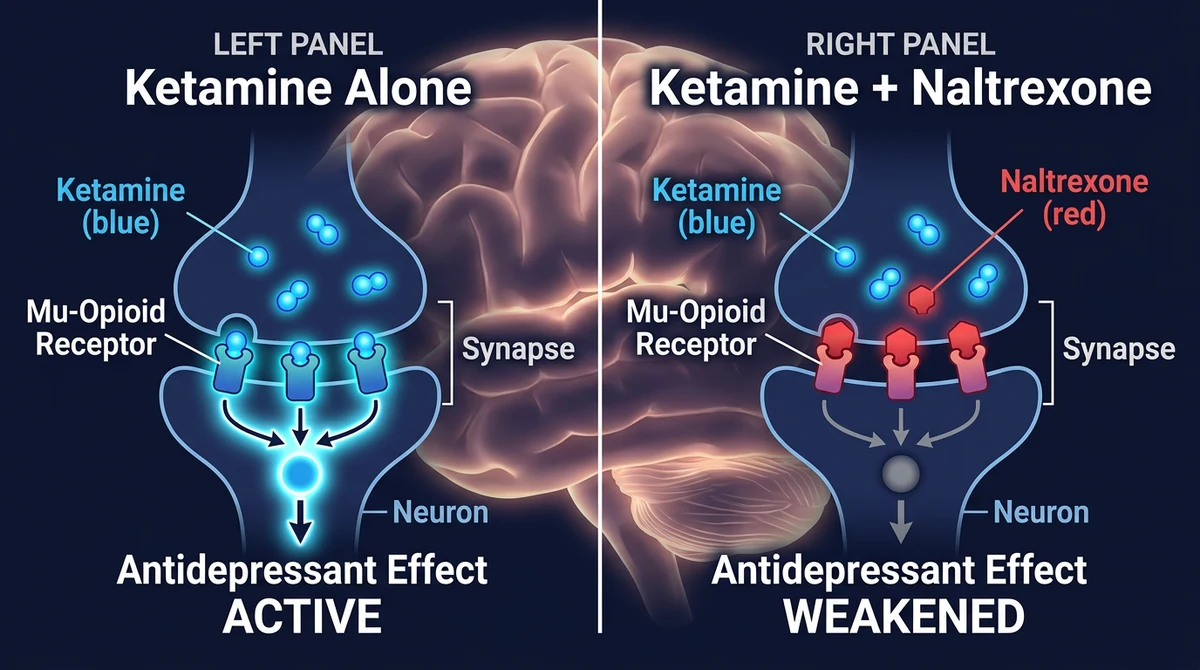
Opioid System Activation is Required for Ketamine’s Antidepressant Effects Ketamine is fast—a single subanesthetic infusion reduces severe depression symptoms within hours, not weeks. But the mechanism remains incompletely understood. For nearly two decades, r…
Read article ↗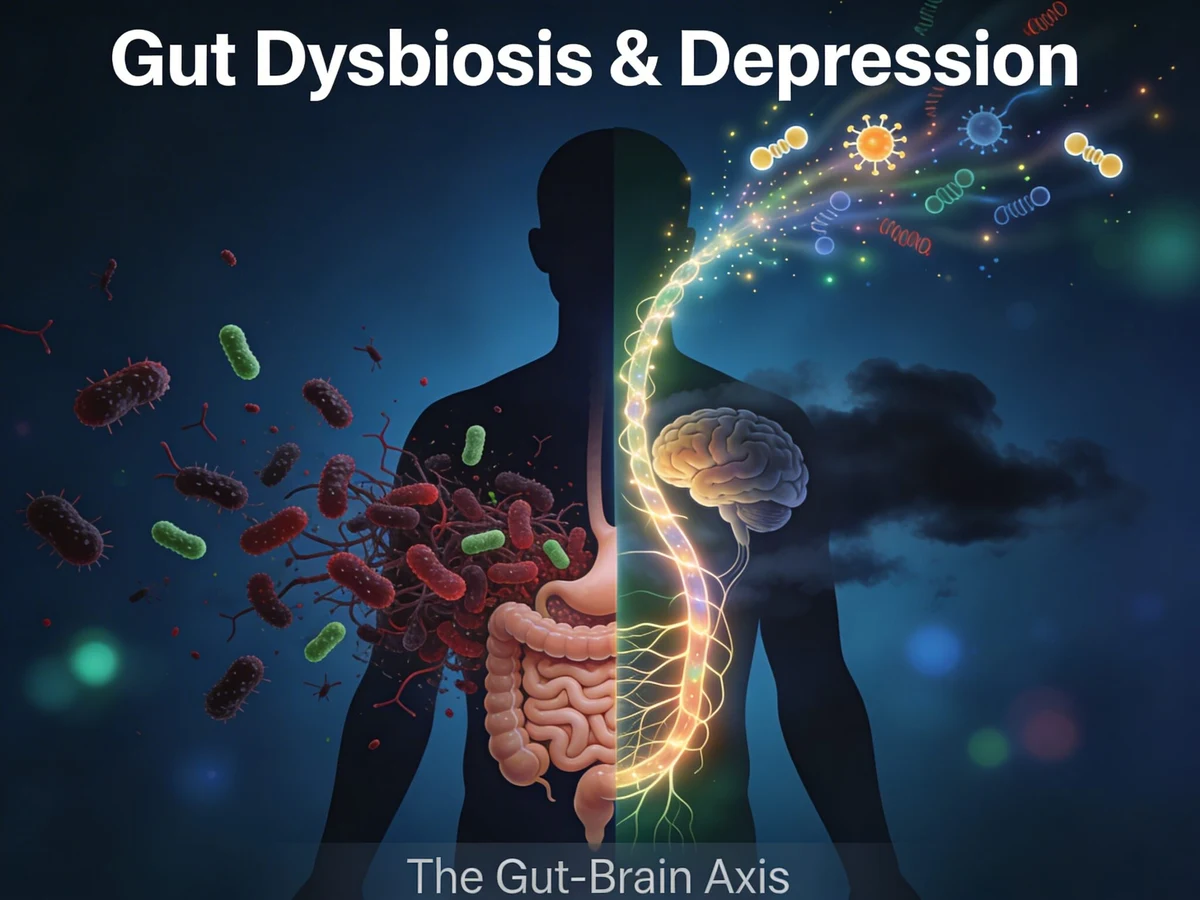
Dysbiotic Gut Microbiota Depletes Amino Acids and Triggers Depression in Youth Depression in children and adolescents affects 4–5% of youth worldwide, with rates climbing steeply over the past decade. Conventional treatment targets serotonin—but new evidence r…
Read article ↗
Elevated fingernail cortisol levels can distinguish individuals with lifetime major depressive disorder (MDD) from healthy controls, suggesting it as a promising biomarker for MDD. Highlights: Individuals with lifetime MDD had significantly higher fingernail c…
Read article ↗
Insomnia and daytime napping are causally associated with an increased risk of major depressive disorder (MDD), while sleep duration influences the risk of schizophrenia and attention-deficit/hyperactivity disorder (ADHD). Highlights: Major Depressive Disorder…
Read article ↗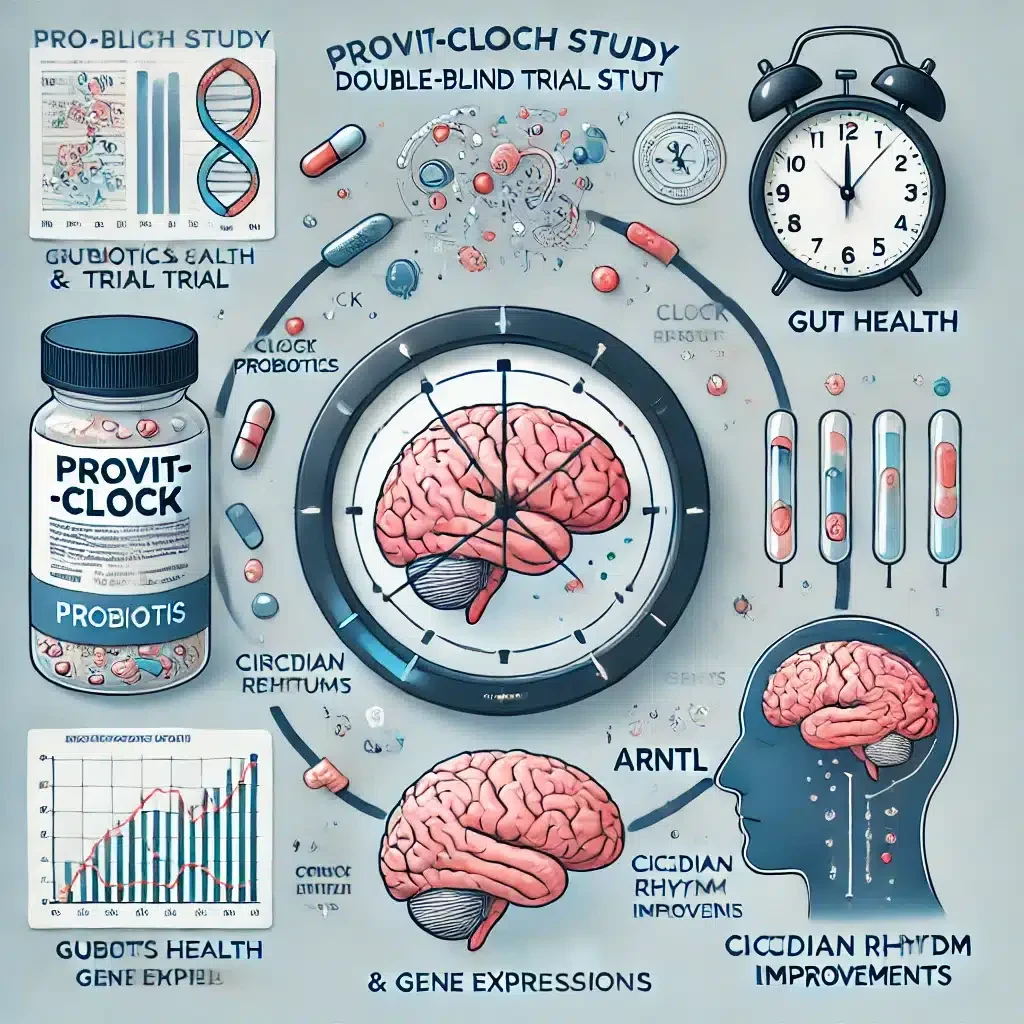
Probiotic treatment may influence core clock gene expression and metabolites in individuals with major depressive disorder (MDD), potentially linking gut microbiota to circadian rhythms and mood regulation. Highlights: CLOCK Gene Expression: The expression lev…
Read article ↗