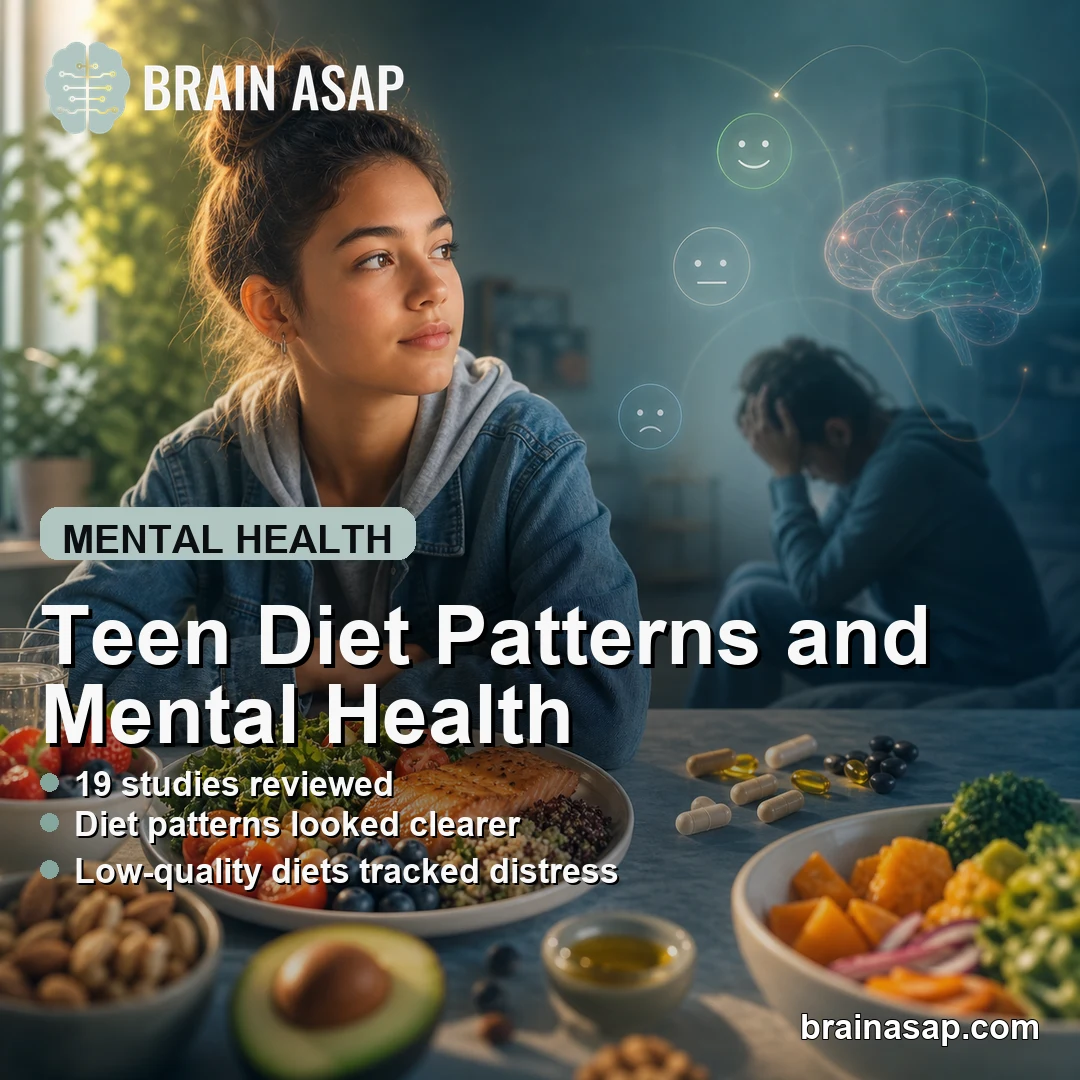
TL;DR: A 2025 study in Nutrients found that a systematic review of adolescent diet and mental health found the clearest readout for whole dietary patterns, while single nutrients and supplement-style interventions looked less consistent. Key Findings 19 studie…
Read article ↗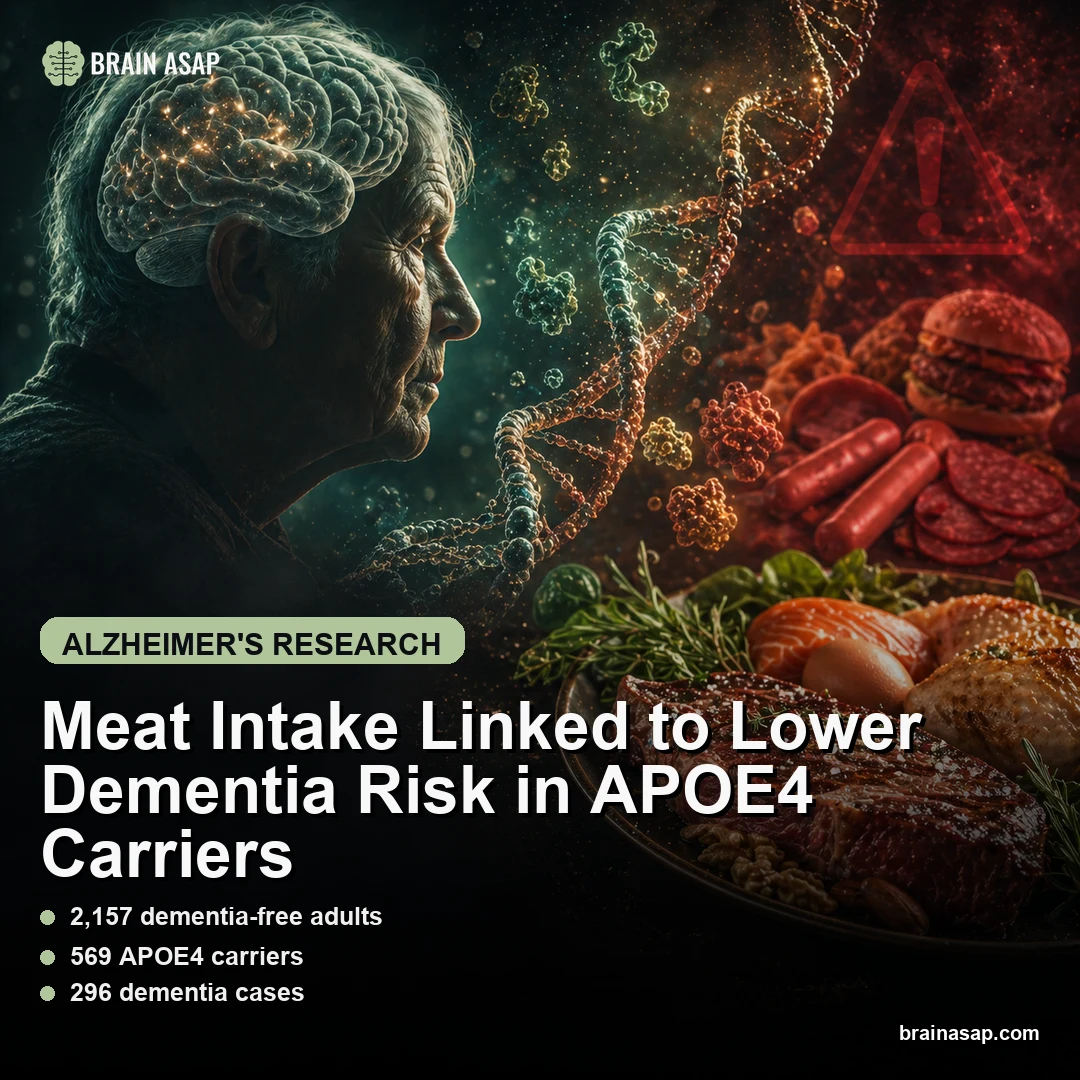
Meat Intake Linked to Lower Dementia Risk in APOE4 Carriers TL;DR: In APOE4 carriers, higher total meat intake tracked with lower observed dementia risk over 15 years, while a higher processed-to-total meat ratio moved in the unfavorable direction. Key Finding…
Read article ↗
Eating foods rich in certain flavonoids may help lower the risk of experiencing depressive symptoms, suggests new research based on U.S. national health data. Key facts: Higher intakes of anthocyanidins, flavanones, flavones, and isoflavones were associated wi…
Read article ↗
Food provides the building blocks for our mental and physical health. New research reveals that many common foods supply key neurotransmitters that regulate brain and nervous system function. Understanding how our diet provides these crucial molecules opens up…
Read article ↗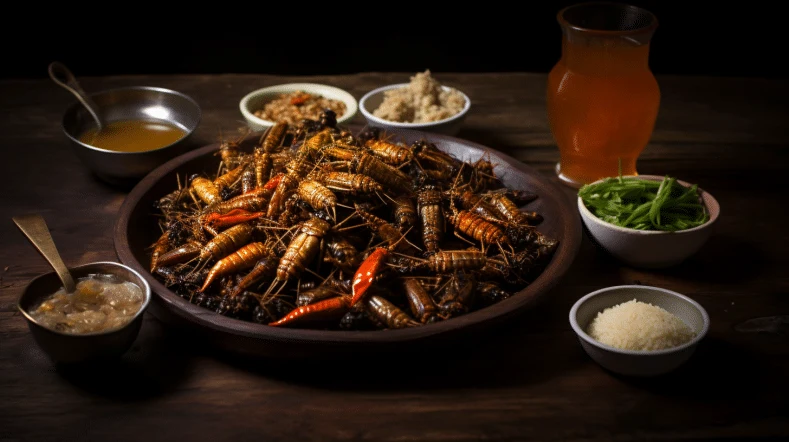
Insects are increasingly being recognized as a nutritious and eco-friendly alternative protein source that could help feed the world’s growing population. Recent research highlights the nutritional benefits of insects, their potential use as food ingredients,…
Read article ↗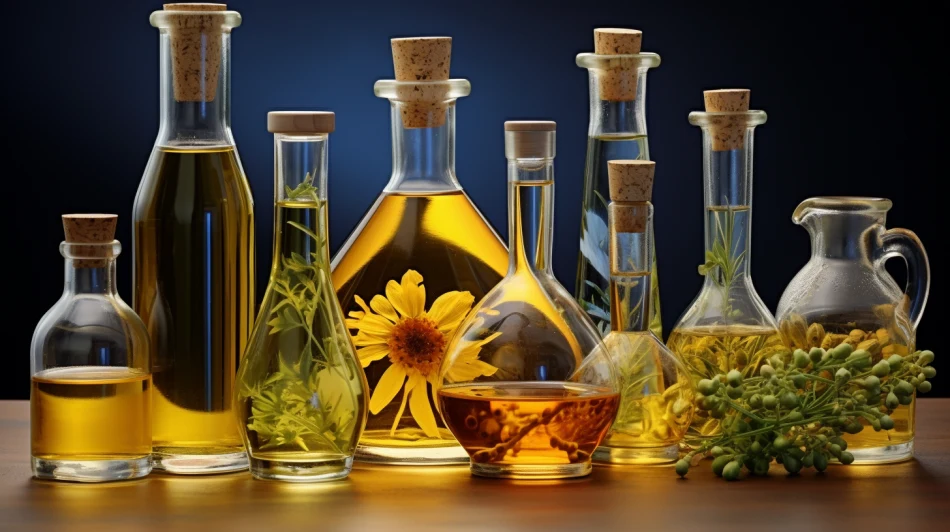
Vegetable oils are an essential part of a healthy diet, providing essential fatty acids and other beneficial nutrients. A new comprehensive review analyzes the chemical composition and health benefits of 39 different vegetable oils. Key Facts: Vegetable oils c…
Read article ↗
Eating large amounts of ultra-processed foods may increase the risk of obesity, heart disease, stroke, depression, and early death, according to a new systematic review and meta-analysis. Key Facts: Ultra-processed foods are industrial formulations made with i…
Read article ↗
Recent research suggests that adjusting overall diet, rather than taking supplements, may help improve symptoms of depression. Whole food and whole diet interventions show promise as adjunctive treatments for depression, though more research is still needed. K…
Read article ↗
Depression is a major global health issue, but diet may be an effective yet overlooked treatment approach. New research identifies the top food sources of 12 key nutrients that help prevent and treat depression. Oysters, organ meats, leafy greens, lettuces, pe…
Read article ↗
Eating well may help prevent and treat depression, according to growing evidence from studies on diet and mental health. Key facts: Following an overall healthy diet high in fruits, vegetables, whole grains, fish, and olive oil is associated with a lower risk…
Read article ↗