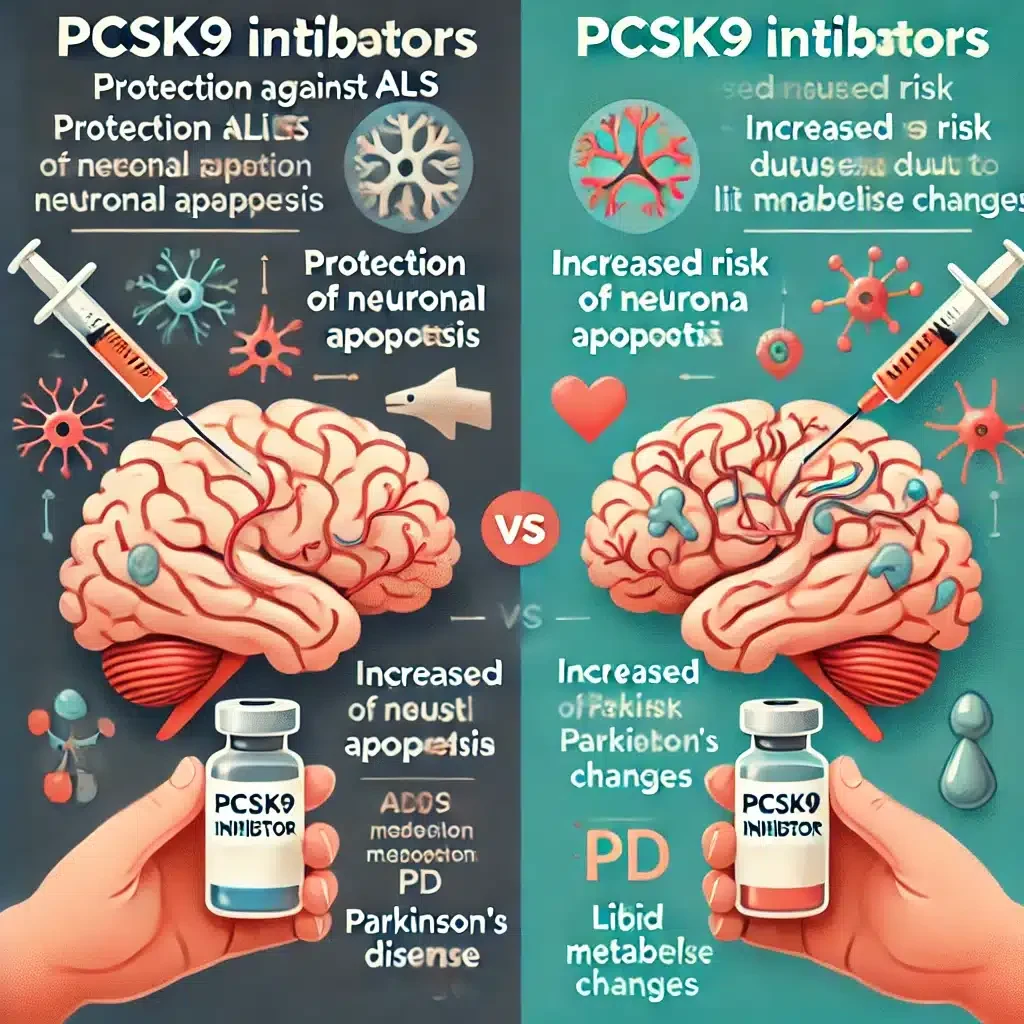
PCSK9 inhibitors significantly reduce the risk of amyotrophic lateral sclerosis (ALS) but increase the risk of Parkinson’s disease (PD). Highlights: ALS Risk Reduction: PCSK9 inhibitors marginally reduced the risk of ALS with an odds ratio of 0.89 (p = 0.048).…
Read article ↗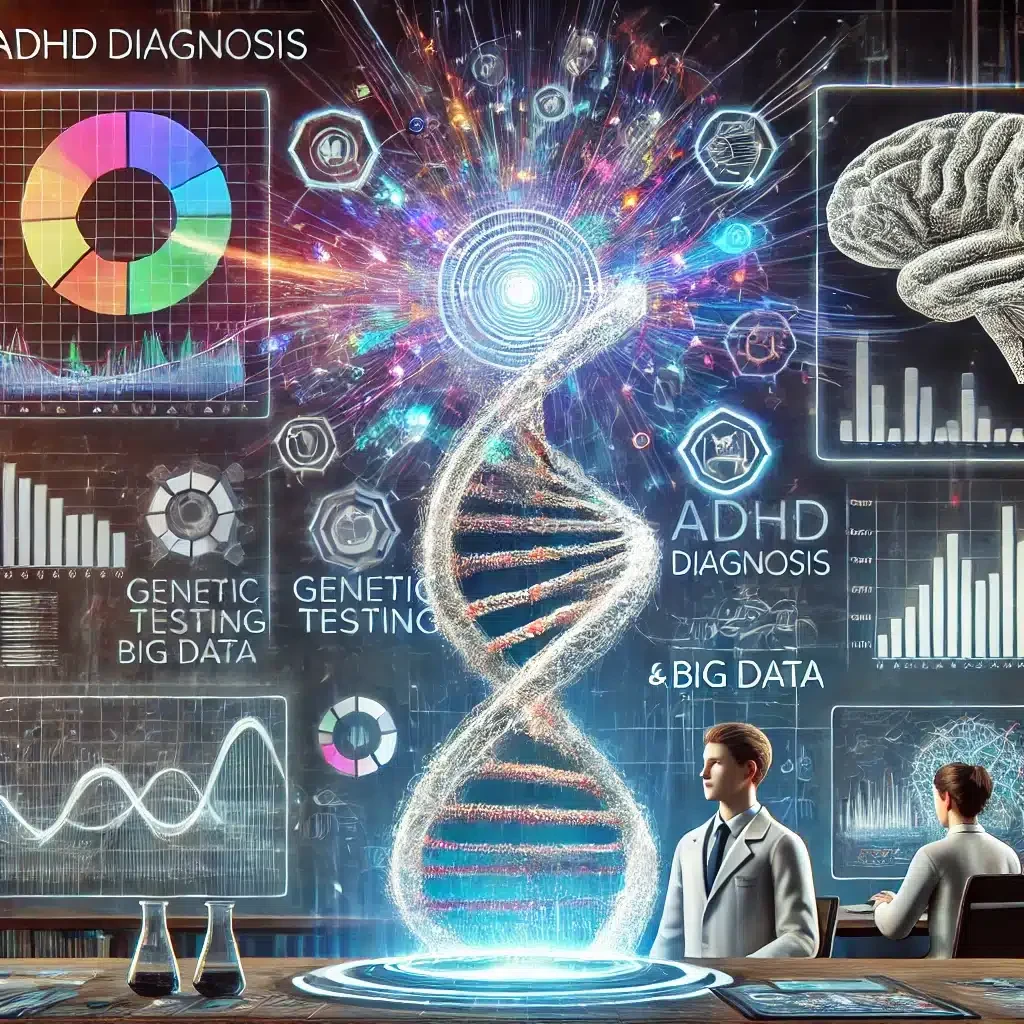
The ADHD polygenic score (PGS) adds slight yet statistically significant value to existing ADHD diagnostic tools, though it currently lacks clinical utility. Highlights: Study Overview: Researchers tested if adding a genetic score (ADHD PGS) to traditional dia…
Read article ↗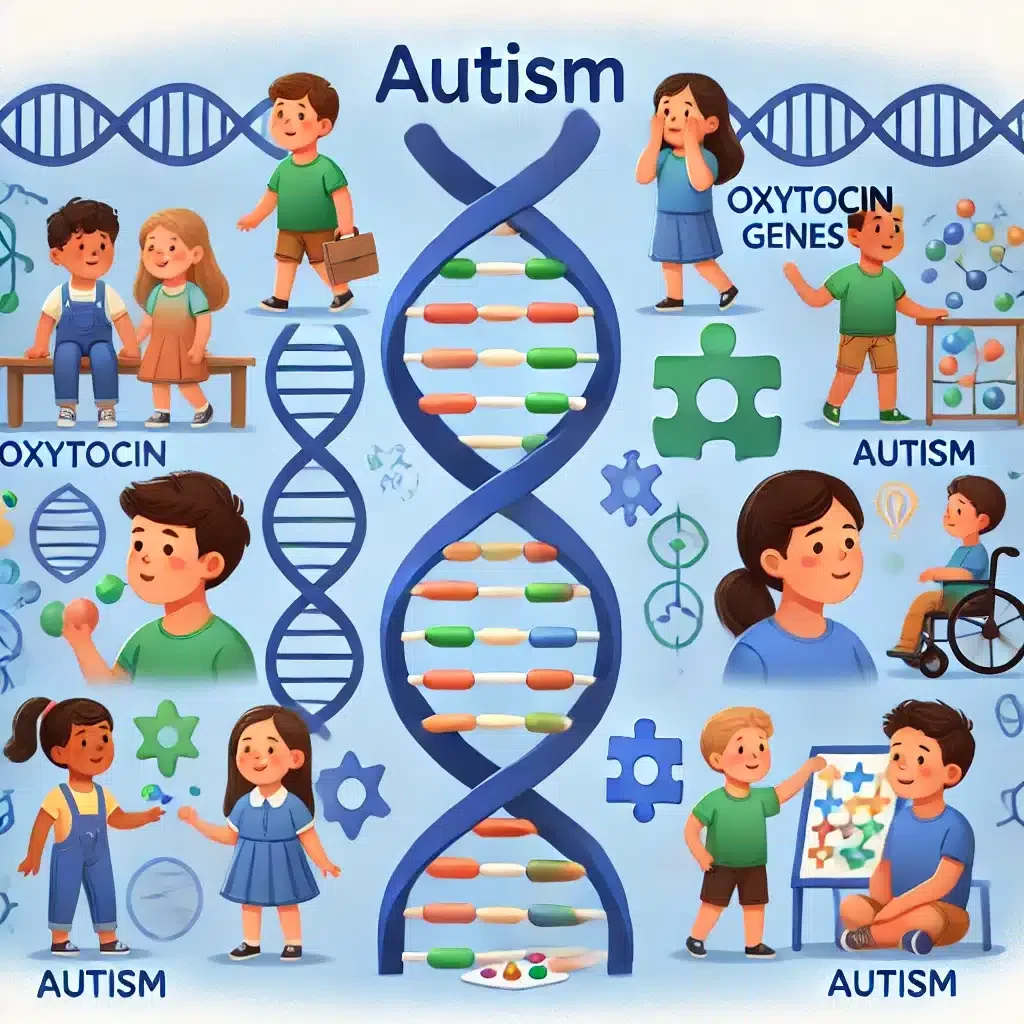
A study found that certain genetic variations in the oxytocin receptor gene (OXTR) were associated with different aspects of social understanding abilities in children with and without autism. Highlights: In typically developing children, one genetic variation…
Read article ↗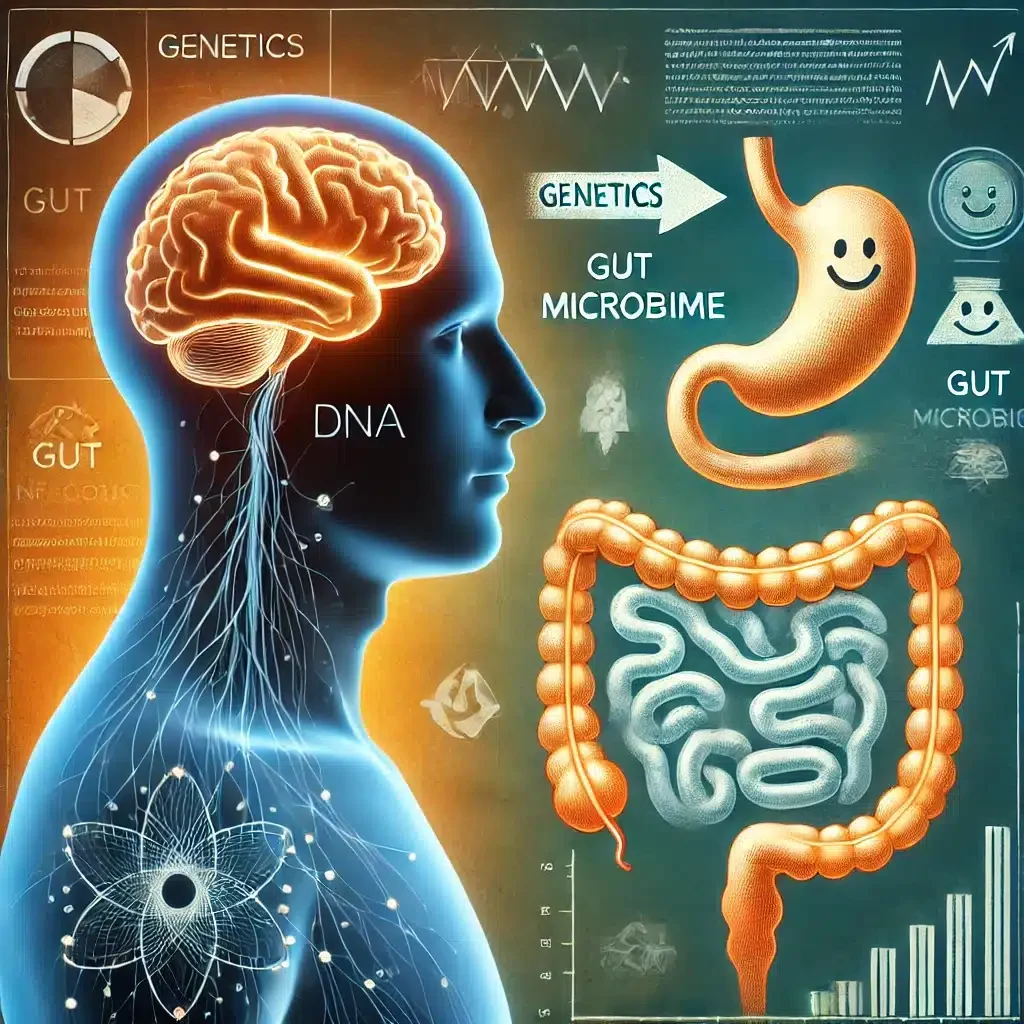
Alterations in the gut microbiome are causally linked to major depressive disorder (MDD), with certain gut bacteria either increasing or decreasing the risk of developing MDD. Highlights: Protective Bacteria: Ten gut bacterial taxa, including phylum Actinobact…
Read article ↗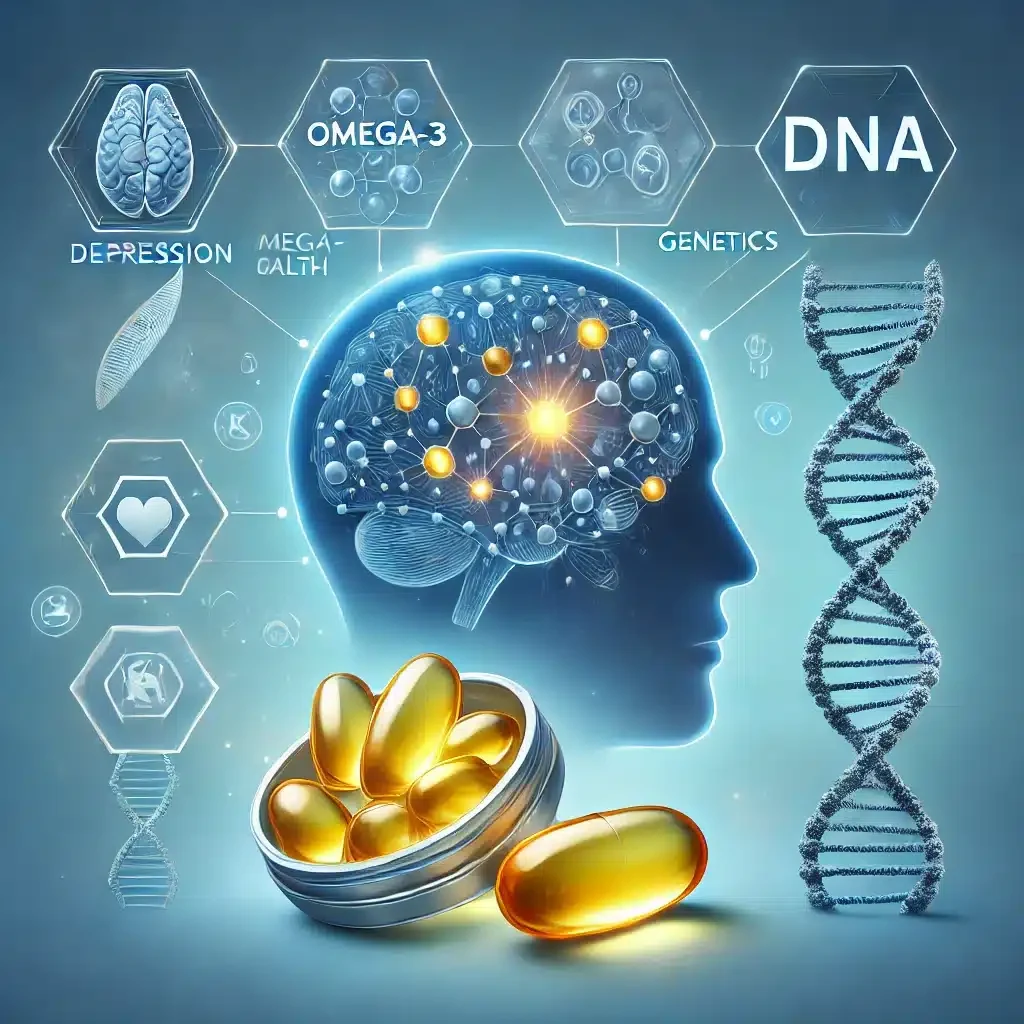
Omega-3 fatty acids, particularly eicosapentaenoic acid (EPA), may reduce the risk of major depressive disorder (MDD), but causality remains uncertain due to potential pleiotropic mechanisms. Highlights: Genetic Evidence for Omega-3 & Depression: The study use…
Read article ↗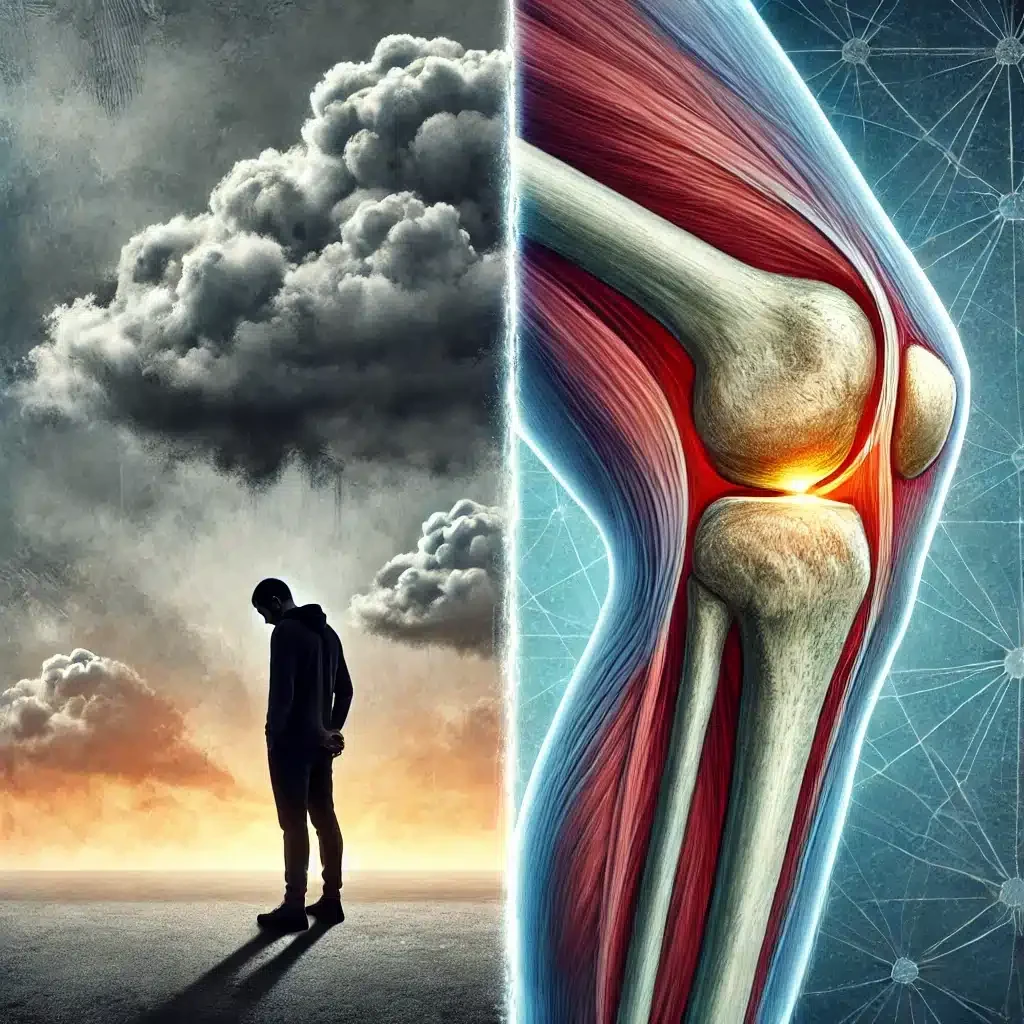
TLDR: A study found a bidirectional causal relationship between depression and osteoarthritis (OA) but only a one-way relationship where depression increases the risk of knee osteoarthritis (KOA). Highlights: Bidirectional Causality: There is a bidirectional c…
Read article ↗
Researchers have made strides towards enabling personalized dosing for the commonly prescribed antidepressant escitalopram. Using robust clinical trial data, they developed an innovative population pharmacokinetics model that elucidates the impact of patient g…
Read article ↗
A new study conducted in rural South India has found that people whose parents are blood relatives (consanguineous marriage) have an increased risk of developing schizophrenia compared to the general population. Key Facts: Researchers recruited 120 patients wi…
Read article ↗
Our genes influence more than just our raw intelligence and problem-solving abilities. The latest discoveries in the genetics of intelligence are showing how our DNA shapes how we learn, our educational attainment, occupational success, and even our health out…
Read article ↗
Criminal behavior has complex origins. While social and psychological factors play a clear role, a growing body of research suggests biological factors also influence criminality. Here’s what the science says so far about the biology underlying criminal behavi…
Read article ↗