
Insomnia and daytime napping are causally associated with an increased risk of major depressive disorder (MDD), while sleep duration influences the risk of schizophrenia and attention-deficit/hyperactivity disorder (ADHD). Highlights: Major Depressive Disorder…
Read article ↗
A study found shared brain-specific mechanisms between Alzheimer’s disease (AD) and depression, particularly involving synaptic signaling and immune system pathways in the hippocampus, but no direct genetic overlap. Highlights: Six brain-specific eQTL genes (S…
Read article ↗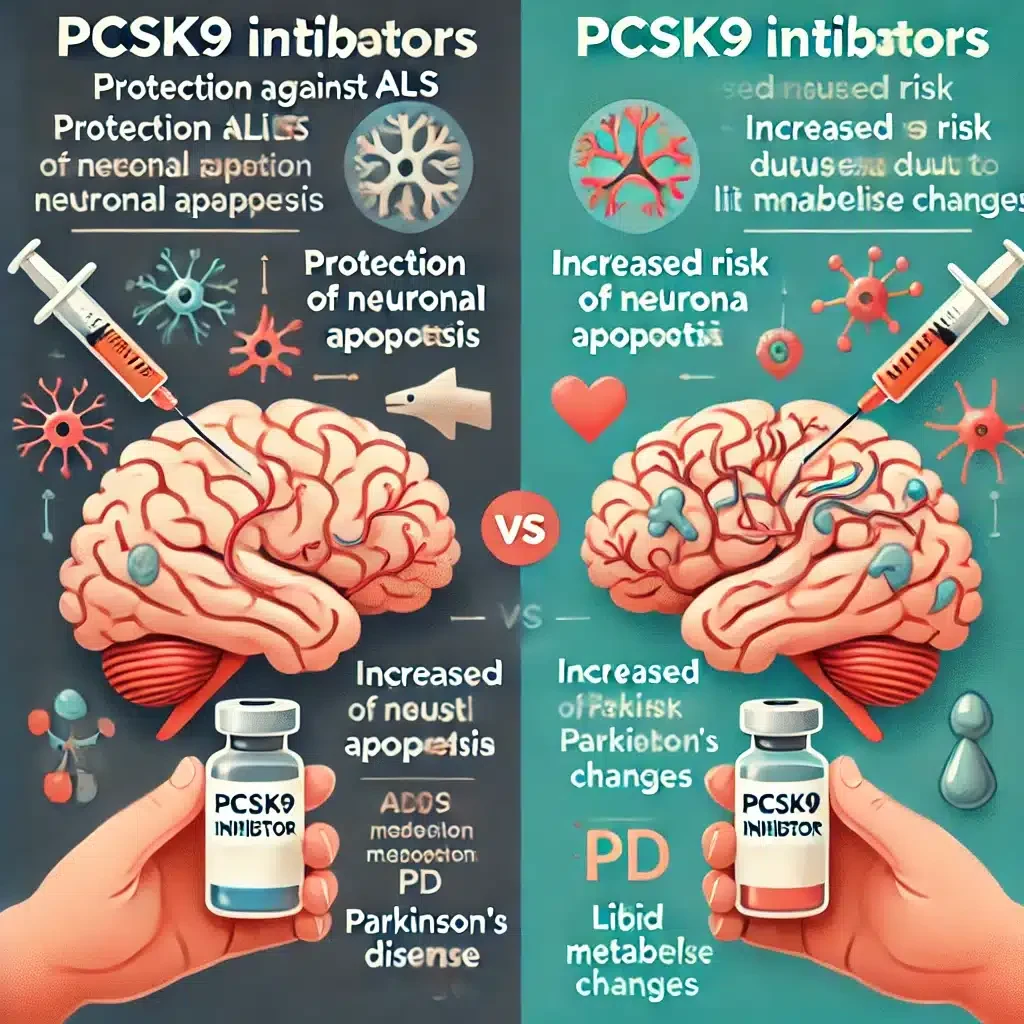
PCSK9 inhibitors significantly reduce the risk of amyotrophic lateral sclerosis (ALS) but increase the risk of Parkinson’s disease (PD). Highlights: ALS Risk Reduction: PCSK9 inhibitors marginally reduced the risk of ALS with an odds ratio of 0.89 (p = 0.048).…
Read article ↗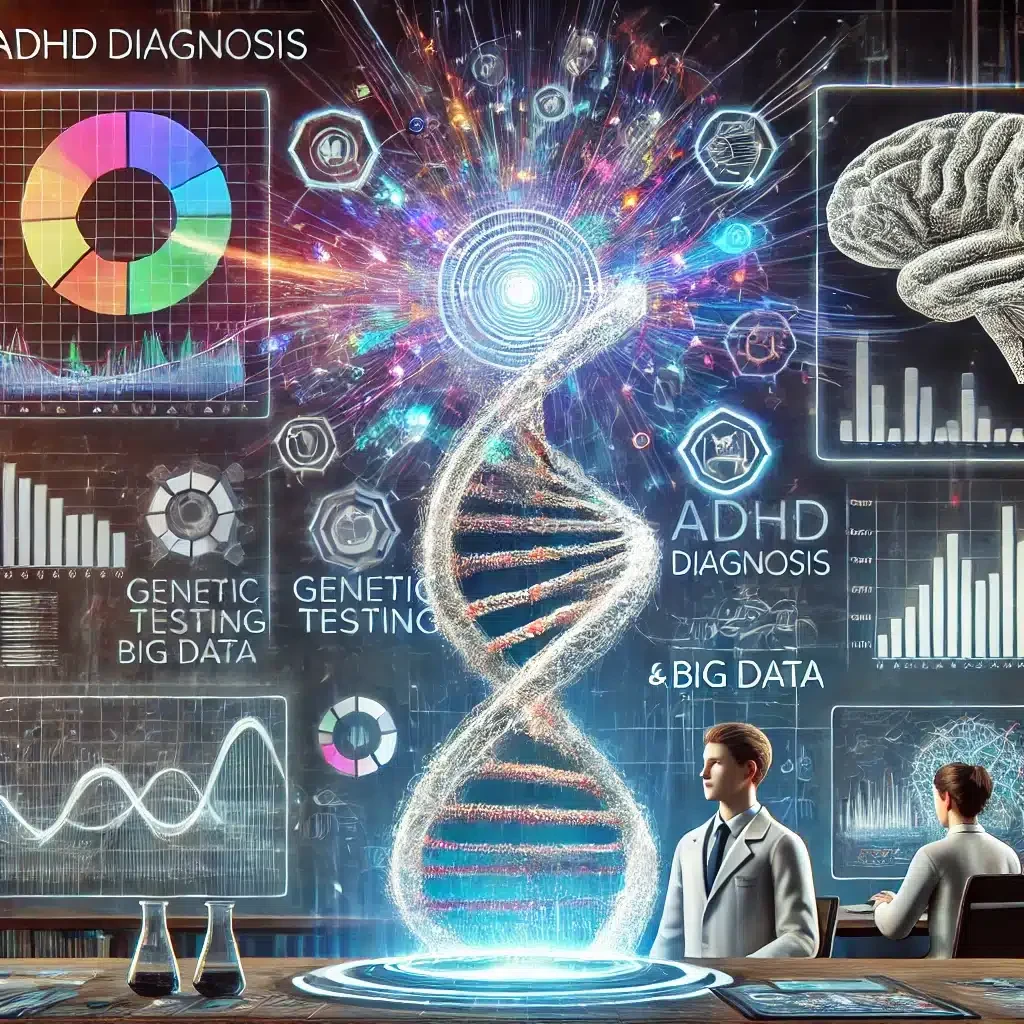
The ADHD polygenic score (PGS) adds slight yet statistically significant value to existing ADHD diagnostic tools, though it currently lacks clinical utility. Highlights: Study Overview: Researchers tested if adding a genetic score (ADHD PGS) to traditional dia…
Read article ↗
TLDR: A study found a bidirectional causal relationship between depression and osteoarthritis (OA) but only a one-way relationship where depression increases the risk of knee osteoarthritis (KOA). Highlights: Bidirectional Causality: There is a bidirectional c…
Read article ↗
Our genes influence more than just our raw intelligence and problem-solving abilities. The latest discoveries in the genetics of intelligence are showing how our DNA shapes how we learn, our educational attainment, occupational success, and even our health out…
Read article ↗
Human intelligence is a complex cognitive trait that has fascinated scientists and philosophers for centuries. New research is shedding light on the neurobiological underpinnings of intelligence, from genes to cells to brain networks. Key Facts: Intelligence i…
Read article ↗
Intelligence predicts health and mortality – but why? New research reveals some genes are implicated in both. Key facts: Intelligence test scores predict mortality, illnesses, and health behaviors. Higher scores indicate lower risk. Both intelligence and healt…
Read article ↗
General intelligence, known as g or IQ, has long been the focus of cognitive genetics research. But what about more specific cognitive abilities, the building blocks that make up IQ? A sweeping new meta-analysis of over 740,000 twins surprisingly suggests: Spe…
Read article ↗
Bipolar disorder, formerly known as manic depression, is a chronic mental illness characterized by dramatic shifts in mood and energy levels. It affects about 2-4% of the population worldwide. While we still don’t fully understand what causes bipolar disorder,…
Read article ↗