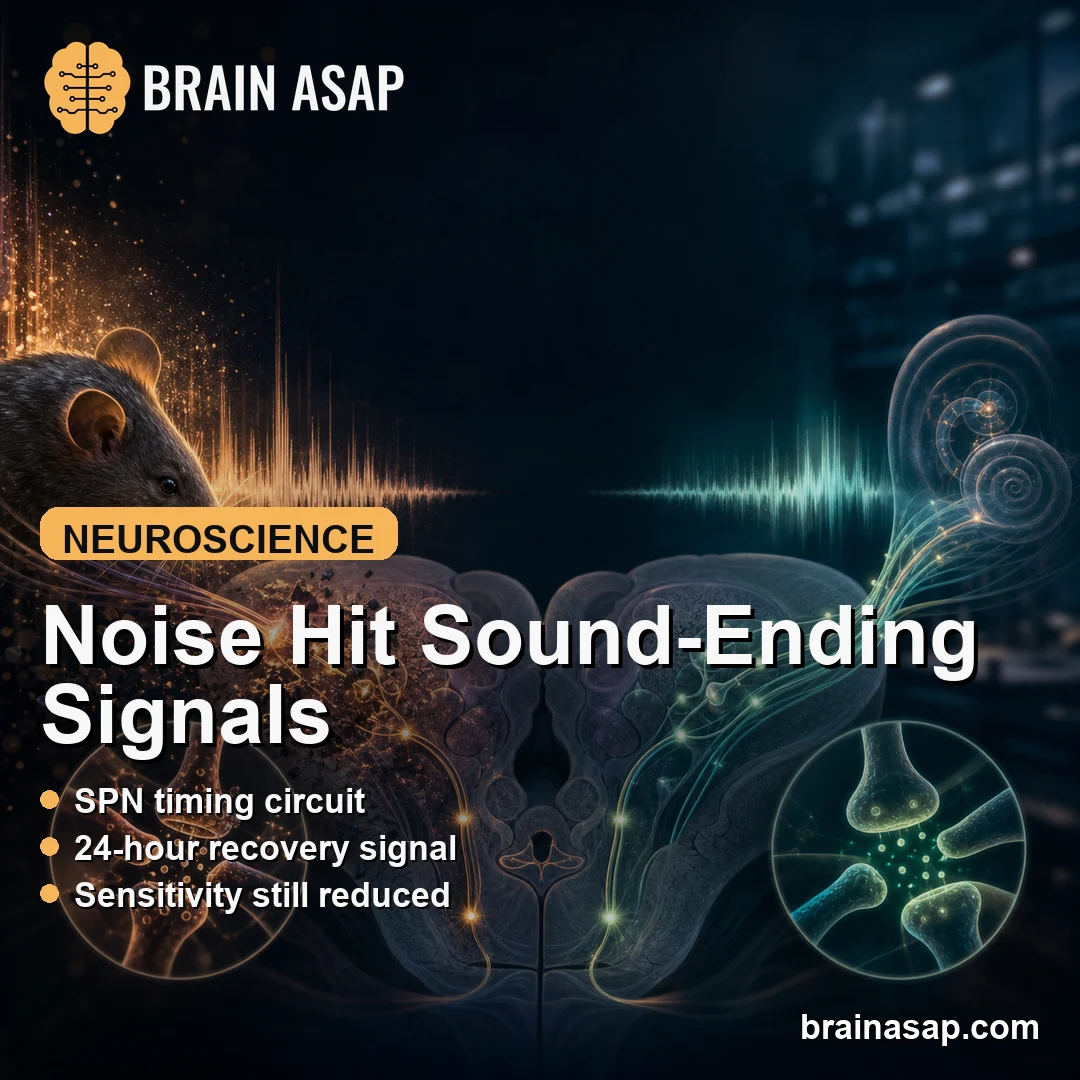
TL;DR: A 2026 mouse study in The Journal of Physiology found that damaging noise temporarily disrupted sound-offset responses in a brainstem hearing circuit, but those timing responses partly recovered within 24 hours through rapid circuit adaptation. Key Find…
Read article ↗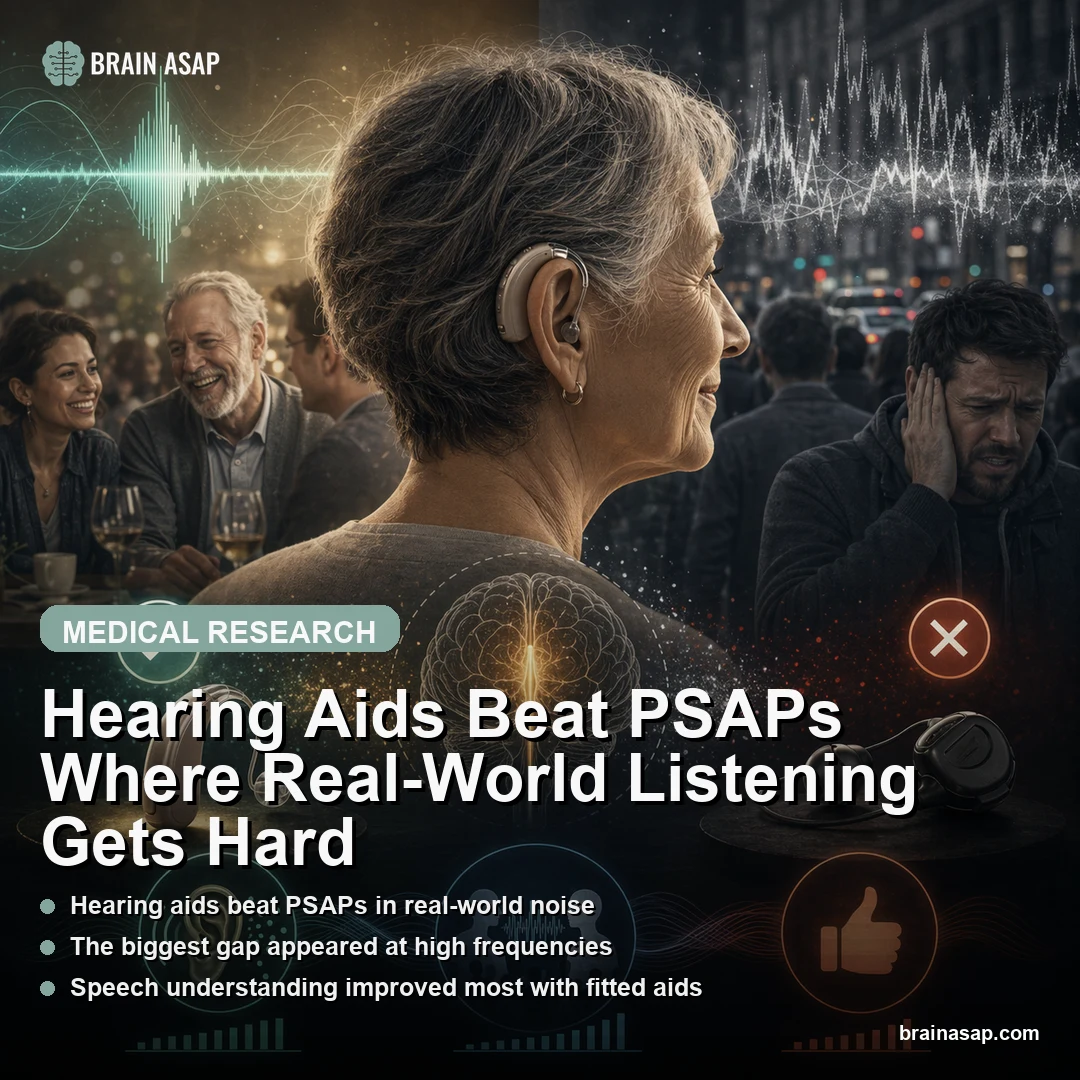
Hearing Aids Beat PSAPs Where Real-World Listening Gets Hard TL;DR: Hearing aids beat personal sound amplifiers where listening gets hardest: high-frequency sound, speech in noise, and daily user satisfaction. Key Findings Hearing aids won the crossover test:…
Read article ↗
Drug-induced musical hallucinations occur across various medical conditions, with antidepressants, opioids, and other medications as common triggers, potentially arising from neurotransmitter imbalances; treatment often involves modifying or discontinuing the…
Read article ↗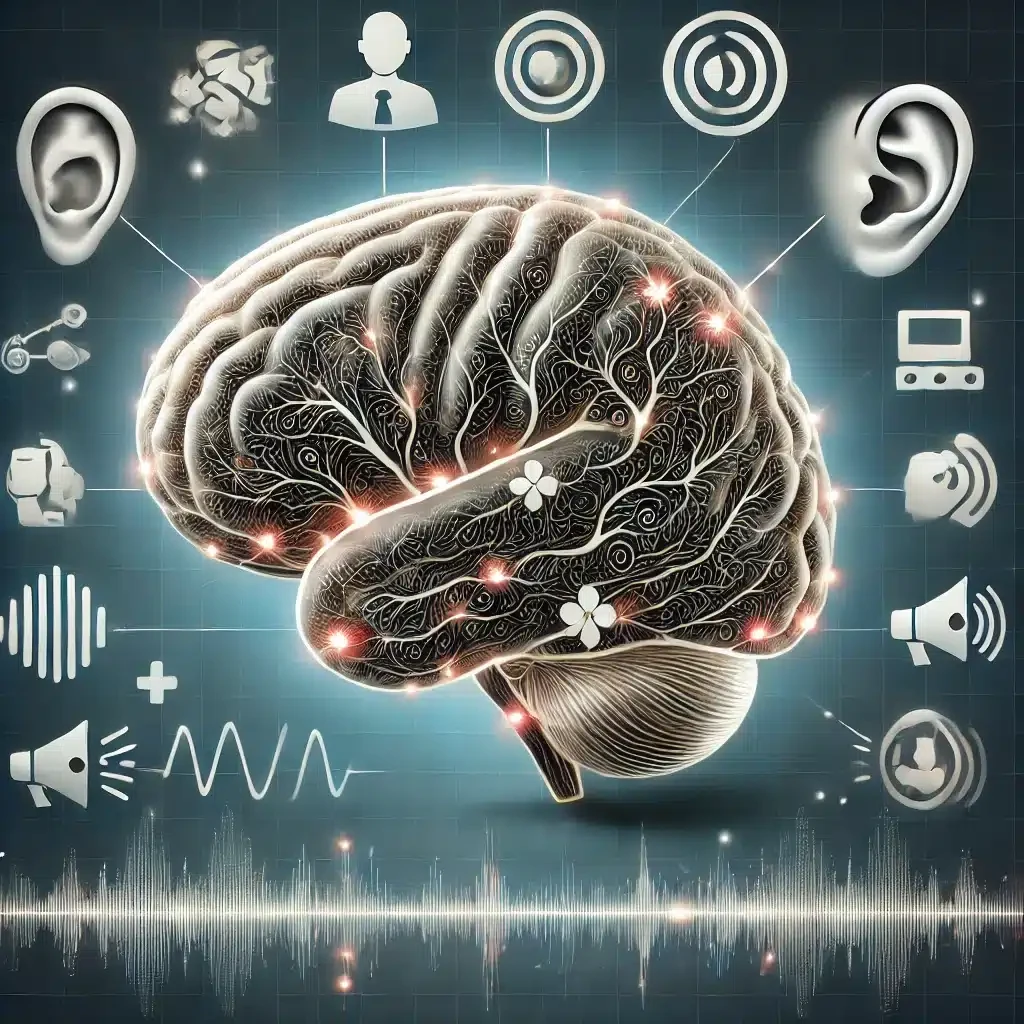
TLDR: Patients with noise-induced hearing loss (NIHL) exhibit significant changes in the white matter (WM) microstructure of their brains, particularly affecting the auditory and language pathways. Highlights: A study compared 122 patients with varying degrees…
Read article ↗
Ménière’s disease, a debilitating inner ear disorder, has long puzzled scientists and patients alike with its unpredictable episodes of vertigo, hearing loss, and tinnitus. Recent studies have explored the potential benefits of lifestyle and dietary changes in…
Read article ↗
Hearing loss affects over 5% of the global population, reducing people’s ability to interpret sounds and communicate effectively. While hearing aids and cochlear implants can assist with certain types of hearing loss, they have limitations. Exciting research i…
Read article ↗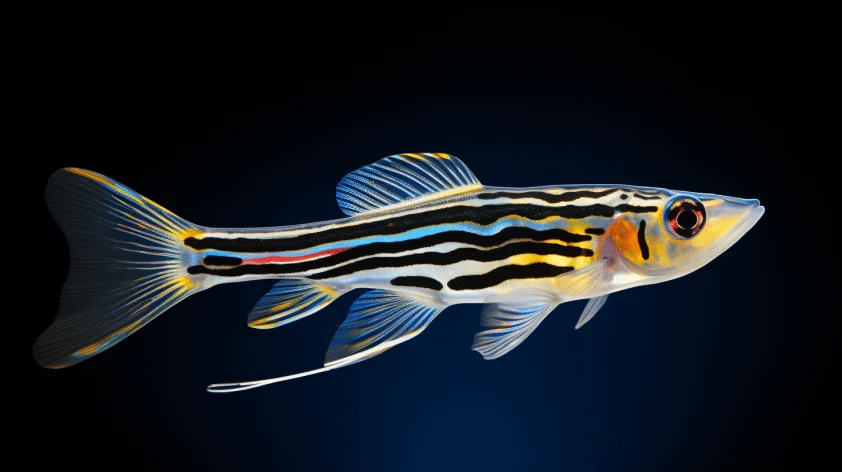
Hearing loss is a major health issue that affects people of all ages. It can be caused by loud noise, aging, disease, or certain medications and often cannot be reversed. Unlike humans, some animals like birds, fish, and frogs are able to regenerate the sensor…
Read article ↗