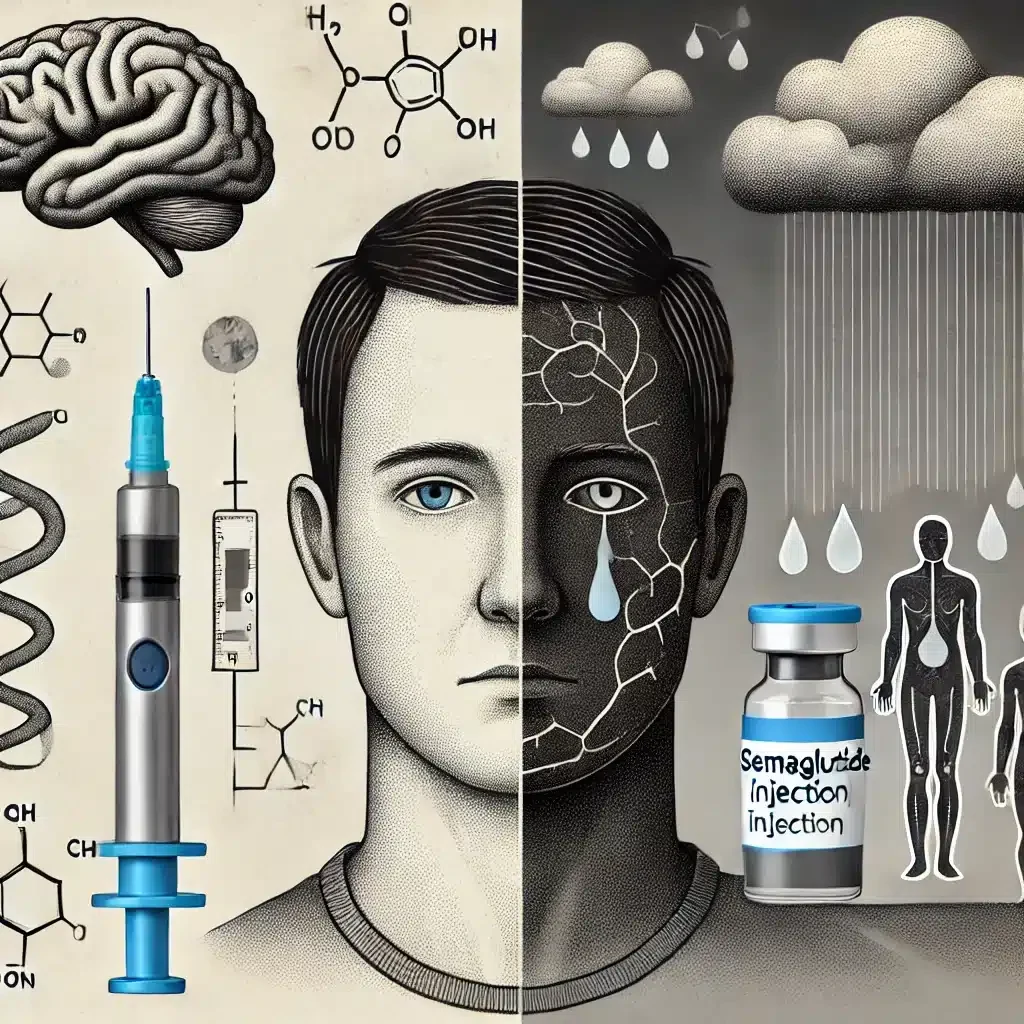
GLP-1 receptor agonists like semaglutide, used for managing Type 2 diabetes, may be linked to adverse mood changes, necessitating further investigation into their psychiatric effects. Highlights: GLP-1 Receptor Agonists: These medications mimic GLP-1 hormone e…
Read article ↗
Recent research suggests that adjusting overall diet, rather than taking supplements, may help improve symptoms of depression. Whole food and whole diet interventions show promise as adjunctive treatments for depression, though more research is still needed. K…
Read article ↗
Eating well may help prevent and treat depression, according to growing evidence from studies on diet and mental health. Key facts: Following an overall healthy diet high in fruits, vegetables, whole grains, fish, and olive oil is associated with a lower risk…
Read article ↗
Nutrition plays a major role in mental health, with diet quality closely linked to risk of common mental disorders like depression. This review comprehensively analyzes recent research on the impacts of nutrition on mental health and the use of nutritional int…
Read article ↗
Aspartame is an artificial sweetener found in over 6,000 food products. While it provides a sweet taste without calories, emerging research suggests aspartame may negatively impact brain health and function. Key Facts: Aspartame is made up of phenylalanine, as…
Read article ↗
A new study provides evidence that the psychedelic compound psilocybin has both immediate and lasting anti-inflammatory effects in healthy volunteers. The findings shed light on how psilocybin may improve mood, social behavior, and potentially treat depression…
Read article ↗
Finasteride is a common medication used to treat hair loss and enlargement of the prostate gland. However, new research shows this drug may also increase the risk of depression and suicidal thoughts. Key Facts: Finasteride works by reducing levels of a hormone…
Read article ↗
Theobromine, an ingredient found in chocolate, may impact mood and depression risk. But the details are complicated. Here’s what the science says so far. Key Facts: A recent study found higher theobromine intake was associated with increased depression risk. H…
Read article ↗
Researchers have found that living according to your values can improve your well-being. But well-being can also help you live by your values. Key Facts: Acting on personal values can boost well-being the next day. Feeling good can help people act on values th…
Read article ↗