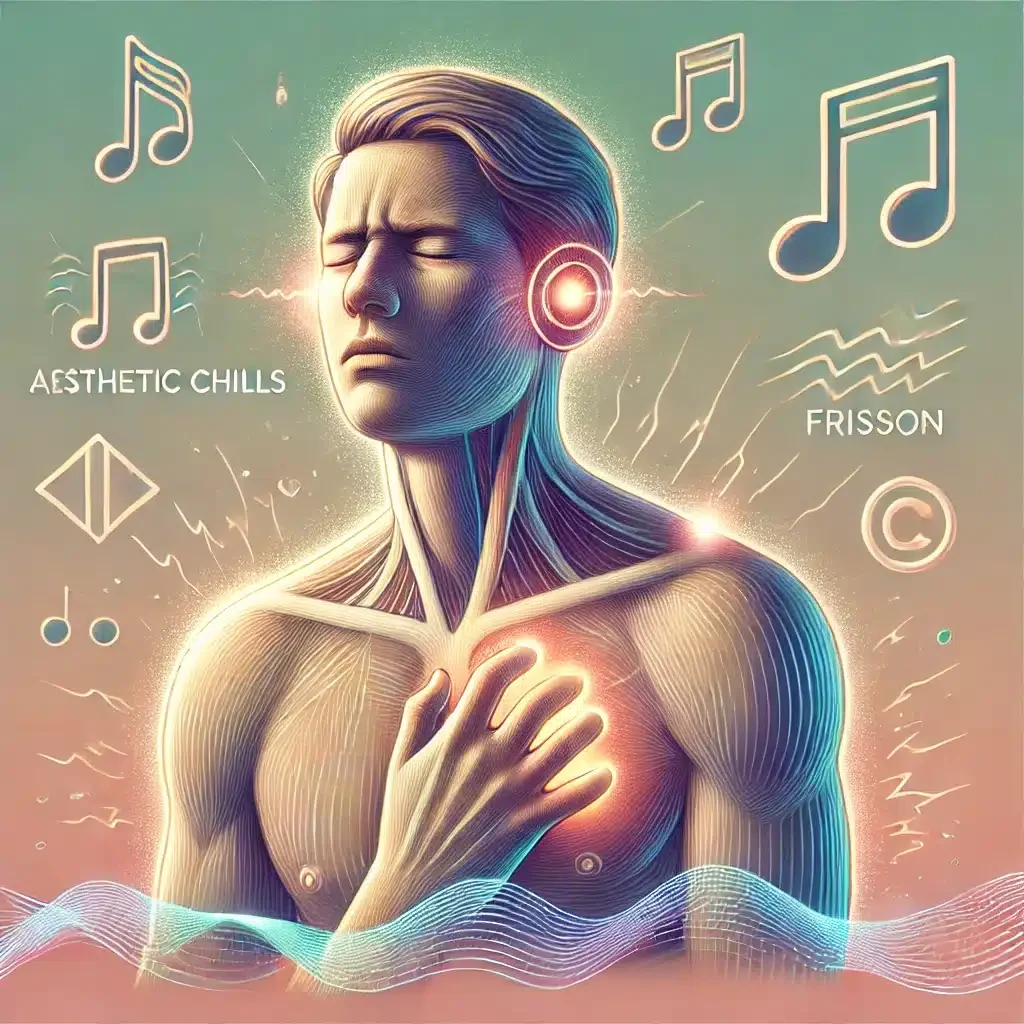
Experiencing aesthetic chills can positively influence self-related beliefs in people with depression, similar to the effects of psychedelics, suggesting potential as a non-pharmacological intervention. Highlights: Novel Approach: Aesthetic chills, characteriz…
Read article ↗
Current antidepressants can take weeks to improve symptoms of depression. New research explores reasons for this delay and provides clues to develop more rapid-acting drugs. Key Facts: Most antidepressants increase brain serotonin and norepinephrine, but their…
Read article ↗
Major depressive disorder (MDD) is a global health crisis affecting over 300 million people. While available antidepressants help some patients, treatment is far from satisfactory for many. Exciting research into rapid-acting agents like ketamine and psilocybi…
Read article ↗
Neurofeedback is a promising technique that allows people to voluntarily control their own brain activity with the goal of improving cognitive functions or relieving symptoms. Key Facts: Neurofeedback provides real-time feedback on brain activity, allowing a p…
Read article ↗
Big picture: Psychoplastogens are a groundbreaking new class of psychoactive compounds that rapidly induce structural and functional changes in the brain, allowing pathological neural circuits to be rewired for therapeutic benefit. Key facts about psychoplasto…
Read article ↗
Major depressive disorder (MDD) is one of the most prevalent mental health conditions worldwide, yet its complex neurobiological underpinnings remain poorly understood. Emerging research implicates disturbances in neuronal apoptosis and neuroplasticity in the…
Read article ↗
Working memory training has been shown to provide widespread cognitive benefits, but how exactly does it change our brains? New research reveals that a demanding “dual n-back” training program alters functional connectivity even during rest, shedding light on…
Read article ↗
Transcranial alternating current stimulation (TACS) is an emerging non-invasive brain stimulation technique that shows promise for enhancing cognition and treating psychiatric conditions like depression and schizophrenia. Recent research indicates TACS may imp…
Read article ↗
The human brain goes through major changes as we grow from babies to adults. Scientists are interested in mapping out these changes to understand when and where the brain is most flexible to new experiences during development. Knowing when the brain is most fl…
Read article ↗
Experiencing chronic stress or taking addictive drugs like cocaine can change your brain and behavior in similar ways, making you prone to anxiety or addiction. Key Facts: Chronic stress and chronic drug abuse both impair the striatum, which can make people be…
Read article ↗