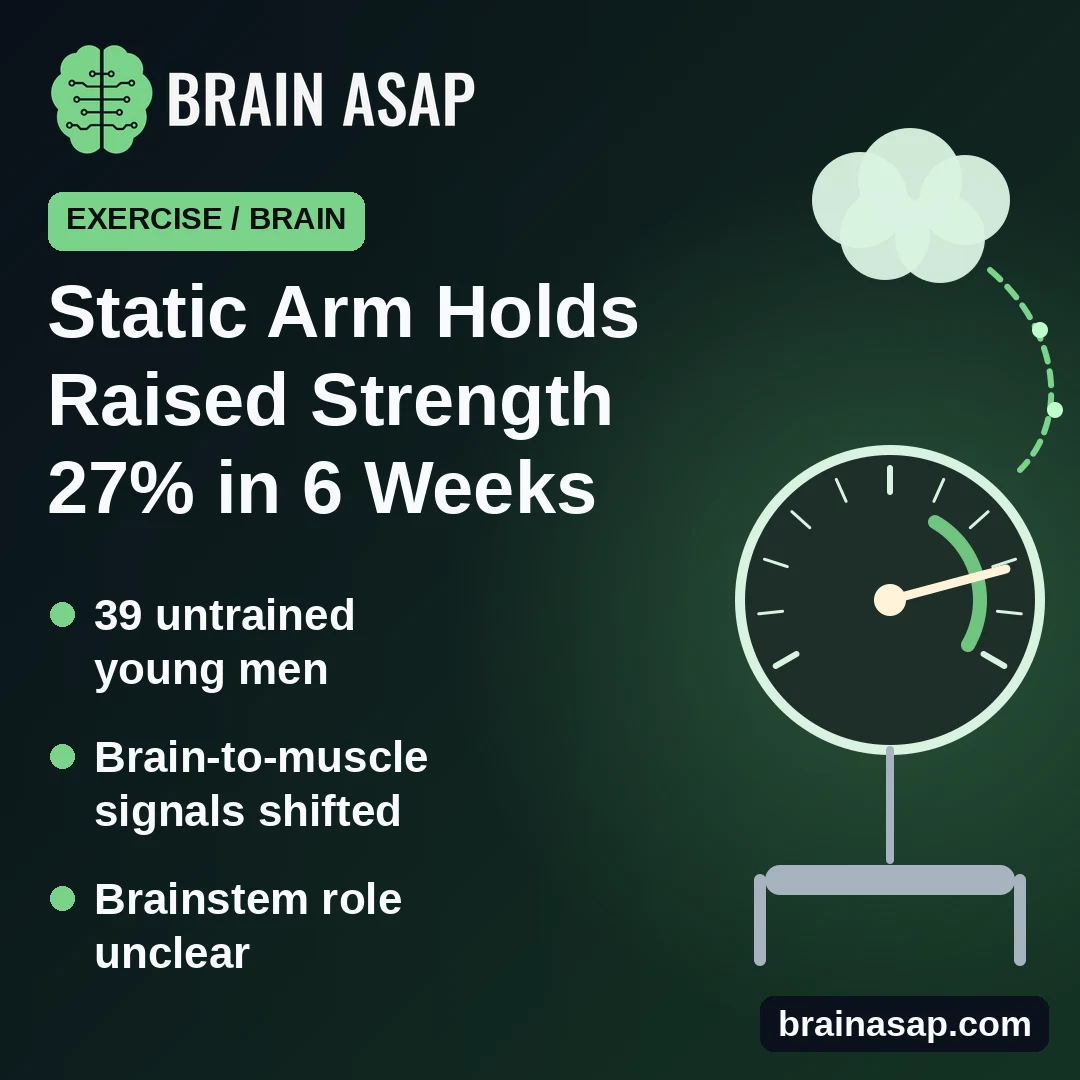
TL;DR: Six weeks of home “static hold” arm training made untrained young men about 27% stronger and increased how fast they built up force by about 60%. Brain-to-muscle signals changed too, but tests of a proposed brainstem pathway gave mixed results. Key Find…
Read article ↗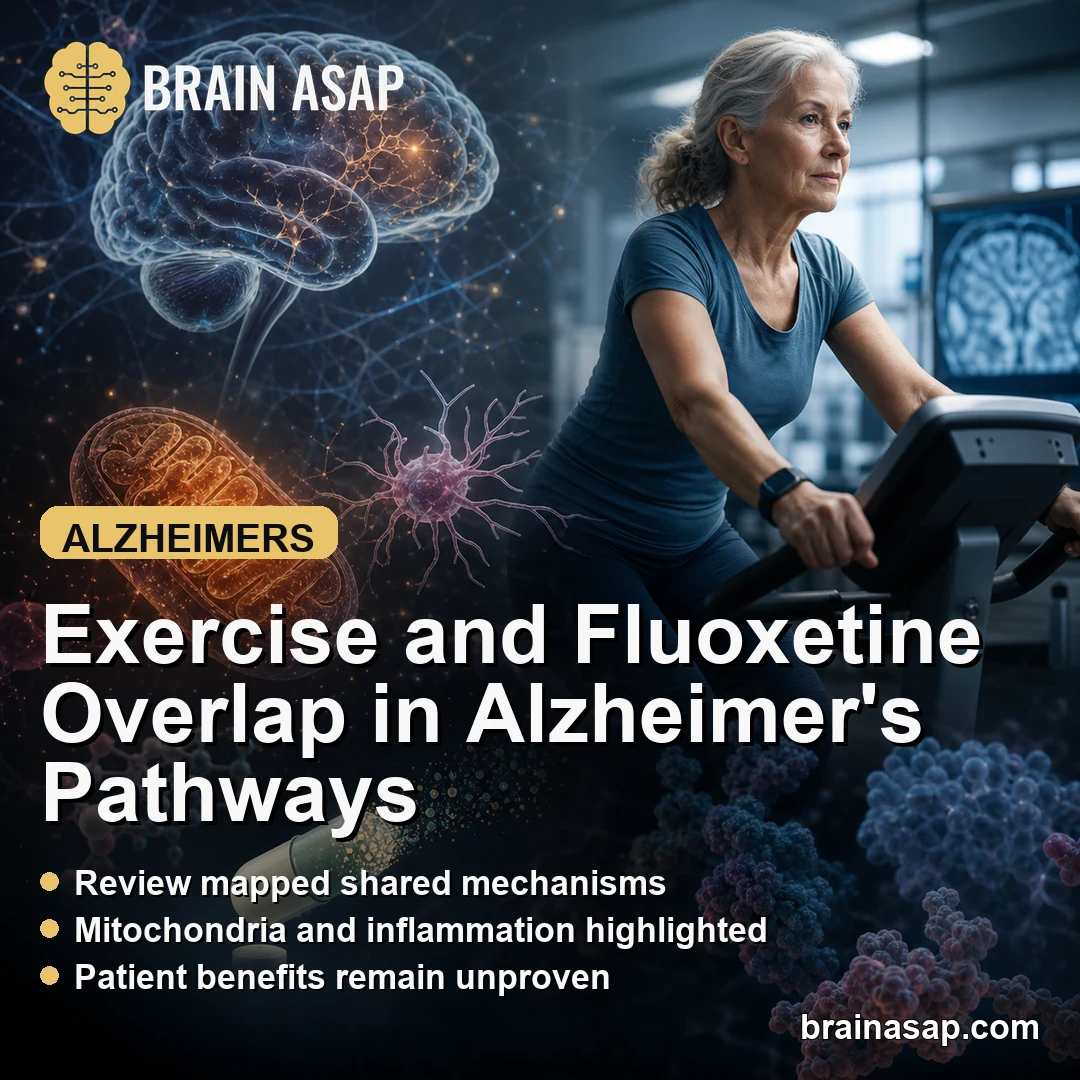
TL;DR: A 2026 review in International Journal of Molecular Medicine mapped how exercise and fluoxetine overlap in Alzheimer’s disease mechanisms such as mitochondrial quality control, oxidative stress, inflammation, and neuroplasticity, but clinical combinatio…
Read article ↗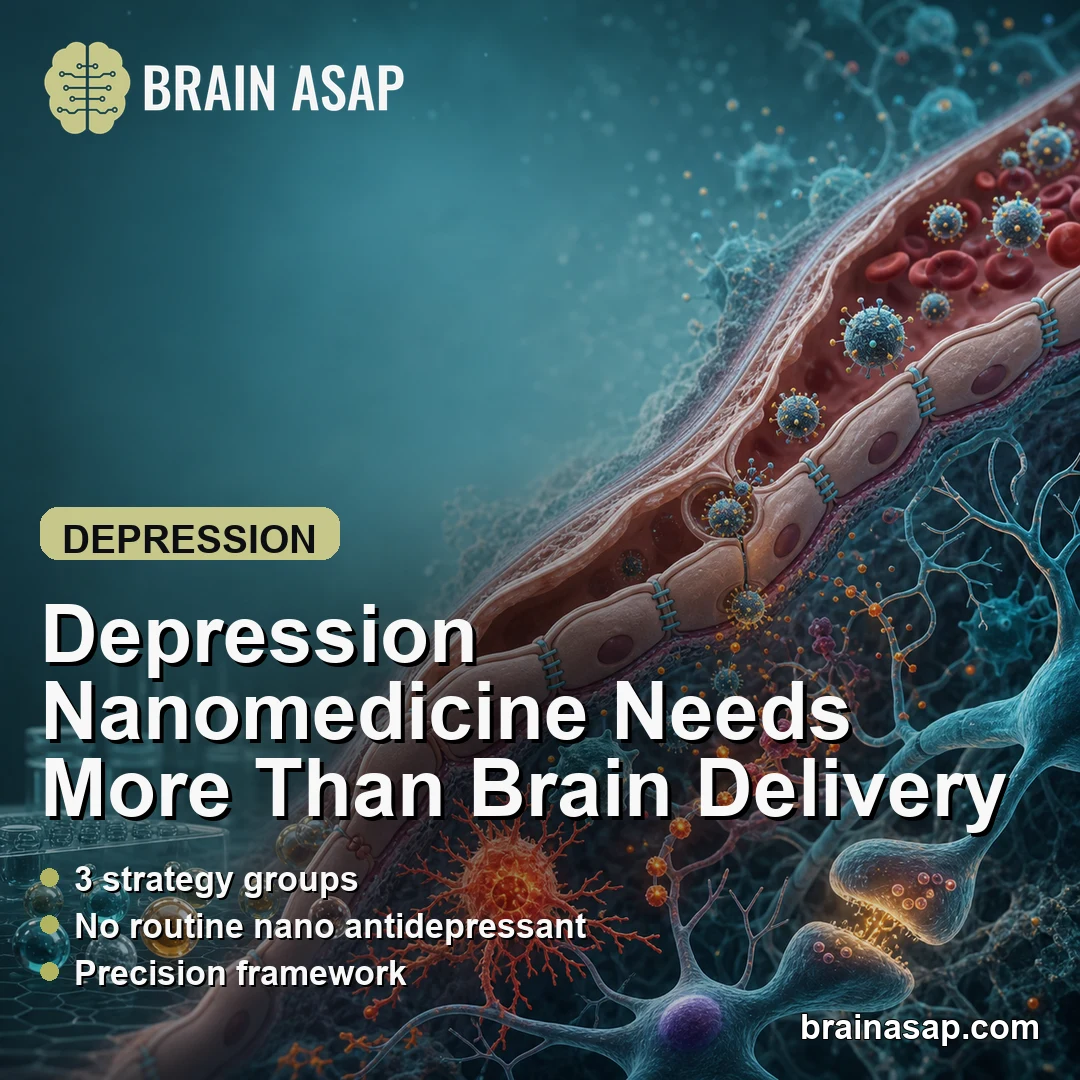
TL;DR: A 2026 review in International Journal of Nanomedicine argued that depression nanomedicine should move beyond blood-brain-barrier delivery alone and be judged by target engagement, neuroimmune-barrier-plasticity effects, safety, manufacturability, and p…
Read article ↗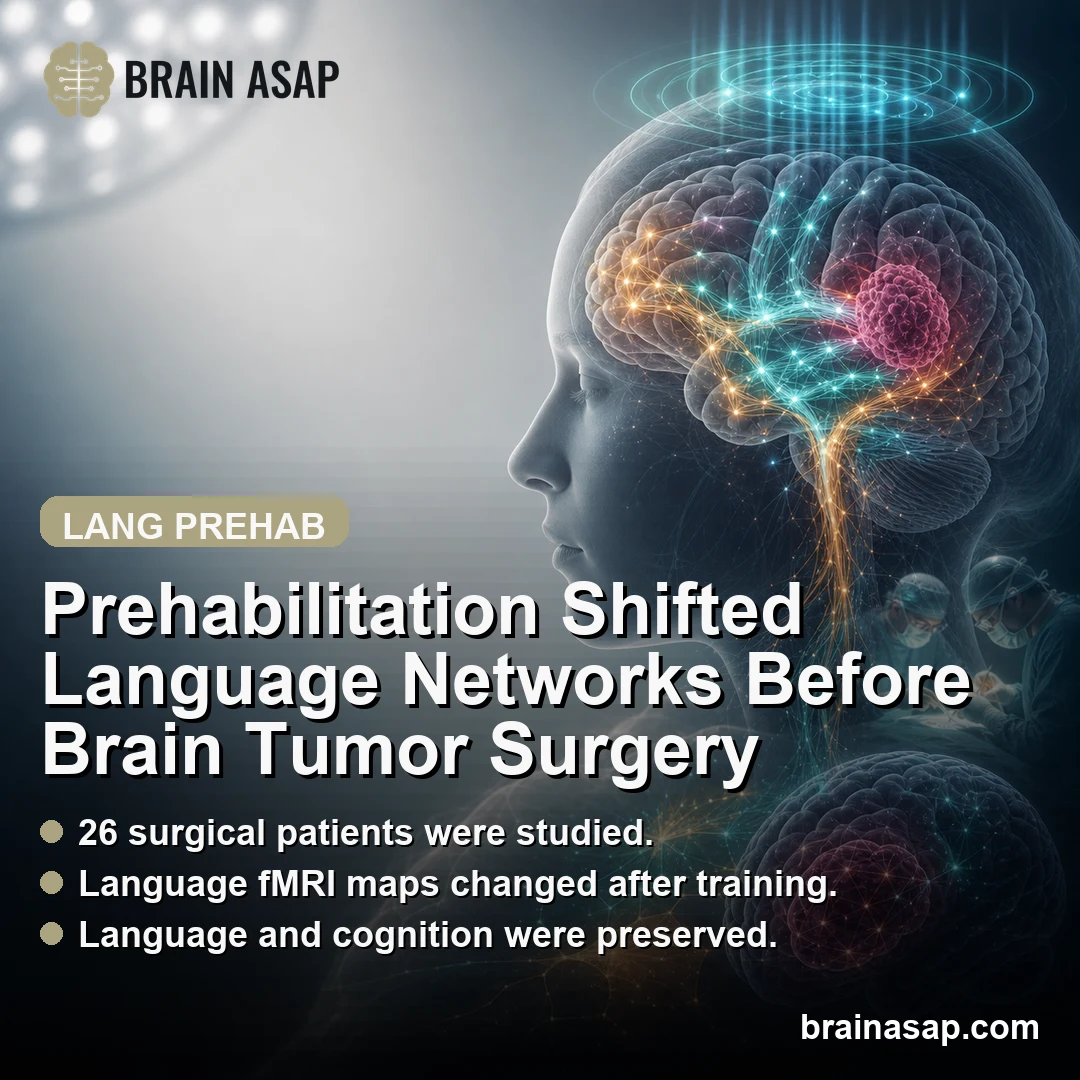
TL;DR: A 2026 preprint neurosurgery neuroplasticity study in medRxiv found that language-targeted prehabilitation selectively changed language-network topography, while language and cognitive performance were preserved after the intervention. Key Findings Stud…
Read article ↗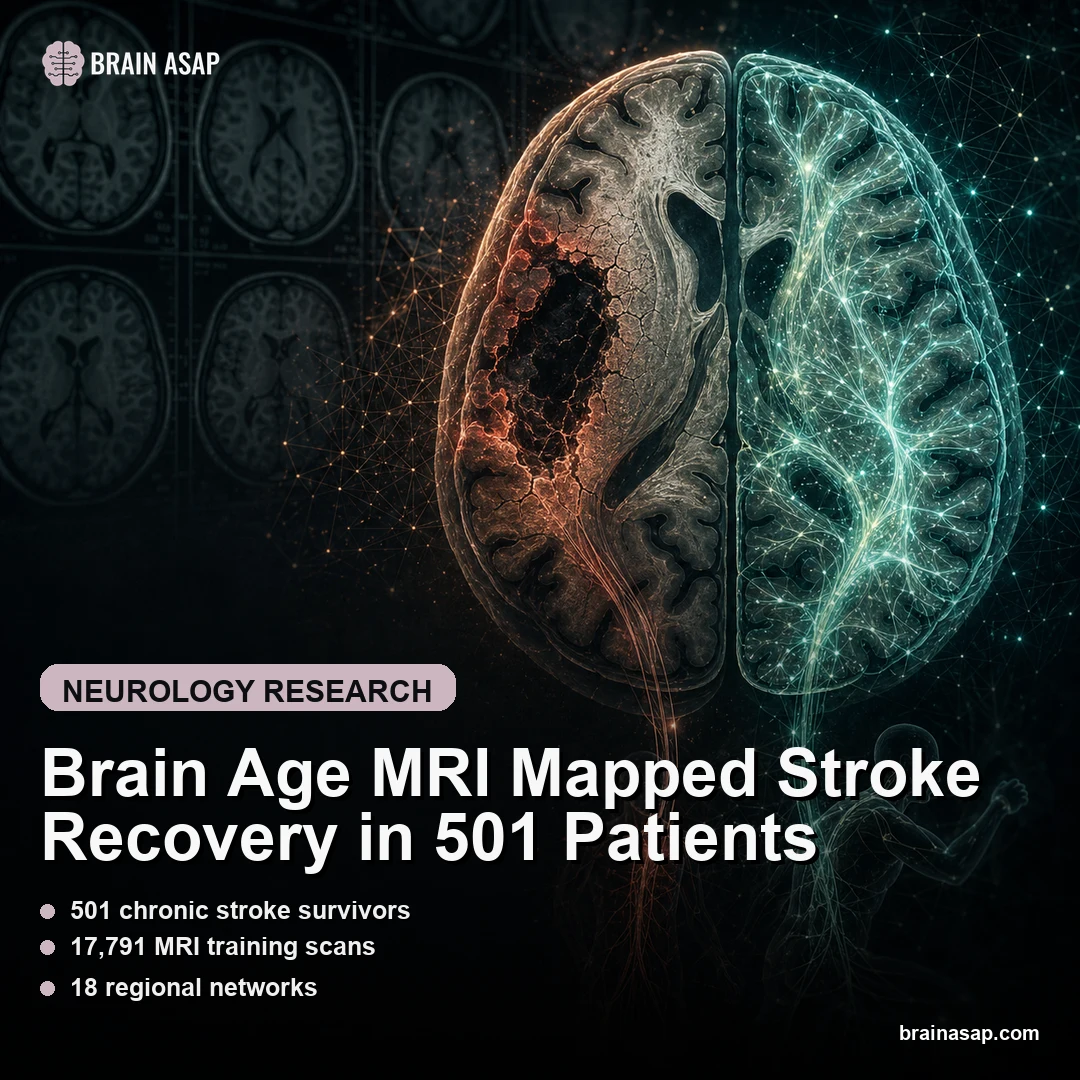
Brain Age MRI Mapped Stroke Recovery in 501 Patients TL;DR: A Lancet Digital Health ENIGMA study found that larger stroke lesions made the damaged hemisphere look biologically older, while severe motor impairment was linked to younger-appearing contralesional…
Read article ↗
Immature Neurons Linked to Alzheimer’s Resilience TL;DR: A 2026 Cell Stem Cell study used single-nucleus RNA sequencing of aged human hippocampus tissue and found rare immature neurons in healthy, Alzheimer’s, and dementia-resilient brains. The important signa…
Read article ↗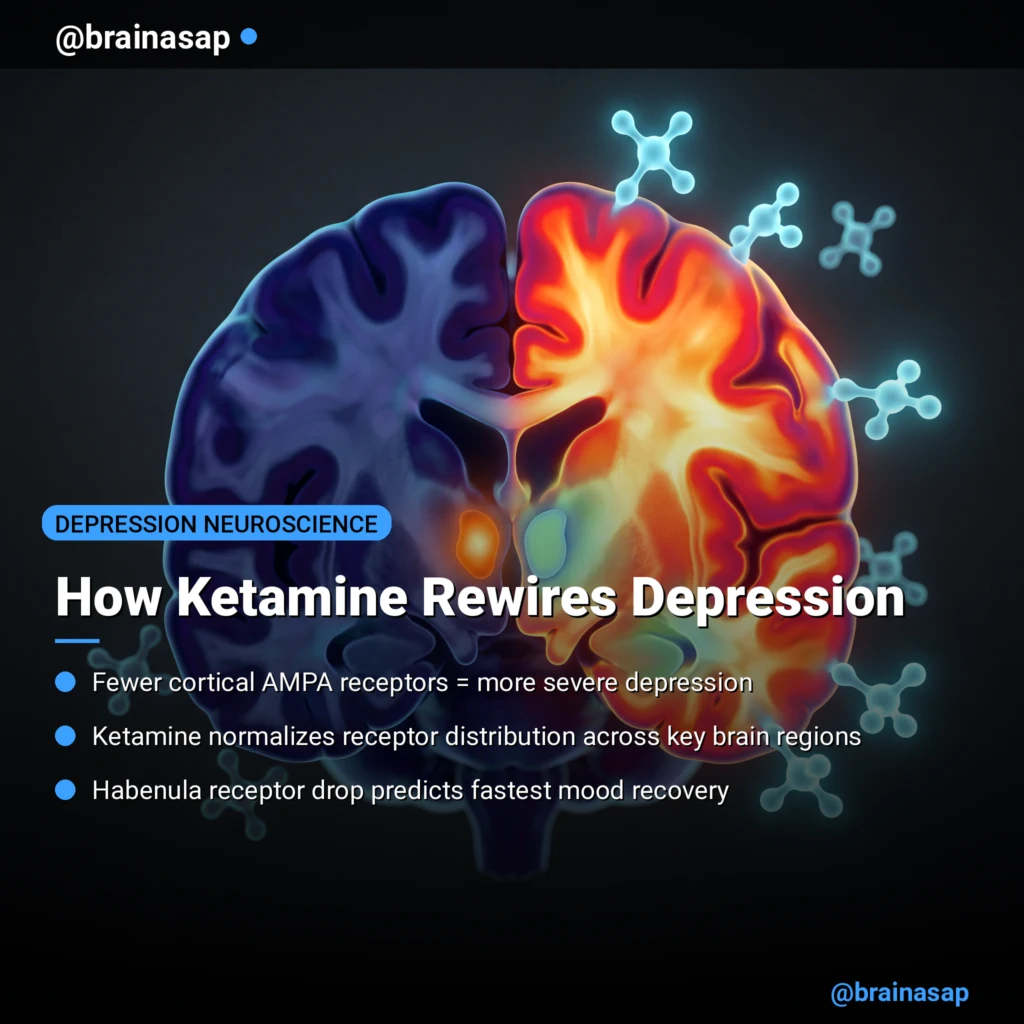
How Ketamine Rewires Receptors to Beat Depression TL;DR: Using PET imaging to directly visualize AMPA receptors in the living human brain, researchers discovered that ketamine’s rapid antidepressant effect works by reshuffling these receptors across specific b…
Read article ↗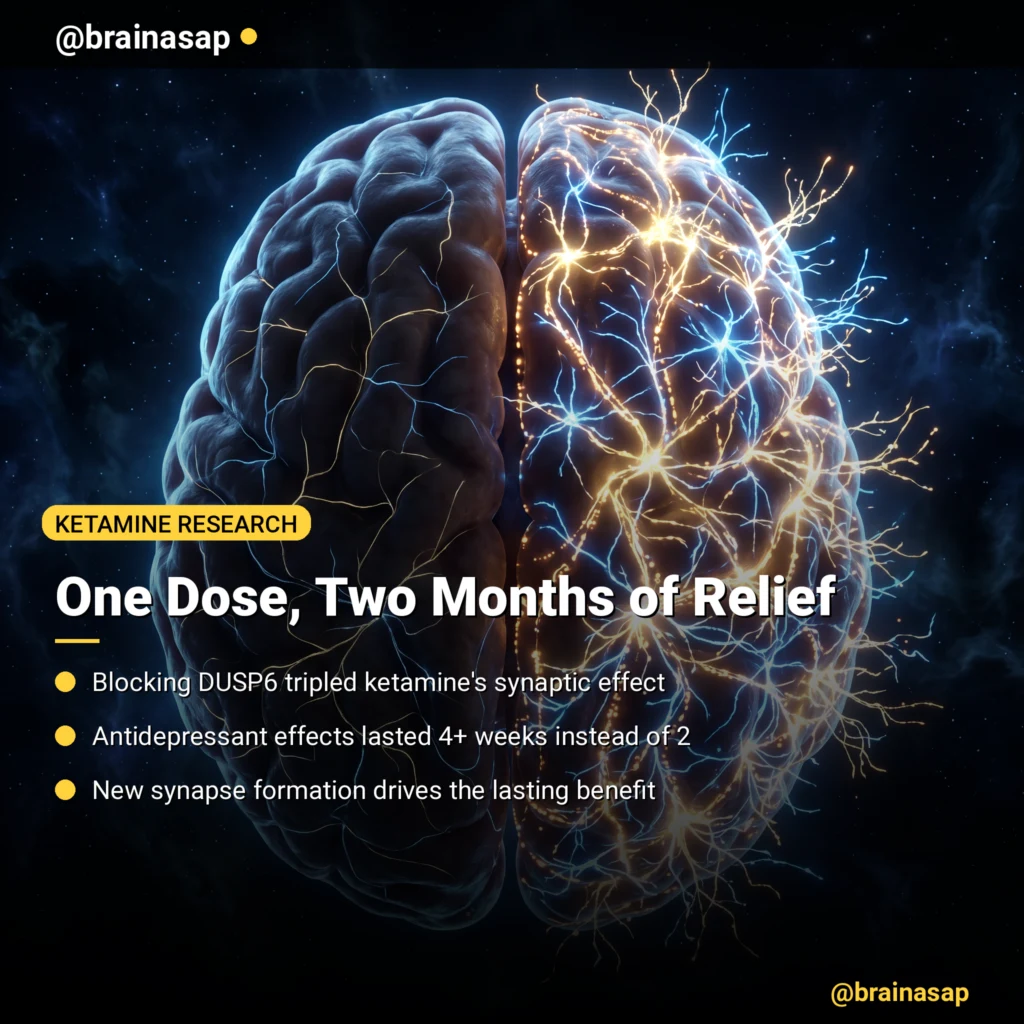
How Scientists Turned a Brief Ketamine High into a Two-Month Antidepressant Effect TL;DR: Blocking DUSP6 protein alongside ketamine extends antidepressant effects from 2 weeks to 4+ weeks in mice, potentially offering single-dose treatment instead of repeated…
Read article ↗
High-intensity exercise (HIIE) leads to significant changes in brain activity, specifically in regions linked to dopaminergic and μ-opioidergic neurotransmission, which are associated with a mood boost. Highlights: Positive Mood Effects: Both low- and high-int…
Read article ↗
Repurposing general anesthetic drugs like ketamine for the treatment of major depression represents a significant medical advancement – showcasing rapid and sustained antidepressant effects. Highlights: Rapid Antidepressant Effects: Ketamine, nitrous oxide, pr…
Read article ↗