
A study found significant overlaps between various environmental pollutants and dyslexia susceptibility genes, identifying associations with 35 out of 95 chemicals. This suggests that these chemicals may contribute to the development of dyslexia through intera…
Read article ↗
Cocaine Use Disorder (CUD) patients exhibit widespread gray matter atrophy, with specific brain volume deficits associated with crack-cocaine use and relapse outcomes. Highlights: Widespread Gray Matter Atrophy: CUD patients show significant gray matter volume…
Read article ↗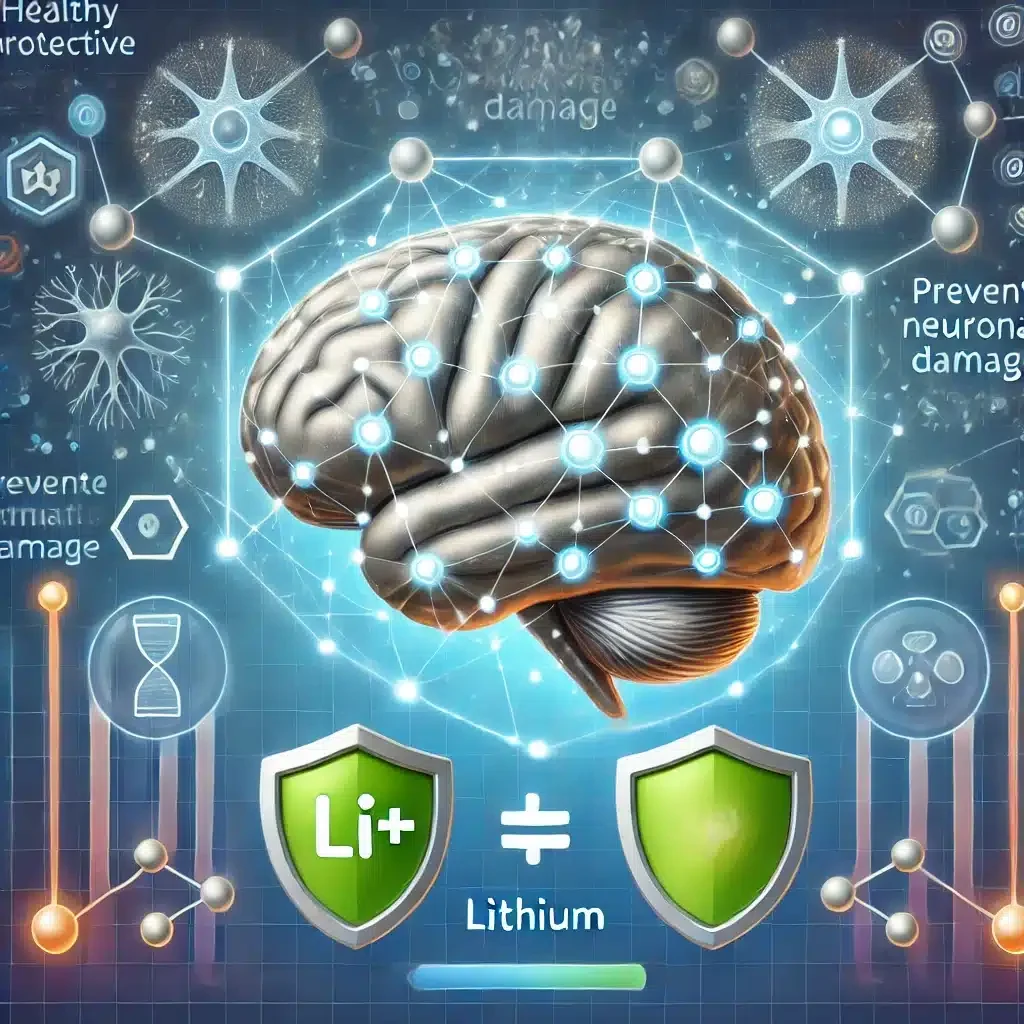
Lithium shows promise in treating traumatic brain injury (TBI) by mitigating neuroinflammation, protecting against neuronal damage, and improving cognitive functions. Highlights: Neuroprotective Mechanisms: Lithium’s therapeutic effects involve complex molecul…
Read article ↗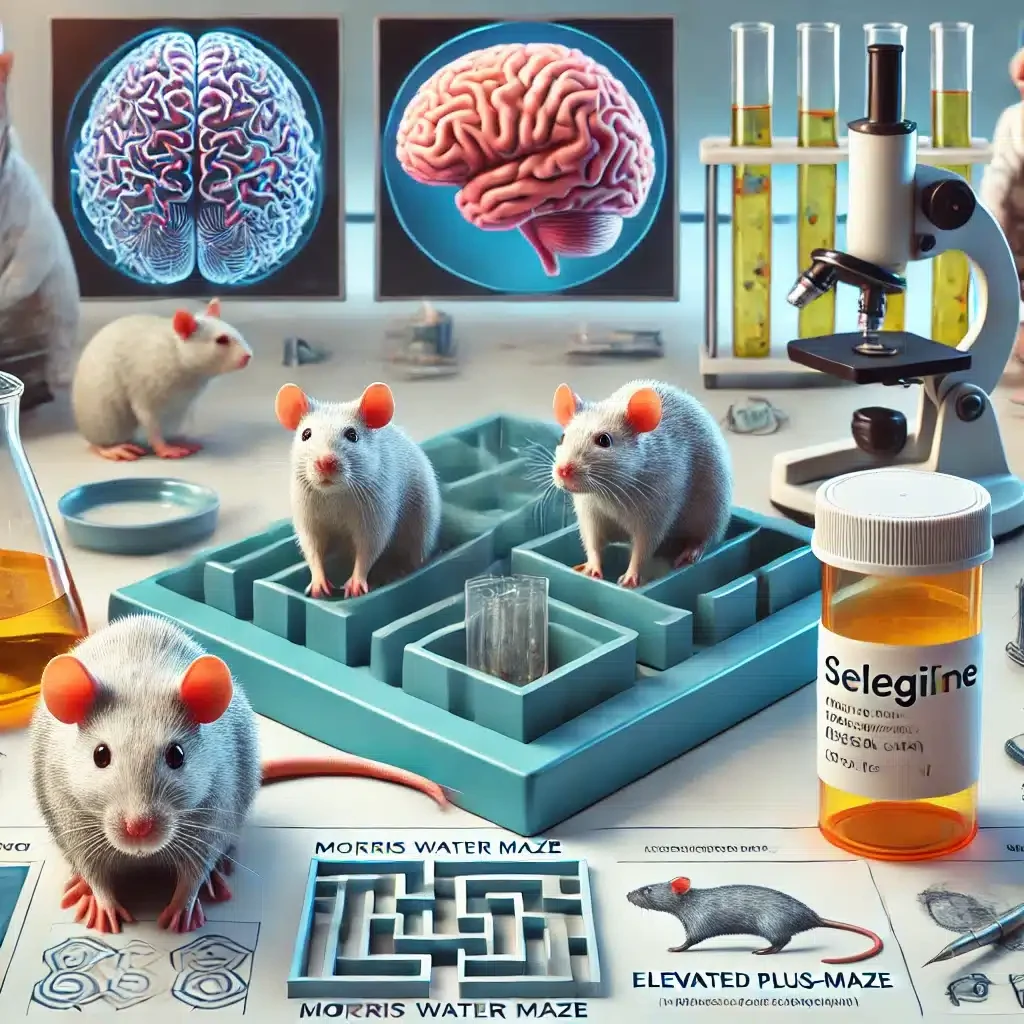
The study demonstrated that selegiline (SEL) improves memory performance, reduces anxiety, and modulates oxidative stress in an Alzheimer’s disease (AD) rat model. Highlights: Memory Improvements: SEL administration improved recognition memory, spatial memory,…
Read article ↗
Water pollution poses serious risks to human brain health, leading to neurological damage and increased risk of neuropsychiatric diseases. Highlights: Sources of Pollution: Water sources are contaminated by industrial waste, agricultural runoff, and urban wast…
Read article ↗
Pesticides are chemical substances commonly used in agriculture to eliminate pests and enhance crop yields. However, indiscriminate use of pesticides has raised concerns about potential toxicity and adverse health effects in humans. Key Facts: Pesticide exposu…
Read article ↗
Per- and polyfluoroalkyl substances, also known as PFAS, are a large group of man-made chemicals that have been used in industrial and consumer products worldwide since the 1940s. Research is now showing that these “forever chemicals” can accumulate in the hum…
Read article ↗
Nitric oxide (NO) is a surprising gaseous neurotransmitter in the brain that also contributes to neurotoxicity when produced in excess. Nitric Oxide Facts: NO is synthesized on demand in neurons and diffuses to activate receptor enzymes rather than binding to…
Read article ↗
Microplastics and nanoplastics are increasingly prevalent in our environment and food system, raising concerns about their impact on human health. A new review of the scientific literature explores the potential for these tiny plastic particles to negatively a…
Read article ↗
A new review of research finds strong evidence that fluoride exposure, especially during fetal development and infancy, can lead to decreased IQ and other neurotoxic effects. While fluoride may help prevent dental cavities when applied topically, ingesting ele…
Read article ↗