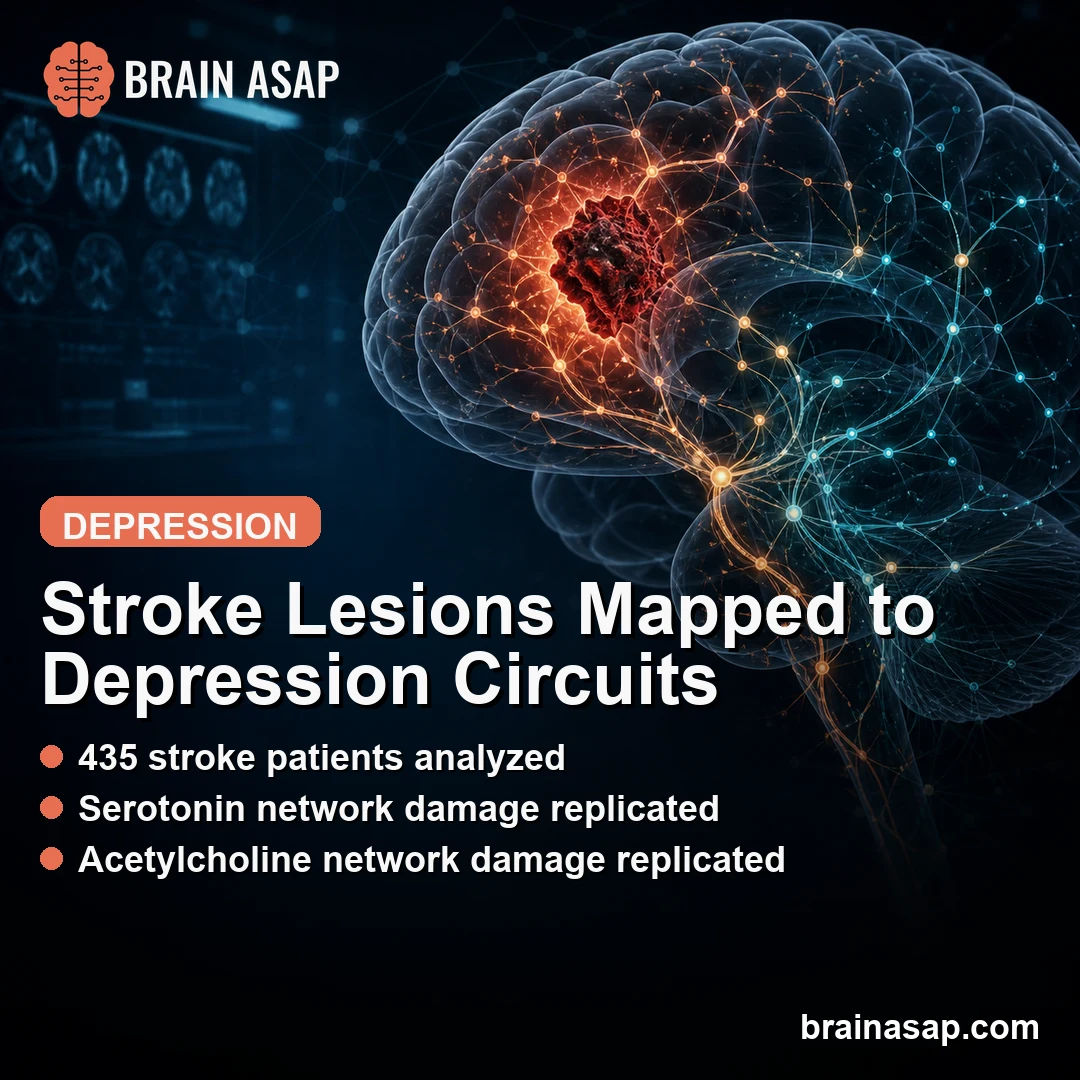
TL;DR: A 2026 medRxiv preprint linked post-stroke depressive symptoms to stroke damage in serotonin-transporter and acetylcholine-transporter weighted brain networks, suggesting depression risk after stroke may depend partly on which neurochemical circuits a l…
Read article ↗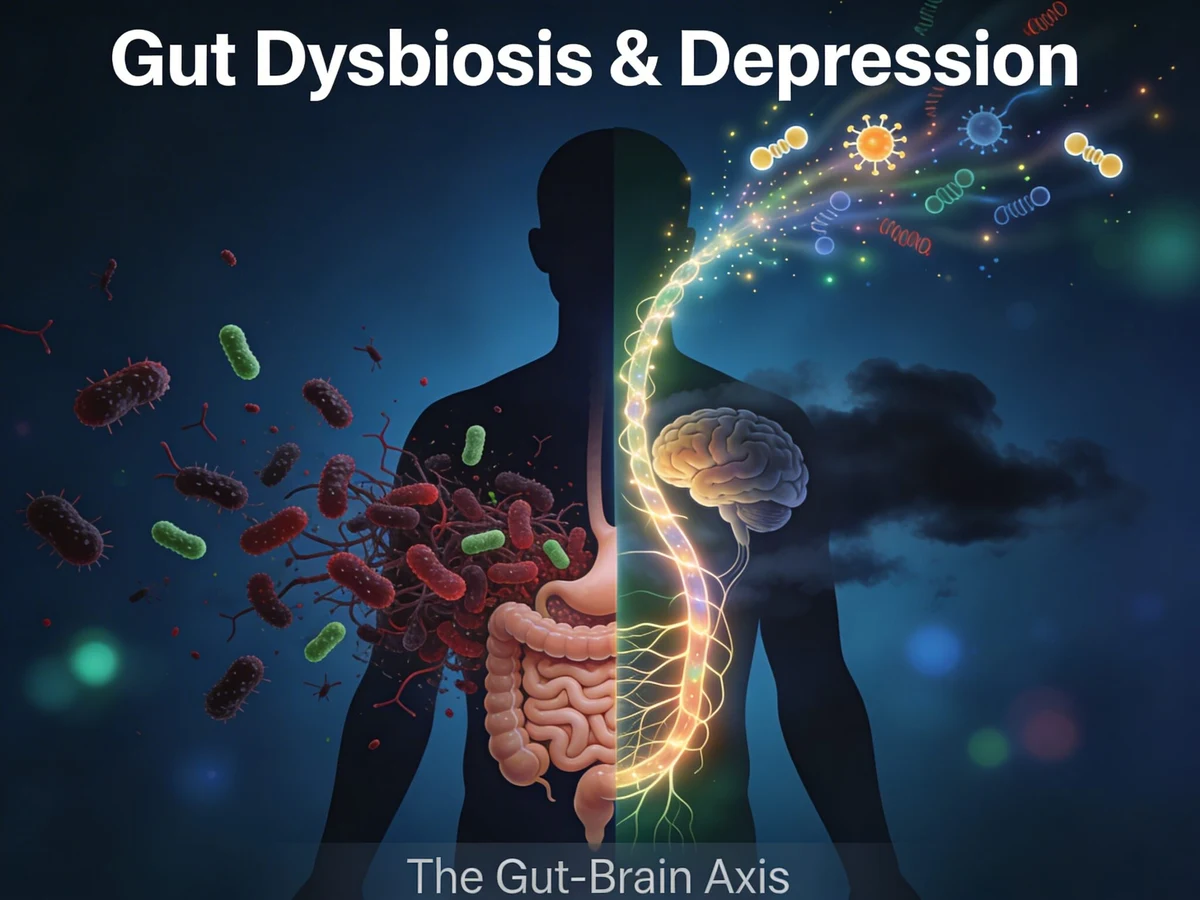
Dysbiotic Gut Microbiota Depletes Amino Acids and Triggers Depression in Youth Depression in children and adolescents affects 4–5% of youth worldwide, with rates climbing steeply over the past decade. Conventional treatment targets serotonin—but new evidence r…
Read article ↗
Drug-induced musical hallucinations occur across various medical conditions, with antidepressants, opioids, and other medications as common triggers, potentially arising from neurotransmitter imbalances; treatment often involves modifying or discontinuing the…
Read article ↗
Current antidepressants can take weeks to improve symptoms of depression. New research explores reasons for this delay and provides clues to develop more rapid-acting drugs. Key Facts: Most antidepressants increase brain serotonin and norepinephrine, but their…
Read article ↗
Food provides the building blocks for our mental and physical health. New research reveals that many common foods supply key neurotransmitters that regulate brain and nervous system function. Understanding how our diet provides these crucial molecules opens up…
Read article ↗
Aspartame is an artificial sweetener found in over 6,000 food products. While it provides a sweet taste without calories, emerging research suggests aspartame may negatively impact brain health and function. Key Facts: Aspartame is made up of phenylalanine, as…
Read article ↗