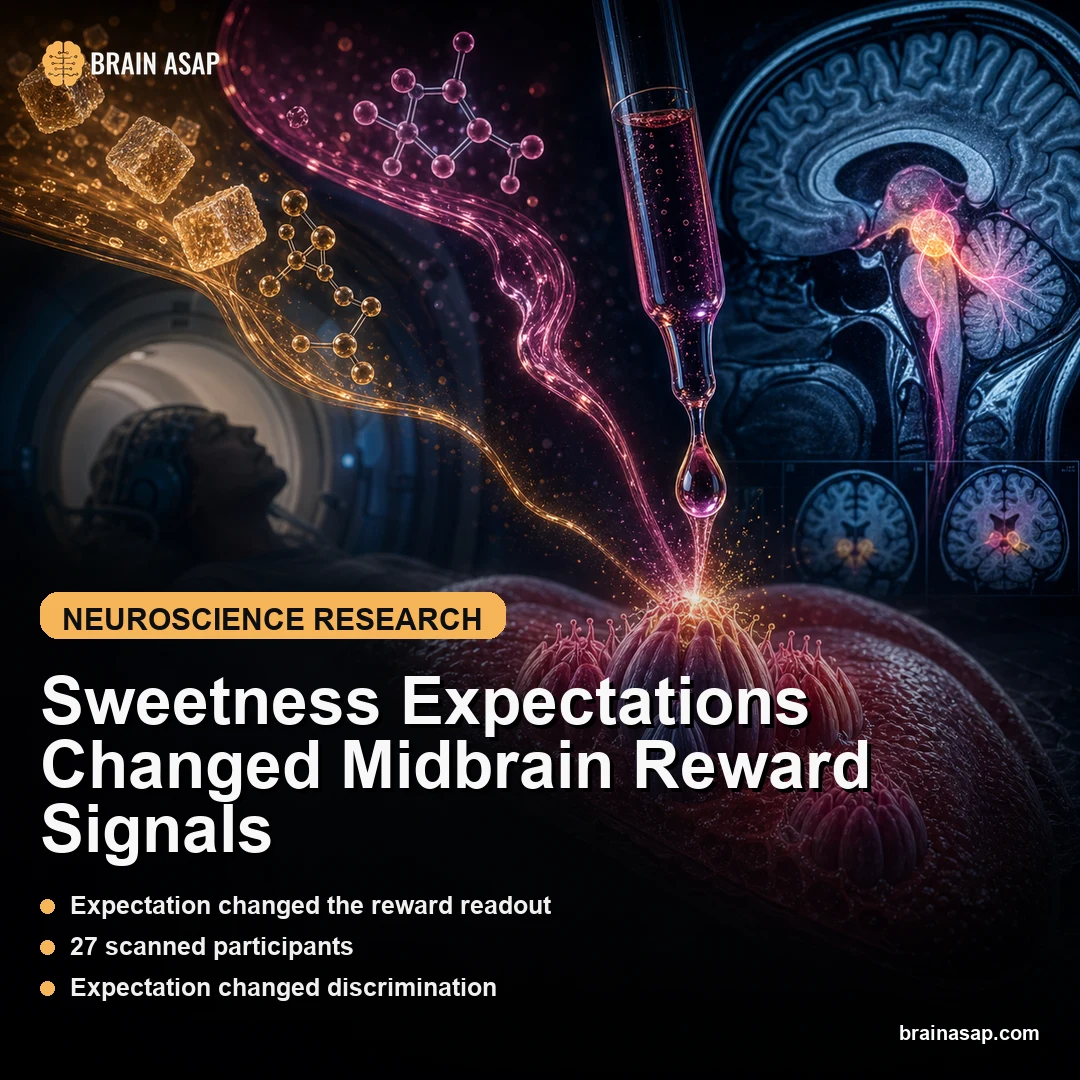
TL;DR: A 2026 study in Journal of Neuroscience found that when people expected sugar, an artificially sweetened drink became more pleasant and produced a stronger midbrain response, even though perceived sweetness was similar. Key Findings Expectation changed…
Read article ↗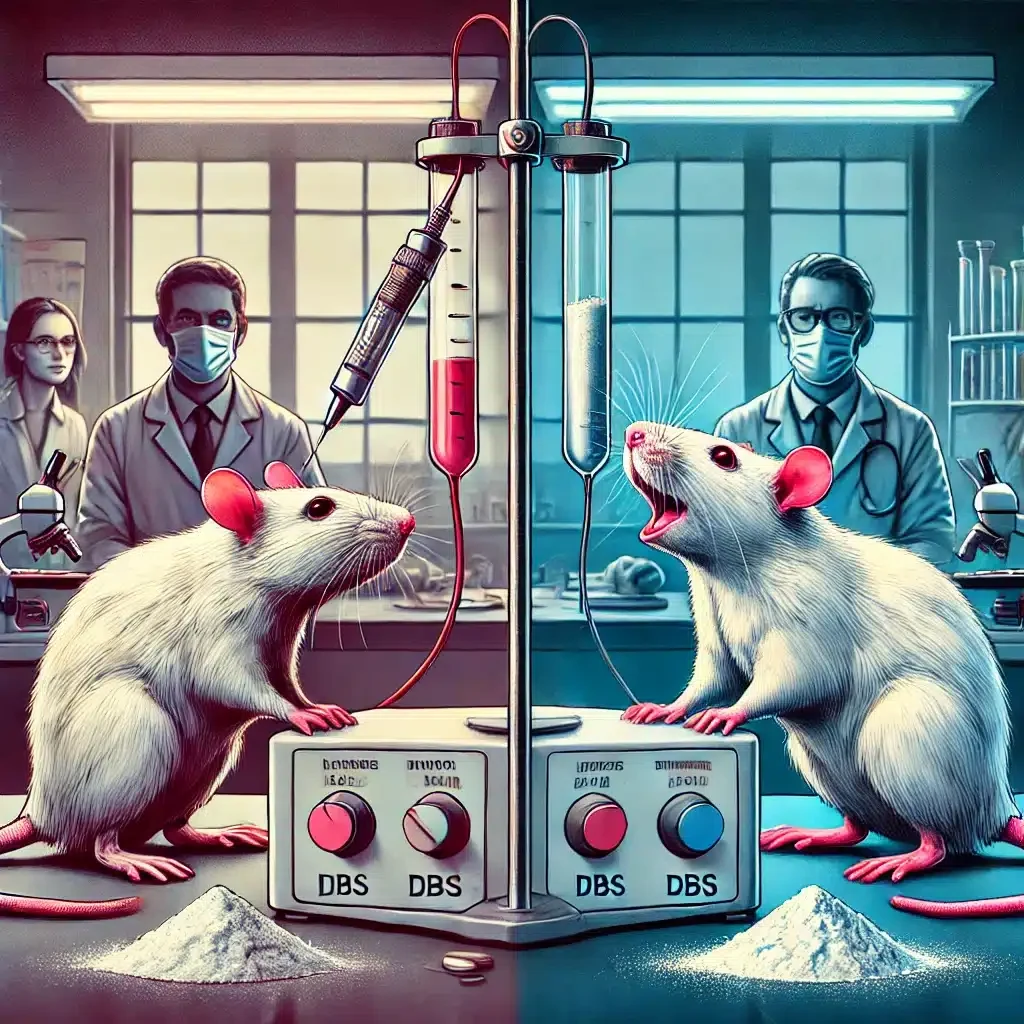
Deep brain stimulation (DBS) in the nucleus accumbens reduces cocaine seeking in male rats but is ineffective in female rats, regardless of their estrous cycle phase. Highlights: No FDA-Approved Treatments: There are currently no FDA-approved treatments for co…
Read article ↗
People struggling with substance use disorders often have difficulties with memory, attention, planning, and decision-making. New research explores how these cognitive deficits relate to treatment outcomes and whether targeting them could improve addiction rec…
Read article ↗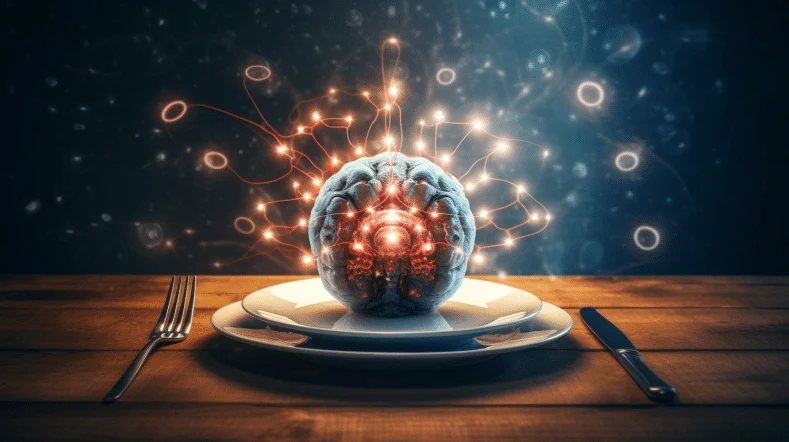
Researchers have uncovered new insights into how fasting alters dopamine signaling in the brain’s reward circuitry. Their findings, published in the Journal of Neurophysiology, suggest that fasted mice exhibit enhanced dopamine release in the ventral tegmental…
Read article ↗
The FDA-approved diabetes drug semaglutide reduces alcohol drinking in mice and rats, suggesting it could be repurposed as an effective medication for alcohol use disorder (AUD). Key findings include: Semaglutide dose-dependently decreased binge-like drinking…
Read article ↗
Addiction involves complex interactions between the brain’s reward circuitry and stress systems. The adrenal cortex and its hormones are emerging as key players. Key Facts: The hypothalamic-pituitary-adrenal (HPA) axis regulates adrenal cortex hormone secretio…
Read article ↗
Researchers have identified a powerful combination of drugs that may help treat alcoholism by reducing cravings and blocking relapse. The dual treatment virtually wiped out binge drinking and heavy drinking in an animal model of alcohol addiction. Key Facts: R…
Read article ↗