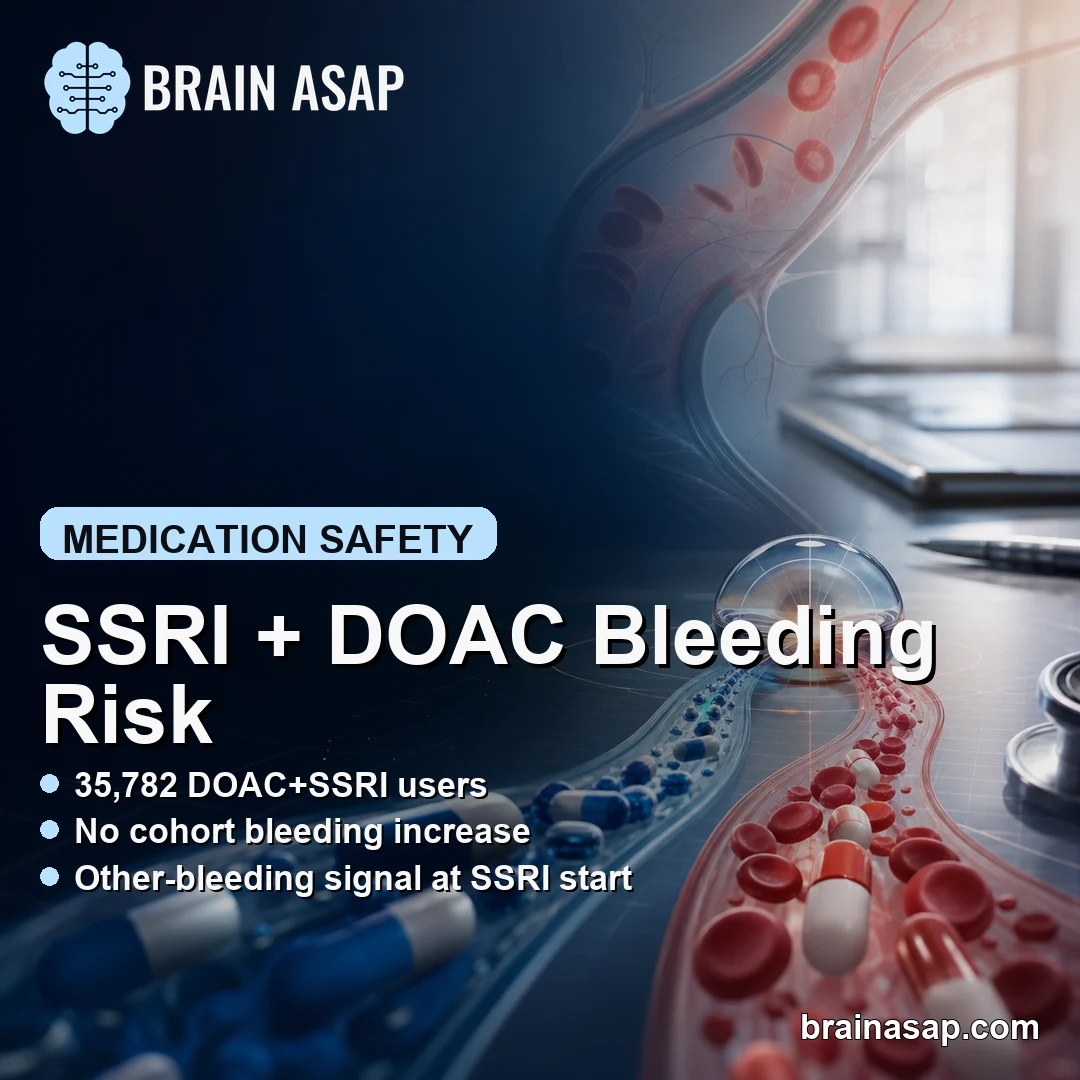
TL;DR: A 2026 study in BJGP Open found no clear cohort-level increase in major bleeding outcomes when selective serotonin reuptake inhibitors (SSRIs) were used with direct oral anticoagulants (DOACs), but the self-controlled analysis still pointed to extra cau…
Read article ↗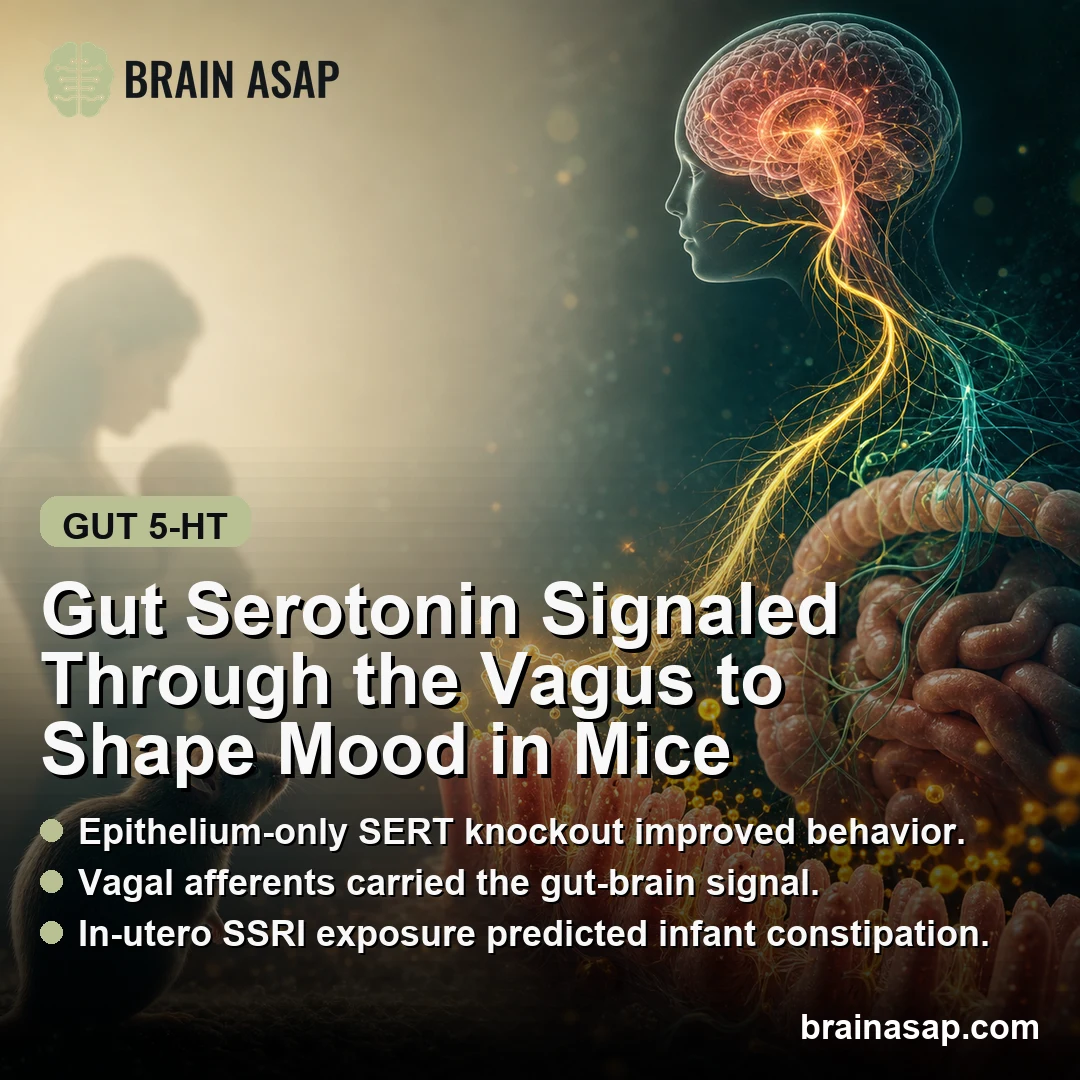
TL;DR: A 2024 Gastroenterology study found that intestinal epithelial serotonin reduced anxiety- and depression-like behavior in mice through vagal signaling, while prenatal SSRI exposure in a human cohort predicted infant functional constipation independent o…
Read article ↗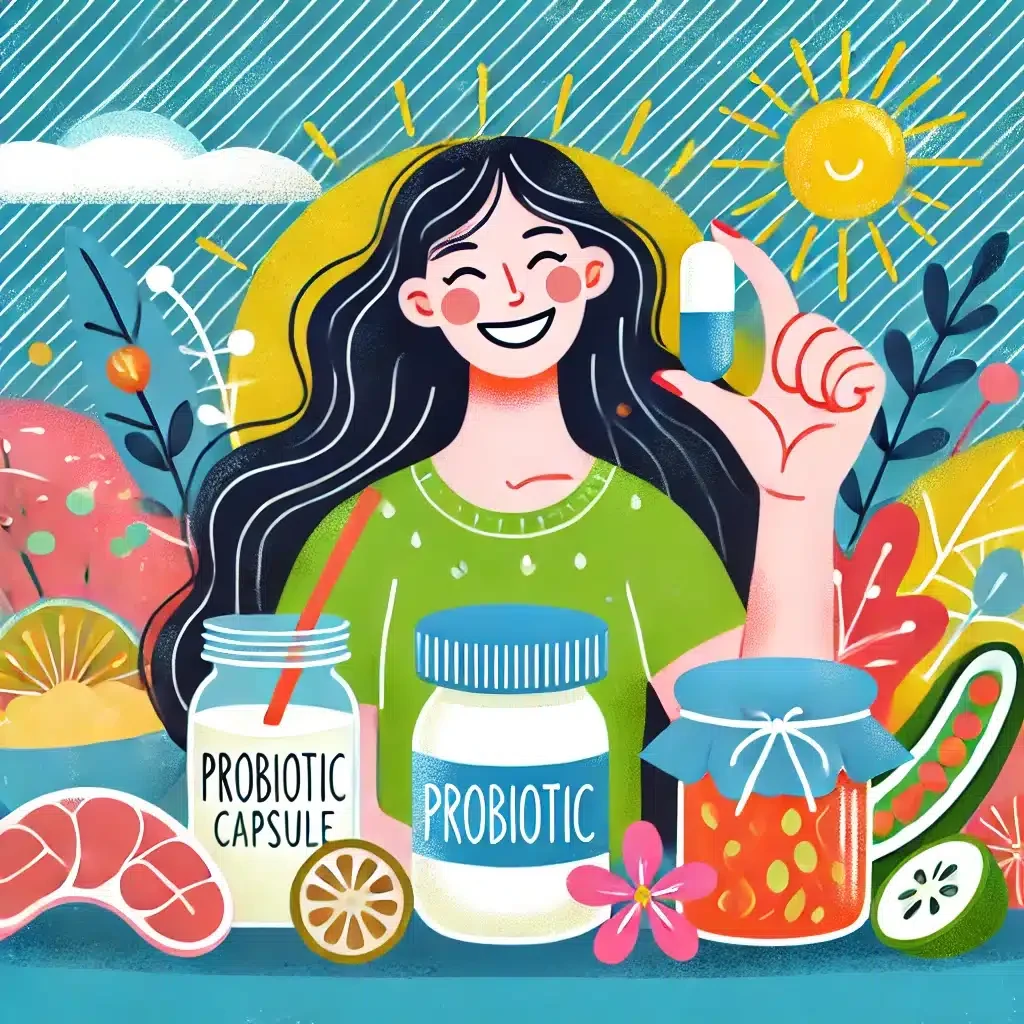
Probiotics may help improve sexual function and reduce depression severity in women treated with SSRIs. Highlights: Depression Prevalence: Approximately 5% of all adults will experience depressive disorder, often accompanied by reduced sexual desire and dysfun…
Read article ↗
Antidepressant withdrawal symptoms occur in about one-third of patients stopping antidepressants, with severe symptoms in about 3% of cases – according to a new Lancet Psychiatry review. Highlights: Incidence of Symptoms: Approximately 31% of patients experien…
Read article ↗
Insomnia is a common sleep disorder affecting up to 15% of adults. While sedative medications are often prescribed, their long-term use can lead to dependence. As an alternative, antidepressants are widely used in clinical practice despite limited evidence sup…
Read article ↗
Current antidepressants can take weeks to improve symptoms of depression. New research explores reasons for this delay and provides clues to develop more rapid-acting drugs. Key Facts: Most antidepressants increase brain serotonin and norepinephrine, but their…
Read article ↗
Antidepressants could potentially be repurposed as anticancer agents based on emerging evidence showing they can modulate autophagy—a process cancer cells rely on for growth and survival. Key Facts: Many antidepressants like SSRIs and TCAs have demonstrated an…
Read article ↗
A new study published in Pharmazie takes a close look at adverse event reports related to drug-induced weight gain submitted to the FDA over the past 10 years. The retrospective analysis provides insight into the drugs most commonly associated with weight gain…
Read article ↗
Serotonin syndrome (SS) is a potentially life-threatening condition caused by excessive serotonin activity in the brain and body. Key facts: SS is characterized by a triad of mental status changes, neuromuscular abnormalities, and autonomic instability. It is…
Read article ↗
Bipolar disorder is a mental illness characterized by extreme mood swings between depression and mania. While antidepressants are commonly prescribed to treat the depressive symptoms, they can also trigger manic episodes in some patients. New research suggests…
Read article ↗